タグ

60 件の記事

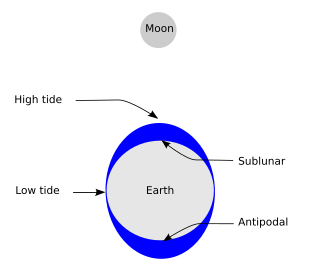
Simplified schematic of only the lunar portion of Earth's tides, showing (exaggerated) high tides at the sublunar point and its antipode for the hypothetical case of an ocean of constant depth without land, and on the assumption that Earth is not rotating; otherwise there is a lag angle. Solar tides not shown.

潮汐のメカニズムと海洋現象の科学

潮汐満潮干潮大潮
Typical lunar dome Milichius Pi, about 11 km across

月面ドームの正体粘性の高い溶岩が作り出した円形火山

月面ドームルナドーム火山
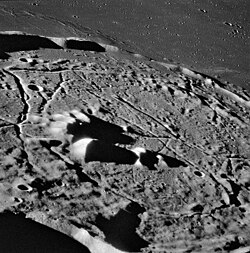
Rimae on the floor of the lunar crater Gassendi, from Apollo 16.

リル(Rille)とは何か?月や惑星に見られる溝状地形の正体

リル地形sinuous rille
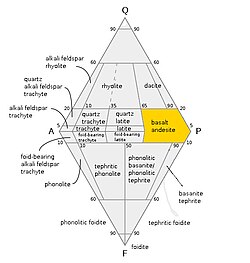
QAPF diagram with basalt/andesite field highlighted in yellow. Basalt is distinguished from andesite by SiO2 < 52%.

玄武岩の科学組成から宇宙の分布まで徹底解説

玄武岩火成岩柱状節理枕状溶岩
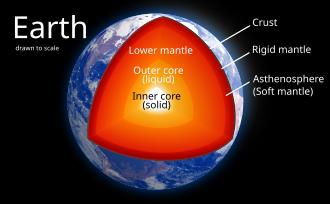
The internal structure of Earth

惑星の地殻地球と太陽系天体の構造と形成プロセス

地殻惑星地質学プレートテクトニクス一次地殻
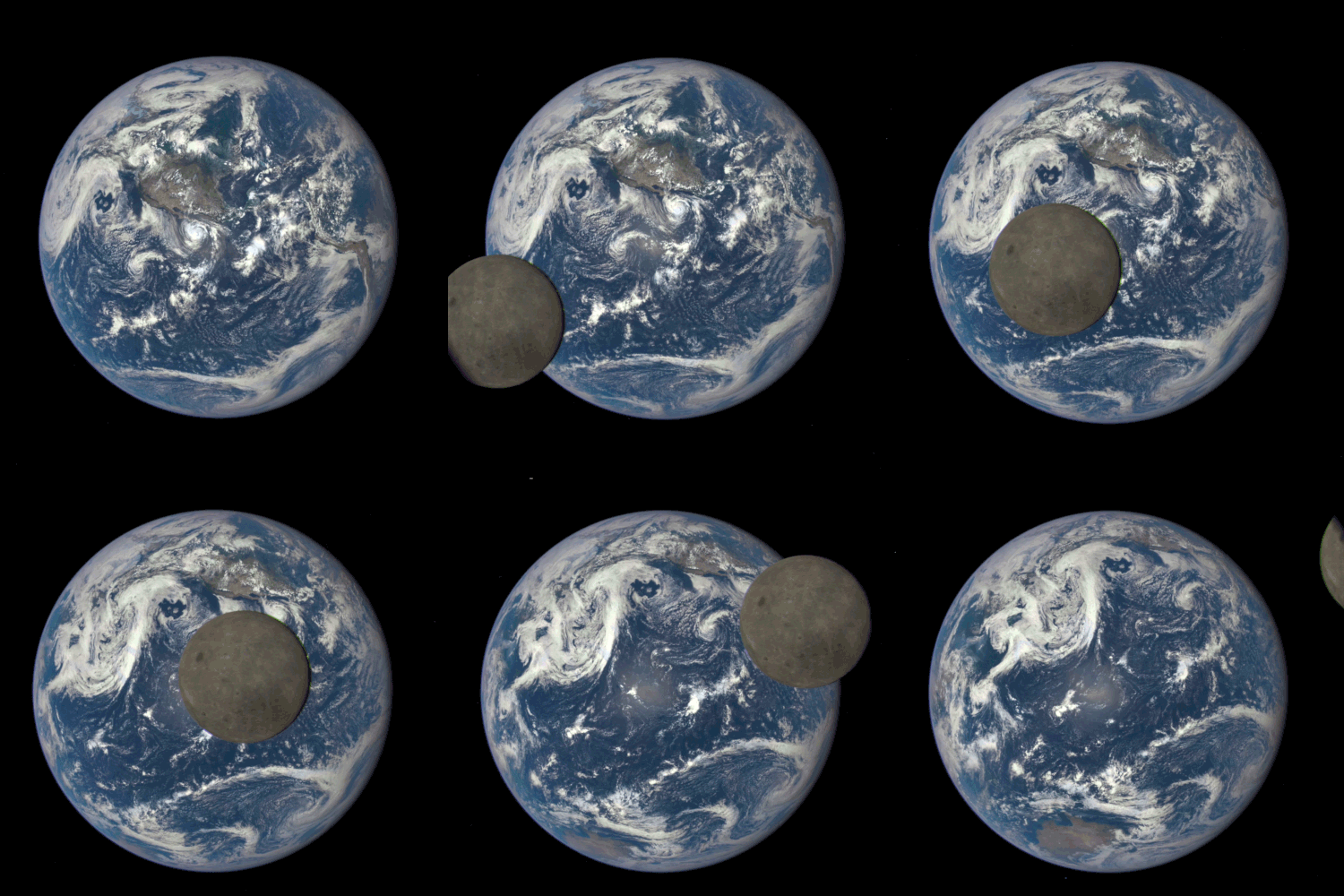
The Moon orbiting around Earth (observed by the Deep Space Climate Observatory)

天然衛星の科学太陽系を彩る多様な「月」の世界

天然衛星太陽系準惑星
📖

アナクサゴラスの哲学と科学的洞察宇宙の秩序と物質の本質

アナクサゴラスヌース古代ギリシャ哲学パンスペルミア説
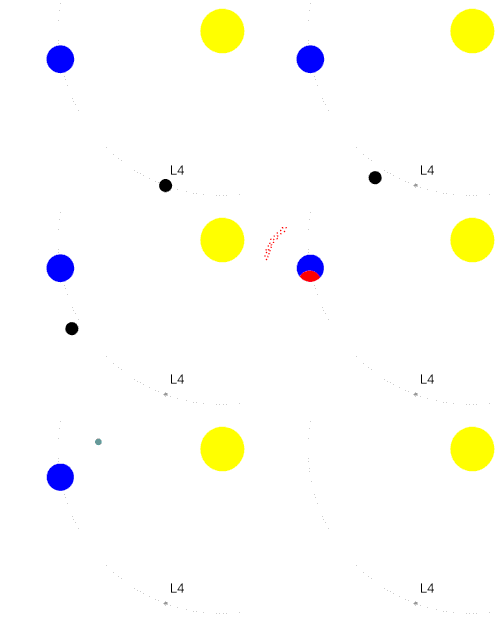
This not-to-scale animation shows (in an Earth and Sun stationary rotating frame of reference) the formation of the Moon through the collision of the hypothetical Mars-sized planet named Theia with Earth. After orbiting for tens of millions of years at the L4 Lagrange point as an Earth-trojan, Theia's orbit comes in "loops" finally too close to Earth.

月地球の唯一の天然衛星が持つ神秘と科学的特性

天然衛星ジャイアント・インパクト説潮汐固定
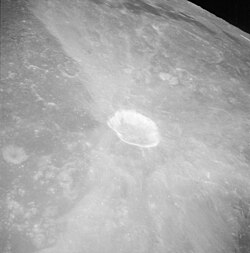
Proclus from Apollo 15: note the prominent ray system. NASA photo.

プロクルス・クレーター月面でひときわ輝く若き衝撃跡

プロクルスクレーターコペルニクス系
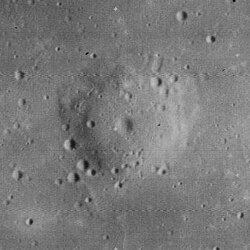
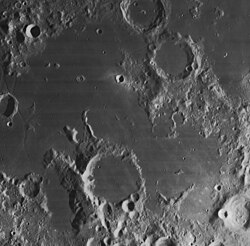
Lunar Orbiter 4 image from 1967

パルス・エピデミアラム月面南西に広がる溶岩平原の地質学的特徴

パルス・エピデミアラム月の海月面地質
📖

パルス・プトレディニスの地質学的特徴と月面探査の歴史

パルス・プトレディニス雨の海アポロ15号
📖

パルス・ソムニ(眠りの沼)の地質学的特徴と月面上の位置

パルス・ソムニ眠りの沼静かの海