タグ

炭素サイクル

6 件の記事

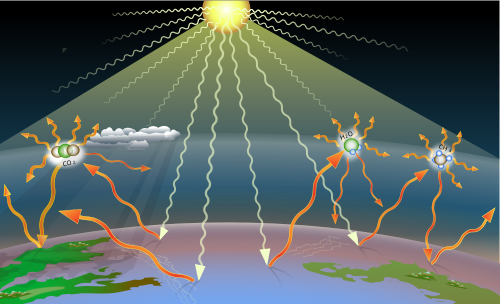
Greenhouse gases trap some of the heat that results when sunlight heats the Earth's surface. Three important greenhouse gases are shown symbolically in this image: carbon dioxide, water vapor, and methane.

温室効果ガスが地球環境に与える影響とメカニズム

温室効果ガス地球温暖化二酸化炭素メタン
The relative magnitude of the top 6 climate change feedbacks and what they influence. Positive feedbacks amplify the global warming response to greenhouse gas emissions and negative feedbacks reduce it.[1] In this chart, the horizontal lengths of the red and blue bars indicate the strength of respective feedbacks.

気候変動フィードバックのメカニズムと地球温暖化への影響

気候変動フィードバック正のフィードバック負のフィードバック気候感度
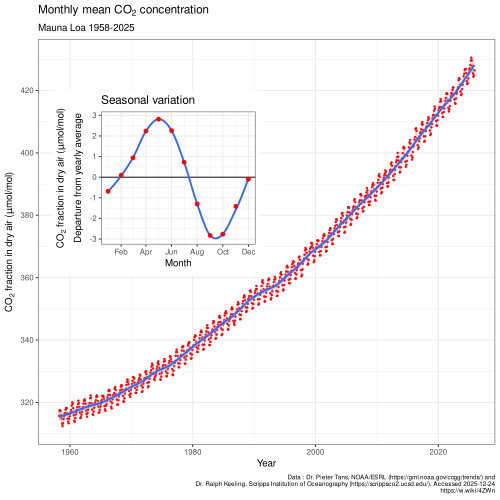
Atmospheric CO2 concentration measured at Mauna Loa Observatory in Hawaii from 1958 to 2023 (also called the Keeling Curve). The rise in CO2 over that time period is clearly visible. The concentration is expressed as μmole per mole, or ppm.

二酸化炭素(CO2)が地球環境に与える影響と現状

二酸化炭素温室効果ガス地球温暖化炭素サイクル
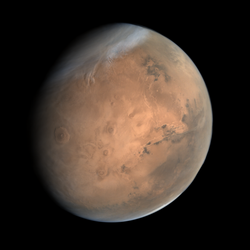
Mars, an example of a cold desert planet, seen by the Mars Orbiter Mission space probe

砂漠惑星の科学乾燥した世界の居住可能性とSFへの影響

砂漠惑星居住可能領域ハビタブルゾーン火星
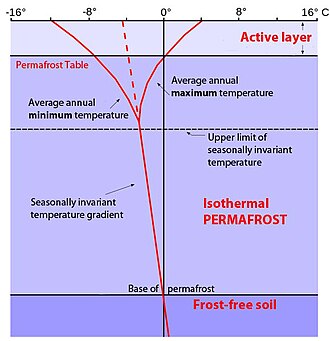
Permafrost temperature profile. Permafrost occupies the middle zone, with the active layer above it, while geothermal activity keeps the lowest layer above freezing. The vertical 0 °C or 32 °F line denotes the average annual temperature that is crucial for the upper and lower limit of the permafrost zone, while the red lines represent seasonal temperature changes and seasonal temperature extremes. Solid curved lines at the top show seasonal maximum and minimum temperatures in the active layer, while the red dotted-to-solid line depicts the average temperature profile with depth of soil in a permafrost region.

永久凍土の正体と地球環境への影響気候変動がもたらすリスクと科学的視点

永久凍土気候変動メタン放出能動層
Color lines in a spectral range

炭素(カーボン)の特性と多様な同素体生命と物質の基礎となる元素

炭素カーボン同素体ダイヤモンド