タグ

天球

10 件の記事

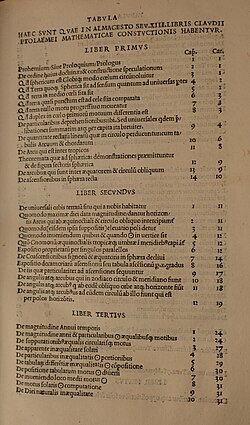
Table of contents to a 1528 copy of Almagest, translated to Latin from Greek by George of Trebizond

プトレマイオス『アルマゲスト』古代天文学の金字塔とその影響

プトレマイオスアルマゲスト天動説古代ギリシャ天文学
📖

天体の極とは?回転軸から磁気極まで、宇宙の方向定義を解説

天体の極回転軸国際天文学連合不変平面
Precessional movement of Earth. Earth rotates (white arrows) about once a day around its rotational axis (red); this axis itself rotates slowly (white circle), completing a rotation in approximately 26,000 years[1]

地軸の歳差運動地球の回転軸が描く26,000年の巨大なサイクル

歳差運動地軸春分点天文学
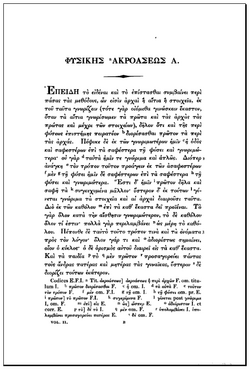
A page from an 1837 edition of the ancient Greek philosopher Aristotle's Physica, a book addressing a variety of subjects including the philosophy of nature and topics now part of its modern-day namesake: physics.

アリストテレス物理学古代ギリシャの自然哲学とその体系

アリストテレス物理学自然哲学四元素説
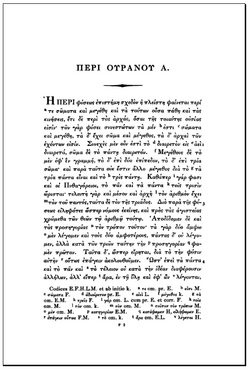
Page one of Aristotle's On the Heavens, from an edition published in 1837

アリストテレス『天上について』古代の宇宙観と後世への影響

アリストテレス天上について宇宙論天動説
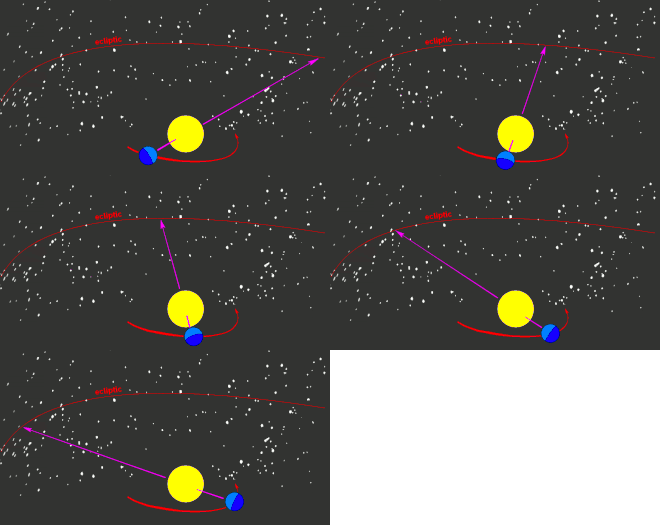
As seen from the orbiting Earth, the Sun appears to move with respect to the fixed stars, and the ecliptic is the yearly path the Sun follows on the celestial sphere. This process repeats itself in a cycle lasting a little over 365 days.

黄道面とは何か?太陽の通り道と天球座標系の基礎知識

黄道黄道面天球地球の公転
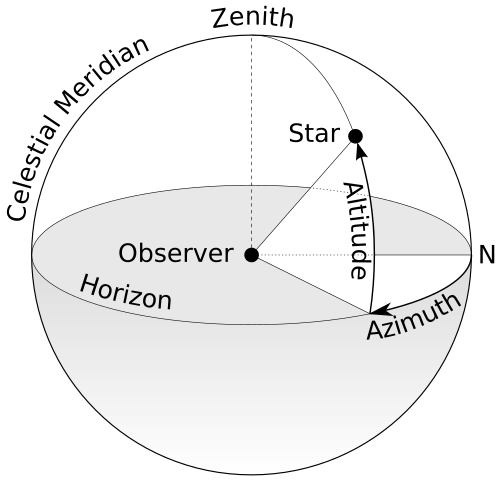
Horizontal coordinates use a celestial sphere centered on the observer. Azimuth is measured eastward from the north point (sometimes from the south point) of the horizon; altitude is the angle above the horizon.

地平座標系天体の位置を特定する基本システム

地平座標系高度方位角天文学
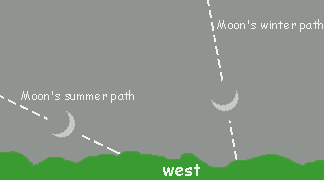
The orbit of a dry moon (left) and wet moon (right)

ウェットムーン(濡れた月)とは?三日月の向きが変わる天文学的理由

ウェットムーンチェシャムーン三日月天文学
Horizontal coordinates use a celestial sphere centered on the observer. Azimuth is measured eastward from the north point (sometimes from the south point) of the horizon; altitude is the angle above the horizon.

地平座標系天体の位置を特定する基本システム

地平座標系高度方位角天文学
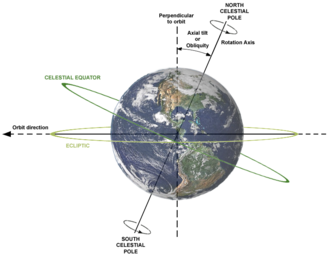
The celestial equator is currently inclined by about 23.44° to the ecliptic plane. The image shows the relations between Earth's axial tilt (or obliquity), rotation axis, and orbital plane.

天球赤道とは?地球の傾きと星空の座標系を解説

天球赤道天球黄道地軸