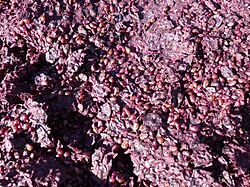
The process of fermentation at work on Pinot noir. As yeast consume the sugar in the must it releases alcohol and carbon dioxide (seen here as the foaming bubbles) as byproducts.
← ホームへ戻る

ワイン酵母の役割と醸造への影響科学的メカニズムから品質管理まで

🗓 2026年8月10日

ワインを単なるフルーツジュースから、芳醇なアルコール飲料へと変える決定的な要素が酵母です。酵母は、ブドウに含まれる糖分を分解してエタノールと二酸化炭素へと変換する「発酵」という化学反応を担っています。このプロセスをいかにコントロールするかが、ワインのアルコール度数や味わい、そして最終的な品質を左右します。

一般的に、ブドウの糖度が高いほど、酵母がすべての糖を消費した際の潜在的なアルコール度数は高くなります。一方で、デザートワインのように甘みを残したい場合は、温度を下げて酵母を不活性化させる、フィルターで除去する、あるいはブランデーなどのスピリッツを加えて酵母を死滅させることで、意図的に発酵を停止させます。もし栄養不足などで予期せず発酵が止まってしまった状態は「スタック発酵(停滞発酵)」と呼ばれ、醸造上の問題となります。
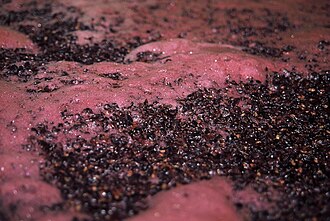
The process of fermentation at work on Pinot noir. As yeast consume the sugar in the must it releases alcohol and carbon dioxide (seen here as the foaming bubbles) as byproducts.

Key Facts

  • 主役の酵母: 醸造で最も多用されるのは、アルコール耐性と安定性が高いSaccharomyces cerevisiaeサッカロマイセス・セレビシエ)である。
  • 野生酵母の存在: 収穫時のブドウにはKloeckeraCandidaなどの野生酵母が付着しており、初期発酵を促す。
  • アルコール耐性: 多くの酵母はアルコール濃度が15%に達すると死滅するが、一部の種(S. bayanusなど)は20%まで耐えることができる。
  • 澱(おり)の活用: 死滅した酵母を含む「澱」との接触は、ワインに複雑味やボディ感を与える。
  • リスク管理: Brettanomycesなどの雑菌は、「馬小屋のような臭い」などの欠陥(オフフレーバー)の原因となる。

酵母による発酵の科学と歴史

19世紀半ば、フランスの科学者ルイ・パスツールは、ワインの腐敗原因を調査する中で、微小な酵母細胞が発酵の正体であることを突き止めました。この発見は微生物学の基礎となり、その後20世紀になってようやく、糖がアルコールに変わる詳細な代謝経路(エンブデン・マイヤーホフ・パルナス経路)が解明されました。
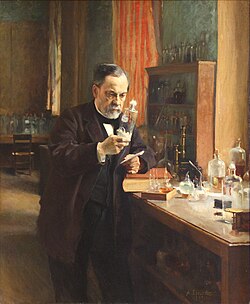
French scientist Louis Pasteur discovered the connection between microscopic yeast and the process of fermentation.

生物学的なメカニズムとしては、酸素がない環境下で酵母が糖を分解し、ピルビン酸を経てアセトアルデヒド、そして最終的にエタノールへと還元します。この過程でNAD+という共酵素が再充填され、酵母の代謝サイクルが維持されます。

In the absence of oxygen, yeast cells will take the pyruvate produced by glycolysis and reduce it into acetaldehyde which is further reduced into ethanol "recharging" the NAD+ co-enzymes that is needed for various metabolic processes of the yeast.

酵母の多様性と特性

最も一般的なS. cerevisiaeは、pH 2.8〜4というワイン特有の酸性環境や、高いアルコール濃度、二酸化硫黄(亜硫酸塩)への耐性を備えています。顕微鏡で見ると、その細胞は楕円形をしているのが特徴です。
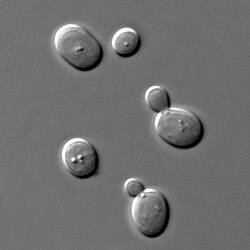
Saccharomyces cerevisiae as seen under a Differential Interference Contrast (DIC) microscope

現在では数百もの株が特定されており、醸造家は発酵速度、耐温性、あるいは生成される香気成分に応じて最適な株を選択します。ただし、若いワインでは株による個性が顕著に出ても、熟成が進むにつれてその差は少なくなると考えられています。
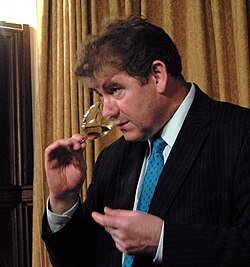
While some strains of yeast may influence the sensory characteristics and aromas of young wine, these differences seem to fade as the wine ages.

醸造における酵母の使い分け:野生か培養か

野生酵母(アンビエント酵母)

「野生酵母」には、ブドウの皮や果実、あるいは醸造所の設備に自然に存在する酵母が含まれます。これらは空気や鳥、果実バエなどを介して運ばれます。
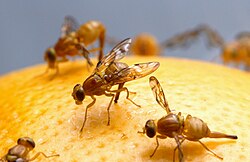
Fruit flies are a common vector that transports ambient or "wild" yeast strains within wineries.

一部の醸造所では、独自のハウス酵母を育成するために、前ヴィンテージのポマース(搾りかす)を堆肥として畑に戻す手法を用いています。
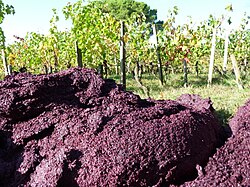
Wineries that wish to cultivate an "in-house" ambient yeast strain will often recycle the leftover pomace of previous vintages as compost in the vineyard.

培養酵母(接種酵母)

予測可能性と安定性を求める醸造家は、凍結乾燥された培養酵母と栄養剤を使用します。これにより、野生酵母との競争に勝ち、確実に発酵を完結させることが可能です。
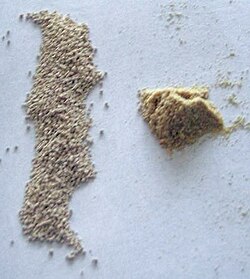
Some winemakers favor the use of freeze-dried cultured yeast (left) and yeast nutrients (right) because of their relative predictability in beginning and completing a fermentation.

培養酵母を使用する場合、「コールドショック」による細胞死を防ぐため、慎重な再水和プロセスが必要です。まず40℃前後の温水で活性化させ、その後、徐々に温度を下げてからマスト(ブドウ汁)に投入します。
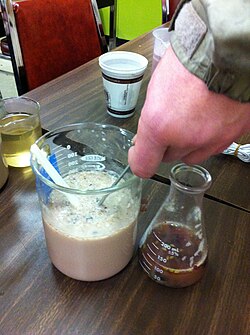
Preparing a yeast starter culture and gradually cooling the culture down to the must temperature by adding some wine

また、酵母が健康に活動するためには窒素やリン酸などの栄養素が不可欠です。リン酸二アンモニウム(DAP)の添加や、前回の発酵後の皮を再利用する「リパッソ法」などで栄養を補います。
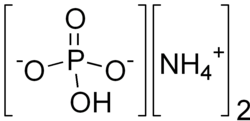
Diammonium phosphate (or DAP) is a common additive that provides two necessary nutrients for yeast to have a healthy and sustained fermentation – nitrogen and phosphate.
One traditional way of providing nutrients for the yeast is the ripasso method where the leftover grape skins and pomace (pictured) from a previous fermentation is added to a newly fermenting wine.

酵母が生成する副産物とワインへの影響

酵母はアルコール以外にも様々な化合物を生成し、それがワインの個性を形作ります。

酵母由来の主要化合物とその影響
化合物名 特徴・影響 備考
ジアセチル バターのような香り 過剰な場合は追加酵母で低減させる
アセトアルデヒド 酸化的な香り シェリー酒の独特な風味の源
硫化水素 還元的な臭い(卵のような) 窒素不足の際に発生しやすい
酢酸 鋭い酸味、揮発酸 過剰になると「除光液」のような臭いに
メタノール 微量のアルコール ペクチンの脱メチル化により生成

例えば、シャルドネなどでバターのような香りが強すぎる場合、新鮮な酵母を投入してジアセチルを中立的な臭いの2,3-ブタンジオールに分解させることがあります。
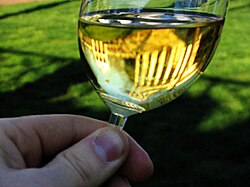
If a Chardonnay has too much "buttery" diacetyl notes, winemakers may add fresh yeast to the wine to consume the diacetyl and reduce it to the more neutral-smelling fusel oil 2,3-butanediol.

また、スペインのシェリー酒では、表面に形成される「フロール」と呼ばれる特殊な酵母層が、特徴的なアルデヒド系の香りを生み出します。
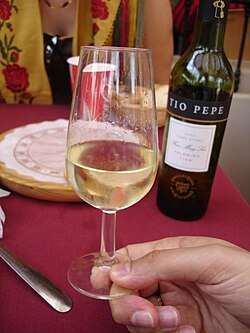
The distinctive "aldehydic" notes of Sherry wines are caused by special yeast native to the Jerez wine region.

(おり)の管理と二次発酵

発酵後に底に沈殿した死滅酵母などの堆積物を「澱(リー)」と呼びます。この澱とワインを接触させ、定期的に撹拌(バトナージュ)することで、酵母の細胞壁からマンノプロテインなどが溶け出し、ワインにコクと複雑味が加わります。

スパークリングワインの製造では、ボトル内での二次発酵後に澱が発生します。これを「リモサージュ(揺すり)」によってネック部分に集め、除去する工程が行われます。
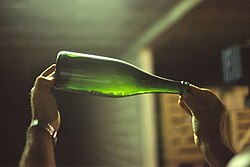
The lees left over from the secondary fermentation of sparkling wine can be seen on the bottom side of this bottle being inspected. Eventually this wine will go through riddling to collect the lees in the neck, where it will be removed prior to corking.

注意すべき酵母とワインの欠陥

ブレッタノマイセス(Brett)

Brettanomycesは、限定的な量であれば複雑味を増すとされますが、多くの場合、「馬小屋」や「濡れたサドル」のような不快な臭い(4-エチルフェノールなど)の原因となる欠陥酵母と見なされます。一度醸造所に定着すると排除が非常に困難です。
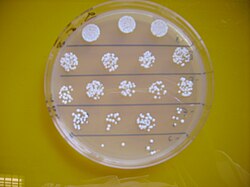
While some wine regions view the influence of Brettanomyces on the wine, in limited amounts, as added complexity, many winemakers view the presence of Brettanomyces species such as Brettanomyces bruxellensis (pictured) in their wineries as a negative influence that needs to be controlled.

フィルム酵母と酸化

CandidaPichiaなどのフィルム酵母は、ワインの表面に膜を形成します。これらはワインを保護する二酸化硫黄を消費し、酢酸を生成して揮発酸を高めるため、一般的に忌避されます。ただし、フランス・ジュラ地方のヴァン・ジョーヌのように、意図的にこの膜を利用するスタイルも存在します。
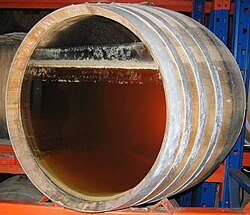
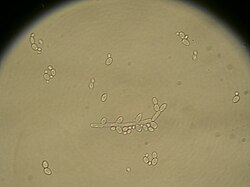
Film yeast on the surface of wine in a barrel of Vin jaune from the Jura wine region of France
Film yeast like Candida (pictured) and Pichia can cover the surface of a wine with a film layer that not only consumed most of the free sulfur dioxide available to protect the wine but also produces high levels of acetic acid that will contribute to volatile acidity in a wine.

Frequently Asked Questions

野生酵母と培養酵母のどちらが良いのでしょうか?

目的によります。野生酵母はその土地固有の個性を出しやすい一方、発酵が停止するリスクがあります。培養酵母は、アルコール耐性や発酵速度が予測可能で、安定した品質を確保するのに適しています。

「澱(おり)」を混ぜることでどのような効果がありますか?

酵母の細胞壁に含まれる多糖類やタンパク質がワインに溶け出し、口当たりが滑らかになり、風味に深みが出ます。また、適切に撹拌することで、不快な還元臭(硫化水素など)の発生を防ぐ効果もあります。

ワインから「馬小屋のような臭い」がするのはなぜですか?

これは主にブレッタノマイセスという酵母が生成する4-エチルフェノールなどの化合物によるものです。醸造家によっては複雑味として好む場合もありますが、一般的にはワインの欠陥とされます。

発酵を途中で止めることは可能ですか?

はい。温度を大幅に下げる、フィルターで酵母を取り除く、あるいはアルコール度数を高めて酵母を死滅させる(強化ワインの手法)ことで、糖分を残した甘口のワインを作ることができます。

酵母に栄養剤を与える必要があるのはなぜですか?

酵母が健康に活動し、最後まで糖分を分解するためには、窒素やリン酸などの栄養素が必要です。栄養が不足すると、酵母がストレスを感じ、硫化水素などの不快な臭い物質を生成しやすくなるためです。

References

  1. Jeff Cox "From Vines to Wines: The Complete Guide to Growing Grapes and Making Your Own Wine" pp. 133–36 Storey Publishing 1999  
  2. D. Bird "Understanding Wine Technology" pp. 67–73 DBQA Publishing 2005  
  3. J. Robinson (ed) "The Oxford Companion to Wine" Third Edition pp. 778–80 2006  
  4. Fugelsang, Kenneth C.; Edwards, Charles G., eds. (2007). "Yeasts". Wine Microbiology. pp. 3–28. :10.1007/978-0-387-33349-6_1.  .
  5. B. Zoecklein, K. Fugelsang, B. Gump, F. Nury Wine Analysis and Production pp. 281–90 Kluwer Academic Publishers, New York (1999)  
  6. Douglas Harper "Yeast" Online Etymology Dictionary Accessed: May 31st, 2012
  7. J. Robinson (ed) "The Oxford Companion to Wine" Third Edition pgs 267 & 508 2006  
  8. "Wine Yeast". Scott Labs. Retrieved 23 August 2023.
  9. B. Zoecklein, K. Fugelsang, B. Gump, F. Nury Wine Analysis and Production pp. 97–114 Kluwer Academic Publishers, New York (1999)  
  10. Dr. Yair Margalit, Winery Technology & Operations A Handbook for Small Wineries pp. 67–74 The Wine Appreciation Guild (1996)  

📸 フォトギャラリー

The process of fermentation at work on Pinot noir. As yeast consume the sugar in the must it releases alcohol and carbon dioxide (seen here as the foaming bubbles) as byproducts.
French scientist Louis Pasteur discovered the connection between microscopic yeast and the process of fermentation.
In the absence of oxygen, yeast cells will take the pyruvate produced by glycolysis and reduce it into acetaldehyde which is further reduced into ethanol "recharging" the NAD+ co-enzymes that is needed for various metabolic processes of the yeast.
If a Chardonnay has too much "buttery" diacetyl notes, winemakers may add fresh yeast to the wine to consume the diacetyl and reduce it to the more neutral-smelling fusel oil 2,3-butanediol.
The distinctive "aldehydic" notes of Sherry wines are caused by special yeast native to the Jerez wine region.
The lees left over from the secondary fermentation of sparkling wine can be seen on the bottom side of this bottle being inspected. Eventually this wine will go through riddling to collect the lees in the neck, where it will be removed prior to corking.
Film yeast on the surface of wine in a barrel of Vin jaune from the Jura wine region of France
Saccharomyces cerevisiae as seen under a Differential Interference Contrast (DIC) microscope
While some strains of yeast may influence the sensory characteristics and aromas of young wine, these differences seem to fade as the wine ages.
Fruit flies are a common vector that transports ambient or "wild" yeast strains within wineries.
Wineries that wish to cultivate an "in-house" ambient yeast strain will often recycle the leftover pomace of previous vintages as compost in the vineyard.
Some winemakers favor the use of freeze-dried cultured yeast (left) and yeast nutrients (right) because of their relative predictability in beginning and completing a fermentation.
Preparing a yeast starter culture and gradually cooling the culture down to the must temperature by adding some wine
Diammonium phosphate (or DAP) is a common additive that provides two necessary nutrients for yeast to have a healthy and sustained fermentation – nitrogen and phosphate.
One traditional way of providing nutrients for the yeast is the ripasso method where the leftover grape skins and pomace (pictured) from a previous fermentation is added to a newly fermenting wine.
Film yeast like Candida (pictured) and Pichia can cover the surface of a wine with a film layer that not only consumed most of the free sulfur dioxide available to protect the wine but also produces high levels of acetic acid that will contribute to volatile acidity in a wine.
While some wine regions view the influence of Brettanomyces on the wine, in limited amounts, as added complexity, many winemakers view the presence of Brettanomyces species such as Brettanomyces bruxellensis (pictured) in their wineries as a negative influence that needs to be controlled.