ワイン造り(醸造)とは、厳選された果実の選別から始まり、アルコール発酵を経て、最終的にボトルに詰められるまでの一連のプロセスを指します。この伝統的な技法は数千年の歴史を持ち、紀元前6000年から5000年頃のジョージアやイランで始まったと考えられています。ワインに関する学問は醸造学(Oenology)と呼ばれ、ブドウの栽培はブドウ栽培学(Viticulture)として専門的に研究されています。
一般的にワインは、炭酸ガスを含まない「スティルワイン」と、天然または人工的に炭酸を注入した「スパークリングワイン」に大別されます。また、色によって赤、白、ロゼに分類されます。主原料はブドウですが、他の果実から作られるフルーツワインや、蜂蜜を原料とするミード、リンゴのサイダー、梨のペリーなども同様の醸造原理に基づいた低アルコール飲料です。
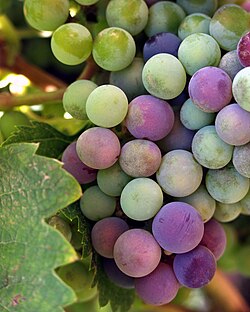
Key Facts
- 歴史的起源: 最古のワイン生産は紀元前6000〜5000年頃のジョージアやイランに遡る。
- アルコール生成: 糖分1gから約0.5gのアルコールが生成されるため、12%のアルコール度数には約24%の糖分が必要。
- 温度管理: 発酵温度は赤ワインで22〜25℃、白ワインで15〜18℃が一般的。
- 保存剤: 二酸化硫黄(SO2)が抗菌および抗酸化剤として広く利用されている。
- 熟成期間: 数ヶ月のボジョレー・ヌーヴォーから、20年以上の長期熟成まで多岐にわたる。
ブドウの収穫と前処理
ワインの品質は収穫段階から決まります。高品質なブドウを得るため、夜間に手作業で収穫を行う手法などが採用されています。
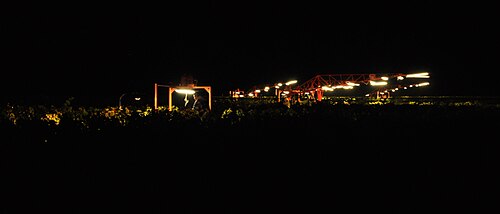
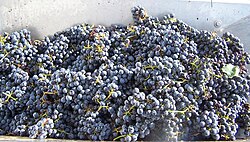
収穫後、多くの赤ワインでは「除梗(じょこう)」という工程が行われます。これは機械を用いてブドウの果実を茎(果梗)から分離させる作業です。適量の果梗成分を残すことで、ワインにタンニン構造(渋みと骨格)を与えることができます。
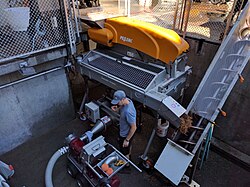
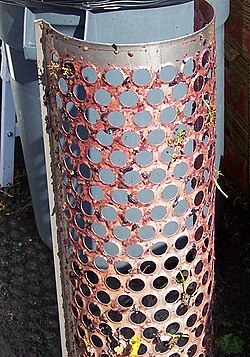
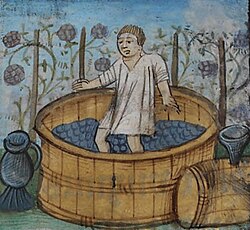
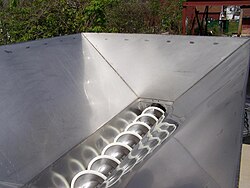
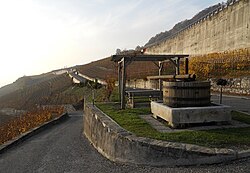
その後、ブドウは破砕されます。古代では樽や穴の中で足踏みして潰していましたが、現代ではスクリュー状の供給装置を備えた破砕機が主流です。
一次発酵と圧搾のメカニズム
破砕されたブドウ(マスト)に含まれる糖分を酵母が分解し、二酸化炭素とアルコールを生成するのが一次発酵です。糖度が不足している場合に糖分を添加することをシャプタリゼーションと呼びますが、これは地域によって規制されています。
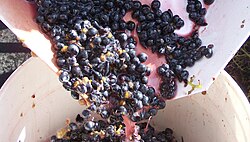
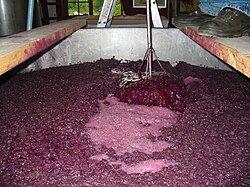
白ワインの場合、タンニンの抽出を避けるため、除梗や破砕をせずに直接プレス機にかけることが一般的です。ただし、風味やタンニンを抽出するために短時間(3〜24時間)だけ果皮と接触させる手法もあります。一方、赤ワインでは発酵中に果皮が表面に浮き上がり、「キャップ」と呼ばれる層を形成します。
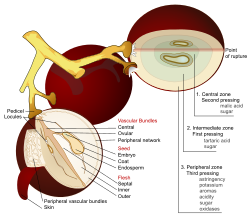
圧搾(プレス)は、果汁を果皮や種から分離させる工程です。自然に流れ出す「フリーランジュース」は高品質ですが、プレスして得られるジュースはフェノール化合物が増え、ハーブのような風味が強くなる傾向があります。それでも、生産量を最大化するためにプレスは不可欠な工程です。
熟成と二次発酵(マロラクティック発酵)
多くのワインは、一次発酵の後にマロラクティック発酵という二次的なプロセスを経ます。これは、刺激の強いリンゴ酸を、よりまろやかな乳酸に変換する反応です。これにより酸味が抑えられ、口当たりが柔らかくなります。この際、pH値が上がりすぎないよう(白は3.55、赤は3.80以下)厳格に管理されます。
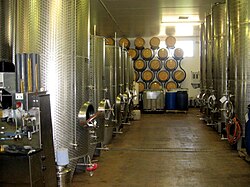
熟成には、ステンレス製タンクやオーク樽が使用されます。樽熟成はワインに複雑味を与えます。
品質管理と保存処理
醸造過程では、屈折計や比重計を用いて糖度(Brixなど)を測定し、最終的なアルコール度数を予測します。また、酸化や細菌汚染を防ぐために二酸化硫黄(SO2)が添加されます。白ワインでは発酵前後、赤ワインでは色調安定化のためやマロラクティック発酵後に調整されます。
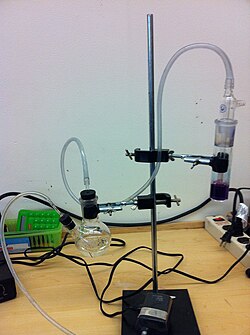
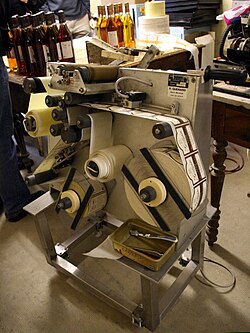
最終段階として、不純物を取り除く「清澄化」と、酵母や細菌を除去する「ろ過」が行われます。ろ過の精度(0.45〜0.65マイクロメートル)を高めることで、微生物学的な安定性が確保されます。その後、ラベル貼りなどの工程を経て出荷されます。
世界のワイン生産状況
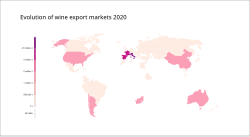
ワイン生産は世界中で行われており、特にヨーロッパ諸国が大きなシェアを占めています。イタリアやフランスは伝統的に世界最大級の生産量を誇ります。
| 国名 | 2010年 | 2014年 | 2018年 |
|---|---|---|---|
| イタリア | 48,525 | 44,739 | 48,500 |
| フランス | 44,381 | 46,698 | 46,400 |
| スペイン | 35,353 | 41,620 | 40,900 |
| アメリカ | 20,887 | 22,300 | 23,900 |
| アルゼンチン | 16,250 | 15,197 | 14,500 |
Frequently Asked Questions
白ワインと赤ワインで醸造工程にどのような違いがありますか?
最大の違いは果皮の扱い方です。赤ワインは果皮と一緒に発酵させて色とタンニンを抽出しますが、白ワインは通常、発酵前に圧搾して果汁のみを分離させます。また、発酵温度も赤ワインの方が高く設定されます。
マロラクティック発酵を行う目的は何ですか?
鋭い酸味を持つリンゴ酸を、より穏やかな乳酸に変換するためです。これにより、ワインの酸味がまろやかになり、味わいのバランスが向上します。
二酸化硫黄(SO2)はなぜ添加されるのですか?
主に2つの役割があります。一つは雑菌の繁殖を抑える抗菌作用、もう一つは酸素による劣化を防ぐ抗酸化作用です。これにより、ワインの品質を安定させ、保存性を高めることができます。
「フリーランジュース」とは何ですか?
ブドウを破砕した際に、圧力をかけなくても自然に流れ出してくる果汁のことです。一般的に、プレス機で強制的に抽出したジュースよりも品質が高く、雑味が少ないとされています。
ワインの糖度はどのように測定されますか?
主に屈折計を用いてBrix(ブリックス)という単位で測定されます。これは溶液中の可溶性固形分(主に糖分)の割合を示すもので、最終的なアルコール度数を決定する重要な指標となります。
References
- "Food & Beverage Service Management" (PDF).
- "Wine Making Process: How to Make Wine". The International Wine of the Month Club. Retrieved 2018-07-16.
- Jancis Robinson (2003). Wine Course, A guide to the world of wine. BBC worldwide Ltd. p. 39.
- Zoecklein, Bruce. "A Review of Methode Champenoise Production" (PDF). Virginia Tech. Virginia Cooperative Extension.
- Pambianchi, Daniel. "Force-Carbonating Wine to Sparkle: Counter pressure bottle method". WineMaker. Winemaker Magazine.
- Sadler, Chris (17 November 2017). "I Tried a Bottle of the New Synthetic Wine". . Retrieved 18 November 2017.
- Martínez Salgueiro, Andrea (2019-12-01). "Weather index-based insurance as a meteorological risk management alternative in viticulture". Wine Economics and Policy. 8 (2): 114–126. :10.1016/j.wep.2019.07.002. :10419/284479. 2212-9774.
- Lobell, David B.; Cahill, Kimberly Nicholas; Field, Christopher B. (2007-03-01). "Historical effects of temperature and precipitation on California crop yields". Climatic Change. 81 (2): 187–203. :2007ClCh...81..187L. :10.1007/s10584-006-9141-3. 1573-1480. 154659688.
- Chevet, Jean-Michel; Lecocq, Sébastien; Visser, Michael (2011-05-01). "Climate, Grapevine Phenology, Wine Production, and Prices: Pauillac (1800–2009)". American Economic Review. 101 (3): 142–146. :10.1257/aer.101.3.142. 0002-8282.
- Lorenzo, M. N.; Taboada, J. J.; Lorenzo, J. F.; Ramos, A. M. (2013-08-01). "Influence of climate on grape production and wine quality in the Rías Baixas, north-western Spain". Regional Environmental Change. 13 (4): 887–896. :2013REnvC..13..887L. :10.1007/s10113-012-0387-1. 1436-378X. 153748415.
📸 フォトギャラリー