Location of Nicanahuac, the Indigenous name for Gran Nicoya [es], an area in western Nicaragua and northwestern Costa Rica inhabited by the Nahuas
← ホームへ戻る

ニカラグアの歴史と文化湖と火山の国を紐解く

🗓 2026年8月12日

中央アメリカに位置するニカラグアは、「湖と火山の国」として知られる情熱的な国です。太平洋とカリブ海に挟まれたこの地は、豊かな自然環境と、激動の政治史、そして多様な民族が織りなす独自の文化を持っています。本記事では、古代の足跡から現代の社会情勢まで、ニカラグアの多面的な魅力を詳しく解説します。

主要な事実(Key Facts)

  • 首都: マナグア(最大都市)
  • 公用語: スペイン語(地域的に英語、ミスキート語なども使用)
  • 主要産業: コーヒーなどの農業輸出
  • 地理的特徴: 巨大な湖と活火山が点在する地形
  • 民族構成: メスティーソ(混血)が約69%を占める
  • 政治体制: 社会主義共和国(現在は権威主義的な体制下にある)

地理と自然環境:ダイナミックな地形

ニカラグアの地形は、大きく分けて太平洋側の低地、中央北部の高地、そしてカリブ海側の低地の3つの地域に分類されます。特に東部のカリブ海沿岸地域は、国土面積の57%を占めていますが、人口密度は低く、独自の文化圏を形成しています。
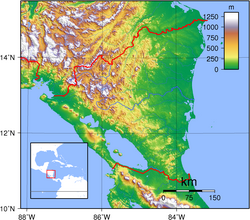
Topographic map

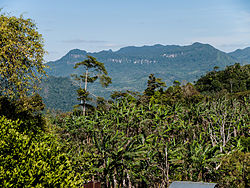
気候はケッペンの気候区分に基づいた熱帯的な特性を持っており、豊かな生物多様性を誇ります。特にボサワス生物圏保存地域にあるペニャス・ブランカスは、アマゾンに次ぐ西半球で2番目に大きな熱帯雨林として知られています。
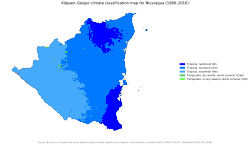
A Köppen climate classification map of Nicaragua

Peñas Blancas, part of the Bosawás Biosphere Reserve and located northeast of Jinotega in northeastern Nicaragua, is the second-largest rainforest in the Western Hemisphere after the Amazonian Rainforest in Brazil.

また、国名にふさわしく、巨大な湖や火山が景観を決定づけています。コンセプシオン火山などの雄大な山々や、自然保護区であるアポヨ湖、そして多様な鳥類が生息するソレンティナメ諸島など、エコツーリズムの拠点となる自然が豊富です。
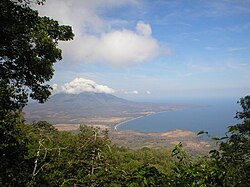
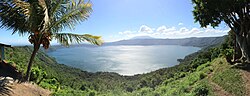
Nicaragua is known as "the land of lakes and volcanoes"; pictured is Concepción volcano, seen from Maderas volcano.

Apoyo Lagoon Natural Reserve, a nature reserve located between the departments of Masaya and Granada

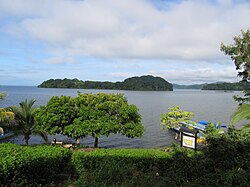
The Solentiname Islands, tropical islands in Lake Nicaragua, which are home to 76 bird species and are a growing ecotourism destination

北部のソモト・キャニオン国立記念物のような険しい地形や、国鳥であるグアルダブランコ(ravine-guard)などの固有種が、この地の自然の豊かさを象徴しています。
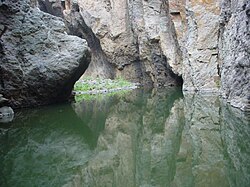
The Somoto Canyon National Monument in Somoto in the Madriz Department in northern Nicaragua

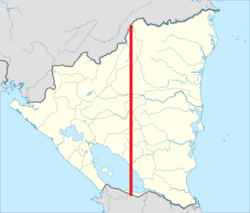
The dividing line between the Caribbean lowlands and the rest of Nicaragua. The three regions in the east make up 57% of the land area but only 15% of the population (Río San Juan, North Caribbean Coast and South Caribbean Coast Autonomous Region).

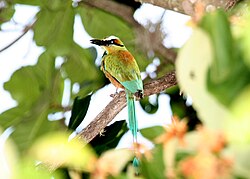
Guardabarranco ("ravine-guard") is Nicaragua's national bird.

歴史の変遷:先住民から現代まで

先コロンブス期と植民地時代

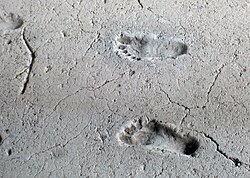
スペイン人が到来する前、この地にはナワ族などの先住民が住んでいました。ニカナワク(現在のニカラグア西部からコスタリカ北西部)と呼ばれる地域を中心に、独自の社会が築かれていました。マナグア湖付近では、約2,100年前の火山泥に保存された人類の足跡「アカワリンカの足跡」が発見されており、古くから人が居住していたことが証明されています。

Location of Nicanahuac, the Indigenous name for Gran Nicoya [es], an area in western Nicaragua and northwestern Costa Rica inhabited by the Nahuas

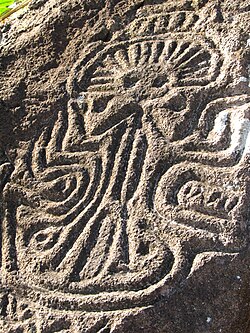
An ancient petroglyph on Ometepe Island

2,100-year-old human footprints, called "Huellas de Acahualinca" and preserved in volcanic mud near Lake Managua

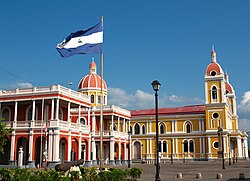
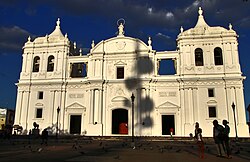
16世紀に入るとスペインの植民地となり、レオンやグラナダといった植民地都市が建設されました。これらの都市は現在もその面影を残しており、特にレオン大聖堂は世界遺産に登録されています。
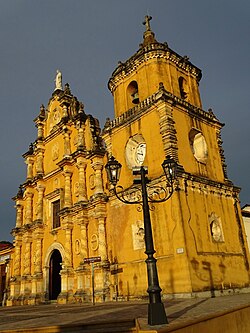
The Colonial city of León

The colonial city of Granada near Lake Nicaragua, one of the most visited sites in Central America

León Cathedral, one of Nicaragua's World Heritage Sites

独立と激動の20世紀

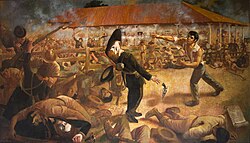
1821年にスペインから独立した後、メキシコ帝国や中央アメリカ連邦共和国を経て、1838年に完全な独立を果たしました。その後、19世紀半ばにはフィリバスター戦争などの紛争を経験し、20世紀初頭にはアメリカによる軍事占領(1909年〜1933年)という困難な時期を迎えました。
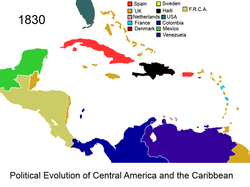
The Mosquito Coast in 1830

A portrait of the Battle of San Jacinto during the Filibuster War

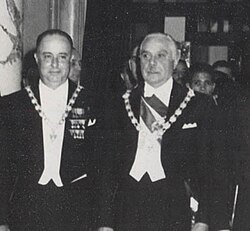
1936年からはソモサ家による独裁体制が長く続き、国民の不満が高まりました。これに対抗して、アウグスト・セサル・サンディーノ率いる抵抗運動が展開され、後のサンディニスタ革命の精神的支柱となりました。
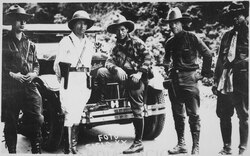
Rebel leader Augusto César Sandino (center) in June 1929

President Anastasio Somoza García (left) with Dominican President Rafael Trujillo in 1952

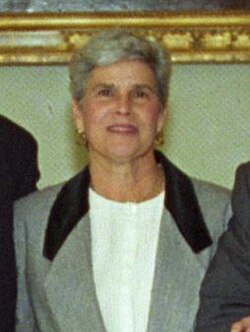
1979年の革命によりソモサ政権は崩壊しましたが、その後は反政府勢力「コントラ」との激しい内戦に突入します。1990年には、アメリカ大陸で初めて民主的に選出された女性大統領、ビオレタ・チャモロが就任し、戦後の復興へと歩み出しました。
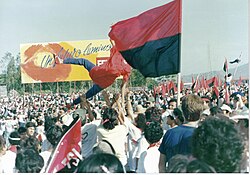
Celebrations of the 10th anniversary of the Nicaraguan Revolution in Managua in 1989

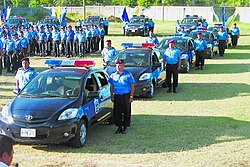
National Police of Nicaragua

A group of Contras in the former Zelaya Department on Nicaragua's west coast on the Caribbean Sea. Women commonly joined the Contras as combatants.[113]

In 1990, after the Contra war, Violeta Chamorro became the first woman president democratically elected in the history of the Americas.

現代の政治情勢

近年では、ダニエル・オルテガ大統領とロサリオ・ムリリョ副大統領による体制が続いていますが、2018年以降、政府に対する大規模な抗議デモが発生するなど、政治的な緊張状態にあります。
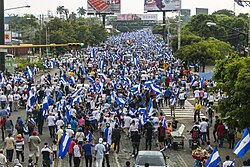
Nicaraguan protests in May 2018

社会と文化:多様性の融合

民族と言語

ニカラグアの人口の約69%は、白人、先住民、黒人の混血であるメスティーソです。また、カリブ海沿岸ではミスキート族などの先住民が独自の文化を維持しており、スペイン語以外に英語やミスキート語、ラマ語などが地域的に使用されています。
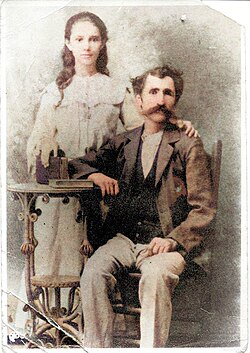
Italian immigrant family in Nicaragua (1904)

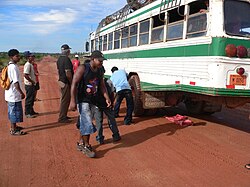
Miskito people changing a bus tire between Bilwi and Krukira, Nicaragua

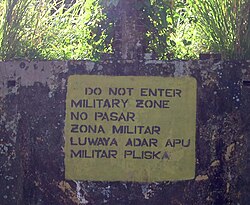
A sign in Bluefields in English (top), Nicaraguan Spanish (middle), and Miskito (bottom)

芸術と伝統

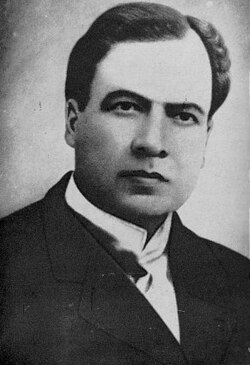
文学においては、近代主義(モデルニズモ)の創始者であるルベン・ダリオが世界的な名声を博しました。また、音楽、ダンス、演劇を融合させた伝統劇「エル・ゲゲンス」は、植民地時代の精神を象徴する傑作として親しまれています。伝統衣装であるメスティサヘのドレスは、先住民の影響を色濃く反映しています。
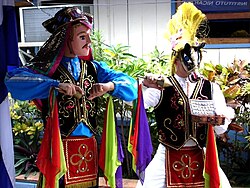
El Güegüense, a drama, was the first literary work of post-Columbian Nicaragua and is regarded as one of Latin America's most distinctive colonial-era expressions and as Nicaragua's signature folkloric masterpiece combining music, dance, and theater.

Nicaraguan women wearing the Mestizaje costume, which is a traditional costume worn to dance the Mestizaje dance. The costume demonstrates the indigenous influence upon Nicaraguan clothing.[298]

Rubén Darío, founder of Latin America's modernismo literary movement

食文化とスポーツ

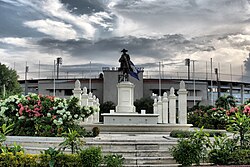
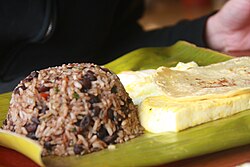
食生活の中心は、米と豆を混ぜて炊いた「ガジョ・ピント」や、茹でたユカと豚肉(チチャロン)にキャベツサラダを添えた「ビゴロン」などの伝統料理です。スポーツ面では野球が盛んで、デニス・マルティネス国立スタジアムが主要な拠点となっています。
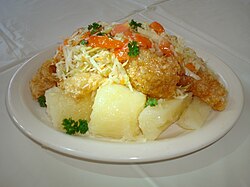
Vigorón, a Nicaraguan dish served with boiled yuca and chicharrones (fried pork with skin) and topped with a cabbage salad

Gallo pinto, a traditional Nicaraguan dish made with rice and beans

Dennis Martínez National Stadium, Nicaragua's main outdoor stadium

経済と産業:農業から観光まで

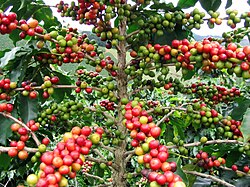
ニカラグアの経済は農業に大きく依存しており、特にコーヒーは世界的に輸出される主要産品です。ヒノテガやマタガルパなどの地域で栽培され、スターバックスやネスレなどの世界的企業にも供給されています。
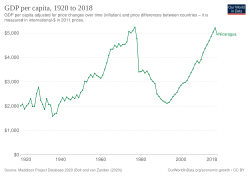
Nicaraguan GDP per capita, 1920 to 2018

Coffee is one of the Nicaragua's largest exports. It is grown in Jinotega, Esteli, Nueva Segovia, Matagalpa, and Madriz, and exported worldwide through North America, Latin America, Europe, Asia, and Australia. Nestlé and Starbucks buy Nicaraguan coffee.

また、観光業も重要な収入源となっており、サン・フアン・デル・スルなどのビーチリゾートにはクルーズ船が寄港し、多くの観光客を惹きつけています。
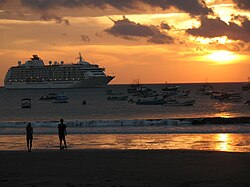
A Royal Caribbean cruise ship docked near the beach at San Juan del Sur in southern Nicaragua

行政区画と人口分布

国内は15の県(デパルタメント)と2つの自治区(RACCN, RACCS)に分かれています。最大都市のマナグアに人口が集中しており、次いでレオンやマサヤなどの都市が続いています。
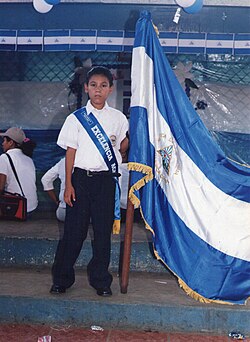
Primary school student in Nicaragua holding the national flag

ニカラグアの主要都市と人口(2016年予測)
順位 都市名 所属県 人口
1 マナグア マナグア 1,042,641
2 レオン レオン 206,264
3 マサヤ マサヤ 176,344
4 マタガルパ マタガルパ 158,095
5 ティピタパ マナグア 140,569

自然災害への脆弱性も抱えており、1998年のハリケーン・ミッチによるマナグア湖の氾濫など、気候変動への対策が急務となっています。
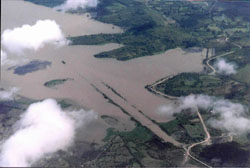
Flooding in Lake Managua after Hurricane Mitch in 1998

Frequently Asked Questions

ニカラグアの主要な輸出製品は何ですか?

コーヒーが最大の輸出製品の一つであり、ヒノテガやマタガルパなどの地域で生産され、北米、欧州、アジア、オーストラリアなど世界中に輸出されています。

ニカラグアの民族構成はどうなっていますか?

人口の約69%が白人、先住民、黒人の混血であるメスティーソで、次いで白人が17%、黒人が9%、先住民が5%という構成になっています。

「エル・ゲゲンス」とは何ですか?

音楽、ダンス、演劇を組み合わせたニカラグアを代表する伝統的な劇作品であり、植民地時代の文化表現としてラテンアメリカでも非常にユニークな作品とされています。

ニカラグアの地理的な特徴は?

「湖と火山の国」と呼ばれる通り、巨大な湖と多くの活火山が存在します。また、西半球で2番目に大きい熱帯雨林であるボサワス生物圏保存地域などの豊かな自然を有しています。

公用語以外に話されている言語はありますか?

公用語はスペイン語ですが、カリブ海沿岸の自治区などでは、英語、ミスキート語、ラマ語、スモ語、およびそれらのクレオール語が地域的に認められ、使用されています。

References

  1. As shown on the (bank notes and coins)
  2. lit. 'Red and black' in , short for bandera rojinegra (i.e. 'red and black flag'). Used by and later the , official since 2025.
  3. Since 2025, Nicaragua is defined by the constitution as a revolutionary, socialist state based on Christian values, socialist ideals, and solidary practices. This has been attested by multiple sources.
  4. Nicaragua's government has been described as totalitarian or authoritarian by multiple sources.
  5. English:
    Spanish:
  6. : República de Nicaragua

📸 フォトギャラリー

Location of Nicanahuac, the Indigenous name for Gran Nicoya [es], an area in western Nicaragua and northwestern Costa Rica inhabited by the Nahuas
An ancient petroglyph on Ometepe Island
The Colonial city of León
The colonial city of Granada near Lake Nicaragua, one of the most visited sites in Central America
The Mosquito Coast in 1830
A portrait of the Battle of San Jacinto during the Filibuster War
Rebel leader Augusto César Sandino (center) in June 1929
President Anastasio Somoza García (left) with Dominican President Rafael Trujillo in 1952
Celebrations of the 10th anniversary of the Nicaraguan Revolution in Managua in 1989
A group of Contras in the former Zelaya Department on Nicaragua's west coast on the Caribbean Sea. Women commonly joined the Contras as combatants.[113]
In 1990, after the Contra war, Violeta Chamorro became the first woman president democratically elected in the history of the Americas.
Flooding in Lake Managua after Hurricane Mitch in 1998
Nicaraguan protests in May 2018
Topographic map
A Köppen climate classification map of Nicaragua
Nicaragua is known as "the land of lakes and volcanoes"; pictured is Concepción volcano, seen from Maderas volcano.
Peñas Blancas, part of the Bosawás Biosphere Reserve and located northeast of Jinotega in northeastern Nicaragua, is the second-largest rainforest in the Western Hemisphere after the Amazonian Rainforest in Brazil.
The Somoto Canyon National Monument in Somoto in the Madriz Department in northern Nicaragua
The dividing line between the Caribbean lowlands and the rest of Nicaragua. The three regions in the east make up 57% of the land area but only 15% of the population (Río San Juan, North Caribbean Coast and South Caribbean Coast Autonomous Region).
Guardabarranco ("ravine-guard") is Nicaragua's national bird.
National Police of Nicaragua
Nicaraguan GDP per capita, 1920 to 2018
Coffee is one of the Nicaragua's largest exports. It is grown in Jinotega, Esteli, Nueva Segovia, Matagalpa, and Madriz, and exported worldwide through North America, Latin America, Europe, Asia, and Australia. Nestlé and Starbucks buy Nicaraguan coffee.
A Royal Caribbean cruise ship docked near the beach at San Juan del Sur in southern Nicaragua
2,100-year-old human footprints, called "Huellas de Acahualinca" and preserved in volcanic mud near Lake Managua
Apoyo Lagoon Natural Reserve, a nature reserve located between the departments of Masaya and Granada
The Solentiname Islands, tropical islands in Lake Nicaragua, which are home to 76 bird species and are a growing ecotourism destination
Italian immigrant family in Nicaragua (1904)
Miskito people changing a bus tire between Bilwi and Krukira, Nicaragua
A sign in Bluefields in English (top), Nicaraguan Spanish (middle), and Miskito (bottom)
León Cathedral, one of Nicaragua's World Heritage Sites
Primary school student in Nicaragua holding the national flag
El Güegüense, a drama, was the first literary work of post-Columbian Nicaragua and is regarded as one of Latin America's most distinctive colonial-era expressions and as Nicaragua's signature folkloric masterpiece combining music, dance, and theater.
Nicaraguan women wearing the Mestizaje costume, which is a traditional costume worn to dance the Mestizaje dance. The costume demonstrates the indigenous influence upon Nicaraguan clothing.[298]
Rubén Darío, founder of Latin America's modernismo literary movement
Vigorón, a Nicaraguan dish served with boiled yuca and chicharrones (fried pork with skin) and topped with a cabbage salad
Gallo pinto, a traditional Nicaraguan dish made with rice and beans
Dennis Martínez National Stadium, Nicaragua's main outdoor stadium