Maya city of Tikal
← ホームへ戻る

グアテマラ共和国マヤ文明の遺産と激動の歴史を持つ中米の国

🗓 2026年8月10日

中米の北部に位置するグアテマラは、古代マヤ文明の栄華とスペイン植民地時代の記憶、そして現代へと続く政治的変遷が交錯する魅力的な国です。豊かな生物多様性と険しい山岳地帯、そして多様な民族文化が共存しており、ラテンアメリカの中でも独自のアイデンティティを保持しています。
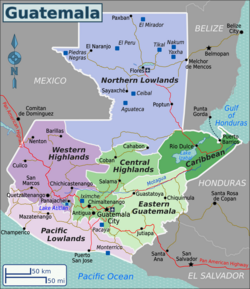
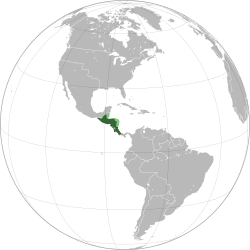
A map of Guatemala

主要な事実(Key Facts)

  • 首都:グアテマラシティ(中米最大の都市圏)
  • 公用語:スペイン語(国語としてマヤ諸語、地域語としてガリフナ語などを認定)
  • 主要民族:ラディーノ(混血)約56%、マヤ系約42%
  • 通貨:ケツァル (GTQ)
  • 政治体制:単一国家の大統領制共和国
  • 主要産業:コーヒー、カルダモンなどの農業および観光業

地理と自然環境

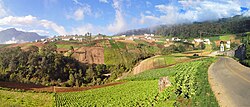
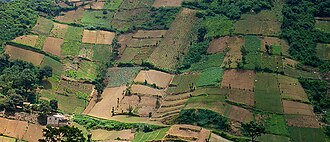
グアテマラは多様な気候帯に分かれており、高地の冷涼な地域から低地の熱帯雨林まで、劇的な景観の変化が見られます。特にケツァルテナンゴなどの高地は農業に適しており、美しい田園風景が広がっています。
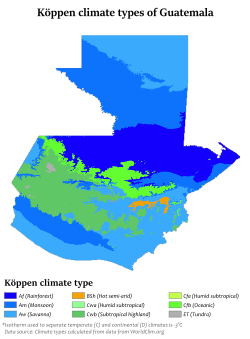
Köppen climate types of Guatemala

The highlands of Quetzaltenango

Fields in Quetzaltenango

また、火山活動が活発な地域であり、火口内に形成された町など、火山と共に生きる独特の居住形態も見られます。豊かな生物多様性は世界的に高く評価されており、多くの生物圏保存地域が設定されています。
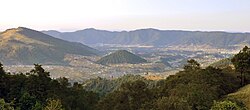
A town along the Pan-American Highway within a volcanic crater

歴史的変遷:古代から現代まで

先コロンブス期とスペインの征服

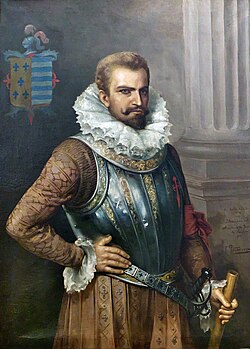
かつてこの地はマヤ文明の中心地であり、ティカルのような巨大都市が繁栄しました。しかし、16世紀にペドロ・デ・アルバラド率いるスペイン軍が侵攻し、植民地時代へと移行しました。
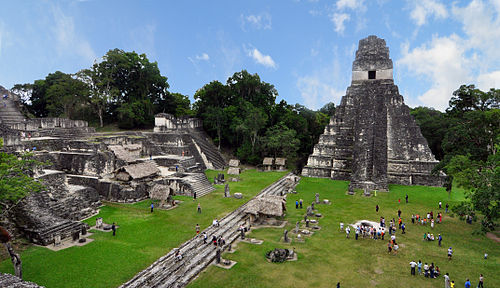
Maya city of Tikal

Painting of a bearded man in early 16th-century attire including prominent ruff collar, wearing a decorative breastplate, with his right hand resting on his hip and his left hand grasping a cane, or riding crop.

独立と共和国への道

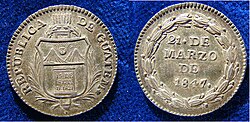
1821年にスペイン帝国から独立を宣言した後、一時的にメキシコ帝国や中米連邦共和国に属しましたが、1839年には完全に独立した共和国としての道を歩み始めました。
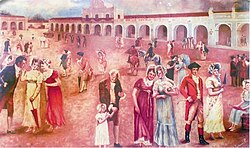
Guatemalan whites after the declaration of independence on 15 September 1821.

The Federal Republic of Central America (1823–1838) with its capital in Guatemala City

Proclamation Coin 1847 of the independent Republic of Guatemala

独裁政権と内戦の時代

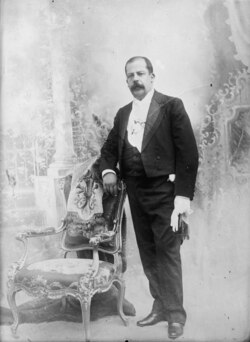
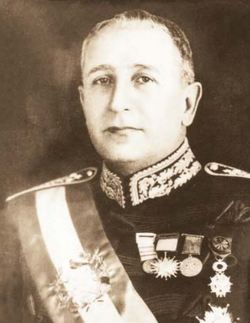
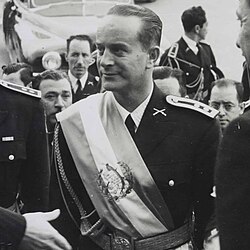
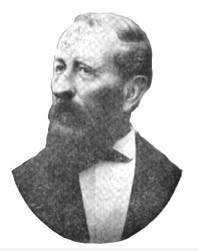
19世紀半ばのラファエル・カレラによる終身大統領就任に始まり、その後のビセンテ・セルナ、マヌエル・エストラーダ・カブレラ、ホルヘ・ウビコといった強力な指導者による統治が続きました。20世紀半ばには「10年の春」と呼ばれる革命期がありましたが、1954年のクーデターを経て、1996年まで続く凄惨な内戦へと突入しました。
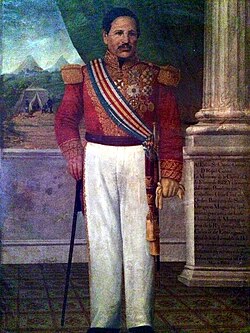
Rafael Carrera after becoming president for life in 1854

Vicente Cerna y Cerna was the president of Guatemala from 1865 to 1871.

Manuel Estrada Cabrera governed Guatemala between 1898 and 1920.

Jorge Ubico in 1931

Jacobo Árbenz, president 1950-1954

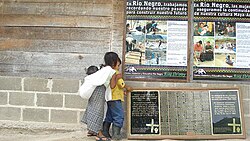
Memorial to the victims of the Río Negro massacres

現代の政治状況

内戦終結後、民主化への努力が続いています。近年では汚職問題などの課題もありましたが、2024年にはベルナルド・アレバロ大統領が就任し、新たな政治的局面を迎えています。
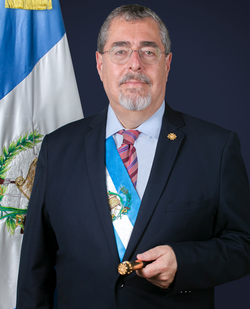
Bernardo Arévalo, president of Guatemala

社会と文化

民族と言語の多様性

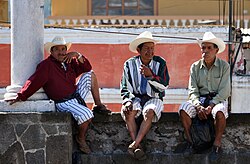
グアテマラ社会は、スペイン系と先住民の混血であるラディーノと、伝統を保持し続けるマヤ系の人々を中心に構成されています。特にマヤ系の人々は、独自の言語や伝統的な衣装を大切にしており、チチカステナンゴなどの市場ではその色彩豊かな文化を体感できます。
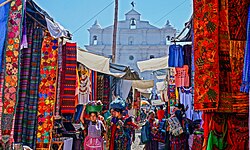
An outdoor market in Chichicastenango, 2018

Tz'utujil men in Santiago Atitlán

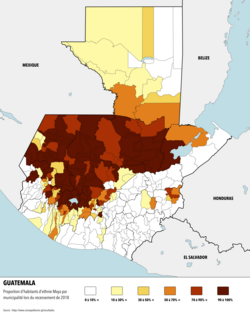
Percentage of people who identify as Mayan, by municipality (2018)

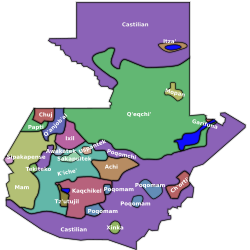
Language map of Guatemala. The "Castilian" areas represent Spanish.

宗教と教育

キリスト教が信仰の主流であり、カトリックに加えプロテスタント(福音派)の比率が非常に高いのが特徴です。教育面では、アメリカ大陸で4番目に古い歴史を持つサン・カルロス大学が知的中心地としての役割を担っています。
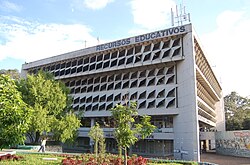
Library of the University of San Carlos, fourth university founded in the Americas

芸術とライフスタイル

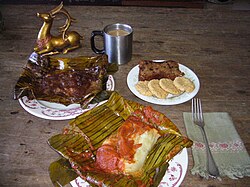
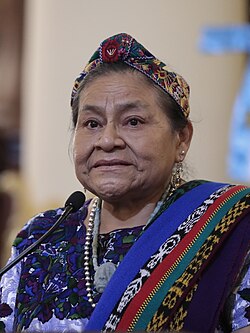
伝統的な舞踊や、リゴベルタ・メンチューのようなノーベル平和賞受賞者が象徴する人権活動、そしてラテンアメリカ全域で人気の歌手リカルド・アルホナなど、多彩な才能を輩出しています。食文化では、赤や黒のタマレス(トウモロコシの蒸し料理)が親しまれています。
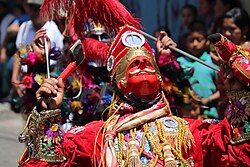
Traditional dance of the conquest

Human rights activist, author, and Nobel Peace Prize laureate, Rigoberta Menchú

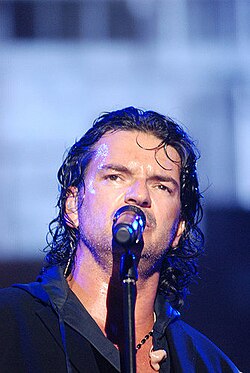
Ricardo Arjona, a singer with a long career. His music is well known in Latin America.

Black and red tamales in Guatemala

経済と都市

経済は農業が基盤となっており、特にコーヒーやカルダモンの輸出が重要です。一方で、所得格差(ジニ係数 45.2)という構造的な課題を抱えています。
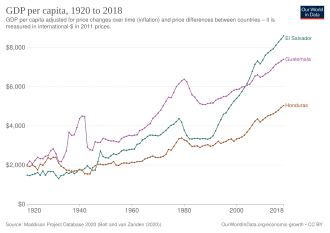
Historical GDP per capita development of El Salvador, Guatemala and Honduras

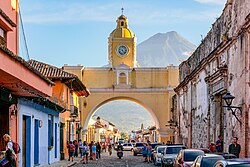
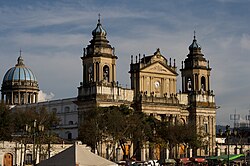
首都のグアテマラシティは、政治・経済の心臓部として機能しており、大聖堂や国立宮殿などの歴史的建造物が立ち並んでいます。また、世界遺産に登録されているアンティグア・グアテマラは、植民地時代の面影を残す観光名所として知られています。
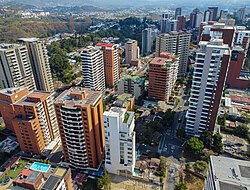
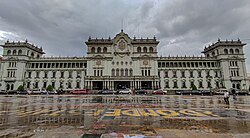
Guatemala City is the capital and largest city of Guatemala and the most populous urban area in Central America.

The National Palace, former residence of the president, now used for important acts by the executive branch

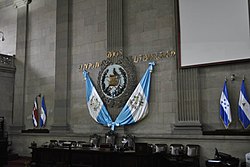
The interior of the Congress

The colonial city of Antigua Guatemala, a UNESCO World Heritage Site

The Catedral Metropolitana, Guatemala City

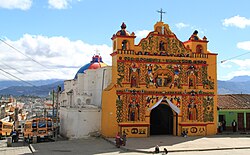
A colonial church in San Andrés Xecul

スポーツ面ではサッカーが絶大な人気を誇り、ドロテオ・グアムチ・フローレス国立競技場がその象徴となっています。
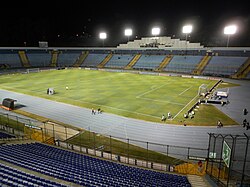
Estadio Doroteo Guamuch Flores in Guatemala City

Flag of Guatemala

国別データまとめ

項目 詳細
総面積 108,889 km²
推定人口 (2025年) 約1,863万人
名目GDP (2025年推定) 1,209.64億ドル
人間開発指数 (HDI 2023) 0.662 (中位)
主要都市 グアテマラシティ, ミスコ, ビジャ・ヌエバ

Frequently Asked Questions

グアテマラの主な民族構成はどうなっていますか?

主にラディーノ(スペイン系と先住民の混血)が約56%、マヤ系先住民が約42%を占めており、その他にシンカ系や黒人、ガリフナ系の人々が暮らしています。

公用語以外にどのような言語が話されていますか?

公用語はスペイン語ですが、国語として認定されているマヤ諸語が広く話されており、地域によってはガリフナ語なども使用されています。

歴史的にどのような政治体制を経験してきましたか?

スペインの植民地時代を経て独立し、中米連邦共和国への加入、その後の長期にわたる独裁政権、そして1960年から1996年まで続いた内戦という激動の歴史を経験しています。

観光地としてのおすすめはどこですか?

古代マヤ文明の遺跡があるティカルや、ユネスコ世界遺産に登録されている植民地都市アンティグア・グアテマラ、また伝統文化が色濃く残るチチカステナンゴなどが有名です。

経済の柱となっている産業は何ですか?

伝統的にコーヒーやカルダモンなどの農業輸出が経済を支えており、近年では観光業も重要な外貨獲得手段となっています。

References

  1. English:
       Spanish:
       : Watemaal; and K'iche': Iximulew; : Twitz Paxil
  2. Spanish: República de Guatemala

📸 フォトギャラリー

Maya city of Tikal
Painting of a bearded man in early 16th-century attire including prominent ruff collar, wearing a decorative breastplate, with his right hand resting on his hip and his left hand grasping a cane, or riding crop.
Guatemalan whites after the declaration of independence on 15 September 1821.
The Federal Republic of Central America (1823–1838) with its capital in Guatemala City
Proclamation Coin 1847 of the independent Republic of Guatemala
Rafael Carrera after becoming president for life in 1854
Vicente Cerna y Cerna was the president of Guatemala from 1865 to 1871.
Manuel Estrada Cabrera governed Guatemala between 1898 and 1920.
Jorge Ubico in 1931
Jacobo Árbenz, president 1950-1954
Memorial to the victims of the Río Negro massacres
An outdoor market in Chichicastenango, 2018
Guatemala City is the capital and largest city of Guatemala and the most populous urban area in Central America.
Bernardo Arévalo, president of Guatemala
A map of Guatemala
Köppen climate types of Guatemala
The highlands of Quetzaltenango
A town along the Pan-American Highway within a volcanic crater
The National Palace, former residence of the president, now used for important acts by the executive branch
The interior of the Congress
Historical GDP per capita development of El Salvador, Guatemala and Honduras
Fields in Quetzaltenango
The colonial city of Antigua Guatemala, a UNESCO World Heritage Site
Tz'utujil men in Santiago Atitlán
Percentage of people who identify as Mayan, by municipality (2018)
Language map of Guatemala. The "Castilian" areas represent Spanish.
The Catedral Metropolitana, Guatemala City
A colonial church in San Andrés Xecul
Library of the University of San Carlos, fourth university founded in the Americas
Traditional dance of the conquest
Human rights activist, author, and Nobel Peace Prize laureate, Rigoberta Menchú
Ricardo Arjona, a singer with a long career. His music is well known in Latin America.
Black and red tamales in Guatemala
Estadio Doroteo Guamuch Flores in Guatemala City
Flag of Guatemala