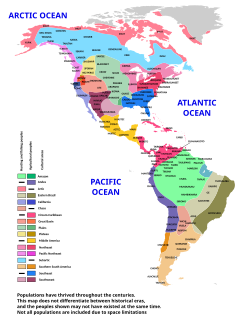
南北アメリカ大陸には、ヨーロッパ人の到達以前から多様な言語、信仰、社会構造を持つ数多くの先住民族が暮らしていました。彼らは過酷な自然環境に適応し、高度な農業技術や天文学、建築術を発展させ、独自の文明を築き上げました。現代においても、彼らは自らのアイデンティティを保持し、文化の継承と権利の回復に向けて歩み続けています。
主要な事実(Key Facts)
- 総人口: 世界全体で6,000万人以上の先住民が居住している。
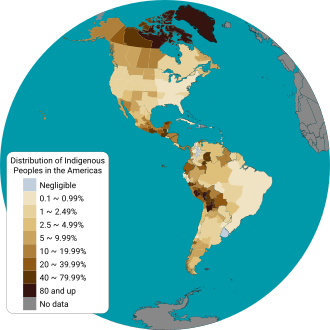
- 分布: メキシコ、ペルー、グアテマラ、ボリビアなどで特に人口比率が高い。
- 起源: 数万年前、ベリンジア(現在のベーリング海峡付近)を経由してアジアから渡ったと考えられている。
- 貢献: トウモロコシ、ジャガイモ、トマトなどの作物を栽培し、世界の食糧供給に多大な影響を与えた。
- 現状: 多くの国で言語の保存や土地の権利、自決権を求める運動が展開されている。
人類の到達と古代文明の形成
アメリカ大陸への人類の流入は、数万年前の出来事です。一般的に「アウト・オブ・アフリカ」理論に基づき、アジア北東部からシベリアを経て、氷河期に陸続きだったベリンジアを渡ったとされています。遺伝学的研究では、北ユーラシアの古人類と北東アジアの集団が混血し、それが先住民のルーツとなったことが示唆されています。
![Map of early human migrations based on the Out of Africa theory; figures are in thousands of years ago (kya).[78]](/images/f6/ec/f6ec7abeb4c896c078ad9baa02483ebc4a86665a6ba4eab9cbee38622c96cc60.webp)
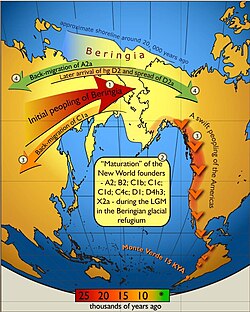
![A map showing the origin of the first wave of humans into the Americas, including the Ancestral Northern Eurasian, which represent a distinct Paleolithic Siberian population, and the Northeast Asians, which are an East Asian-related group. The admixture happened somewhere in Northeast Siberia.[281]](/images/cc/af/ccafcb885606a9a9334a439436069c050199e6327d3b79ac7e61e2b0e660eb90.png)
![Principal component analysis showing the Native American cluster in other Eurasian populations.[282]](/images/c1/df/c1dfc9e347e6ea3f87612ab81d278bc0225989b06c08a99f7eda2f06f4268980.jpg)
![A qpGraph on the formation of Ancient Paleo-Siberians and Native American populations.[311]](/images/48/20/48205b55e23bfc71845dcde41713973de000b31c66d879d93f75198f4392825c.jpg)
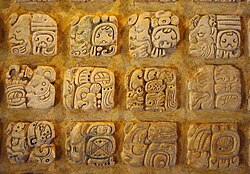
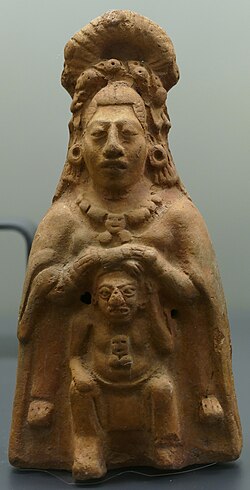
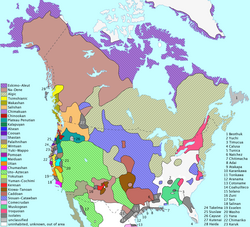
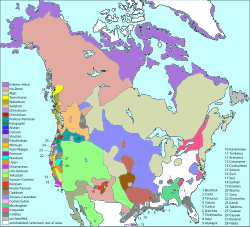
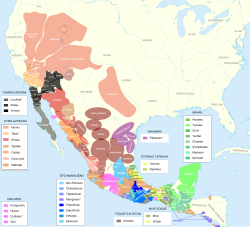
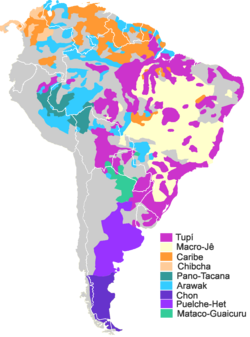
定住が始まると、地域ごとに異なる文化圏が形成されました。北米では多様な言語グループが広がり、中米から南米にかけては、マヤ、アステカ、インカといった巨大な帝国や都市国家が誕生しました。これらの文明は、精巧な文字体系や暦、そして巨大なピラミッドや道路網などの高度なエンジニアリング技術を誇っていました。
自然との共生と農業の革新
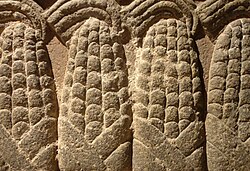
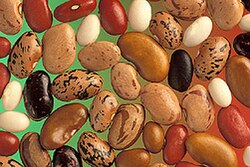
先住民の最大の功績の一つは、野生植物の家畜化(栽培化)です。特にメキシコや中米で開発されたトウモロコシやインゲン豆、トマトなどは、後の世界的な食文化の基盤となりました。また、アンデス地方ではジャガイモの栽培が行われ、厳しい高地環境での生存を可能にしました。
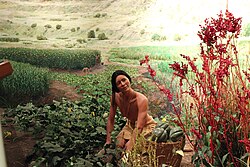
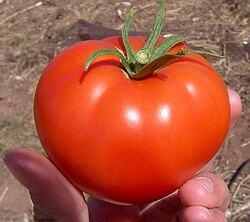
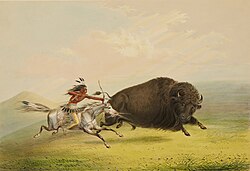
動物の利用においても、北米の平原部ではバイソンが食料や衣類として不可欠な存在であり、南米ではラマやアルパカが輸送や繊維の供給源として活用されていました。
植民地化による衝撃と歴史的トラウマ
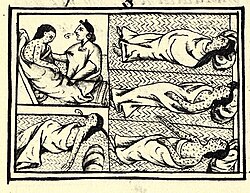
15世紀末からのヨーロッパ人の到達は、先住民社会に壊滅的な打撃を与えました。武力による征服だけでなく、天然痘などの旧世界から持ち込まれた感染症が、免疫を持たない先住民の間で猛威を振るい、人口の激減を招きました。これは単なる人口減少にとどまらず、伝統的な知識や社会構造の喪失という深い歴史的トラウマとなりました。
植民地時代には、強制労働や文化的な同化政策が進められましたが、それでも多くの人々は密かに、あるいは公然と自らの言語や信仰を守り抜きました。
多様な文化と芸術の継承
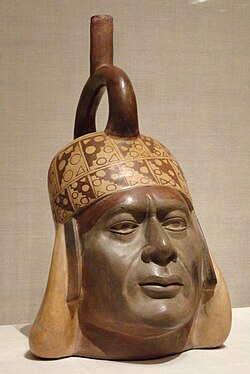
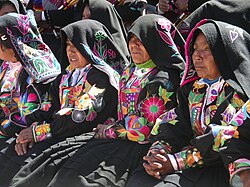
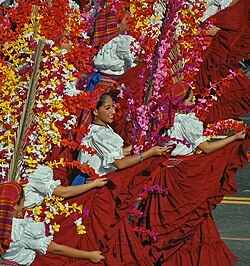
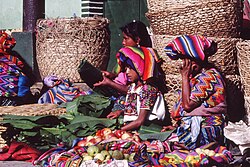
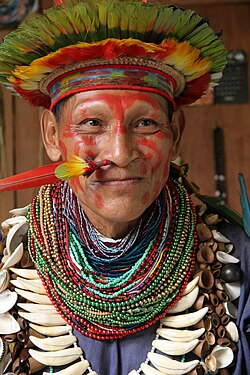
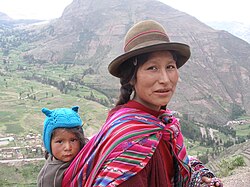
先住民の文化は、地域ごとに極めて多様です。北極圏のイヌイットから、アマゾンの熱帯雨林に住む部族、アンデスのケチュアまで、それぞれの環境に最適化した生活様式を持っています。芸術面では、精巧な織物、陶器、羽毛細工、そして独特の管楽器(パンフルートなど)による音楽が発展しました。
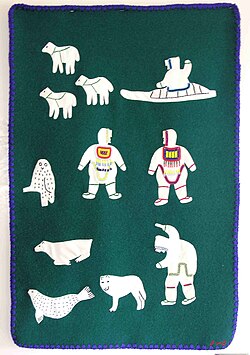
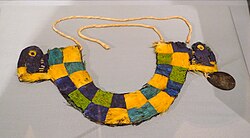
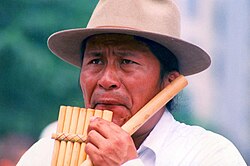
言語においても、北米の多様な語族から南米のケチュア語やアイマラ語まで、数多くの言語が現在も話されており、文化的なアイデンティティの核となっています。
現代における人口分布と社会的地位
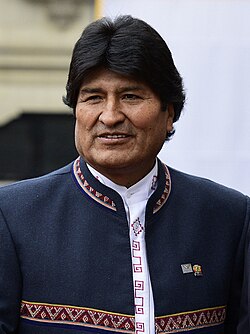
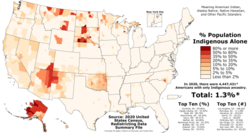
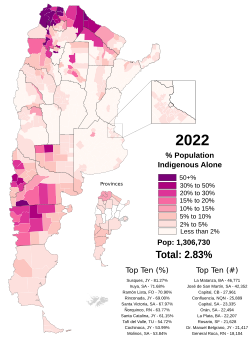
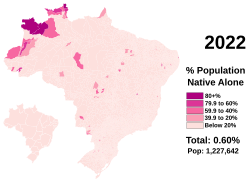
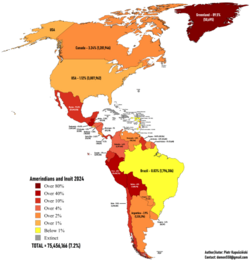
現在、アメリカ大陸の多くの国で先住民の権利回復が進んでいます。特にボリビアでは、アイマラ出身のエボ・モラレス氏が 대통령(大統領)に就任するなど、政治的な影響力を持つ事例も見られます。しかし、依然として土地の権利や差別、環境破壊といった課題に直面しています。
| 国・地域 | 先住民の割合 (%) |
|---|---|
| グリーンランド | 89.5% |
| グアテマラ | 43.43% |
| ボリビア | 37.63% |
| ペルー | 20.74% |
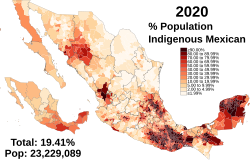
| メキシコ | 19.41% |
| パナマ | 17.17% |
| チリ | 11.46% |
| カナダ | 5.0% |
| アメリカ合衆国 | 1.12% |
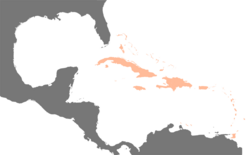
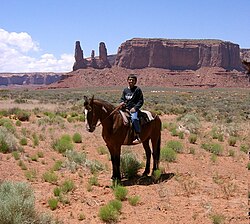
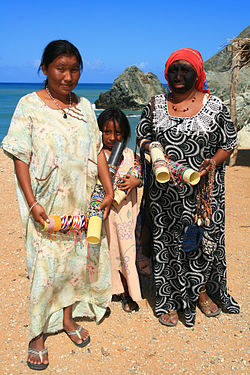
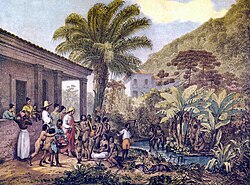
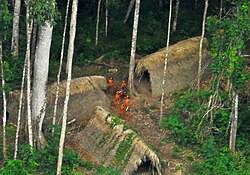
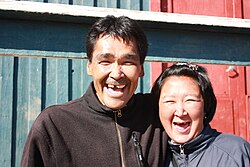
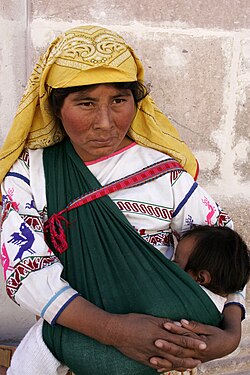
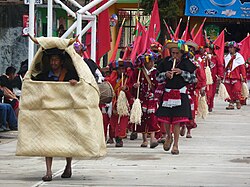
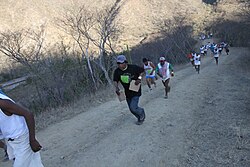
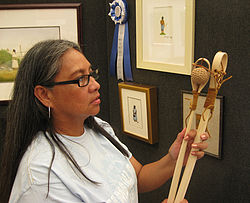
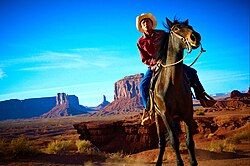
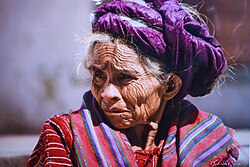
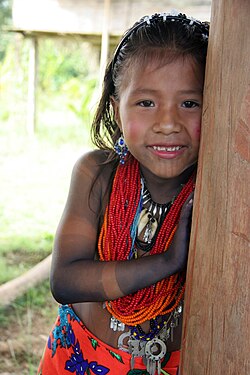
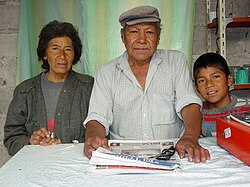
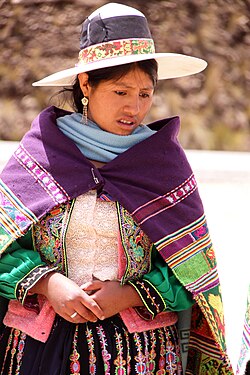
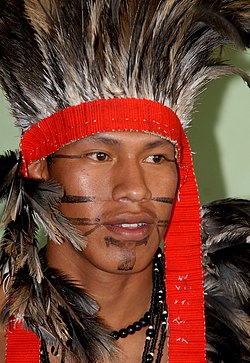
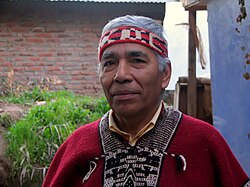
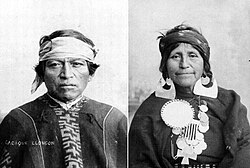
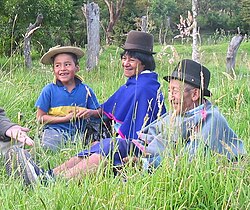
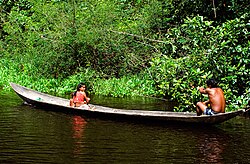
地域別の具体的な生活風景を見ると、メキシコのウィチョル族や、アメリカのナバホ族、ブラジルの未接触部族など、多様な形態で伝統が維持されています。
![A map of Canada showing the percent of self-reported Indigenous identity (First Nations, Inuit, Métis) by census division, according to the 2021 Canadian census[201]](/images/7d/08/7d0813b5d4f083f76f252dffb80cd37e118e930d57e8b6f3e8bdfc23366b461c.webp)
よくある質問(FAQ)
アメリカ先住民はどこから来たのですか?
最新の科学的知見では、数万年前にアジア北東部からシベリアを経て、当時陸続きだったベリンジア(現在のベーリング海峡付近)を通り、北アメリカ大陸へ渡ったと考えられています。
先住民が世界に与えた最大の貢献は何ですか?
農業における革新です。トウモロコシ、ジャガイモ、トマト、インゲン豆などの作物を栽培し、これらが世界中に広まったことで、人類全体の食糧事情が劇的に改善されました。
植民地化によってどのような影響を受けましたか?
ヨーロッパ人が持ち込んだ天然痘などの感染症により人口が激減したほか、土地の没収、強制労働、そして言語や宗教の禁止といった文化的な弾圧を受けました。
現在、先住民の権利はどうなっていますか?
国連の「先住民族の権利に関する宣言」などを通じて、自決権、土地の権利、文化・言語の保存に関する国際的な枠組みが整備されており、多くの国で法的権利の回復が進められています。
今でも伝統的な言語を話す人はいますか?
はい、多く存在します。例えばペルーやボリビアのケチュア語やアイマラ語、メキシコのナワトル語など、数百万人が今も日常的にこれらの言語を使用しています。
References
- "Censo de Población y Vivienda 2020: Presentación de resultados" (PDF) (in Spanish). Instituto Nacional de Estadística y Geografía. p. 49. Archived (PDF) from the original on 24 January 2022. Retrieved 11 October 2024.
Note: Indigenous population was identified as the total population in households where the head of the household, his or her spouse or any of their ascendants declared speaking an Indigenous language
. - "Principales resultados del Censo de Población y Vivienda 2020" (PDF) (in Spanish). Instituto Nacional de Estadística y Geografía. p. 62. Archived (PDF) from the original on 20 April 2024. Retrieved 11 October 2024. It was estimated that 19.4% of the population aged 3 years and older self-identified as Indigenous.
- "Race and Ethnicity in the United States". . 12 August 2021. Archived from the original on 15 August 2021. Retrieved 17 August 2021. First figure corresponding to "American Indian and Alaska Native alone" and second figure to "American Indian and Alaska Native alone or in combination"
- "Población censada con identificación étnica de un pueblo indígena u originario". Instituto Nacional de Estadística e Informática. Archived from the original on 19 July 2026. Retrieved 19 July 2025.
- "Principales Resultados del Censo 2018" [Main Results of the 2018 Census] (PDF) (in Spanish). Instituto Nacional de Estadística. p. 10. Archived (PDF) from the original on 29 April 2021. Retrieved 29 April 2021. Sum of people who identify as Maya (6,207,503) and Xinka (264,167).
- "Autoidentificación con alguna nación pueblo indígena originario campesino y afroboliviano" (in Spanish). Instituto Nacional de Estadística. Archived from the original on 28 October 2025. Retrieved 14 October 2025. Excluding Afro-Bolivians (25,168).
- "Resultados características de la población Censo 2024" (PDF) (in Spanish). Instituto Nacional de Estadísticas. Archived (PDF) from the original on 3 June 2026. Retrieved 25 July 2026. Excluding Rapa Nui (6,659).
- "Población Indígena de Colombia" (PDF) (in Spanish). Departamento Administrativo Nacional de Estadística. Archived (PDF) from the original on 18 September 2020. Retrieved 1 May 2021.
- "Indigenous identity by Registered or Treaty Indian status: Canada, provinces and territories, census metropolitan areas and census agglomerations with parts". Statistics Canada. 21 September 2022. Archived from the original on 27 September 2022.
- "Censo Demográfico 2022 Identificação étnico-racial da população, por sexo e idade" (PDF) (in Portuguese). p. 41. Archived (PDF) from the original on 22 February 2026. Retrieved 20 July 2026.
📸 フォトギャラリー