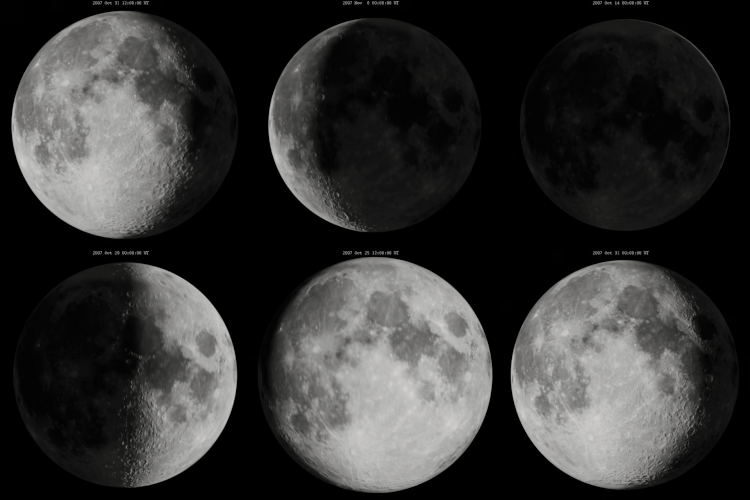
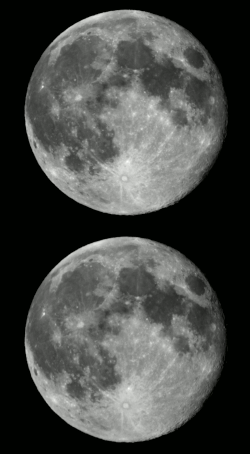
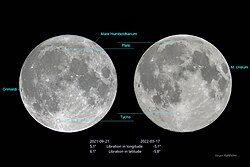
夜空に浮かぶ月を眺めていると、常に同じ面だけが見えているように感じられます。これは潮汐ロック(同期自転)という現象により、月の自転周期と公転周期が一致しているためです。しかし、実際には地球から見える範囲はちょうど半分ではなく、時間の経過とともにわずかに異なる領域が見え隠れしています。この、月が地球から見てゆらゆらと揺れているように見える現象を「秤動(ひょうどう)」と呼びます。
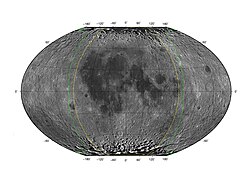
秤動があるおかげで、私たちは地球にいながらにして月面の約59%を観察することが可能です。この現象は、大きく分けて「視点が変わることで起こる幾何学的な要因」と「月自体が物理的に揺れる要因」の2つのメカニズムに分類されます。
Key Facts
- 可視領域: 秤動により、地球から月面の約59%を観測できる。
- 幾何学的秤動: 軌道の楕円形や自転軸の傾きによる視覚的な揺れ。
- 物理的秤動: 地球の重力(潮汐力)による月自体の微小な振動。
- 最大振幅: 経度の秤動は約7°54′、緯度の秤動は約6°50′に達する。
幾何学的秤動:視点の変化による揺れ
幾何学的秤動とは、月が実際に揺れているのではなく、地球からの見え方が変わることで発生する現象です。主に以下の3つのタイプに分けられます。
1. 光学的秤動(経度と緯度の揺れ)
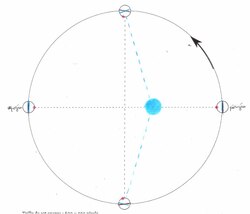
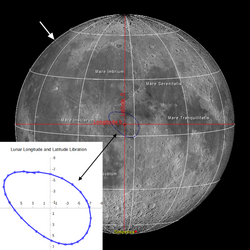
これは、月の公転速度が一定ではないことや、自転軸が傾いていることによって生じます。経度の秤動は、月の公転軌道が楕円であるために起こります。公転速度が変化しても自転速度は一定であるため、自転が公転を追い越したり遅れたりし、結果として月の東側や西側の縁がより深く見えるようになります。
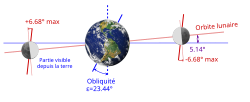
一方、緯度の秤動は、月の自転軸が公転面に対して約6.7度傾いているために起こります。これにより、時期によって月の北極付近や南極付近が地球から見えるようになります。
これらの経度と緯度の揺れが組み合わさることで、地球から見た月の中心点(地球直下点)が円を描くように動き、結果として月面が揺れているように見えます。
2. 視差秤動
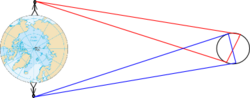
観測者が地球上のどの位置にいるかによって、月を見る角度がわずかに異なります。この位置関係の差によって生じる揺れを視差秤動と呼びます。
3. 日周秤動
地球が自転しているため、一晩の間に観測者の位置は地球の表面を移動します。これにより、月の端を覗き込む角度がわずかに変化し、1度未満の非常に小さな揺れとして観測されます。
物理的秤動:月自体の微小な振動
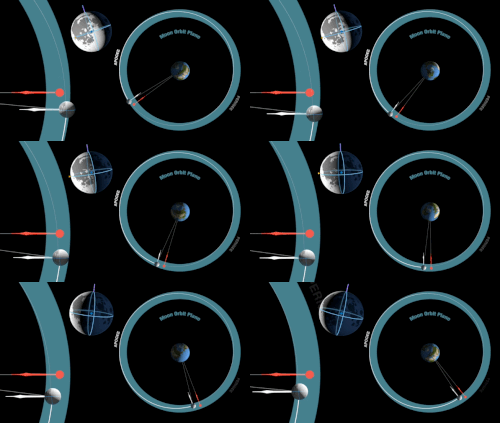
幾何学的秤動とは異なり、物理的秤動は月という天体そのものが、平衡位置の周りで振り子のようにわずかに揺れる現象です。これは地球からの潮汐力などの影響で発生し、主に2つの種類があります。
強制物理秤動
地球や太陽の重力によって強制的に引き起こされる振動です。これは月の慣性モーメント(回転しにくさの指標)に依存しており、非常に精密な計算が可能です。アポロ計画などで設置されたレーザー反射鏡を用いた測定により、その詳細な挙動が明らかになっています。
自由物理秤動
外部からの強制的な力ではなく、月自体の特性によって生じる固有の振動です。例えば、極軸周りの回転(周期約1056日)や、数十年周期の極の揺れなどが確認されています。これらの振動は時間の経過とともに減衰するはずですが、現在も観測されているため、何らかの刺激メカニズムが継続的に存在していると考えられています。
秤動のまとめ
| 種類 | 主な原因 | 影響・特徴 |
|---|---|---|
| 経度の秤動 | 楕円軌道による公転速度の変化 | 月面の東端・西端が見える |
| 緯度の秤動 | 自転軸の傾き(約6.7°) | 月面の北極・南極が見える |
| 日周秤動 | 地球の自転による観測位置の変化 | 1晩の間に生じる微小な揺れ |
| 物理的秤動 | 潮汐力や内部構造による振動 | 天体自体の物理的な揺れ |
Frequently Asked Questions
なぜ月は常に同じ面しか見えないと言われるのですか?
月が地球に対して「潮汐ロック」されており、自転周期と公転周期がほぼ完全に一致しているためです。これにより、基本的には常に同じ面が地球を向いています。
秤動があることで、具体的に何が見えるようになりますか?
通常は見えないはずの月の縁(東端、西端、北極、南極)がわずかに覗くようになります。これにより、地球から観測できる範囲が全体の約59%まで広がります。
物理的秤動と幾何学的秤動の違いは何ですか?
幾何学的秤動は、観測者の視点や軌道の関係で「そう見える」現象です。対して物理的秤動は、月という物体自体が実際に空間の中でわずかに振動している現象を指します。
月の自転軸が傾いていることは、地球にどのような影響がありますか?
月の自転軸の傾きは、地球の季節が自転軸の傾きで起こるのと同様に、緯度の秤動を引き起こします。これにより、地球から月の極地方を観測することが可能になります。
物理的秤動はどのようにして測定されていますか?
主に「月レーザー測距(Lunar Laser Ranging)」という手法が使われています。月面に設置された反射鏡にレーザーを照射し、戻ってくる時間を精密に測ることで、数センチメートル単位の変動を検出しています。
References
- Spudis, Paul D. (2004). "Moon". World Book at NASA. Archived from the original on July 3, 2013. Retrieved May 27, 2010.
- "Geometrical and Physical Librations of Moon".
- "Moon Phase and Libration, 2025".
- SVS, NASA's (August 18, 2021). "SVS: Moon Phase and Libration, 2020". Home - NASA Scientific Visualization Studio. Retrieved June 1, 2022.
- Jacqueline Bergeron, ed. (2013). Highlights of Astronomy: As Presented at the XXIst General Assembly of the IAU, 1991. Springer Science & Business Media. p. 521. .
- Ratkowski, Rob; Foster, Jim (May 31, 2014). "Libration of the Moon". Earth Science Picture of the Day.
- Stephen Pumfrey: Harriot's Maps of the Moon: New Interpretations. Notes Rec. R. Soc. 63, 2009, doi:10.1098/rsnr.2008.0062.
- Eckhardt, Donald H. (1981). "Theory of the libration of the moon". The Moon and the Planets. 25 (1): 3–49. :1981M&P....25....3E. :10.1007/BF00911807. 1573-0794. 123650603.
- Williams, James G.; Konopliv, Alexander S.; Boggs, Dale H.; Park, Ryan S.; Yuan, Dah-Ning; Lemoine, Frank G.; Goossens, Sander; Mazarico, Erwan; Nimmo, Francis; Weber, Renee C.; Asmar, Sami W. (2014). "Lunar interior properties from the GRAIL mission: Lunar Interior Properties". Journal of Geophysical Research: Planets. 119 (7): 1546–1578. :10.1002/2013JE004559. 7045590.
- Calame, O. (1976). "Determination des librations libres de la Lune, de l'analyse des mesures de distances par laser". Comptes Rendus de l'Académie des Sciences, Série B (in French). 282 (5): 133–135. :1976CRASB.282..133C.
📸 フォトギャラリー