本や文書を意図的に火で焼く行為、いわゆる焚書は、単なる物の破壊ではなく、特定の思想や文化、宗教を根絶しようとする強力な検閲の手段として歴史的に用いられてきました。こうした行為は、公衆の面前で行われることが多く、対象となる著作者やその内容に対する激しい拒絶や軽蔑を社会に誇示する目的があります。また、日記や帳簿のように、外部に知られてはならない機密情報を隠蔽するために行われる場合もあります。
学術的には、本を焼くことやその他の破壊行為をまとめて「ビブリオクラスム(biblioclasm)」または「リブリサイド(libricide)」と呼びます。これらの行為は、時に取り返しのつかない文化遺産の喪失を招き、人類の知的財産に深い傷跡を残してきました。
Key Facts
- 目的: 政治的・宗教的・文化的な対立に基づき、特定の情報を抹消または検閲すること。
- 影響: 唯一無二の写本や古文書が焼かれた場合、人類の文化遺産として深刻な損失となる。
- 象徴性: 複製が存在する場合でも、焚書は抑圧的な体制による思想統制の象徴となる。
- 現代的形態: 物理的な焼却だけでなく、デジタルデータの削除やアクセス制限へと形を変えて継続している。
歴史に見る知識の抹消
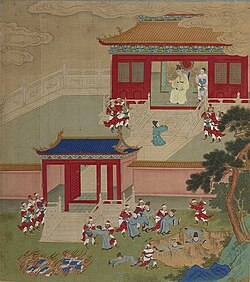
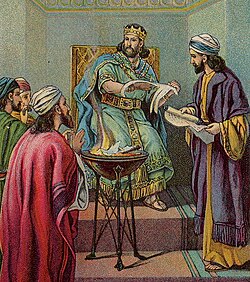
古来より、権力者は自らの支配を正当化し、反体制的な思想を排除するために焚書を行ってきました。紀元前7世紀のヘブライ聖書に記されたエピソードや、紀元前213年から210年にかけての中国・秦王朝による「焚書坑儒(ふんしょこうじゅ)」がその代表例です。秦の始皇帝は、過去の記録を焼き捨て、学者を生き埋みにすることで思想の統一を図りました。
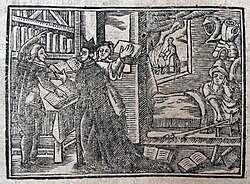
中世から近世にかけても、宗教的な対立による破壊が相次ぎました。435年のネストリウス派の書物の焼却や、1244年のフランスにおけるユダヤ教写本の破壊、さらには16世紀のスペインによるアステカやマヤの古文書の焼却などが挙げられます。特にマヤの古文書は、ディエゴ・デ・ランダ司教の命によって多くが失われ、先住民の歴史を解明する上で大きな障害となっています。
近代における思想弾圧と焚書
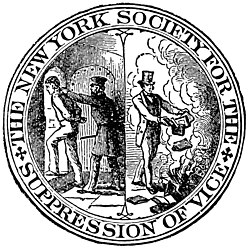
近代に入っても、焚書は政治的なプロパガンダとして利用されました。18世紀にはヴォルテールの著作が焼かれ、19世紀のアメリカ南部では奴隷制廃止論者の書籍が標的となりました。また、コムストック法に基づく風紀取り締まりによる焼却も行われました。
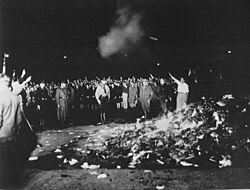
最も悪名高い事例の一つが、1933年のナチス・ドイツによる焚書です。彼らは「非ドイツ的」と見なしたユダヤ人や左翼的な著者の本を、大学などの公共の場で大量に焼却しました。これは、体制に不都合な文化を沈黙させ、国民に恐怖と服従を植え付けるための演出でした。
![Nazi youth brigades burning "un-German" works by Jewish and left-wing authors at the library of the Institut für Sexualwissenschaft, 1933[1]](/images/02/6e/026e5153fbc8f881f34e2c84f655559b2e94d49304c0cace3bd81e547a25c517.jpg)
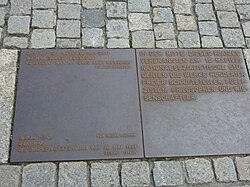
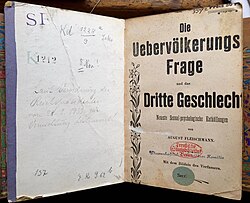
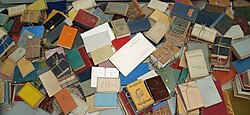
こうした蛮行に対し、第二次世界大戦中のアメリカでは「本は思想の戦いにおける武器である」というプロパガンダポスターが作成され、ナチスの文化破壊を強く批判しました。
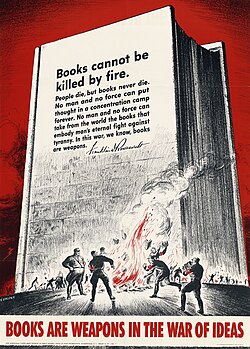
20世紀から現代へ:形を変える破壊行為
20世紀後半になっても、政治的なクーデターや独裁体制下での焚書は続きました。1973年のチリにおけるピノチェト独裁政権下での焼却などがその例です。また、1945年から1955年にかけてのアメリカでは、若者に悪影響を与えるとしてコミック本を焼く公的なイベントが各地で開催されました。デンマークでも同様に、人気キャラクター「ファントム」の等身大パネルと共にコミックが焼かれた記録があります。
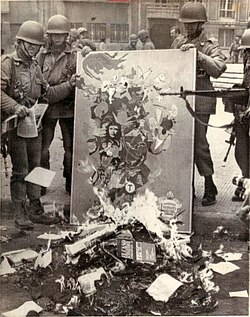
21世紀においても、宗教的な対立によるシク教の書物の焼却や、ウクライナにおける歴史的な書籍の破壊、トルコ政府による数十万冊に及ぶ書籍の廃棄など、知識の抹消は形を変えて続いています。また、現代では物理的な火ではなく、デジタルアーカイブの削除やAI学習のための大量の書籍廃棄といった、新しい形態の「破壊」も議論の対象となっています。
焚書の歴史的事例まとめ
| 時代・地域 | 主な事例 | 目的・背景 | 影響 |
|---|---|---|---|
| 紀元前3世紀 / 中国 | 秦の焚書坑儒 | 思想統一と反体制派の排除 | 古代記録の大量喪失 |
| 16世紀 / 中南米 | マヤ・アステカ古文書の焼却 | キリスト教化と土着信仰の抹消 | 先住民文化の記録が激減 |
| 1933年 / ドイツ | ナチスによる焚書 | 「非ドイツ的」思想の排除 | 抑圧的な体制の象徴化 |
| 20世紀後半 / 米国 | コミック本の焼却 | 青少年の道徳的保護 | 大衆文化への検閲 |
| 現代 / 世界各地 | デジタル検閲・政治的廃棄 | 体制維持と歴史の書き換え | 情報のアクセス制限 |
Frequently Asked Questions
焚書と単なる本の廃棄は何が違うのですか?
焚書は、単に不要な本を捨てることではなく、政治的、宗教的、または文化的な意図を持って、特定の思想や情報を社会から抹消しようとする「検閲」の一種である点が異なります。多くの場合、公衆に見せつける形で破壊が行われます。
本が焼かれても、コピーがあれば問題ないのではないでしょうか?
複製が存在する場合、情報の喪失は避けられますが、焚書という行為自体が「特定の思想を認めない」という権力の誇示となり、社会的な威圧や恐怖を生み出す象徴的な意味を持ちます。
歴史上、最も影響が大きかった焚書は何ですか?
一概に一つに絞ることは難しいですが、秦の焚書坑儒や、マヤ・アステカの古文書焼却は、代替不可能な一次資料を失わせたため、人類の歴史研究において極めて深刻な損失となりました。
現代において焚書のようなことは起きないのでしょうか?
物理的な火による焼却だけでなく、インターネット上のコンテンツ削除、デジタルライブラリへのアクセス制限、あるいは特定の政治的意図に基づいた書籍の大量廃棄など、現代的な手法による「知識の抹消」は今も世界中で行われています。
References
- "Book Burning". United States Holocaust Memorial Museum. Archived from the original on 5 March 2012. Retrieved 8 November 2022.
- Brockell, Gillian. "Burning books: 6 outrageous, tragic and weird examples in history". The Washington Post. Archived from the original on 13 November 2021. Retrieved 8 November 2022.
- Boissoneault, Lorraine (31 August 2017). "A Brief History of Book Burning, From the Printing Press to Internet Archives". Smithsonian Magazine. Archived from the original on 4 September 2017. Retrieved 8 November 2022.
- Sajic, Andrijana. "A Book's Best Frenemy". , 24 February 2016. Retrieved 7 May 2024.
- , p. 86.
- "Qin Shi Huang: The ruthless emperor who burned books". BBC News. 15 October 2012. Archived from the original on 1 March 2022. Retrieved 16 October 2022.
- "The First Emperor of China Destroys Most Records of the Past Along with 460, or More, Scholars". History of Information. Archived from the original on 24 May 2021. Retrieved 16 October 2022.
- , pp. 85–87.
- Acts 19:18–20
- Athanasius (23 January 2010). "Fourth Century Christianity » Part of an edict against Arius and his followers". Fourth Century Christianity. . Archived from the original on 19 August 2011. Retrieved 2 May 2012.
📸 フォトギャラリー