古代ローマで誕生したローマ数字は、中世後期に至るまでヨーロッパ全土で標準的な計数法として利用されてきました。現代ではアラビア数字に取って代わられましたが、時計の文字盤や記念碑の年号、映画のクレジットなど、格式高い場面や伝統的なデザインの中で今なお生き続けています。
Key Facts
- 加算原理に基づき、記号を並べてその合計値を表すシステムである。
- 基本記号は I(1), V(5), X(10), L(50), C(100), D(500), M(1000) の7種類。
- 小さい数字を大きい数字の前に置くことで値を引く減算表記が存在する。
- 位取り概念がないため、本来「0」を表す記号は存在しなかった。
- エトルリア人の数字記号が直接的なルーツとなっている。
ローマ数字の基本構造と現代の標準形式
ローマ数字の根幹は、特定の価値を持つ文字を組み合わせることで数値を表現する点にあります。例えば「XXVII」は 10+10+5+1+1 となり、合計で27を意味します。また、効率的に表記するために、特定の組み合わせでは引き算を用いるルールが採用されています。具体的には、IV(5-1=4)やIX(10-1=9)のように、小さい記号を左側に配置することで値を減らします。
この減算表記が標準的に使われるのは、4や9、およびそれらの10倍・100倍の数値(40=XL, 90=XC, 400=CD, 900=CM)に限られています。
| 数値 | 千の位 | 百の位 | 十の位 | 一の位 |
|---|---|---|---|---|
| 1 | M | C | X | I |
| 2 | MM | CC | XX | II |
| 3 | MMM | CCC | XXX | III |
| 4 | - | CD | XL | IV |
| 5 | - | D | L | V |
| 6 | - | DC | LX | VI |
| 7 | - | DCC | LXX | VII |
| 8 | - | DCCC | LXXX | VIII |
| 9 | - | CM | XC | IX |
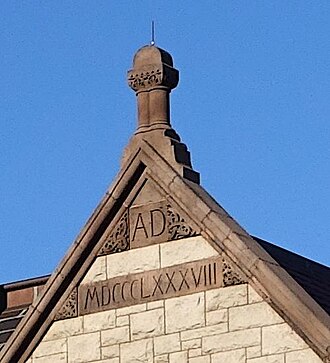
現代の建築物や公共施設では、これらの標準形式が広く用いられています。例えば、アメリカのマサチューセッツ州にあるケンブリッジ公共図書館のファサードには、建設年である1888年が標準的な形式で刻まれています。
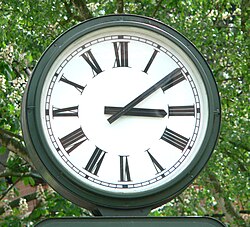
また、時計の文字盤はローマ数字が最も頻繁に見られる場所の一つです。ドイツのバート・ザルツデトフルトにある時計のように、伝統的なローマ数字が今も使われています。
非標準的な表記と歴史的バリエーション
歴史を紐解くと、現代の標準ルールとは異なる表記が数多く存在したことがわかります。例えば、4を「IV」ではなく「IIII」と書く形式は、古い時代の文書や一部の貨幣に見られます。スペインのチャールズ4世の時代のレアル貨幣では、君主番号に「IIII」が使用されていました。
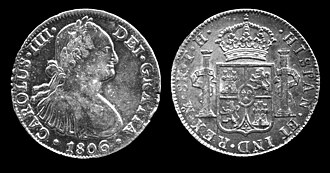
また、13世紀の文書などでは「iiij」のような表記も見られ、時代や地域によって書き方が多様であったことが伺えます。

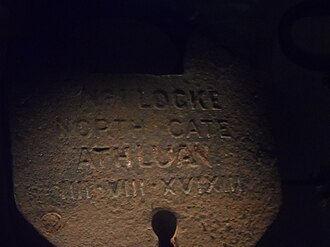
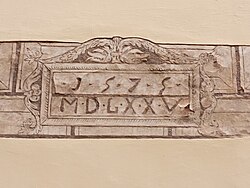
さらに、年号の表記においてもユニークな例があります。ロンドンのアドミラルティ・アーチにある1910年の表記は「MDCCCCX」となっており、一般的な「MCMX」とは異なる形式が採用されています。また、アイルランドのアスローンにある門の南京錠には、1613年を「XVIXIII」(16と13)と分かち書きする形式が見られます。

中世の会計文書では、さらに複雑な表記が用いられていました。13,573という数値を「XIII. M. V. C. III. XX. XIII」と書き、13×1000 + 5×100 + 3×20 + 13 という計算式のように表現していた例があります。
巨大な数値と分数の表現
ローマ数字で非常に大きな数を表すには、いくつかの特殊な手法が開発されました。一つはヴィンクルム(Vinculum)と呼ばれる手法で、数字の上に横線を引くことでその値を1,000倍にします。これにより、例えば「IV」の上に線を引けば4,000を意味することになります。
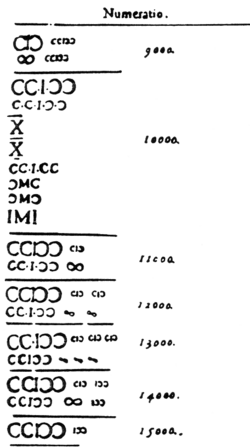
もう一つはアポストロフス(Apostrophus)形式です。これはCやIを組み合わせた特殊な記号を用いて、500や1,000、さらには10万といった大数を表現する方法です。アムステルダムのウェステル教会にある1630年の表記や、16世紀の手引書には、このアポストロフス形式やヴィンクルムが混在して使用されている例が残っています。

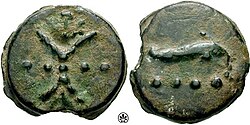
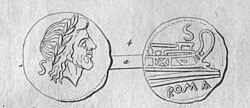
また、整数だけでなく分数も表現されていました。基本となるのは「S」で、これは 1/2(Semis)を意味します。それ以外の分数は、1/12(Uncia)を基準とした点(ドット)の数で表されていました。例えば、1/3は4つの点(····)で示され、これは当時の貨幣単位とも密接に関わっていました。
「0」の不在と代替手段
ローマ数字は位取り制ではないため、桁を埋めるための「0」という概念がありませんでした。また、数値としてのゼロを表す記号も元来は存在しません。中世に入ると、ラテン語で「何もない」を意味する「nulla」という言葉が使われるようになり、後にその頭文字である「N」がゼロの代わりとして用いられるようになりました。
現代においても、一部の24時間時計やタロットカードの構成などでは、アラビア数字の「0」をローマ数字の列の先頭に配置して利用するケースが見られます。
現代社会における活用例
現代においてローマ数字は、単なる数字以上の「象徴的な意味」を持って使われています。例えば、軍の部隊章(第9航空中隊のエンブレムなど)や、公式文書の日付表記で見られます。特にヨーロッパの一部では、日付の「月」だけをローマ数字で書き、日と年をアラビア数字で書く習慣があります。

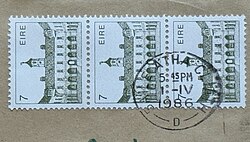
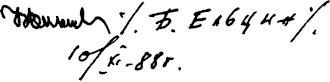
また、イタリアの議会のように、代数(第X回議会など)を表記する場合や、音楽の理論、あるいは店舗の営業時間表示など、視覚的な区別が必要な場面で活用されています。
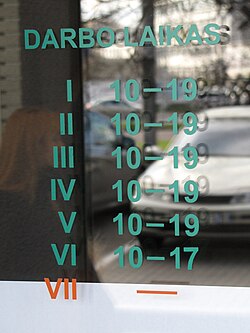
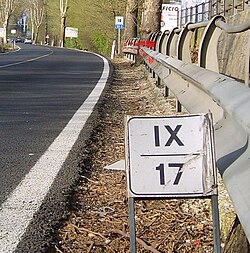
さらに、古代の遺構であるコロッセオのセクション番号(LIIなど)や、船の喫水線を示す数字(カティサーク号の船尾など)にも、その名残を留める表記が見て取れます。
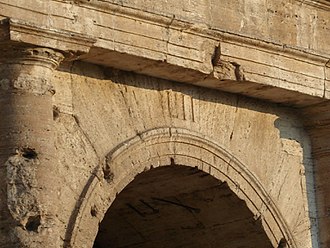
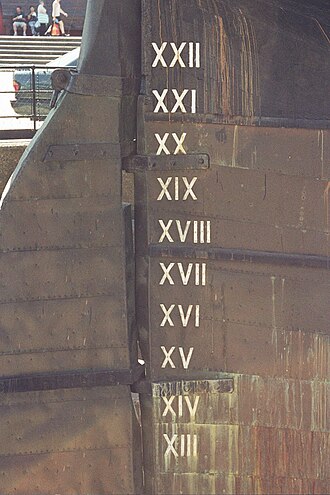
このように、ローマ数字は単なる古い計算体系ではなく、文化的な記号として現代の視覚文化に深く根付いています。
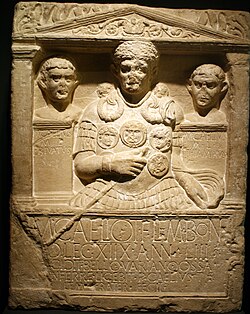
![Excerpt from Bibliothèque nationale de France.[34] The Roman numeral for 500 is rendered as CV, instead of D.](/images/34/9a/349a468fb90a29cda1af3cad0ba29c2c556e6c2b08924feffcbecb7eeb90862d.png)
Frequently Asked Questions
なぜ「4」を「IV」と「IIII」の両方で書くことがあるのですか?
現代の標準的なルールでは減算表記の「IV」が一般的ですが、歴史的には加算のみの「IIII」も広く使われていました。特に古い時計の文字盤などでは、視覚的なバランスを整えるためにあえて「IIII」が採用されることが多くあります。
ローマ数字に「0」がないのはなぜですか?
ローマ数字は、記号を足し合わせて数を作る「加算原理」に基づいたシステムであり、特定の桁に値がないことを示す「位取り(プレースホルダー)」という概念がなかったためです。ゼロという概念が必要になった後も、記号ではなく言葉(nullaなど)で表現されていました。
非常に大きな数字はどうやって表記していたのですか?
数字の上に横線を引く「ヴィンクルム」という手法を用いて値を1,000倍にする方法や、CやIを組み合わせた特殊な記号を用いる「アポストロフス」形式が使われていました。これにより、数万から数十万という大数を表現することが可能でした。
ローマ数字のルーツは何ですか?
ローマ数字は、古代イタリアにいたエトルリア人の数字記号から直接的に派生したと考えられています。エトルリア人も同様に、高い価値の記号から順に並べて足し合わせる方式を用いていました。
現代でローマ数字が使われる主な目的は何ですか?
主に「伝統」「権威」「区別」を演出するために使われます。例えば、王の代数、オリンピックの回数、本の章番号、時計のデザインなど、日常的な計算ではなく、形式的なラベルとして機能しています。
References
- IV and IX not only have fewer characters than IIII and VIIII, but are less likely to be confused (especially at a quick glance) with III and VIII.[]
- This is the Coordinated Universal Time (UTC) year in which Wikipedia's cache of this page was last updated, so may be a few hours out of date.
- once mentioned an "interesting theory" that Romans avoided using IV because it was the initial letters of IVPITER, the Latin spelling of , and might have seemed . He did not say whose theory it was.
- XIII = 13 × 100,000 = 1,300,000 and XXXII = 32 × 1000 = 32,000, so 'XIII XXXII = 1,332,000. p. is a common abbreviation for passus, paces, the Romans counting a pace as two steps.
📸 フォトギャラリー