古代ローマにおいて、ウェヌス(一般的にヴィーナスとして知られる)は、単なる美の象徴ではありませんでした。彼女は愛、欲望、性と生殖、そして繁栄や勝利までを司る多面的な女神であり、ローマの最高神格である「ディイ・コンセンテス(12神)」の一柱として崇められていました。ギリシャ神話のアプロディーテーと同一視される彼女は、時代とともにその役割を広げ、国家の守護神としての側面も持つようになりました。
ウェヌスの象徴にはバラやギンバイカ(マートル)があり、金曜日は彼女に捧げられた日(dies Veneris)とされていました。彼女の系譜は複雑ですが、カエルス(天空神)を親に持ち、配偶者としてマルス(軍神)やウルカヌス(火神)が挙げられます。また、後世の伝承ではクピド(キューピッド)の母であり、ウェルギリウスの『アエネーイス』では、ローマ人の祖となるアエネアスの母として描かれています。
![A 2nd- or 3rd-century bronze figurine of Venus, in the collection of the Museum of Fine Arts of Lyon[6]](/images/00/1a/001ac00260d317317795f2bc18580ecc370b9cb0f519aaf5d2800f9da51e9642.jpg)
Key Facts
- 司る領域: 愛、美、欲望、性と生殖、繁栄、そして勝利。
- ギリシャ神話の対応神: アプロディーテー。
- 主要な象徴: バラ、ギンバイカ。
- 重要な親族: 息子にクピドとアエネアスを持つ。
- 社会的役割: 貴族から平民まで、階層によって異なる形態で崇拝された。
多様な側面を持つ「別称(エピテット)」
ウェヌスは、その役割に応じてさまざまな別称で呼ばれ、それぞれ異なる意味を持っていました。
勝利と権力のウェヌス
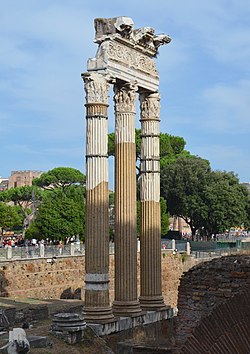
ウェヌス・ヴィクトリクス(勝利のウェヌス)は、東方の軍事的なアプロディーテーの影響を受けた形態です。彼女は単に心を征服するだけでなく、戦場での勝利をもたらす存在とされ、スッラやカエサル、ポンペイウスといった権力者たちが自らの庇護神として彼女を掲げました。
道徳と浄化のウェヌス
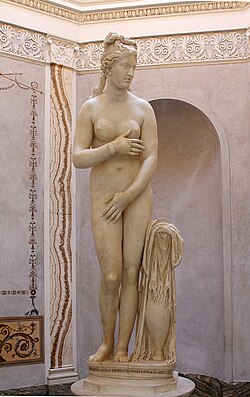
ウェヌス・ヴェルティコルディア(心を正すウェヌス)は、ローマ人の道徳心や性的節度を促すために導入された側面です。紀元前220年頃、社会的な乱れに対する神の怒りを鎮めるため、最も純潔な女性によって彼女の像が捧げられました。4月1日の「ウェネラリア」という祭礼では、彼女の像が浴場に運ばれ、女性たちによって丁寧に洗われる儀式が行われました。
天上のウェヌスと異文化の融合
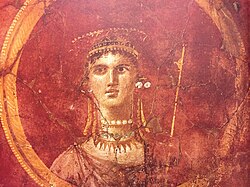
ウェヌス・カエレスティス(天上のウェヌス)は、2世紀以降、至高の女神としての性格を強めた形態です。これはシリアの女神アスタルテやマグナ・マテル(大地の母)との習合(異なる神々の統合)によるもので、牛を犠牲に捧げる「タウロボリウム」という儀式が行われていたことが知られています。
![Imperial image of Venus suggesting influence from Syria or Palestine, or from the cult of Isis[26]](/images/63/40/6340e335b1a4b1d97f577c9e5d67feb157fe0b4741f7d9978835c3444c281667.jpg)
崇拝の歴史と社会階層
ウェヌスへの信仰は、ローマ社会の階層によって使い分けられていました。カピトリーノの丘での崇拝は主に上流階級に限定されていましたが、一方で平民街のコリネ門付近に建てられたウェヌス・エリキナの神殿は、豊穣を願う庶民的な信仰の中心地となりました。
また、紀元前295年に建立されたローマ初のウェヌス神殿は、ウェヌス・オブセクエンス(寛容なウェヌス)に捧げられたものでした。興味深いことに、この神殿の建設資金の一部は、不倫で有罪となった女性たちに科せられた罰金で賄われたと伝えられています。
芸術におけるウェヌスの変遷
ウェヌスは、西洋美術史上最も描かれた主題の一つです。古典時代には、恥じらいを見せる「ウェヌス・プディカ」や、海から生まれる「ウェヌス・アナデュオメネ」といった形式が確立されました。
![Venus rising from the sea, alluding to the birth-myth of Greek Aphrodite.[84] From a garden wall at the Casa della Venere in conchiglia, Pompeii. Before AD 79](/images/dd/e9/dde9ee0e06ede3649fe7382e3a2e9d8c7833a7c790c5c1e6fa09d672c02d2398.jpg)
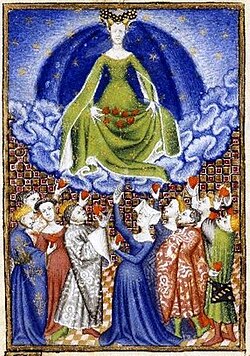
中世に入ると、彼女はキリスト教的な文脈の中で再解釈され、時には虹の上に座り、信者が心を捧げる姿で描かれました。その後、ルネサンス期にはボッティチェリの『ヴィーナスの誕生』に代表されるように、古典的な美の理想として復活します。
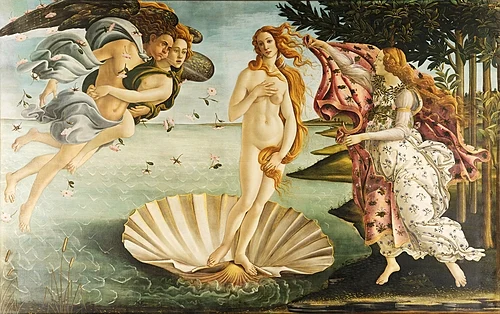
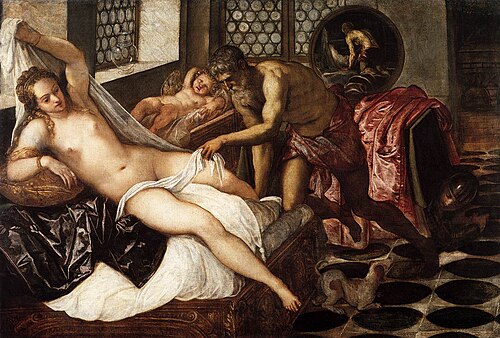
さらにバロック期から近代にかけては、ティントレットやルーベンス、そしてカバネルやブグローといった画家たちによって、官能性と神聖さを併せ持つ女性像として描き継がれました。
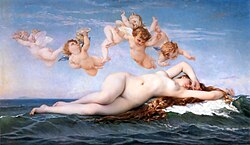
ウェヌスに関するまとめ
| 別称(エピテット) | 主な役割・意味 | 関連する背景・儀式 |
|---|---|---|
| ウェヌス・ヴィクトリクス | 勝利、征服 | 軍事的な成功、権力者の庇護 |
| ウェヌス・ヴェルティコルディア | 道徳、節度、浄化 | ウェネラリア祭、純潔の推奨 |
| ウェヌス・カエレスティス | 至高神、天上の力 | シリアの女神との習合、タウロボリウム |
| ウェヌス・ゲネトリクス | 祖先、血統の守護 | カエサル家による崇拝 |
その他の視覚的資料
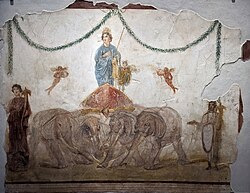
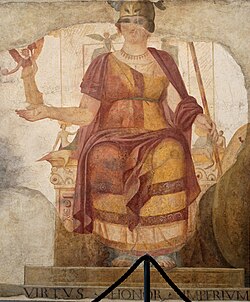
ウェヌスの多様な表現は、壁画や彫刻にも色濃く残っています。ポンペイの壁画では、軍神マルスと共に描かれる姿や、象の戦車に乗る豪華な姿が見られます。
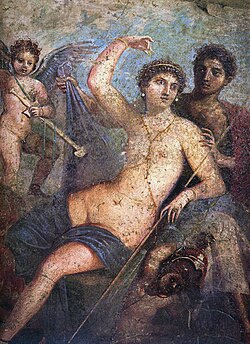
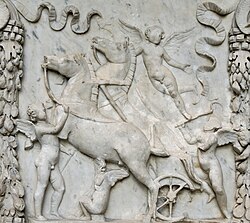
![A Venus-Aphrodite velificans holding an infant, probably Aeneas,[v] as Anchises and Luna-Selene look on (Roman-era relief from Aphrodisias)](/images/2b/c7/2bc70002d502ca0850d780b851d10df217e49f166ea2e552dd3339c2203ee1fb.jpg)
Frequently Asked Questions
ウェヌスとアプロディーテーの違いは何ですか?
基本的には同一の神格ですが、ウェヌスはローマ独自の文脈が加わっています。特に、ローマ人の祖先アエネアスの母としての役割や、国家の勝利を導く「ヴィクトリクス」としての側面は、ローマ社会における政治的・歴史的な重要性を反映したものです。
ウェヌス・ヴェルティコルディアの儀式にはどのような意味がありましたか?
彼女は「心を正す」女神であり、ローマ市民に伝統的な性的道徳を守らせることで、神々の怒りを鎮め、国家の安定を図るという宗教的・社会的な浄化の意味を持っていました。
なぜウェヌスは「勝利」を司るようになったのですか?
これはギリシャ経由で東方の女神イシュタル(戦いと愛の女神)の性質を取り入れたためです。愛の力で心を征服することと、実際の戦場での勝利が結びつき、権力者たちが好んで崇拝する「勝利の女神」となりました。
ウェヌスの象徴であるバラやギンバイカには意味がありますか?
バラは愛と美の象徴であり、ギンバイカ(マートル)は古くから愛の女神に捧げられる聖なる植物とされていました。これらの植物は、彼女が司る情熱や純潔、繁栄を視覚的に表現しています。
美術史においてウェヌスが重要視されるのはなぜですか?
彼女は「理想的な女性美」を体現する存在であり、裸体表現の探求や、人間的な感情(愛や欲望)を神格化して描くための最高の主題であったため、時代を超えて多くの芸術家にインスピレーションを与え続けてきました。
References
- Eden (1963): 458ff discusses possible associations between or the "Venus of " and the species , which the Romans considered an aphrodisiac.
- For further exposition of nomen-omen (or nomen est omen) see
- Ashby (1929) finds the existence of a temple to Venus Calva "very doubtful"; see
- "At the midway between Ostia and Antium lies Lavinium that has a sanctuary of Aphrodite common to all Latin nations, but which is under the care of the Ardeans, who have entrusted the task to intendants".
- "Sp. Turrianus Proculus Gellianus ... pater patratus ... Lavinium sacrorum principiorum p(opuli) R(omani) Quirt(ium) nominisque Latini qui apud Laurentis coluntur".
- Eden (1963): 457 states that Varro rationalises the connections as "lubendo libido, libidinosus ac Venus Libentina et Libitina"
- Schilling (1954): 87 suggests that Venus began as an abstraction of personal qualities, later assuming Aphrodite's attributes.
- Her Sicillian form probably combined elements of Aphrodite and a more warlike Carthaginian-Phoenician Astarte
- Venus's links with Troy can be traced to the epic, mythic history of the , and the , in which the Trojan prince chose Aphrodite over and , setting off a train of events that led to war between the Greeks and Trojans, and eventually to Troy's destruction. In , Venus was the divine mother of the Trojan prince Aeneas, and thus a divine ancestor of the Roman people as a whole.: 23 The Punic Wars saw many similar introductions of foreign cult, including the Phrygian cult to , who also had mythical links to Troy. See also: 80.
- The aristocratic ideology of an increasingly Hellenised Venus is "summarized by the famous invocation to Venus Physica in ' poem."
📸 フォトギャラリー