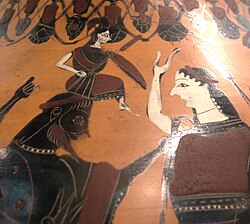
Achilles and Penthesileia by Exekias, c. 540 BC, British Museum, London
← ホームへ戻る
神話ギリシャ神話ローマ神話比較神話学オリンポス十二神

神話の世界古代ギリシャ・ローマから世界各地の伝承まで

🗓 2026年8月11日

人類は古来より、世界の成り立ちや自然現象、そして人間の運命を説明するために「神話」という物語を紡いできました。神話は単なる空想の物語ではなく、当時の人々にとっての真実であり、道徳や社会秩序の基盤となる宗教的な意味を持っていました。現代においても、神話的なモチーフは芸術や文学、心理学などの分野で深く息づいています。

主要な事実(Key Facts)

  • 世界的な広がり: アフリカ、アジア、ヨーロッパ、南北アメリカ、オセアニアなど、地球上のあらゆる地域に固有の神話体系が存在する。
  • 共通のモチーフ: 創造神話、大洪水伝説、文化英雄の登場など、地理的に離れた地域間で類似した物語構造が見られる。
  • ギリシャ・ローマの継承: ローマ神話はギリシャ神話の多くの要素を取り入れ、独自の解釈を加えて発展させた。
  • 学問的アプローチ: 比較神話学や精神分析学などの視点から、神話が持つ普遍的な象徴性や心理的意味が研究されている。

世界に広がる多様な神話体系

神話は地域ごとに多様な形態をとっています。例えば、アフリカではヨルバやバントゥの伝承があり、アジアでは日本、中国、インド(ヒンドゥー教)などの豊かな体系が築かれました。また、北米のイヌイットやアステカ、南米のインカなど、アメリカ大陸でも独自の宇宙観に基づいた神話が発展しています。

これらの多様な伝承を横断的に分析するのが比較神話学です。マックス・ミュラーなどの先駆者は、異なる文化圏の神話に見られる驚くべき類似性を分析し、人類共通の精神構造や言語的なルーツを探求しました。
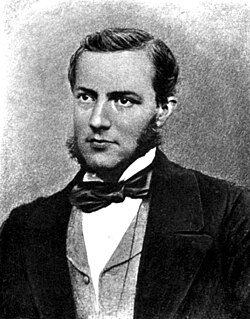
Max Müller is regarded as one of the founders of comparative mythology. In his Comparative Mythology (1867) Müller analysed the "disturbing" similarity between the mythologies of "savage races" with those of the early Europeans.

ギリシャ神話の構造と展開

西洋文化の根幹を成すギリシャ神話は、世界の始まりから英雄たちの時代まで、壮大な時間軸で構成されています。物語は、カオス(混沌)から始まり、ガイア(大地)やウラノス(天)といった原初の神々が登場し、その後、クロノス率いるティタン族を経て、ゼウスを中心とするオリンポス十二神の時代へと移行します。
Attic black-figured amphora depicting Athena being "reborn" from the head of Zeus, who had swallowed her mother Metis, on the right, Eileithyia, the goddess of childbirth, assists, circa 550–525 BC (Musée du Louvre, Paris)

オリンポス神族は、人間のような感情を持ち、時に激しく争い、時に協力して世界を統治しました。アテナは知恵を、アポロンは芸術と予言を、アフロディーテは愛を司るなど、それぞれが自然界や人間の精神活動の象徴となっていました。
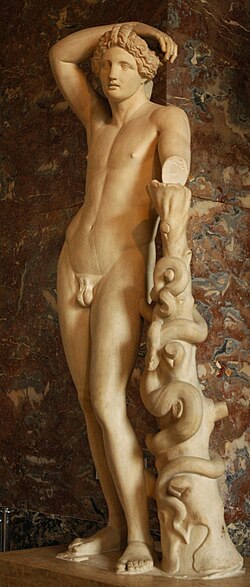
Apollo (early Imperial Roman copy of a fourth-century Greek original, Louvre Museum)

英雄の時代と悲劇

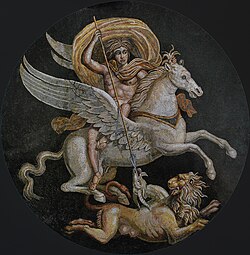
神々の時代に続き、半神半人の英雄たちが活躍する時代が訪れます。ヘラクレスの十二の難行や、ペガサスと共にキマイラを討ったベレロフォンなど、超人的な力を持つ英雄たちの物語は、人間の限界への挑戦と運命の過酷さを描き出しています。
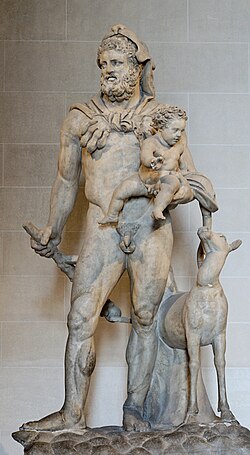
Heracles with his baby Telephus (Louvre Museum, Paris)
Bellerophon riding Pegasus and slaying the Chimera, central medallion of a Roman mosaic from Autun, Musée Rolin, 2nd to 3rd century AD

また、ギリシャ神話の頂点とも言えるのがトロイア戦争です。アキレウスやオデュッセウス、アガメムノンといった英雄たちが激突したこの戦争は、神々の介入によってさらに複雑なドラマとなり、後の文学作品に多大な影響を与えました。
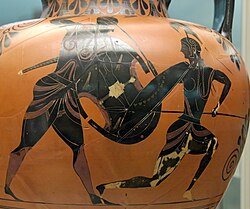
Achilles and Penthesileia by Exekias, c. 540 BC, British Museum, London
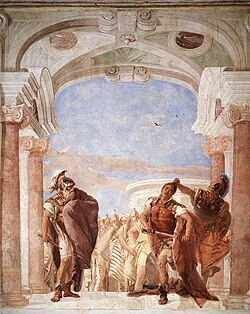
In The Rage of Achilles by Giovanni Battista Tiepolo (1757, Fresco, 300 x 300 cm, Villa Valmarana, Vicenza) Achilles is outraged that Agamemnon would threaten to seize his warprize, Briseis, and he draws his sword to kill Agamemnon. The sudden appearance of the goddess Athena, who, in this fresco, has grabbed Achilles by the hair, prevents the act of violence.

ローマ神話への変容と受容

古代ローマは、ギリシャの神々を自国の神々と結びつけるシンクレティズム(習合)を行いました。例えば、ゼウスはユピテルに、ヘラはユノに、ポセイドンはネプトゥーヌに置き換えられ、ローマ的な価値観である国家への忠誠や秩序が強調されるようになりました。

ウェルギリウスのような詩人は、ローマの建国神話である『アエネーイス』を通じて、トロイアの英雄アエネアスを祖先とすることで、ローマ帝国の正当性を芸術的に表現しました。
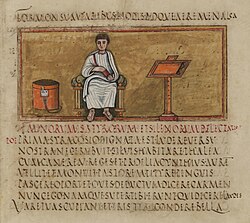
The Roman poet Virgil, here depicted in the fifth-century manuscript, the Vergilius Romanus, preserved details of Greek mythology in many of his writings.

哲学と芸術における神話の役割

時代が進むにつれ、神話は信仰の対象から哲学的な考察の対象へと変化しました。プラトンなどの哲学者は、神話を比喩や寓話として利用し、形而上学的な真理を説明しようと試みました。一方で、キケロのような人物は、神話的な記述に対して懐疑的な視点を持ち、より理性的な神概念を追求しました。
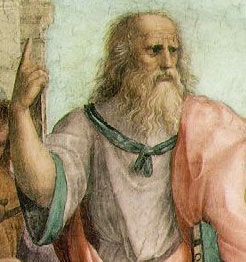
Plato in Raphael's The School of Athens
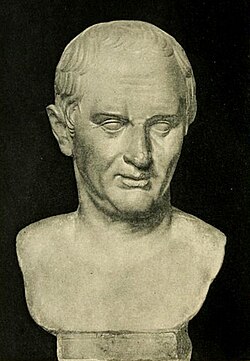
Cicero saw himself as the defender of the established order, despite his personal skepticism concerning myth and his inclination towards more philosophical conceptions of divinity.

ルネサンス期に入ると、古典古代への関心が再燃し、ボッティチェリなどの画家によって、ヴィーナスなどの神々が再び鮮やかに描かれるようになりました。これは単なる模倣ではなく、異教の美学を再解釈し、人間中心主義的な新しい価値観を提示する試みでもありました。

Botticelli's The Birth of Venus c. 1485–1486, oil on canvas, Uffizi, Florence)—a revived Venus Pudica for a new view of pagan Antiquity—is often said to epitomize for modern viewers the spirit of the Renaissance.[3]

神話の象徴的表現

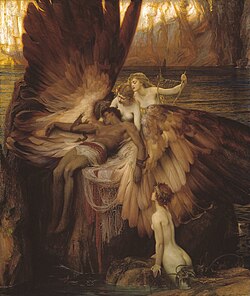
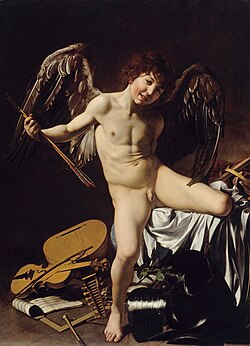
神話は視覚芸術においても強力な言語となりました。プロメテウスの火は人類への文明の授与を、イカロスの墜落は過信への警告を、エロスの矢は抗えない愛の力を象徴しています。これらのイメージは、時代を超えて普遍的な人間ドラマを伝える手段として機能し続けています。
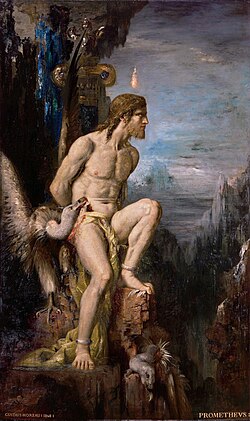
Prometheus (1868 by Gustave Moreau). The myth of Prometheus first was attested by Hesiod and then constituted the basis for a tragic trilogy of plays, possibly by Aeschylus, consisting of Prometheus Bound, Prometheus Unbound, and Prometheus Pyrphoros.
Amor Vincit Omnia (Love Conquers All), a depiction of the god of love, Eros. By Michelangelo Merisi da Caravaggio, circa 1601–1602.
The Lament for Icarus (1898) by Herbert James Draper

神話の分類と構成要素

神話は、その目的や内容によっていくつかのタイプに分類できます。世界の始まりを説く「創造神話」、文明の基礎を築いた人物を描く「文化英雄伝」、あるいは特定の民族や国家のアイデンティティを形成する「国家神話」などが挙げられます。

また、物語を彩る要素として、神々だけでなく、ケンタウロスやスフィンクスのような伝説上の生物、あるいは黄金の羊毛やパンドラの箱といった象徴的なアイテムが重要な役割を果たします。
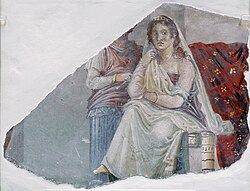
Phaedra with an attendant, probably her nurse, a fresco from Pompeii, c. 60 – c. 20 BC
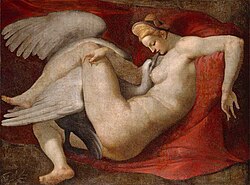
Zeus, disguised as a swan, seduces Leda, the Queen of Sparta. A sixteenth-century copy of the lost original by Michelangelo.
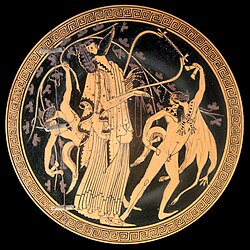
Dionysus with satyrs. Interior of a cup painted by the Brygos Painter, Cabinet des Médailles.
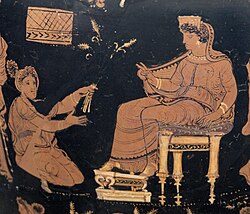
Demeter and Metanira in a detail on an Apulian red-figure hydria, circa 340 BC (Altes Museum, Berlin)
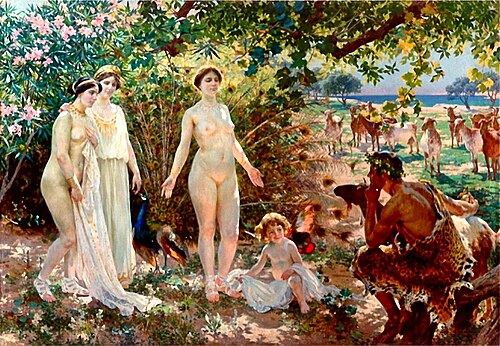
El Juicio de Paris by Enrique Simonet, 1904. Paris is holding the golden apple on his right hand while surveying the goddesses in a calculative manner.
ภาพประกอบบทความ
主要な神話体系と特徴のまとめ
神話体系 主な特徴 代表的な要素・人物
ギリシャ神話 人間的な神々と英雄のドラマ ゼウス、アキレウス、オリンポス十二神
ローマ神話 国家秩序と実用性の重視 ユピテル、アエネアス、建国神話
北欧神話 運命論と世界の終末(ラグナロク) オーディン、トール、世界樹ユグドラシル
エジプト神話 死後の世界と再生のサイクル ラー、オシリス、アヌビス
インド神話 輪廻転生と宇宙的な時間軸 ブラフマー、ヴィシュヌ、シヴァ

Frequently Asked Questions

神話と伝説や民話は何が違うのですか?

一般的に、神話は世界の創造や神々の活動など、宇宙的な規模の出来事を扱い、かつては宗教的な真実として信じられていたものを指します。対して伝説は、歴史的な人物や出来事に誇張が加わった物語であり、民話は教訓や娯楽を目的とした、より日常的なスケールの物語を指します。

なぜ多くの文化で「大洪水」の物語が登場するのでしょうか?

これには複数の説があります。地質学的な大規模洪水の実体験が記憶として伝わったという説や、水による「浄化」と「再生」という普遍的な象徴性が、異なる文化圏で独立して生まれたという心理学的な視点からの説があります。

ギリシャ神話とローマ神話は完全に同じものですか?

いいえ、異なります。ローマ神話はギリシャ神話から多くの物語や神々の設定を借用しましたが、ローマ独自の社会構造や政治的価値観を反映させて再構成しました。ギリシャ神話が個人の情熱や悲劇に焦点を当てる傾向があるのに対し、ローマ神話は国家の繁栄や義務を重視する傾向があります。

現代において神話を学ぶ意味は何ですか?

神話は、人間が抱える根源的な不安、欲望、葛藤を象徴的に描き出しています。神話的なモチーフを理解することは、西洋・東洋の芸術や文学を深く読み解く鍵となるだけでなく、人間心理の普遍的なパターンを理解することに繋がります。

References

  1. "Volume: Hellas, Article: Greek Mythology". . 1952.
  2. Cartwirght, Mark (29 July 2012). "Greek Mythology". World History Encyclopedia. Archived from the original on 18 April 2021. Retrieved 26 March 2018.
  3. Adkins, A. W. H.; Pollard, John R. T. (2002) [1998]. "Greek Mythology". .
  4. Foley, John Miles (1999). "Homeric and South Slavic Epic". Homer's Traditional Art. .  .
  5. Graf, Fritz. 2009 [1993]. Greek Mythology: An Introduction, translated by T. Marier. Baltimore: .  .
  6. Alms, Anthony. 2007. Theology, Trauerspiel, and the Conceptual Foundations of Early German Opera. .
  7. Hard, Robin (2003). "Sources of Greek Myth". The Routledge Handbook of Greek Mythology: based on H. J. Rose's "A Handbook of Greek mythology". London: Routledge.  .
  8. Miles, Geoffrey (1999). "The Myth-kitty" in Classical Mythology in English Literature: A Critical Anthology. Chicago: .  .
  9. Klatt, Mary J., and Antoinette Brazouski. 1994. "Preface" in Children's Books on Ancient Greek and Roman Mythology: An Annotated Bibliography. .  .
  10. Cartledge, Paul A. 2004. The Spartans (translated in Greek). Livanis.  .

📸 フォトギャラリー

Achilles and Penthesileia by Exekias, c. 540 BC, British Museum, London
Prometheus (1868 by Gustave Moreau). The myth of Prometheus first was attested by Hesiod and then constituted the basis for a tragic trilogy of plays, possibly by Aeschylus, consisting of Prometheus Bound, Prometheus Unbound, and Prometheus Pyrphoros.
The Roman poet Virgil, here depicted in the fifth-century manuscript, the Vergilius Romanus, preserved details of Greek mythology in many of his writings.
Phaedra with an attendant, probably her nurse, a fresco from Pompeii, c. 60 – c. 20 BC
Amor Vincit Omnia (Love Conquers All), a depiction of the god of love, Eros. By Michelangelo Merisi da Caravaggio, circa 1601–1602.
Attic black-figured amphora depicting Athena being "reborn" from the head of Zeus, who had swallowed her mother Metis, on the right, Eileithyia, the goddess of childbirth, assists, circa 550–525 BC (Musée du Louvre, Paris)
Zeus, disguised as a swan, seduces Leda, the Queen of Sparta. A sixteenth-century copy of the lost original by Michelangelo.
Dionysus with satyrs. Interior of a cup painted by the Brygos Painter, Cabinet des Médailles.
Demeter and Metanira in a detail on an Apulian red-figure hydria, circa 340 BC (Altes Museum, Berlin)
Heracles with his baby Telephus (Louvre Museum, Paris)
Bellerophon riding Pegasus and slaying the Chimera, central medallion of a Roman mosaic from Autun, Musée Rolin, 2nd to 3rd century AD
El Juicio de Paris by Enrique Simonet, 1904. Paris is holding the golden apple on his right hand while surveying the goddesses in a calculative manner.
In The Rage of Achilles by Giovanni Battista Tiepolo (1757, Fresco, 300 x 300 cm, Villa Valmarana, Vicenza) Achilles is outraged that Agamemnon would threaten to seize his warprize, Briseis, and he draws his sword to kill Agamemnon. The sudden appearance of the goddess Athena, who, in this fresco, has grabbed Achilles by the hair, prevents the act of violence.
Plato in Raphael's The School of Athens
Cicero saw himself as the defender of the established order, despite his personal skepticism concerning myth and his inclination towards more philosophical conceptions of divinity.
Apollo (early Imperial Roman copy of a fourth-century Greek original, Louvre Museum)
Max Müller is regarded as one of the founders of comparative mythology. In his Comparative Mythology (1867) Müller analysed the "disturbing" similarity between the mythologies of "savage races" with those of the early Europeans.
Botticelli's The Birth of Venus c. 1485–1486, oil on canvas, Uffizi, Florence)—a revived Venus Pudica for a new view of pagan Antiquity—is often said to epitomize for modern viewers the spirit of the Renaissance.[3]
The Lament for Icarus (1898) by Herbert James Draper
ภาพประกอบบทความ