Augustus as Pontifex Maximus (Via Labicana Augustus)
← ホームへ戻る
古代ローマ宗教ローマ神話ポンティフェクス・マクシムスヴェスタ処女皇帝崇拝

古代ローマの宗教神々と儀式、そしてキリスト教への変遷

🗓 2026年8月11日

古代ローマの宗教は、単なる個人の信仰ではなく、国家の安寧と社会秩序を維持するための不可欠なシステムでした。彼らにとっての宗教とは、神々との正しい関係を築くための「儀式」や「契約」の遂行であり、その形態は時代とともにエトルリアやギリシャの影響を受けながら複雑に進化していきました。

主要な事実(Key Facts)

  • 国家的な契約関係: 宗教は神々との相互互恵的な関係(votum)に基づき、正しい儀式を行うことで加護を得る仕組みだった。
  • 多神教の融合: ギリシャ神話の神々をローマの神々に当てはめる「Interpretatio Graeca」が行われ、信仰が統合された。
  • 厳格な階級制度: ポンティフェクス(祭司)やヴェスタ処女など、国家が管理する専門的な司祭職が存在した。
  • 多様な信仰の流入: 帝国の拡大に伴い、ミトラ教やイシス信仰などの「神秘宗教」が市民の間で流行した。
  • 劇的な転換: 多神教からキリスト教へと国教が移行し、西洋文明の精神的基盤が塗り替えられた。

ローマの神々と信仰の構造

ローマ人は、宇宙のあらゆる現象に神が宿ると考える多神教的な世界観を持っていました。特に重要なのが、最高神ユピテル、女王ユノ、知恵の女神ミネルヴァからなる「カピトリーノ三神」です。彼らは国家の守護神として最上の敬意を払われました。
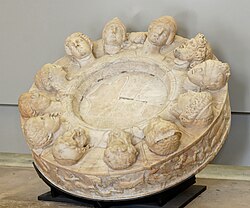
Twelve principal deities (Di Consentes) corresponding to those honoured at the lectisternium of 217 BC, represented on a 1st-century altar from Gabii that is rimmed by the zodiac.

また、農業を司るケレスや、戦争の神マルスなど、生活に密着した神々も数多く存在しました。これらの神々は、ギリシャ神話の神々と結びつけられ、豊かな物語性と体系的な神格を持つようになりました。
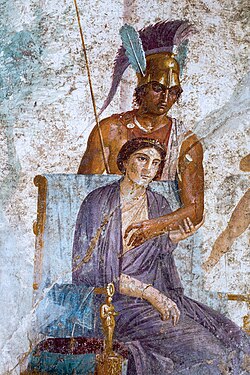
Mars caresses Venus enthroned. Wall-painting in Pompeii, c. 20 BC – 50s AD

さらに、家庭内では「ラレス」や「ペナテス」といった家守神が崇拝され、小さな祭壇(ララリウム)で日々の祈りが捧げられていました。これは公的な宗教とは異なる、極めて私的な信仰の形でした。
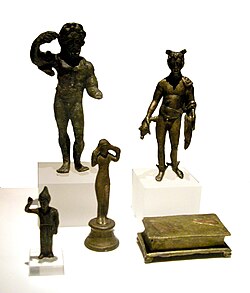
Small bronze statues of gods for a lararium (1st to 3rd century AD, Vindobona)

宗教的実践と国家の儀式

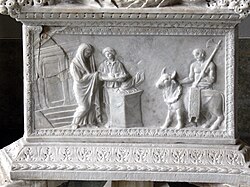
ローマ宗教の核心は、正確な手順で儀式を行うことにありました。液体を捧げる「灌液(リベーション)」や、動物を捧げる「犠牲祭」が一般的であり、手順に不備があれば儀式はやり直しとなりました。
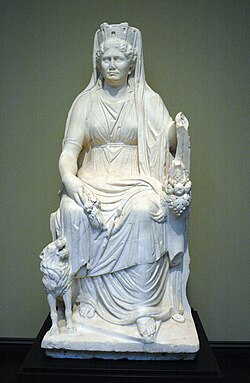
Cybele enthroned, with lion, cornucopia and Mural crown. Roman marble, c. 50 AD (Getty Museum)
Roman relief depicting a scene of sacrifice, with libations at a flaming altar and the victimarius carrying the sacrificial axe

神の意志を読み解く方法として、鳥の飛び方や鳴き声で判断する「鳥占(アウグリュ)」や、動物の内臓の状態を観察する「内臓占(ハルスペキア)」が重視されました。これらは国家の重要な決定を下す際の必須プロセスでした。
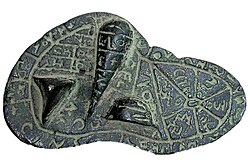
The bronze Liver of Piacenza is an Etruscan artifact that probably served as an instructional model for the haruspex

祭礼(フェスティバル)や競技会(ルディ)も重要な役割を果たし、市民の一体感を高めると同時に、神々への感謝を示す機会となりました。
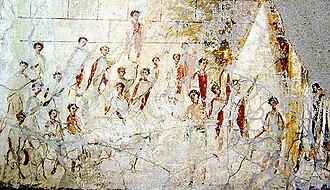
This fresco from outside Pompeii shows Roman men celebrating a religious festival, probably the Compitalia.

司祭職と宗教的権威

ローマの宗教運営は、国家によって任命された司祭たちによって管理されていました。その頂点に立つのが「ポンティフェクス・マクシムス(最高祭司)」であり、宗教的な法と秩序を統括しました。
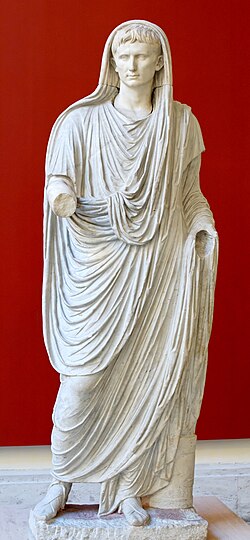
Augustus as Pontifex Maximus (Via Labicana Augustus)

特に特筆すべきは「ヴェスタ処女」です。彼女たちは聖火を絶やさぬよう守る重要な任務を負い、当時の女性としては異例の法的特権を持っていました。
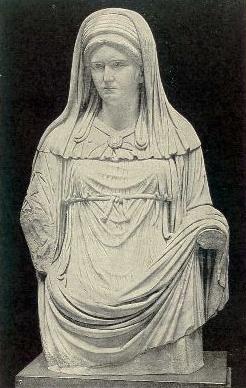
A Roman sculpture depicting a Vestal

また、特定の神に仕える「フラメン」や、外交的な宗教儀式を担う「フェティアレス」など、役割ごとに細分化された司祭団が組織されていました。

Female figure, veiled and seemingly alarmed, from a wall-painting usually described as a narrative from Dionysiac/Bacchic mystery cult, which might also involve Ariadne and a marriage. There is "almost no agreement about how it works in detail". From Pompeii's "Villa of the Mysteries"[95]
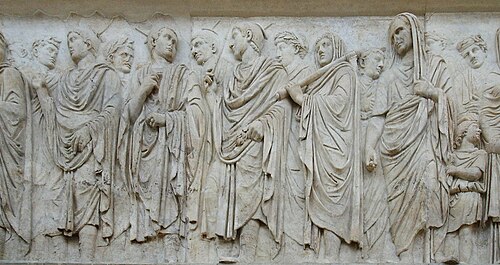
Three flamines in their distinctive pointed headgear, grouped to the centre of a panel from the Ara Pacis

帝国の拡大と信仰の変容

ローマが地中海世界を支配すると、外来の神々が次々と取り入れられました。特に、個人の救済や死後の世界を強調する「神秘宗教」が人気を博しました。例えば、ペルシャ由来のミトラ教は、特に軍人の間で強く支持されました。
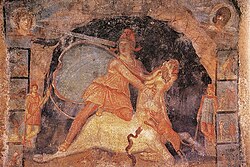
Mithras in a Roman wall painting

また、皇帝自身を神格化する「皇帝崇拝」が導入されました。これは、広大な帝国を一つの忠誠心で結びつけるための政治的なツールとしての側面が強く、地方の神殿でも皇帝への祭祀が行われました。
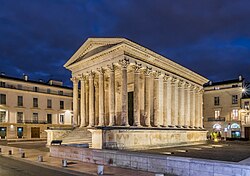
The Maison Carrée in Nîmes, one of the best-preserved Roman temples. It is a mid-sized Augustan provincial temple of the Imperial cult.

キリスト教の台頭と多神教の終焉

紀元後、パレスチナ地方から伝わったキリスト教は、当初は「不敬な迷信」として弾圧されました。しかし、その平等主義的な教えと強い結束力により、次第に社会の底辺から上層部へと浸透していきました。
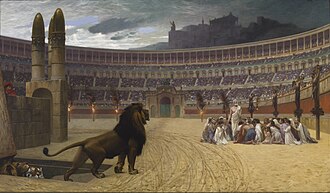
The Christian Martyrs' Last Prayer, by Jean-Léon Gérôme (1883)

転換点は、コンスタンティヌス大帝による公認です。その後、キリスト教は徐々に国教化へと向かい、かつての多神教的な神殿は教会へと姿を変え、あるいは破壊されました。
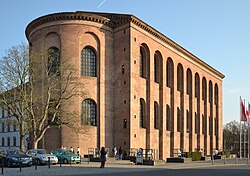
The Aula Palatina of Trier, Germany (then part of the Roman province of Gallia Belgica), built during the reign of Constantine I (r. 306-337 AD)

しかし、完全に消え去ったわけではなく、古い習慣や神々のイメージは、キリスト教の聖人崇拝や民俗信仰の中に形を変えて生き残り、中世ヨーロッパの文化へと引き継がれていきました。
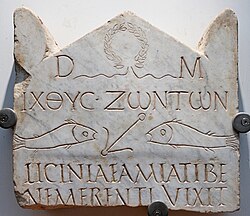
This funerary stele, one of the earliest Christian inscriptions (3rd century), combines the traditional abbreviation D. M., for Dis Manibus, "to the Manes," with the Christian motto Ikhthus zōntōn ("fish of the living") in Greek; the deceased's name is in Latin.
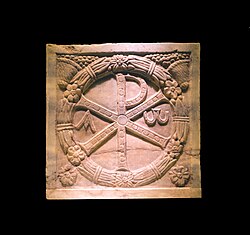
Monogramme of Christ (the Chi Rho) on a plaque of a marble sarcophagus, 4th century CE (Musei Vaticani, here in a temporary exhibition at the Colosseum in Rome, Italy)

ローマ宗教の概要まとめ

古代ローマ宗教の構造的特徴
区分 主な特徴 代表的な例
国家宗教 公的な儀式、政治との密接な結びつき カピトリーノ三神、最高祭司
家庭宗教 私的な崇拝、家族の守護 ラレス、ペナテス
神秘宗教 個人の救済、秘密の儀式 ミトラ教、イシス信仰
皇帝崇拝 政治的忠誠、帝国の統合 神格化された皇帝

その他の関連図像

ローマの宗教的世界観は、芸術作品にも色濃く反映されています。建国神話に登場するロムルスとレムス、あるいはトロイアの英雄アイネアスの物語は、ローマ人のアイデンティティと神聖な運命を象徴していました。
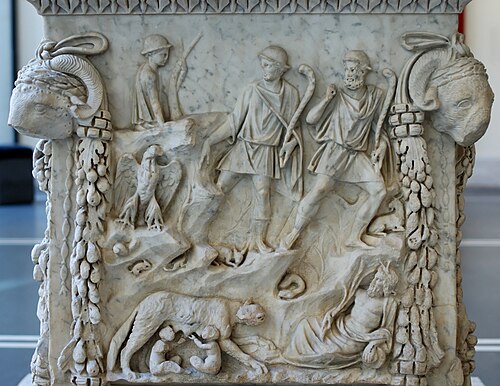
Relief panel from an altar to Venus and Mars depicting Romulus and Remus suckling the she-wolf, and gods representing Roman topography such as the Tiber and Palatine Hill
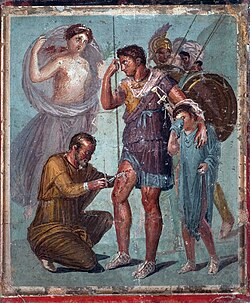
Pompeian fresco; Iapyx removing an arrowhead from Aeneas' thigh, watched by Venus Velificans (veiled)
Aeneas urged by the Penates to continue his journey to found Rome (4th century AD illustration)[13]
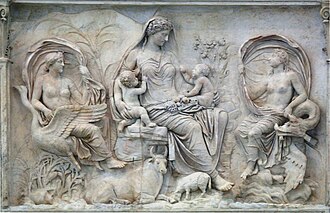
Three goddesses on a panel of the Augustan Ara Pacis, consecrated in 9 BC; the iconography is open to multiple interpretations
Bacchus, or Liber, and Ceres, mounted on a leopard. Fresco in Stabiae, 1st century
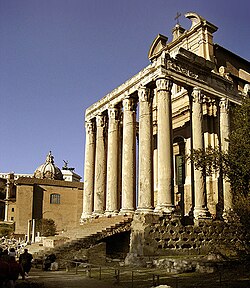
Portico of the Temple of Antoninus and Faustina, later incorporated into a church
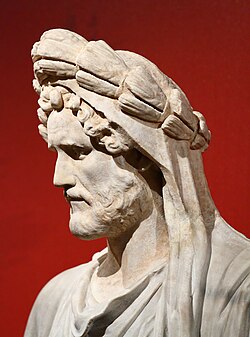
Portrait of the emperor Antoninus Pius (reigned 138–161 AD) in ritual attire as an Arval Brother
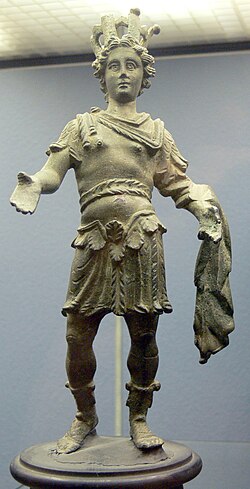
A genius of the legion (2nd–3rd century CE)
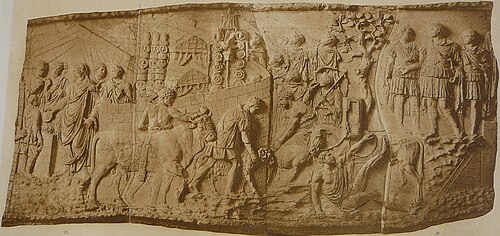
Panel from Trajan's Column depicting the lustral procession of the suovetaurilia victims under military standards
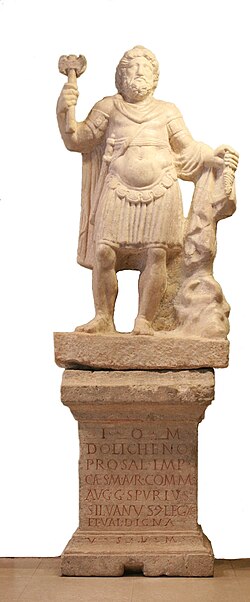
A votive statue of Jupiter Dolichenus dedicated by a centurion for the wellbeing of the emperor (Carnuntum, 3rd century)
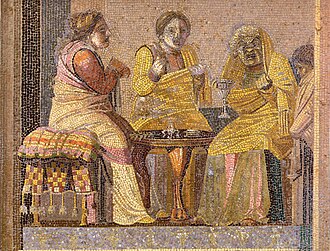
Mosaic from Pompeii depicting masked characters in a scene from a play: two women consult a witch
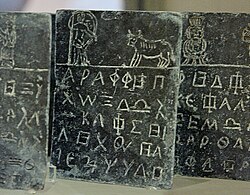
Bound tablets with magic inscriptions from late antiquity
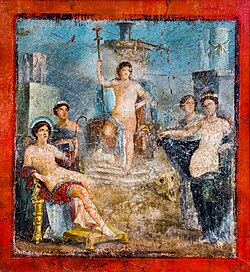
Dionysus (Bacchus) with long torch sitting on a throne, with Helios (Sol), Aphrodite (Venus) and other gods. Wall-painting from Pompeii, Italy
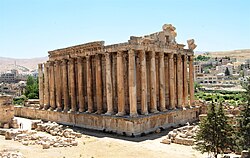
Temple of Bacchus ("Temple of the Sun"), c. 150 AD
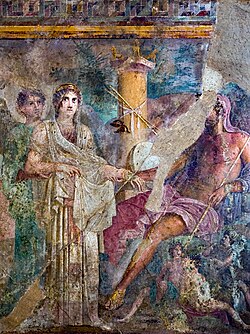
Wedding of Jupiter King of the Gods, and Juno, Queen of Heaven and goddess of marriage, and women. Fresco in Pompeii
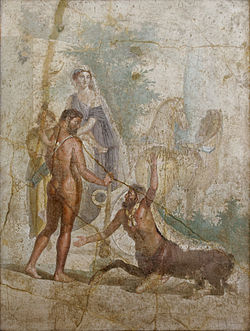
A fresco from Pompeii depicting Hercules, Hyllus, Deianira, and the centaur Nessus from Greco-Roman mythology, 30–45 AD
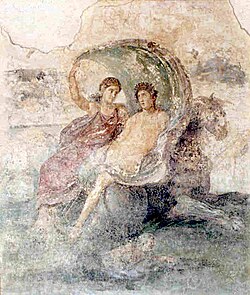
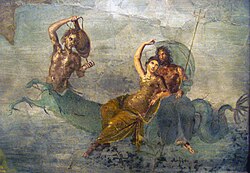
Fresco of Neptune and Salacia, Pompeii
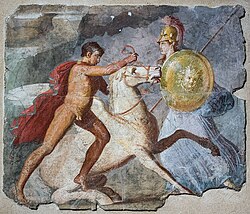
Bellerophon, Pegasus, and Athena (Minerva), fresco of the 3rd style from Pompeii, first half of the 1st century
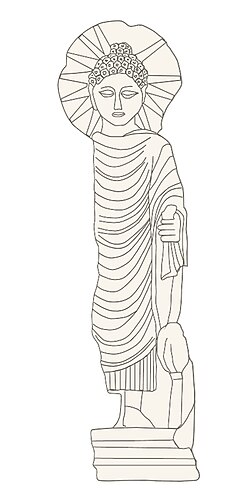
The Berenike Buddha, discovered in Berenice, Egypt, in 2022.
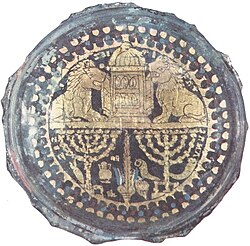
Jewish ritual objects in 2nd-century gold glass from Rome
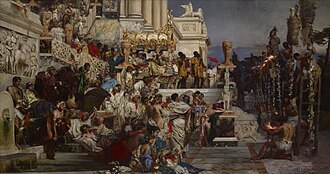
Nero's Torches, by Henryk Siemiradzki (1876). According to Tacitus, Nero used Christians as human torches
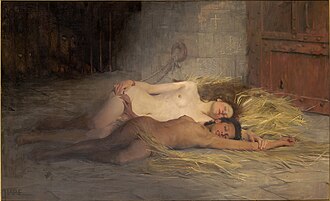
The Victory of Faith, by Saint George Hare, depicts two Christians in the eve of their damnatio ad bestias
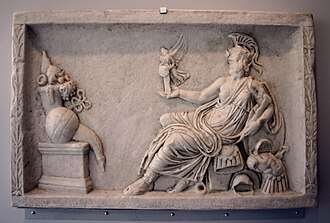
Defaced Dea Roma holding Victory and regarding an altar with a cornucopia and other offerings, copy of a relief panel from an altar or statue base
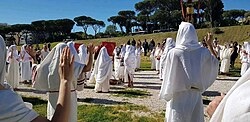
Rituals to the Tutelary Numen of Rome, for the 2777th Natale di Roma. Carried out by Pietas Comunità Gentile
ภาพประกอบบทความ

Frequently Asked Questions

ローマ人は本当に神々を信じていたのでしょうか?

現代的な意味での「信仰(内面的な確信)」よりも、「正しい儀式を行うこと(正当な実践)」に重点を置いていました。神々への敬意を払い、ルールに従って供物を捧げれば、社会的な安定と個人的な利益が得られると考えていました。

なぜキリスト教は激しく弾圧された時期があったのですか?

キリスト教徒が皇帝崇拝を拒否したためです。これは単なる宗教的な対立ではなく、国家に対する反逆や不忠誠とみなされたため、政治的な脅威として扱われました。

「Interpretatio Graeca」とは具体的にどのようなことですか?

ギリシャの神々とローマの神々を同一視することです。例えば、ギリシャのゼウスをローマのユピテルとして、ヘラをユノとして解釈し、神話や属性を統合させました。

ヴェスタ処女にはどのような役割がありましたか?

ローマの街にあるヴェスタ神殿の「聖火」を絶やさず維持することでした。この火はローマ国家の存続を象徴しており、火が消えることは国家に災いが降りかかる前兆と考えられていました。

ミトラ教が軍人に人気だったのはなぜですか?

ミトラ教は階級制度や忠誠心、勇気を重視する教えを持っており、規律を重んじる軍隊の価値観と非常に相性が良かったためと考えられています。

References

  1. (2007). "Roman Religion – Religions of Rome". In A Companion to Roman Religion. Blackwell,. p. 4.
  2. , Florides 1.1; , "Sacrifices for Gods and Ancestors" in A Companion to Roman Religion (Blackwell, 2007), p. 279.
  3. Syme, Ronald (10 November 2016), "Caesar as Pontifex Maximus", in Santangelo, Federico (ed.), Approaching the Roman Revolution (1 ed.), Oxford University PressOxford, pp. 186–195, :10.1093/acprof:oso/9780198767060.003.0021,  , retrieved 3 November 2025
  4. "This mentality," notes John T. Koch, "lay at the core of the genius of cultural assimilation which made the Roman Empire possible"; entry on "Interpretatio romana" in Celtic Culture: A Historical Encyclopedia (ABC-Clio, 2006), p. 974.
  5. Rüpke, "Roman Religion – Religions of Rome", p. 4; Benjamin H. Isaac, The Invention of Racism in Classical Antiquity (Princeton University Press, 2004, 2006), p. 449; W.H.C. Frend, Martyrdom and Persecution in the Early Church: A Study of Conflict from the Maccabees to Donatus (Doubleday, 1967), p. 106.
  6. Janet Huskinson, Experiencing Rome: Culture, Identity and Power in the Roman Empire (, 2000), p. 261. See, for instance, the altar dedicated by a Roman citizen and depicting a sacrifice conducted in the Roman manner for the Germanic goddess in the 2nd century CE.
  7. A classic essay on this topic is , "The Disadvantages of Monotheism for a Universal State", Classical Philology 81.4 (1986) 285–297.
  8. Marcellinus, Ammianus (1939). "The Anonymous Valesianus, first part. The lineage of Emperor Constantine.". In Rolfe, J.C. (ed.). History Volume III. Books 27-31. Excerpta Valesiana.
  9. , The Foundation of Rome: Myth and History (Cornell University Press, 1997), pp. 45–46.
  10. Beard et al., Vol. 1, 1; 189–90 (Aeneas and Vesta): 123–45 (Aeneas and Venus as Julian ancestors). See also Vergil, .

📸 フォトギャラリー

Augustus as Pontifex Maximus (Via Labicana Augustus)
Cybele enthroned, with lion, cornucopia and Mural crown. Roman marble, c. 50 AD (Getty Museum)
Relief panel from an altar to Venus and Mars depicting Romulus and Remus suckling the she-wolf, and gods representing Roman topography such as the Tiber and Palatine Hill
Pompeian fresco; Iapyx removing an arrowhead from Aeneas' thigh, watched by Venus Velificans (veiled)
Aeneas urged by the Penates to continue his journey to found Rome (4th century AD illustration)[13]
Twelve principal deities (Di Consentes) corresponding to those honoured at the lectisternium of 217 BC, represented on a 1st-century altar from Gabii that is rimmed by the zodiac.
Three goddesses on a panel of the Augustan Ara Pacis, consecrated in 9 BC; the iconography is open to multiple interpretations
Bacchus, or Liber, and Ceres, mounted on a leopard. Fresco in Stabiae, 1st century
This fresco from outside Pompeii shows Roman men celebrating a religious festival, probably the Compitalia.
Portico of the Temple of Antoninus and Faustina, later incorporated into a church
Roman relief depicting a scene of sacrifice, with libations at a flaming altar and the victimarius carrying the sacrificial axe
Small bronze statues of gods for a lararium (1st to 3rd century AD, Vindobona)
Portrait of the emperor Antoninus Pius (reigned 138–161 AD) in ritual attire as an Arval Brother
Three flamines in their distinctive pointed headgear, grouped to the centre of a panel from the Ara Pacis
A Roman sculpture depicting a Vestal
The bronze Liver of Piacenza is an Etruscan artifact that probably served as an instructional model for the haruspex
Female figure, veiled and seemingly alarmed, from a wall-painting usually described as a narrative from Dionysiac/Bacchic mystery cult, which might also involve Ariadne and a marriage. There is "almost no agreement about how it works in detail". From Pompeii's "Villa of the Mysteries"[95]
This funerary stele, one of the earliest Christian inscriptions (3rd century), combines the traditional abbreviation D. M., for Dis Manibus, "to the Manes," with the Christian motto Ikhthus zōntōn ("fish of the living") in Greek; the deceased's name is in Latin.
A genius of the legion (2nd–3rd century CE)
Panel from Trajan's Column depicting the lustral procession of the suovetaurilia victims under military standards
A votive statue of Jupiter Dolichenus dedicated by a centurion for the wellbeing of the emperor (Carnuntum, 3rd century)
Mosaic from Pompeii depicting masked characters in a scene from a play: two women consult a witch
Bound tablets with magic inscriptions from late antiquity
Dionysus (Bacchus) with long torch sitting on a throne, with Helios (Sol), Aphrodite (Venus) and other gods. Wall-painting from Pompeii, Italy
Temple of Bacchus ("Temple of the Sun"), c. 150 AD
Wedding of Jupiter King of the Gods, and Juno, Queen of Heaven and goddess of marriage, and women. Fresco in Pompeii
A fresco from Pompeii depicting Hercules, Hyllus, Deianira, and the centaur Nessus from Greco-Roman mythology, 30–45 AD
Mars caresses Venus enthroned. Wall-painting in Pompeii, c. 20 BC – 50s AD
Fresco of Neptune and Salacia, Pompeii
Bellerophon, Pegasus, and Athena (Minerva), fresco of the 3rd style from Pompeii, first half of the 1st century
Mithras in a Roman wall painting
The Maison Carrée in Nîmes, one of the best-preserved Roman temples. It is a mid-sized Augustan provincial temple of the Imperial cult.
The Berenike Buddha, discovered in Berenice, Egypt, in 2022.
Jewish ritual objects in 2nd-century gold glass from Rome
The Christian Martyrs' Last Prayer, by Jean-Léon Gérôme (1883)
Nero's Torches, by Henryk Siemiradzki (1876). According to Tacitus, Nero used Christians as human torches
The Victory of Faith, by Saint George Hare, depicts two Christians in the eve of their damnatio ad bestias
The Aula Palatina of Trier, Germany (then part of the Roman province of Gallia Belgica), built during the reign of Constantine I (r. 306-337 AD)
Monogramme of Christ (the Chi Rho) on a plaque of a marble sarcophagus, 4th century CE (Musei Vaticani, here in a temporary exhibition at the Colosseum in Rome, Italy)
Defaced Dea Roma holding Victory and regarding an altar with a cornucopia and other offerings, copy of a relief panel from an altar or statue base
Rituals to the Tutelary Numen of Rome, for the 2777th Natale di Roma. Carried out by Pietas Comunità Gentile
ภาพประกอบบทความ