人類が土という身近な素材に熱を加えることで、硬く耐久性のある道具を作り出した「陶磁器」の技術は、文明の発展と共に歩んできました。単なる保存容器としての実用的な役割から、高度な芸術作品、さらには現代の工業製品に至るまで、その用途は多岐にわたります。本記事では、陶磁器の基礎知識から、種類ごとの特性、そして世界各地で展開された歴史的な変遷について詳しく解説します。
一般的に陶磁器とは、粘土などの原材料を成形し、高温で焼成して硬化させた製品を指します。これには食器や装飾品だけでなく、衛生設備や工業用の絶縁体なども含まれます。考古学の分野では、特に古代の容器を指して「土器」と呼び、彫像などの立体作品は「テラコッタ」と区別して呼ぶことが一般的です。
Key Facts
- 最古の痕跡: チェコ共和国で約2万9千年〜2万5千年前の陶製 figurines(小像)が発見されている。
- 最古の容器: 中国の江西省で約1万8千年前の土器が確認されており、世界最古とされる。
- 焼成温度: 種類により異なるが、概ね600℃から1,400℃の範囲で加熱される。
- 主要3分類: 低温で焼く「土器(Earthenware)」、中温の「せともの(Stoneware)」、高温の「磁器(Porcelain)」に分けられる。
- 物理的変化: 高温焼成により、粘土の化学構造が変化し、強度と剛性が向上する。
陶磁器の主要な種類と特性
陶磁器は、使用される粘土の種類と焼成温度によって、大きく3つのカテゴリーに分類されます。
土器(Earthenware)
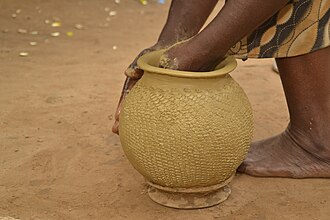
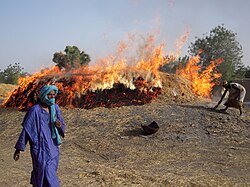
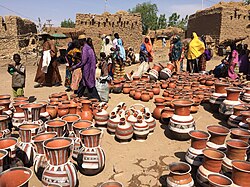
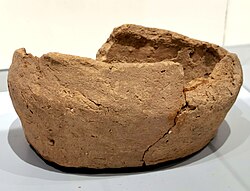
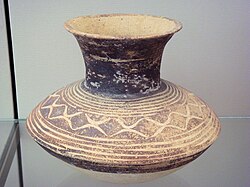
最も原始的な形態であり、比較的低い温度(通常1,200℃未満、低ければ600℃から)で焼成されます。初期の土器は野焼きや穴焼きで作られ、装飾のない手練りのものが主流でした。吸水性があるため、液体を保持するには釉薬などの処理が必要です。
せともの(Stoneware)
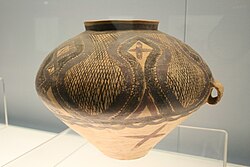
約1,100℃から1,200℃の高温で焼成されるため、土器よりも強度が高く、液体を通さない非浸透性の性質を持ちます。中国では古くから開発されていましたが、ヨーロッパでは窯の効率や適切な粘土の不足により、中世後期まで普及しませんでした。
磁器(Porcelain)
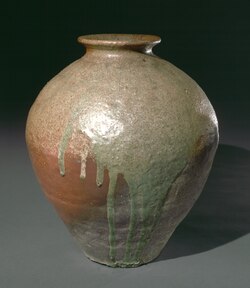
カオリンなどの特殊な原料を用い、1,200℃から1,400℃という極めて高い温度で焼成されます。この高温状態で「ガラス化(vitrification)」が起こり、ムライトという鉱物が形成されることで、磁器特有の硬度、強度、そして光を透過する透光性が生まれます。
製造プロセスと技術的工程
一つの作品が完成するまでには、原材料の準備から最終的な装飾まで、厳格な工程が必要です。
成形と乾燥
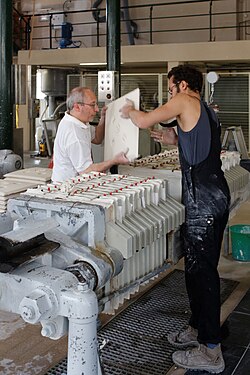
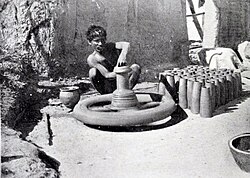
まず、粘土を練り上げて気泡を取り除き、目的の形状に成形します。手びねりやろくろによる成形のほか、現代では型に泥しょう(液体状の粘土)を流し込む「鋳込み(slip casting)」や、機械で押し出す「押出成形」などの手法が用いられます。
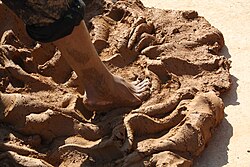
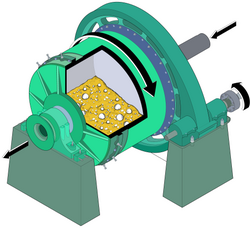
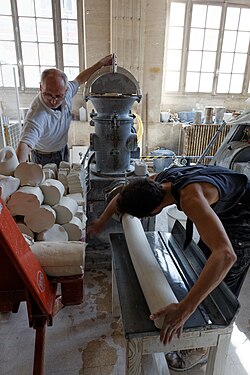
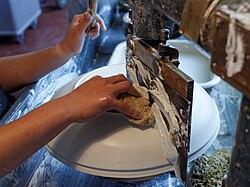
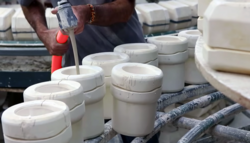
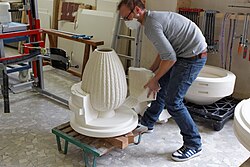
成形後の作品は、焼成前に適切に乾燥させる必要があります。急激な乾燥はひび割れの原因となるため、慎重な水分管理が行われます。
焼成(Firing)
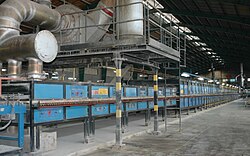
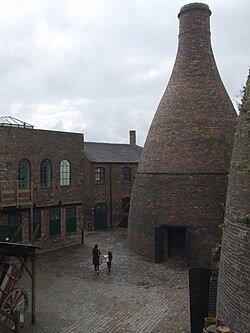
乾燥した作品を窯に入れ、高温で加熱します。温度だけでなく、加熱時間(ヒートワーク)や窯内部の雰囲気(酸化・還元)が、最終的な色や質感に大きな影響を与えます。伝統的な穴焼きから、現代のトンネル窯まで、時代と共に効率的な加熱設備が開発されてきました。
装飾と釉薬(Glazing)
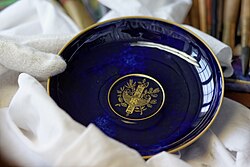
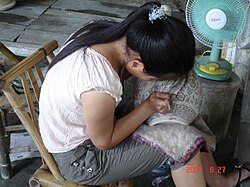
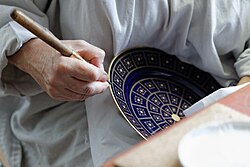
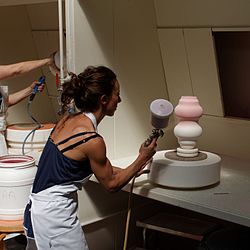
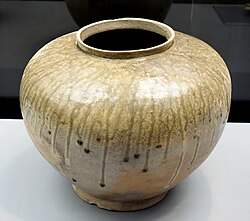
焼成の前後に、彩色の絵付けや釉薬の塗布が行われます。釉薬はガラス質の層を形成し、防水性を高めるだけでなく、美しい色彩や光沢を与えます。金彩などの高級な装飾は、さらに別の工程で施されることがあります。
世界各地における陶磁器の歴史
| 地域 | 特徴的な文化・技法 | 主な時代・傾向 |
|---|---|---|
| 東アジア | 縄文土器、青磁、白磁 | 世界最古の土器容器(中国)や高度な磁器技術が発展。 |
| 南アジア | 縄文様式、テラコッタ彫像 | 実用的な大型容器や宗教的な彫像が中心。 |
| 西アジア | ハッスナ、ハラフ、ウバイド文化 | 肥沃な三日月地帯で新石器時代に急速に普及。 |
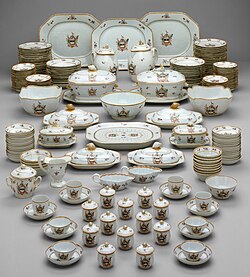
| ヨーロッパ | ギリシャ赤像式、ウェッジウッド | 古代ギリシャの絵付け土器から、英国の工業的生産へ。 |
| 南北アメリカ | マヤ文明の彩色土器、モチェの肖像容器 | 独自に発展し、高度なテラコッタ彫刻を制作。 |
| アフリカ | マリやガーナの初期土器 | 東アジア以外で最古級の土器が発見されている。 |
アジアの革新
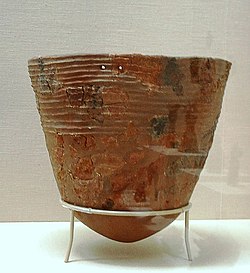
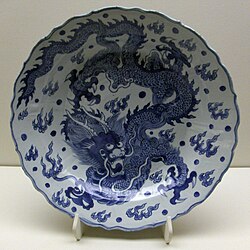
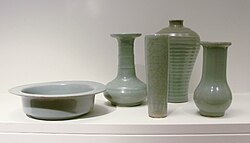
中国では、唐時代にはすでに透光性のある磁器が輸出されていました。日本においては、縄文時代の縄目文様が特徴的な土器から始まり、後に朝鮮半島からの技術導入を経て、有田などで白磁の生産が始まりました。
![Xianren Cave pottery fragments, radiocarbon dated to circa 18,000 BC, China[99][100]](/images/32/10/3210cbc022c61cc5f6e4e1ef41a97a58003bfc259d27a7347ee33d9aeafd804d.jpg)
地中海とヨーロッパの展開
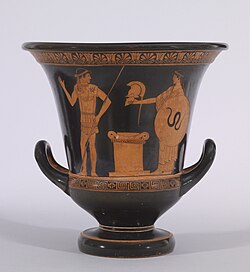
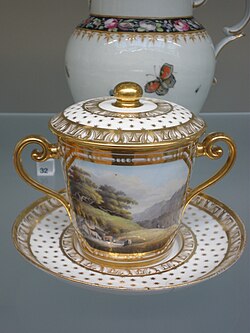
古代ギリシャでは、人間をモチーフにした精巧な絵付け土器が発展し、ろくろが一般的に使用されました。近代に入ると、英国のストーク・オン・トレントのような工業都市で、ジョサイア・ウェッジウッドらにより大量生産体制が確立されました。
その他の地域
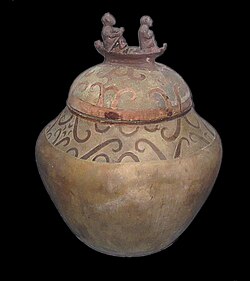
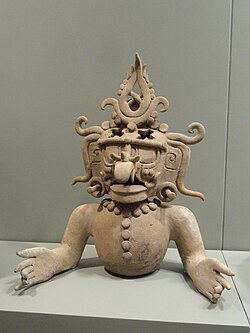
アメリカ大陸では、マヤ文明などが精巧な彩色容器やテラコッタ彫刻を制作しました。また、アフリカのマリやガーナでも、紀元前9,000年頃という極めて早い時期から土器が作られていたことが判明しています。
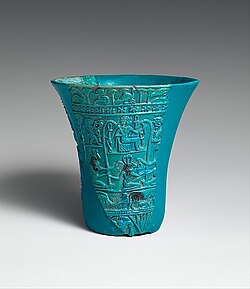
考古学における役割
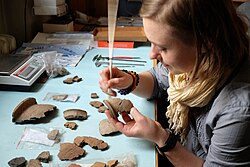
陶磁器の破片(陶片)は、分解されにくいため、考古学において極めて重要な手がかりとなります。文様や色、粘土の組成を分析することで、当時の交易ルートや文化圏、社会構造を明らかにすることができます。
Frequently Asked Questions
土器、せともの、磁器の決定的な違いは何ですか?
主に「焼成温度」と「原料」の違いです。土器は低温で焼かれ吸水性がありますが、せとものは中温で焼かれ硬く、磁器はカオリンを用いて超高温で焼かれるため、非常に硬く、白く、光を通す性質を持ちます。
世界で最も古い土器はどこで見つかりましたか?
現在、世界最古の土器容器は中国の江西省にある先人洞(Xianren Cave)で発見されており、約2万年前のものとされています。ただし、容器ではない陶製の小像であれば、チェコで約2万9千年〜2万5千年前のものが発見されています。
釉薬(ゆうやく)にはどのような役割がありますか?
釉薬は、焼成後に表面にガラス質の層を作ることで、土器などの多孔質な素材に防水性を与える実用的な役割と、色彩や光沢を加えて美しく見せる装飾的な役割の両方を担っています。
なぜ陶磁器は考古学で重要視されるのですか?
陶磁器は一度焼成されると化学的に安定し、数千年にわたって腐食せずに残るためです。その形状や装飾、素材の分析から、当時の生活様式や文化的な交流、年代特定が可能です。
References
- 'Standard Terminology Of Ceramic Whitewares And Related Products.' ASTM C 242–01 (2007.) ASTM International.
- "terracottas (sculptural works)", Getty Art & Architecture Thesaurus
- Lienhard, John H. (November 24, 1989). "No. 359: The Dolni Vestonice Ceramics". The Engines of Our Ingenuity. University of Houston. Archived from the original on January 9, 2010. Retrieved September 4, 2010.
- Diamond, Jared (June 1998). "Japanese Roots". Discover. Discover Media LLC. Archived from the original on 2010-03-11. Retrieved 2010-07-10.
- Derevianko, A.P; Kuzmin, Y.V; Burr, G.S; Jull, A.J.T; Kim, J.C (August 2004). "AMS 14C age of the earliest pottery from the Russian Far East: 1996–2002 results". Nuclear Instruments and Methods in Physics Research Section B: Beam Interactions with Materials and Atoms. 223–224: 735–739. :10.1016/j.nimb.2004.04.136.
- Simon Bradley, A Swiss-led team of archaeologists has discovered pieces of the oldest African pottery in central Mali, dating back to at least 9,400BC, SWI swissinfo.ch – the international service of the Swiss Broadcasting Corporation (SBC), 18 January 2007. Archived 2012-03-06 at the
- Roosevelt, Anna C. (1996). "The Maritime, Highland, Forest Dynamic and the Origins of Complex Culture". In Frank Salomon; Stuart B. Schwartz (eds.). The Cambridge History of the Native Peoples of the Americas. Cambridge, England New York: Cambridge University Press. pp. 264–349. . Archived from the original on 2019-12-07. Retrieved 2019-10-17.
- Wolfert, P. (2009). Mediterranean Clay Pot Cooking. Wiley.
- McGee, H. (2004). On Food and Cooking. Scribner.
- Kingery, W. D. et al. (1976). Introduction to Ceramics. Wiley-Interscience.
📸 フォトギャラリー