J
jwiki
.wiki
ホーム
記事一覧
タグ
黄道傾斜角
4
件の記事
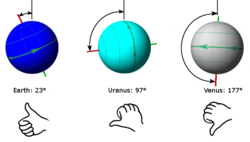
自転軸の傾き(黄道傾斜角)が惑星の気候と季節に与える影響
自転軸の傾き
黄道傾斜角
季節のメカニズム
地球の公転
地軸の歳差運動地球の回転軸が描く26,000年の巨大なサイクル
歳差運動
地軸
春分点
天文学
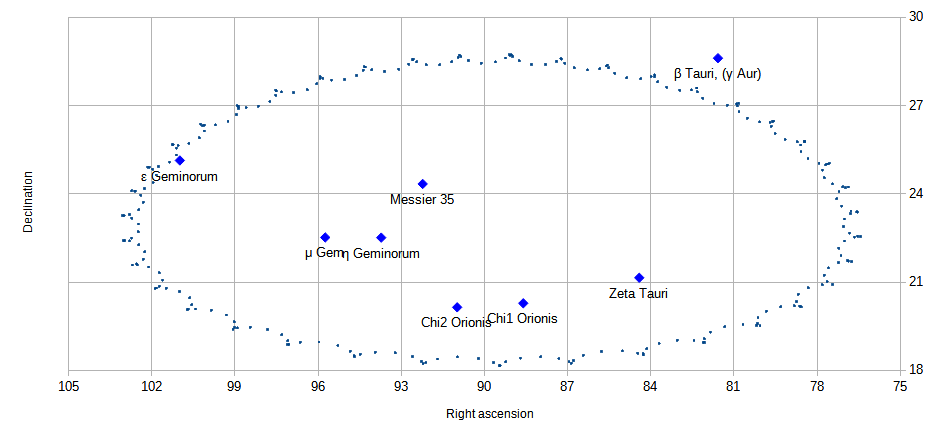
月面停止(ルナスティス)のメカニズムと18.6年周期の天文学的影響
月面停止
ルナスティス
赤緯
主要月面停止
月軌道のメカニズム地球とのダイナミックな相互作用
月
軌道
地球
重心
![Precessional movement of Earth. Earth rotates (white arrows) about once a day around its rotational axis (red); this axis itself rotates slowly (white circle), completing a rotation in approximately 26,000 years[1]](/images/50/03/50036f38b878406a0ec8640357542307b21703096c381be961648b67eebcb8e4.webp)
![Orbital dynamics of the Moon, with exaggerated paths and sizes, particularly illustrating that the Moon's orbit is on average slightly more outbound than inbound around the Sun, perturbed by Earth.[6]](/images/9d/1c/9d1cb1f6fd772f11b6a97893a1348233683065309ccfd1f4ac85c35eb8ca3bd6.jpg)