タグ

重心

8 件の記事

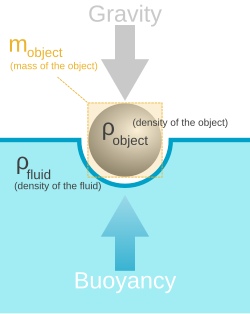
The forces at work in buoyancy. The object floats at rest because the upward force of buoyancy is equal to the downward force of gravity.

浮力(Buoyancy)の仕組みとアルキメデスの原理物体が浮く理由を科学的に解説

浮力アルキメデスの原理流体力学密度
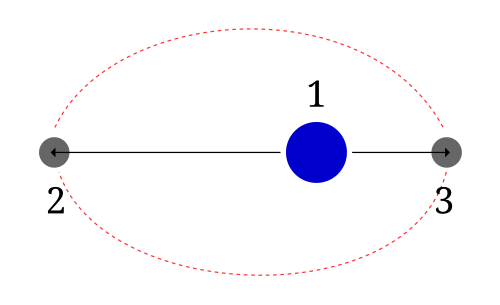
The apsides refer to the farthest (2) and nearest (3) points reached by an orbiting planetary body (2 and 3) with respect to a primary, or host, body (1)

近点と遠点(アプシス)天体軌道の極値とそのメカニズム

アプシス近点遠点近日点
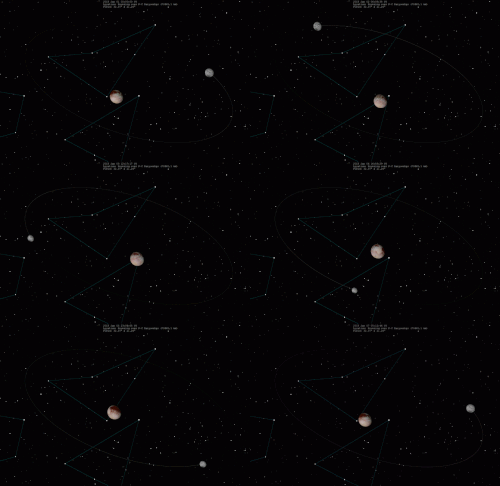
The dwarf planet Pluto and its moon Charon are often described as a binary system in the Solar System, which orbit the Sun.

連星系とバイナリシステム宇宙に浮かぶペアの正体

連星バイナリシステム天文学重心
The apsides refer to the farthest (2) and nearest (3) points reached by an orbiting planetary body (2 and 3) with respect to a primary, or host, body (1)

近点と遠点(アプシス)天体軌道の極値とそのメカニズム

アプシス近点遠点近日点
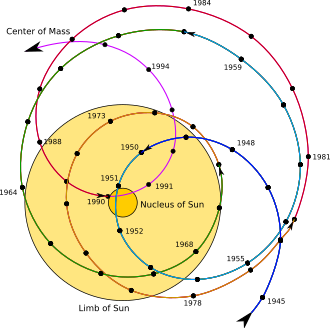
Motion of the Solar System's barycenter relative to the Sun

主星(プライマリー)とは天体システムにおける中心的な役割と重心の仕組み

主星プライマリー重心バリセンター
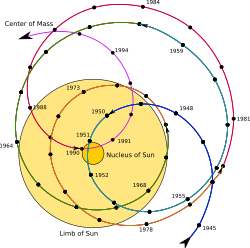
Motion of the Solar System's barycenter relative to the Sun

重心(バリセンター)が解き明かす天体のダイナミクス

重心バリセンター天体力学二体問題
Motion of the Solar System's barycenter relative to the Sun

主星(プライマリー)とは天体力学における中心天体の定義と役割

主星プライマリー重心バリセンター
Orbital dynamics of the Moon, with exaggerated paths and sizes, particularly illustrating that the Moon's orbit is on average slightly more outbound than inbound around the Sun, perturbed by Earth.[6]

月軌道のメカニズム地球とのダイナミックな相互作用

軌道地球重心