Color lines in a spectral range
← ホームへ戻る

亜鉛(Zinc)の特性と多才な用途工業から生命維持まで

🗓 2026年8月10日

銀白色の光沢を持つ亜鉛Znは、私たちの日常生活から高度な工業製品、さらには生命維持に不可欠な生体機能まで、極めて幅広い分野で活躍している元素です。周期表の第12族に属し、その独特な化学的性質により、特に金属の腐食を防ぐ役割や、体内の酵素活性を支える重要な役割を担っています。

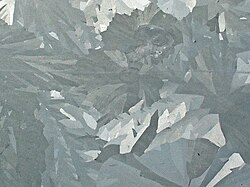
亜鉛の結晶は針状の形態を示すことがあり、これがドイツ語で「歯のような」を意味する「zinke」に由来し、現在の名称へと繋がったと言われています。

Alchemical symbol for the element zinc

Key Facts

  • 原子番号30のdブロック元素で、標準原子量は65.38です。
  • 防錆性能に優れ、鉄の表面を保護する「ガルバナイズ(亜鉛めっき)」に大量に使用されています。
  • 必須微量元素として、人間の免疫機能やDNAの読み取り(亜鉛指)に不可欠です。
  • 主要な産出国は中国、ペルー、オーストラリアなどで、世界的に重要な工業資源です。
  • 銅と合金にすることで、真鍮(黄銅という汎用性の高い金属になります。

物理的・化学的特性

亜鉛は常温で固体であり、融点は419.53°C、沸点は907°Cです。密度は20°Cで7.140 g/cm³であり、結晶構造は六方最密充填構造(hcp)をとります。磁性に関しては反磁性を示し、モース硬度は2.5と比較的柔らかい金属です。

Color lines in a spectral range
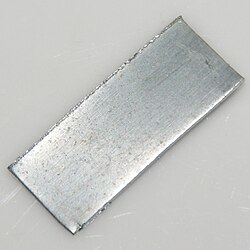
Piece of zinc sheet

化学的には、主に+2の酸化状態で安定しており、反応性が高いため、単体で存在することは稀です。自然界では主に閃亜鉛鉱(ZnS)などの鉱物として産出されます。
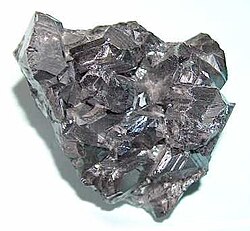
A black shiny lump of solid with uneven surface

主要な物理定数まとめ

亜鉛の基本物理特性
特性項目 数値・詳細
原子番号 / 記号 30 / Zn
融点 / 沸点 419.53 °C / 907 °C
密度 (20°C) 7.140 g/cm³
結晶構造 六方最密充填構造 (hcp)
標準原子量 65.38 ± 0.02

工業的利用と生産

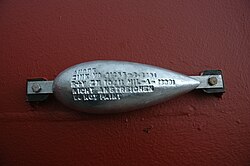
亜鉛の最大の用途は、鉄鋼の腐食を防ぐガルバナイズ(亜鉛めっき)です。これは鉄よりも亜鉛の方が反応性が高いため、亜鉛が先に腐食することで内部の鉄を守る「犠牲防食」という仕組みを利用しています。
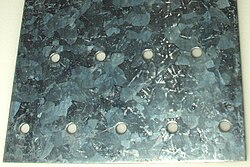
Hot-dipped galvanized steel tie plate. The steel is protected from corrosion by a coating of zinc, a process called galvanization.
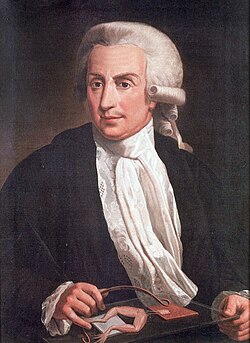
Painting of a middle-aged man sitting by the table, wearing a wig, black jacket, white shirt and white scarf.
Merged elongated crystals of various shades of gray.
Zinc sacrificial anode

また、銅との合金である真鍮(ブラス)は、古くから装飾品や楽器、工業部品に使用されてきました。古代ローマ時代のバケツなど、歴史的な遺物からもその利用が確認されています。
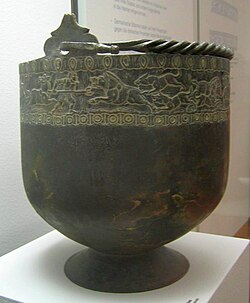
Large black bowl-shaped bucket on a stand. The bucket has incrustation around its top.
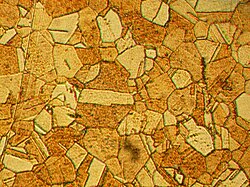
A mosaica pattern composed of components having various shapes and shades of brown.

生産プロセスと世界情勢

亜鉛の抽出は、主に硫化亜鉛鉱石を焙焼して酸化亜鉛(ZnO)に変え、それを炭素などで還元して金属亜鉛を得る方法や、硫酸を用いて溶出させた後に電解採取(エレクトロウィニング)する方法で行われます。
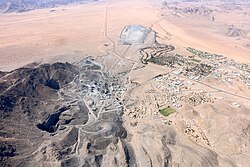
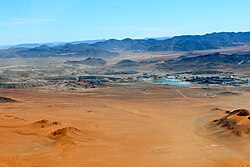
Zinc Mine Rosh Pinah, Namibia WikiMiniAtlas27°57′17″S 016°46′00″E / 27.95472°S 16.76667°E / -27.95472; 16.76667 (Rosh Pinah)
Zinc Mine Skorpion, Namibia WikiMiniAtlas27°49′09″S 016°36′28″E / 27.81917°S 16.60778°E / -27.81917; 16.60778 (Skorpion)

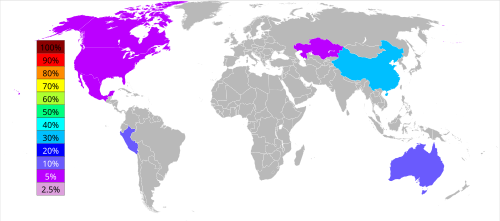
世界的な生産量は中国が圧倒的に多く、次いでペルー、オーストラリア、インドなどが続きます。市場価格は変動しますが、工業的な需要は常に高く、リサイクル技術の向上も進められています。
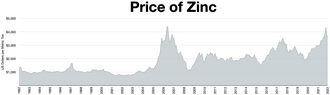
Price of Zinc
World map revealing that about 40% of zinc is produced in China, 20% in Australia, 20% in Peru, and 5% in US, Canada and Kazakhstan each.
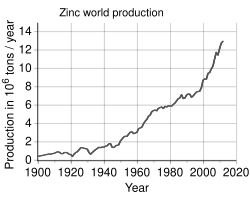
World production trend

化学化合物と多様な応用

亜鉛は様々な化合物を形成します。例えば、酸化亜鉛(ZnO)は塗料の白色顔料として広く利用されており、塩化亜鉛酢酸亜鉛などの塩類も化学合成や工業プロセスで重要です。

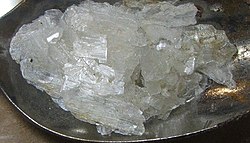
Sheets of zinc acetate formed by slow evaporation
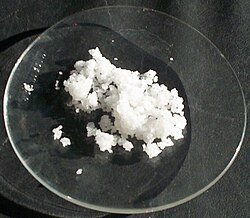
White lumped powder on a glass plate
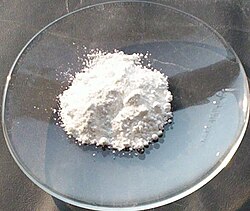
White powder on a glass plate

有機化学の分野では、ジフェニル亜鉛などの有機亜鉛化合物が、特定の立体構造を持つ分子を合成するための触媒や試薬として活用されています。

Enantioselective addition of diphenylzinc to an aldehyde[172]

生物学的役割と健康への影響

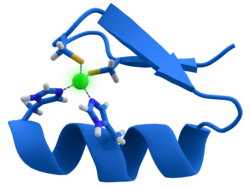
亜鉛は人間を含む多くの生物にとって不可欠な必須微量元素です。特に、タンパク質の構造を安定させる「亜鉛指(Zinc finger)」と呼ばれる構造は、タンパク質がDNA配列を認識して結合するために極めて重要な役割を果たしています。
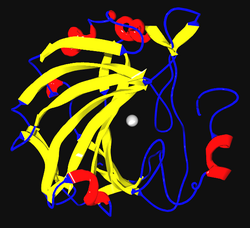
Interconnected stripes, mostly of yellow and blue color with a few red segments.
A twisted band, with one side painted blue and another gray. Its two ends are connected through some chemical species to a green atom (zinc).

また、炭酸脱水酵素などの多くの酵素の活性中心に位置し、代謝や免疫機能の維持に寄与しています。不足すると成長遅延や免疫力低下を招くため、食事からの摂取が重要です。主な供給源としては、肉類、魚介類、種実類などが挙げられます。
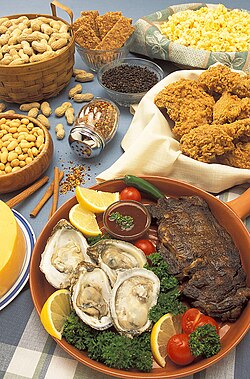
Several plates full of various cereals, fruits and vegetables on a table.

サプリメントとしては、吸収効率の良いグルコン酸亜鉛などが利用されており、風邪の予防や胃腸炎の治療補助として用いられることがあります。
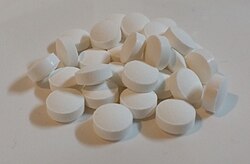
Zinc gluconate supplement pills
Skeletal chemical formula of a planar compound featuring a Zn atom in the center, symmetrically bonded to four oxygens. Those oxygens are further connected to linear COH chains.

歴史的背景

亜鉛の利用は古く、紀元前1000年以前のインドの冶金術にまで遡ります。しかし、単体としての亜鉛が科学的に分離・認識されたのは比較的後になってからで、1746年にアンドレアス・ジギスムント・マルグラーフによって純粋な亜鉛が単離されたことで、近代的な理解が進みました。
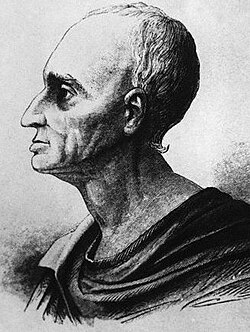
Picture of an old man head (profile). The man has a long face, short hair and tall forehead.

Frequently Asked Questions

亜鉛が鉄のサビを防ぐ仕組みは何ですか?

亜鉛は鉄よりも化学的に反応しやすいため、鉄の代わりに亜鉛が優先的に酸化(腐食)します。これにより、内部の鉄に酸素や水分が届くのを防ぎ、腐食を食い止める「犠牲防食」という仕組みで保護しています。

体内で亜鉛が不足するとどうなりますか?

亜鉛は免疫系や細胞分裂に深く関わっているため、不足すると免疫力の低下、皮膚炎、味覚障害、成長遅延などの症状が現れる可能性があります。

真鍮(しんちゅう)とは何からできている金属ですか?

真鍮は、銅と亜鉛の合金です。配合比率を変えることで、色や強度、加工性を調整できるため、装飾品から精密機械の部品まで幅広く利用されています。

「亜鉛指」とは具体的にどのようなものですか?

タンパク質の一部に亜鉛イオンが組み込まれ、特定の立体構造(指のような形状)を形成したものです。この構造があることで、タンパク質がDNAの特定の塩基配列を正確に認識し、遺伝子のスイッチを制御することが可能になります。

亜鉛の主な産出源となる鉱石は何ですか?

最も代表的な鉱石は閃亜鉛鉱(Sphalerite)で、化学組成は硫化亜鉛(ZnS)です。ここから焙焼や電解などのプロセスを経て純粋な亜鉛が抽出されます。

References

  1. The thermal expansion of zinc is . The for each crystal axis are (at 20 °C): αa = 13.06×10⁻⁶/K, αc = 64.12×10⁻⁶/K, and αaverage = αvolume/3 = 30.08×10⁻⁶/K.
  2. The elements are from different metal groups. See periodic table.
  3. An ship carrying a cargo of nearly pure zinc metal from the Orient sank off the coast Sweden in 1745.(, p. 502)
  4. Electric current will naturally flow between zinc and steel but in some circumstances inert anodes are used with an external DC source.

📸 フォトギャラリー

Color lines in a spectral range
Piece of zinc sheet
A black shiny lump of solid with uneven surface
Hot-dipped galvanized steel tie plate. The steel is protected from corrosion by a coating of zinc, a process called galvanization.
Sheets of zinc acetate formed by slow evaporation
White lumped powder on a glass plate
Large black bowl-shaped bucket on a stand. The bucket has incrustation around its top.
Alchemical symbol for the element zinc
Picture of an old man head (profile). The man has a long face, short hair and tall forehead.
Painting of a middle-aged man sitting by the table, wearing a wig, black jacket, white shirt and white scarf.
Price of Zinc
World map revealing that about 40% of zinc is produced in China, 20% in Australia, 20% in Peru, and 5% in US, Canada and Kazakhstan each.
World production trend
Zinc Mine Rosh Pinah, Namibia WikiMiniAtlas27°57′17″S 016°46′00″E / 27.95472°S 16.76667°E / -27.95472; 16.76667 (Rosh Pinah)
Zinc Mine Skorpion, Namibia WikiMiniAtlas27°49′09″S 016°36′28″E / 27.81917°S 16.60778°E / -27.81917; 16.60778 (Skorpion)
Merged elongated crystals of various shades of gray.
Zinc sacrificial anode
A mosaica pattern composed of components having various shapes and shades of brown.
White powder on a glass plate
Enantioselective addition of diphenylzinc to an aldehyde[172]
Zinc gluconate supplement pills
Skeletal chemical formula of a planar compound featuring a Zn atom in the center, symmetrically bonded to four oxygens. Those oxygens are further connected to linear COH chains.
Interconnected stripes, mostly of yellow and blue color with a few red segments.
A twisted band, with one side painted blue and another gray. Its two ends are connected through some chemical species to a green atom (zinc).
Several plates full of various cereals, fruits and vegetables on a table.