Color lines in a spectral range
← ホームへ戻る
硫黄元素同素体硫酸化学特性

硫黄の特性と多才な用途化学的性質から産業利用まで

🗓 2026年8月11日

鮮やかな黄色い結晶で知られる硫黄(Sulfur)は、地球上の至る所に存在し、私たちの生活や産業に不可欠な元素です。古代から知られていたこの物質は、単なる鉱物としての価値だけでなく、現代の化学工業や生物学的な生命維持においても極めて重要な役割を担っています。

硫黄は周期表の第16族(カルコゲン)に属し、原子番号16の非金属元素です。その最大の特徴は、非常に多様な形態(同素体)を持つことであり、温度や条件によってその構造を劇的に変化させます。

Color lines in a spectral range

Key Facts

  • 外観: 標準状態ではレモン色の微結晶として存在。
  • 同素体: 30種類以上の固体同素体を持ち、全元素の中で最多。
  • 宇宙的分布: 宇宙で10番目に多く存在する元素。
  • 主要用途: 硫酸の製造、肥料、医薬品、ゴムの加硫など。
  • 生物学的役割: タンパク質の構造を維持するジスルフィド結合に不可欠。

物理的・化学的特性

硫黄は常温で固体ですが、加熱すると特有の変化を見せます。融点(約115.21°C)に達すると液体となり、さらに加熱すると沸点(約444.6°C)まで上昇します。燃焼時には青い炎を上げ、刺激臭のある硫黄酸化物を放出します。
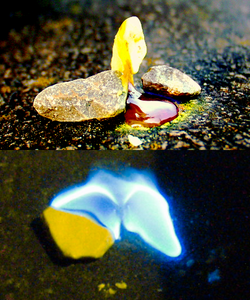
As a solid, sulfur is a characteristic lemon yellow; when burned, sulfur melts into a blood-red liquid and emits a blue flame.

多様な同素体と構造

硫黄の最も一般的な形態は、8つの原子が環状に結びついたS8(環状硫黄)です。しかし、原子の数を変えたS6やS7、さらにはより大きな環状構造や鎖状構造など、驚くほど多くの同素体が存在します。
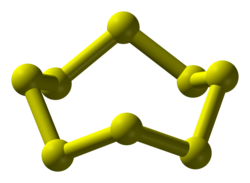
The structure of the cyclooctasulfur molecule, S8

化学反応の傾向

硫黄は酸化状態が非常に幅広く(-2から+6まで)、多様な化合物を作ります。水素と反応すれば弱酸性の硫化水素となり、酸素と反応すれば二酸化硫黄や三酸化硫黄となります。また、強酸性溶液中で酸化剤と反応させると、深青色(S82+)や黄色(S42+)、赤色(S192+)といった色彩豊かなポリカチオン溶液を形成します。
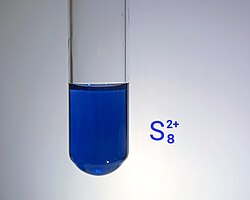
When sulfur is dissolved in oleum, a dark blue solution containing S82+ is obtained

自然界における存在と採取

硫黄は巨大な恒星内部での核融合(アルファプロセス)によって生成され、宇宙に広く分布しています。地球上では、火山地帯や塩ドームなどの地層から天然硫黄として採取されます。
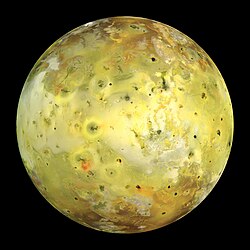
Most of the yellow and orange hues of Io are due to elemental sulfur and sulfur compounds deposited by active volcanoes.

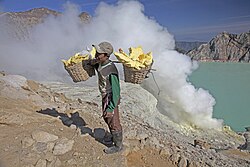
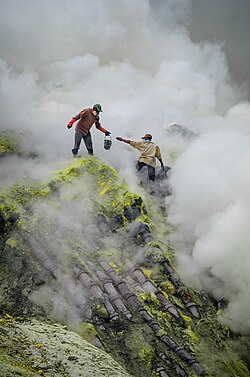
伝統的な採取方法では、火山から噴出するガスを冷却して凝結させる手法が取られてきました。インドネシアのイジェン火山などでは、今なお過酷な環境下で手作業による採掘が行われています。
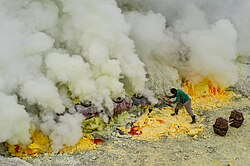
Sulfur extraction, East Java

A man carrying sulfur blocks from Kawah Ijen, a volcano in East Java, Indonesia, 2009

Traditional sulfur mining at Ijen Volcano, East Java, Indonesia. This image shows the dangerous and rugged conditions the miners face, including toxic smoke and high drops, as well as their lack of protective equipment. The pipes over which they are standing are for condensing sulfur vapors.

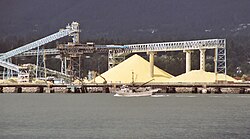
現代では、石油や天然ガスの精製過程で副産物として回収される量が多く、これが世界の主要な供給源となっています。
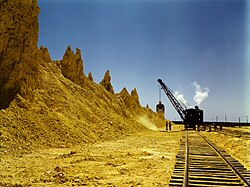
Sulfur vat from which railroad cars are loaded, Freeport Sulphur Co., Hoskins Mound, Texas (1943)

Sulfur recovered from hydrocarbons in Alberta, stockpiled for shipment in North Vancouver, British Columbia

産業利用と歴史的背景

硫黄の最大の用途は硫酸の製造です。硫酸は肥料の原料となるリン酸の製造などに不可欠であり、「工業の血液」とも呼ばれるほど重要です。
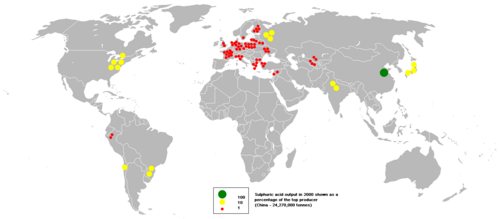
Sulfuric acid production in 2000

多様な応用分野

  • 農業: 殺菌剤や農薬、肥料として利用。
  • 医療: 抗真菌・抗菌作用を持ち、ニキビや皮膚疾患の治療薬に使用。
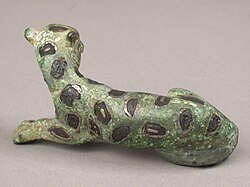
  • 工芸・芸術: 金属と硫黄の混合物であるニエロ(黒金)を用いた装飾。
  • エネルギー: リチウム硫黄電池などの次世代蓄電池への応用研究。

Roman brooch in the form of a panther (copper alloy, 100-300 AD). The spots are made of niello, a black mixture of metal and sulfur.

Sulfur has antifungal, antibacterial, and keratolytic activity; in the past it was used against acne vulgaris, rosacea, seborrheic dermatitis, dandruff, pityriasis versicolor, scabies, and warts.[109] This 1881 advertisement baselessly claims efficacy against rheumatism, gout, baldness, and graying of hair.

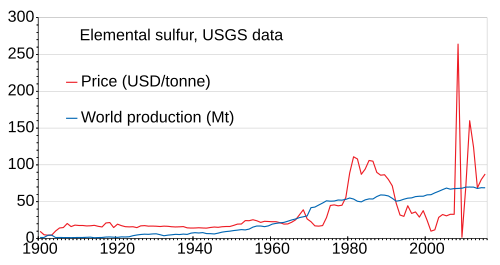
Production and price (US market) of elemental sulfur

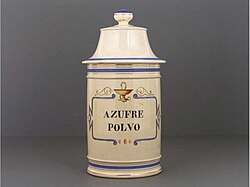
Pharmaceutical container for sulfur from the first half of the 20th century. From the Museo del Objeto del Objeto collection

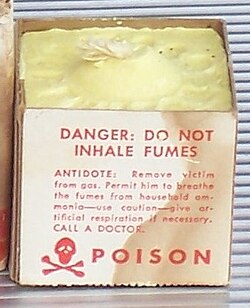
Sulfur candle originally sold for home fumigation

歴史的な利用

古代から硫黄は宗教的な儀式や錬金術、さらには初期の戦争における火薬の原料として利用されてきました。また、真空の概念を証明したゲリケの実験など、科学史においても重要な役割を果たしています。
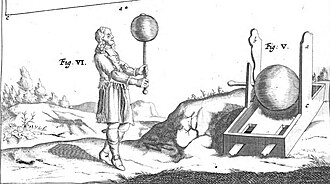
Guericke's sulfur globe experiments.

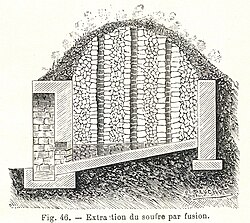
Sicilian kiln used to obtain sulfur from volcanic rock (diagram from a 1906 chemistry book)

生物学的な役割と環境への影響

生命体にとって硫黄は必須元素です。特にタンパク質において、2つのシステイン残基の間で形成されるジスルフィド結合(S-S結合)は、タンパク質の立体構造を安定させる重要な役割を担っています。
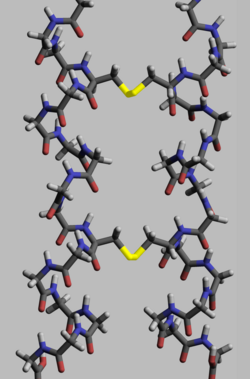
Disulfide bonds between two alpha-helix

また、多くの酵素において硫黄を含むクラスターが電子伝達を担い、代謝反応を促進しています。
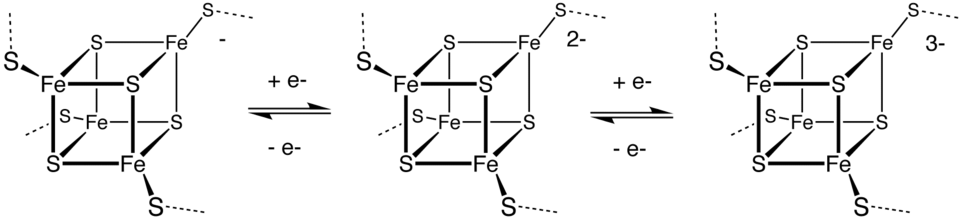
Easiness of electron flow in a cluster provides catalytic effect of a respective enzyme.

一方で、硫黄酸化物が大気中に放出されると、雨水に溶け込んで酸性雨となり、森林の破壊や建築物の腐食といった環境問題を引き起こします。
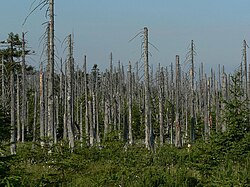
Effect of acid rain on a forest, Jizera Mountains, Czech Republic

硫黄の基本データまとめ

硫黄(S)の主要特性一覧
項目 詳細内容
原子番号 / 原子量 16 / 32.06 ± 0.02
融点 / 沸点 115.21 °C / 444.6 °C
密度(α-S8) 2.07 g/cm3
主な酸化状態 -2, +2, +4, +6
モース硬度 2.0
主要生産国 中国、米国、カナダ、ロシア

その他の科学的知見

硫黄は、ラピスラズリの青色の原因となるトリスルフルラジカルアニオン(S3−)など、特異な化学種としても現れます。
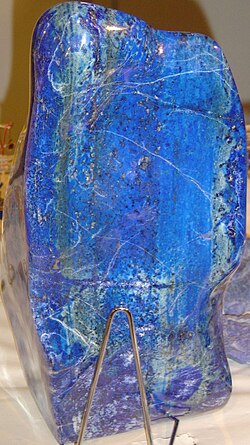
Lapis lazuli owes its blue color to a trisulfur radical anion (S−3)

また、最新の研究では、単層または二層のカーボンナノチューブ(CNT)内部で硫黄鎖が成長することが確認されており、ナノ材料としての可能性も探られています。

Two parallel sulfur chains grown inside a single-wall carbon nanotube (CNT, a). Zig-zag (b) and straight (c) S chains inside double-wall CNTs[50]

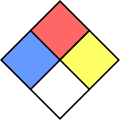
取り扱いに関しては、NFPA 704の基準に基づいた適切な管理が必要です。

NFPA 704 four-colored diamond

Frequently Asked Questions

硫黄の「同素体」とは何ですか?

同じ硫黄原子から構成されていながら、原子の結びつき方や配列が異なる物質のことです。硫黄は全元素の中で最も多くの同素体を持ち、代表的な環状のS8以外にも、鎖状や異なるサイズの環状構造が存在します。

なぜ硫黄は黄色いのですか?

標準的な状態の硫黄(α-硫黄)は、光の特定の波長を吸収し、補色である黄色を反射するためです。ただし、液体状態や異なる同素体では、赤色や青色に見えることがあります。

生物にとって硫黄はなぜ重要ですか?

硫黄はアミノ酸(システインやメチオニン)の構成成分であり、特にジスルフィド結合を通じてタンパク質の3次元構造を固定し、機能を維持させるために不可欠だからです。

酸性雨と硫黄の関係は?

化石燃料の燃焼などで放出された二酸化硫黄(SO2)が、大気中でさらに酸化して硫酸となり、雨に溶け込むことで酸性雨となります。これが土壌の酸性化や森林への被害をもたらします。

硫黄の主な産業用途は何ですか?

最も重要なのは硫酸の製造です。硫酸は肥料、洗剤、染料などの化学製品の製造に広く使われています。また、ゴムの弾性を高める加硫剤や、農薬、医薬品としても利用されています。

References

  1. But impure samples have an odor similar to that of . A strong odor called "smell of sulfur" actually is given off by several sulfur compounds, such as and compounds.
  2. Sulfur's melting point at 115.21°C was determined by two laboratories of the US Department of Energy (Jefferson Lab and Los Alamos National Lab). Greenwood and Earnshaw say that at fast heating for microcrystalline α-S8 the melting point is 115.1 °C (239.2 °F).
  3. Historically, it was rather difficult to find the exact melting point of sulfur. When heated slowly, the melting point may range from 114.6 °C (238.3 °F) to 120.4 °C (248.7 °F) (factors that interfere with a definite melting point, are the of sulfur and a large number of allotropes.) Melting point may be presented as a temperature range, depending on the allotropic composition of a sample at the time of melting.

📸 フォトギャラリー

Color lines in a spectral range
As a solid, sulfur is a characteristic lemon yellow; when burned, sulfur melts into a blood-red liquid and emits a blue flame.
The structure of the cyclooctasulfur molecule, S8
Sulfur vat from which railroad cars are loaded, Freeport Sulphur Co., Hoskins Mound, Texas (1943)
Most of the yellow and orange hues of Io are due to elemental sulfur and sulfur compounds deposited by active volcanoes.
Sulfur extraction, East Java
A man carrying sulfur blocks from Kawah Ijen, a volcano in East Java, Indonesia, 2009
Lapis lazuli owes its blue color to a trisulfur radical anion (S−3)
When sulfur is dissolved in oleum, a dark blue solution containing S82+ is obtained
Two parallel sulfur chains grown inside a single-wall carbon nanotube (CNT, a). Zig-zag (b) and straight (c) S chains inside double-wall CNTs[50]
Roman brooch in the form of a panther (copper alloy, 100-300 AD). The spots are made of niello, a black mixture of metal and sulfur.
Sulfur has antifungal, antibacterial, and keratolytic activity; in the past it was used against acne vulgaris, rosacea, seborrheic dermatitis, dandruff, pityriasis versicolor, scabies, and warts.[109] This 1881 advertisement baselessly claims efficacy against rheumatism, gout, baldness, and graying of hair.
Pharmaceutical container for sulfur from the first half of the 20th century. From the Museo del Objeto del Objeto collection
Guericke's sulfur globe experiments.
Sicilian kiln used to obtain sulfur from volcanic rock (diagram from a 1906 chemistry book)
Traditional sulfur mining at Ijen Volcano, East Java, Indonesia. This image shows the dangerous and rugged conditions the miners face, including toxic smoke and high drops, as well as their lack of protective equipment. The pipes over which they are standing are for condensing sulfur vapors.
Sulfur recovered from hydrocarbons in Alberta, stockpiled for shipment in North Vancouver, British Columbia
Production and price (US market) of elemental sulfur
Sulfuric acid production in 2000
Sulfur candle originally sold for home fumigation
Disulfide bonds between two alpha-helix
Easiness of electron flow in a cluster provides catalytic effect of a respective enzyme.
NFPA 704 four-colored diamond
Effect of acid rain on a forest, Jizera Mountains, Czech Republic