Kaiser Wilhelm II used the allegorical lithograph Peoples of Europe, Guard Your Most Sacred Possessions (1895), by Hermann Knackfuss, to promote Yellow Peril ideology as geopolitical justification for European colonialism in China.
← ホームへ戻る

黄禍論(イエロー・ペリル)の歴史と人種差別的なイデオロギーの変遷

🗓 2026年8月8日

19世紀後半から20世紀にかけて、西洋諸国で東アジア人が文明や社会に対する脅威であると見なされた概念を黄禍論イエロー・ペリル)と呼びます。この思想は単なる偏見に留まらず、欧米列強がアジアへの植民地支配を正当化するための政治的ツールとして利用されました。

もともとは1897年にロシアの社会学者ジャック・ノヴィコフが提唱した言葉ですが、これを政治的に最大限に活用したのがドイツ皇帝ヴィルヘルム2世でした。彼は、東アジアの勢力が白人文明を征服し、奴隷化するという恐怖を煽ることで、欧州諸国に中国への侵攻と植民地化を促しました。
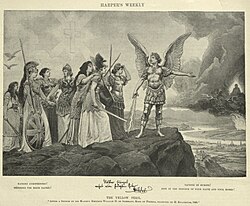
Kaiser Wilhelm II used the allegorical lithograph Peoples of Europe, Guard Your Most Sacred Possessions (1895), by Hermann Knackfuss, to promote Yellow Peril ideology as geopolitical justification for European colonialism in China.

Key Facts

  • 政治的利用:ドイツ皇帝ヴィルヘルム2世が、欧州の中国植民地化を正当化するためにこの思想を推進した。
  • 法的な差別:米国では「排華法」などの法律を通じて、アジア系移民の流入を制度的に制限した。
  • ステレオタイプ:フー・マンチューのような邪悪なアジア人キャラクターが、大衆文化を通じて恐怖心を植え付けた。
  • 暴力的帰結:メキシコのトレオン虐殺など、この思想が現実の集団虐殺につながった事例がある。

黄禍論の起源と帝国主義的な展開

黄禍論の根底には、中世のモンゴル帝国による欧州侵攻という古い記憶に基づく恐怖がありました。言語や文化、外見の決定的な違いが、未知の東方世界に対するパラノイア的な不安を増幅させたのです。
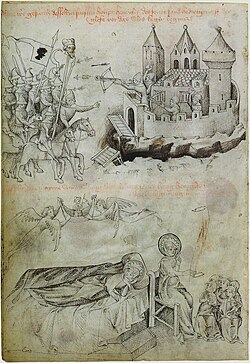
The European collective memory of the Yellow Peril includes the Mongols' display of the severed head of Duke Henry II of Silesia, in Legnica.

ドイツ帝国と地政学的戦略

ヴィルヘルム2世は、日露戦争(1904-05年)における日本の勝利を、白人文明に対する人種的な脅威として描き出しました。彼は、日本と中国が同盟を結んで西洋世界を征服しようとしているという虚構を広め、帝国主義的な拡張を正当化しました。
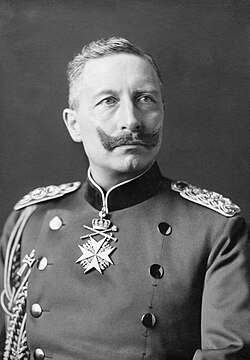
Kaiser Wilhelm II used Yellow Peril ideology as geopolitical justification for German and European imperialism in China.

義和団事件と西洋の反応

1899年から1901年にかけて中国で起きた義和団事件(西洋人を追放しようとした武装蜂起)は、西洋社会に「アジア人の脅威」という認識を決定づけました。この事件は、キリスト教宣教師への攻撃などを通じて、西洋側に「野蛮な東洋人」という偏見を植え付ける結果となりました。
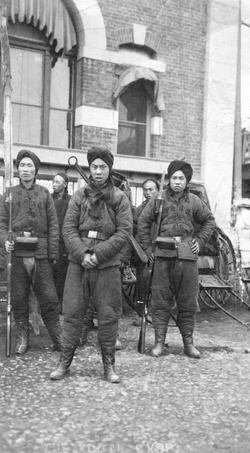
Yellow Peril xenophobia arose from the armed revolt of the Society of the Righteous and Harmonious Fists (the Boxers) to expel all Westerners from China, during the Boxer Rebellion (August 1899 – September 1901)

The Yellow Terror in all His Glory, an 1899 British editorial cartoon depicting a Chinese Boxer standing over a fallen white woman. The Chinese man represents the anti-colonial Boxer movement and the woman represents Christian missionaries attacked by Boxers during the Boxer Rebellion.[36]

世界各国における差別的な実践

アメリカ合衆国における排斥

米国では、1875年のページ法に始まり、1882年の排華法、1892年のギアリー法といった法律により、アジア系移民の権利が組織的に剥奪されました。20世紀に入っても、1917年の移民法で「アジア禁止区域」が設定されるなど、人種的な排除が法制化されました。
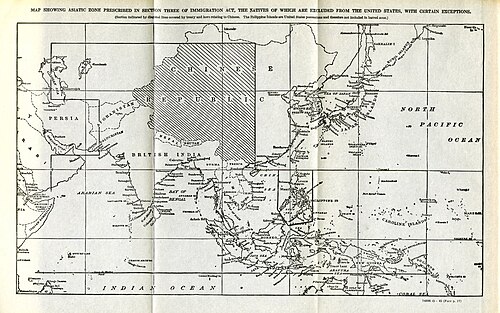
To contain the Yellow Peril, the Immigration Act of 1917 established the Asiatic Barred Zone from which the U.S. admitted no immigrants.

また、第二次世界大戦中には、日系アメリカ人が米国へのサボタージュを計画しているというプロパガンダが流布し、深刻な差別と弾圧を招きました。
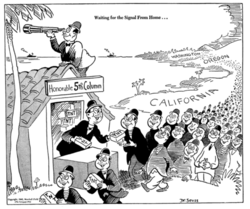
1942 editorial propaganda cartoon in the New York newspaper PM by Dr. Seuss depicting Japanese Americans in California, Oregon, and Washington—states with the largest population of Japanese Americans—as prepared to conduct sabotage against the U.S.

オーストラリアとその他の地域

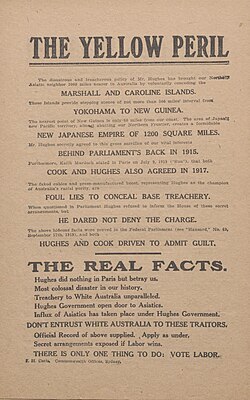
オーストラリアでは、19世紀末から20世紀初頭にかけて反アジア感情が高まり、「白豪主義」と呼ばれる白人至上主義的な政策が導入されました。これはアジア系、特に中国人の流入を阻止することを目的としていました。
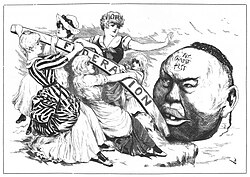
The White Australia policy arose from the growth of anti-Asian (particularly Chinese) sentiments that peaked in the late 19th and early 20th centuries. Pictured: The Melbourne Punch (c. May 1888)

"Yellow Peril" poster used by the Australian Labor Party during the 1919 Australian federal election

また、メキシコでも1911年に黄禍論の影響による暴動が発生し、トレオン市で300人以上の中国人および日本人が虐殺されるという悲劇が起きました。
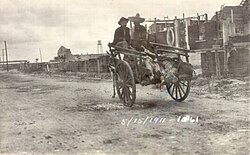
Two men in sombreros riding in a donkey-cart with a line of feet sticking out the back. They are riding down a dirt street away from the camera, with a line of buildings on the right.  Dated 15 May 1911.

文化・メディアにおけるステレオタイプ

黄禍論は、文学や映画などの大衆文化を通じて内面化されました。特に「邪悪な天才」として描かれるフー・マンチューのようなキャラクターは、アジア人を狡猾で危険な存在として定義づけ、子供から大人まで幅広く恐怖心を植え付けました。
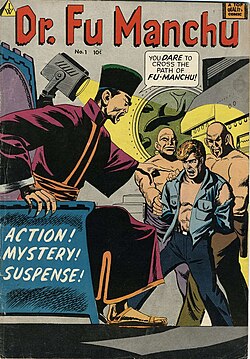
Dr. Fu Manchu (1958) is an example of Yellow Peril ideology for children. (art by Carl Burgos)

映画や小説では、アジア人男性が白人女性を誘惑し、破滅させるという「誘惑者」としての役割や、逆に従順な「蓮の花」のような女性像など、極端な性的ステレオタイプが繰り返し利用されました。
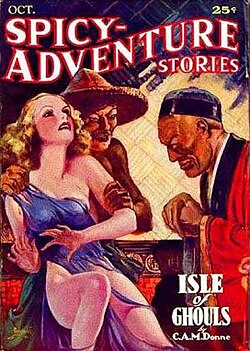
Stories showing Asian men as a threat to white women, such as this issue of Spicy-Adventure Stories, were common in the early 20th century.

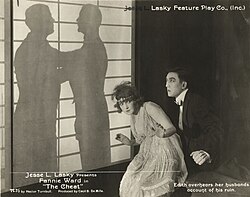
Edith Hardy (Fannie Ward) and Hishuru Tori (Sessue Hayakawa) in The Cheat (1915)

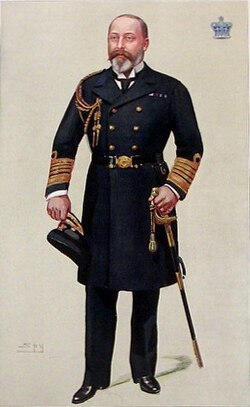
Unlike the Kaiser of Germany, King Edward VII of the United Kingdom did not see the Japanese as the Yellow Peril in the Russo–Japanese War. (1904–05)

In The Yellow Menace film serial, Asian villains threaten the white heroine. (September 1916)[6]: 3

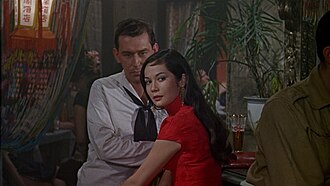
The prostitute Suzie Wong (Nancy Kwan) working a sailor to earn her keep. (The World of Suzie Wong, 1960)

SF作品においても、明(ミン)のような冷酷な独裁者がアジア的なイメージをまとって登場し、西洋文明を脅かす敵役として描かれました。
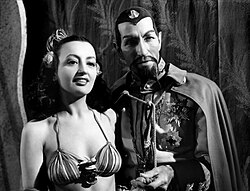
The Yellow Peril Future: In Flash Gordon Conquers the Universe (1940), Ming the Merciless (Charles Middleton) and a concubine (Carmen D'Antonio).

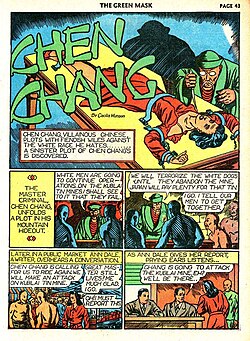
The Green Mask#6 p. 43, August 1941, Fox Feature Syndicate, art by Munson Paddock

人種理論と擬似科学の影響

19世紀末から20世紀初頭にかけて、優生学や社会ダーウィニズムといった擬似科学が、黄禍論に理論的な裏付けを与えました。ロスロップ・スタッダードなどの著述家は、有色人種が白人文明を圧倒し、征服するという「色の奔流」理論を唱え、人種的な絶滅への恐怖を煽りました。
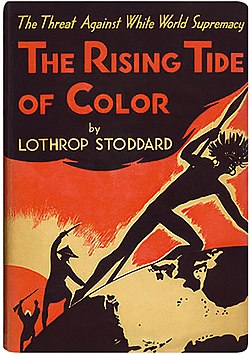
The eugenic racialism proposed in The Rising Tide of Color Against White World-Supremacy (1920), by Lothrop Stoddard, presents either China or Japan as uniting the Oriental races to invade, conquer, and subjugate the white civilizations of the Western world.

また、ヒューストン・スチュアート・チェンバレンの著作は、後のナチス・ドイツにおける人種主義的なイデオロギーの基礎となりました。
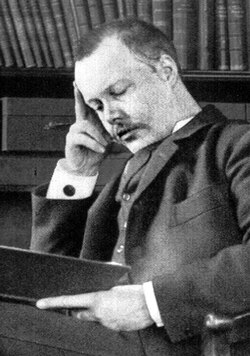
In The Foundations of the Nineteenth Century (1899), Houston Stewart Chamberlain provided racialist ideology for Nazi Germany (1933–1945).

こうした思想は、宗教的な人種主義とも結びつき、ロシアが東洋の人種を統合してキリスト教文明を攻撃するという陰謀論的な主張にまで発展しました。
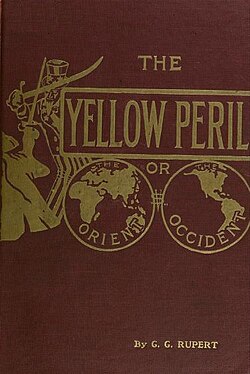
The religious racialism of The Yellow Peril (1911, 3rd ed.), by G. G. Rupert, proposed that Russia would unite the Oriental races to invade, conquer, and subjugate Christian civilization in the Western world.

列強による中国の分断

黄禍論という「脅威」を掲げながら、実際には欧州列強と日本は、中国という巨大な市場と領土をどのように分割するかという利害関係で動いていました。彼らにとってアジア人は「脅威」であると同時に、搾取すべき「獲物」でもあったのです。

China: The Cake of Kings and ... of Emperors: An angry Mandarin watches Queen Victoria (Britain), Kaiser Wilhelm II (Germany), Tsar Nicholas II (Russia), Marianne (France), and Emperor Meiji (Japan) discuss their partitioning of China.[40]

フランスはインドシナを植民地化し、イギリスやロシア、ドイツもそれぞれの権益を拡大させました。このような帝国主義的な構造が、アジアにおける人種差別の土壌をさらに強固にしました。
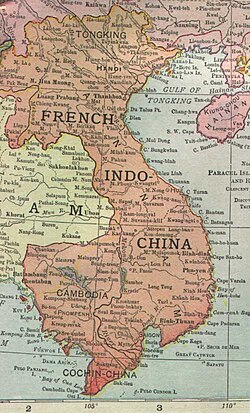
French Indochina: In the oriental French Empire, the country and people of Vietnam were renamed French Indochina. (1913)

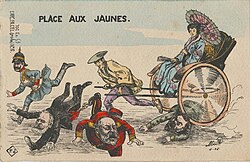
French postcard captioned "Make way for the yellows" shows Japanese imperialism running over four great nations of Europe—Russia, Britain, France, and Germany

また、南アフリカなどの鉱山では、中国人の労働力が安価に利用される一方で、彼らは社会的に差別され、政治的な争点となりました。
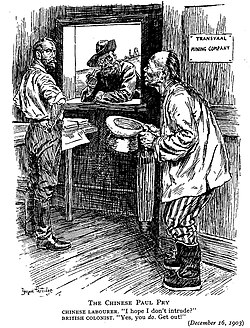
The Randlord's (mine owners') exploitive employment of Chinese labor contributed to the Liberal Party victory in the 1906 elections. (Punch magazine, 1903)

まとめ:黄禍論の概要

黄禍論がどのように展開し、どのような影響を与えたかを以下の表にまとめます。

黄禍論の展開と影響まとめ
側面 主な内容・特徴 具体例・事例
政治的目的 植民地支配の正当化、国内の団結 ヴィルヘルム2世による中国侵攻の推奨
法的措置 移民制限、市民権の剥奪 米国の排華法、オーストラリアの白豪主義
文化的表現 ステレオタイプな悪役の創造 フー・マンチュー、パルプ雑誌の悪役
理論的根拠 優生学、社会ダーウィニズム ロスロップ・スタッダードの人種理論
暴力的結果 集団虐殺、人種暴動 メキシコ・トレオン虐殺、義和団事件後の報復

Frequently Asked Questions

黄禍論という言葉は誰が作ったのですか?

1897年にロシアの社会学者ジャック・ノヴィコフがエッセイ「Le Péril Jaune」の中でこの用語を造語しました。その後、ドイツ皇帝ヴィルヘルム2世が政治的に利用し、世界的に広まりました。

なぜこの思想が広まったのですか?

西洋列強がアジアへの植民地拡大を正当化する必要があったこと、また日露戦争での日本の勝利や義和団事件などの出来事が、西洋側に「アジア人の台頭」という不安と恐怖を与えたためです。

アメリカでの具体的な差別策は何でしたか?

1882年の排華法(Chinese Exclusion Act)が代表的です。これにより中国人の移民が法的に禁止され、その後もギアリー法や1917年の移民法などを通じて、アジア系の人々の流入が厳しく制限されました。

大衆文化にはどのような影響がありましたか?

フー・マンチュー」のような、狡猾で残酷なアジア人悪役のキャラクターが定着しました。また、映画や小説ではアジア人男性を「危険な誘惑者」、女性を「従順な犠牲者」として描くなどのステレオタイプが強化されました。

黄禍論は現代にどのような影響を与えていますか?

かつての露骨な人種理論は姿を変えましたが、アジア系に対する根深い偏見や、地政学的な緊張が高まった際に再燃する「アジア脅威論」などの形で、その構造的な影響が残っていると指摘されています。

References

  1. Also known as the .

📸 フォトギャラリー

Kaiser Wilhelm II used the allegorical lithograph Peoples of Europe, Guard Your Most Sacred Possessions (1895), by Hermann Knackfuss, to promote Yellow Peril ideology as geopolitical justification for European colonialism in China.
The Yellow Terror in all His Glory, an 1899 British editorial cartoon depicting a Chinese Boxer standing over a fallen white woman. The Chinese man represents the anti-colonial Boxer movement and the woman represents Christian missionaries attacked by Boxers during the Boxer Rebellion.[36]
Yellow Peril xenophobia arose from the armed revolt of the Society of the Righteous and Harmonious Fists (the Boxers) to expel all Westerners from China, during the Boxer Rebellion (August 1899 – September 1901)
Kaiser Wilhelm II used Yellow Peril ideology as geopolitical justification for German and European imperialism in China.
China: The Cake of Kings and ... of Emperors: An angry Mandarin watches Queen Victoria (Britain), Kaiser Wilhelm II (Germany), Tsar Nicholas II (Russia), Marianne (France), and Emperor Meiji (Japan) discuss their partitioning of China.[40]
In The Foundations of the Nineteenth Century (1899), Houston Stewart Chamberlain provided racialist ideology for Nazi Germany (1933–1945).
The European collective memory of the Yellow Peril includes the Mongols' display of the severed head of Duke Henry II of Silesia, in Legnica.
Unlike the Kaiser of Germany, King Edward VII of the United Kingdom did not see the Japanese as the Yellow Peril in the Russo–Japanese War. (1904–05)
To contain the Yellow Peril, the Immigration Act of 1917 established the Asiatic Barred Zone from which the U.S. admitted no immigrants.
The religious racialism of The Yellow Peril (1911, 3rd ed.), by G. G. Rupert, proposed that Russia would unite the Oriental races to invade, conquer, and subjugate Christian civilization in the Western world.
The eugenic racialism proposed in The Rising Tide of Color Against White World-Supremacy (1920), by Lothrop Stoddard, presents either China or Japan as uniting the Oriental races to invade, conquer, and subjugate the white civilizations of the Western world.
1942 editorial propaganda cartoon in the New York newspaper PM by Dr. Seuss depicting Japanese Americans in California, Oregon, and Washington—states with the largest population of Japanese Americans—as prepared to conduct sabotage against the U.S.
The White Australia policy arose from the growth of anti-Asian (particularly Chinese) sentiments that peaked in the late 19th and early 20th centuries. Pictured: The Melbourne Punch (c. May 1888)
"Yellow Peril" poster used by the Australian Labor Party during the 1919 Australian federal election
French postcard captioned "Make way for the yellows" shows Japanese imperialism running over four great nations of Europe—Russia, Britain, France, and Germany
French Indochina: In the oriental French Empire, the country and people of Vietnam were renamed French Indochina. (1913)
Two men in sombreros riding in a donkey-cart with a line of feet sticking out the back. They are riding down a dirt street away from the camera, with a line of buildings on the right.  Dated 15 May 1911.
The Randlord's (mine owners') exploitive employment of Chinese labor contributed to the Liberal Party victory in the 1906 elections. (Punch magazine, 1903)
Stories showing Asian men as a threat to white women, such as this issue of Spicy-Adventure Stories, were common in the early 20th century.
Edith Hardy (Fannie Ward) and Hishuru Tori (Sessue Hayakawa) in The Cheat (1915)
The prostitute Suzie Wong (Nancy Kwan) working a sailor to earn her keep. (The World of Suzie Wong, 1960)
Dr. Fu Manchu (1958) is an example of Yellow Peril ideology for children. (art by Carl Burgos)
In The Yellow Menace film serial, Asian villains threaten the white heroine. (September 1916)[6]: 3
The Yellow Peril Future: In Flash Gordon Conquers the Universe (1940), Ming the Merciless (Charles Middleton) and a concubine (Carmen D'Antonio).
The Green Mask#6 p. 43, August 1941, Fox Feature Syndicate, art by Munson Paddock