13th Amendment in the National Archives, bearing the signature of Abraham Lincoln
← ホームへ戻る

公民権運動アメリカにおける人種差別撤廃への闘い

🗓 2026年8月13日

20世紀半ばのアメリカ合衆国で展開された公民権運動は、アフリカ系アメリカ人が直面していた組織的な人種差別を打破し、法的な平等と基本的権利を勝ち取るための社会的な闘争でした。1954年から1968年にかけてピークを迎えたこの運動は、単なる法改正に留まらず、アメリカ社会の価値観を根本から変える大きな転換点となりました。

かつてのアメリカでは、南部を中心に「分離すれども平等」という理屈のもと、公共施設や教育機関での人種分離を正当化するジム・クロウ法(人種差別的な州法・地方条例)が施行されていました。しかし、多くの活動家たちが非暴力不服従という手法を用い、不当な法に敢えて背くことで、社会に正義を問いかけました。
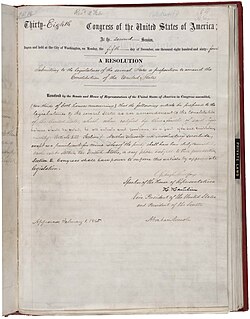
13th Amendment in the National Archives, bearing the signature of Abraham Lincoln

Key Facts

  • 主要期間:1954年(ブラウン判決)から1968年(キング牧師暗殺)まで。
  • 核心的な目標:人種分離の撤廃、投票権の保障、および法の下の平等の実現。
  • 主要な手法:ボイコット、シットイン(座り込み)、平和的なデモ行進などの非暴力抵抗。
  • 歴史的成果:1964年公民権法および1965年投票権法の制定。
  • 象徴的人物:マーティン・ルーサー・キング・ジュニア、ローザ・パークス、マルコムXなど。

人種差別の闇と抵抗の始まり

公民権運動が本格化する前、アフリカ系アメリカ人は極めて過酷な環境に置かれていました。特に南部では、リンチなどの暴力的な私刑が横行し、黒人に対する恐怖政治が敷かれていました。
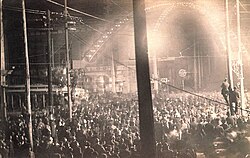
The mob-style lynching of Will James, Cairo, Illinois, 1909

こうした暴力は、単なる個人の犯罪ではなく、社会的な支配を維持するための手段として機能していました。リンチの様子を撮影した写真が土産物として流通していた時代もあり、人権意識の欠如が深刻なレベルに達していました。

Lynching victim Will Brown, who was mutilated and burned during the Omaha, Nebraska race riot of 1919. Postcards and photographs of lynchings were popular souvenirs in the U.S.[13]

しかし、第二次世界大戦後、黒人兵士たちが戦地で自由と民主主義のために戦った経験から、帰国後に自国での不平等に強い疑問を持つようになりました。軍内部での人種分離に疑問を呈する動きや、教育の機会均等を求める訴訟が、運動の土壌となりました。
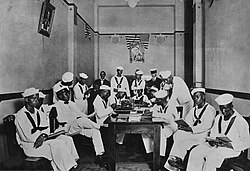
Colored Sailors room in World War I

法的転換点と草の根の抗議活動

1954年、最高裁判所はブラウン対教育委員会裁判において、公立学校における人種分離は違憲であるという歴史的な判決を下しました。これにより、「分離すれども平等」というドクトリンが崩壊し、学校の統合(インテグレーション)が進むことになります。
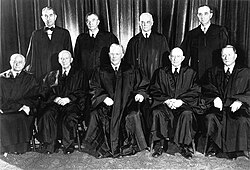
In 1954, the U.S. Supreme Court under Chief Justice Earl Warren ruled unanimously that racial segregation in public schools was unconstitutional.

統合への道は平坦ではありませんでした。1955年のモンゴメリー・バス・ボイコット事件では、ローザ・パークスが白人に席を譲ることを拒否して逮捕されたことをきっかけに、黒人コミュニティが団結してバス利用を拒否しました。この運動を率いたのが、若き日のマーティン・ルーサー・キング・ジュニア牧師でした。
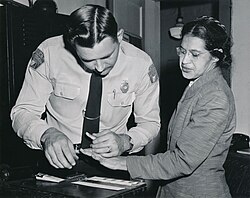
Rosa Parks being fingerprinted after being arrested for not giving up her seat on a bus to a white person.

その後、運動は学生たちによる「シットイン(座り込み)」へと広がります。白人専用のランチカウンターに黒人学生が座り、静かにサービスを求めることで、人種差別の不条理を可視化させました。
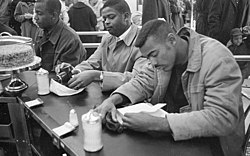
Student sit-in at Woolworth in Durham, North Carolina on February 10, 1960.

また、州をまたいで人種分離の違法性を訴えた「フリーダム・ライダーズ」などの活動も展開されましたが、彼らは激しい暴力にさらされることも少なくありませんでした。
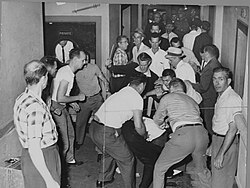
A mob beats Freedom Riders in Birmingham. The FBI reclaimed this picture from a local journalist who was also beaten and whose camera was smashed.

激化する対立と連邦政府の介入

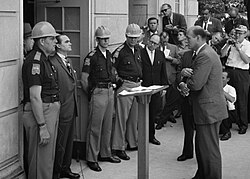
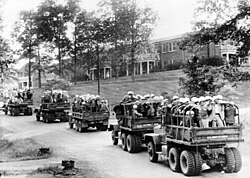
人種統合を拒む南部白人層の反発は激しく、大学への入学を試みた黒人学生に対しては、州知事が物理的に道を塞ぐなどの妨害が行われました。これにより、連邦政府による介入が必要となり、連邦軍や連邦保安官が派遣される事態となりました。
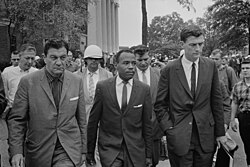
James Meredith walking to class accompanied by a U.S. Marshal and a Justice Department official.

U.S. Army trucks loaded with Federal law enforcement personnel on the University of Mississippi campus, 1962.

Alabama governor George Wallace tried to block desegregation at the University of Alabama and is confronted by U.S. Deputy Attorney General Nicholas Katzenbach in 1963.

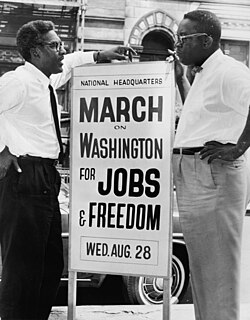
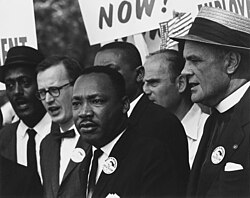
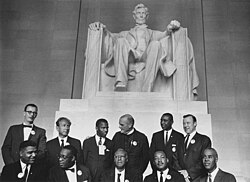
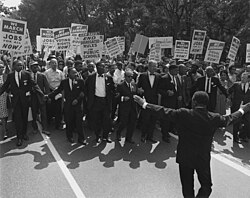
1963年には、バーミングハムでのキャンペーンや、ワシントンD.C.での大規模なデモ行進「仕事と自由のためのワシントン行進」が開催されました。ここでキング牧師が放った「I Have a Dream(私には夢がある)」という演説は、世界中に強い感銘を与えました。
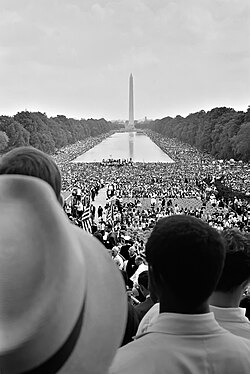
The March on Washington for Jobs and Freedom at the National Mall

Leaders of the March on Washington posing before the Lincoln Memorial on August 28, 1963

Bayard Rustin (left) and Cleveland Robinson (right), organizers of the March, on August 7, 1963

Martin Luther King Jr. at a civil rights march on Washington, D.C.

法制化への到達と新たな課題

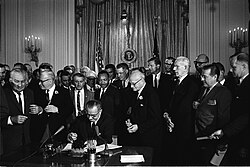
激しい抗議活動と社会的な圧力に応える形で、リンドン・B・ジョンソン大統領の下で重要な法律が制定されました。1964年の公民権法は、公共施設での差別や雇用差別を禁止し、人種分離に終止符を打つ画期的な法律となりました。
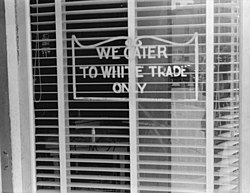
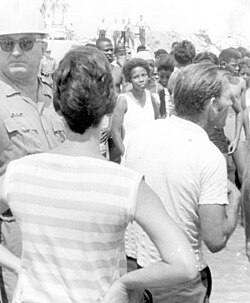
"We Cater to White Trade Only" sign on a restaurant window in Lancaster, Ohio, in 1938. In 1964, Martin Luther King Jr. was arrested and spent a night in jail for attempting to eat at a white-only restaurant in St. Augustine, Florida.

Black and white photograph of segregationists fighting on a beach

Lyndon B. Johnson signs the historic Civil Rights Act of 1964

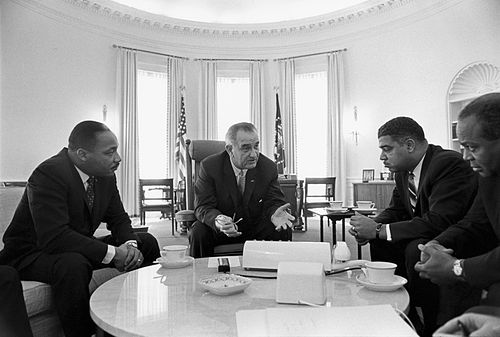
President Lyndon B. Johnson (center) meets with civil rights leaders Martin Luther King Jr., Whitney Young, and James Farmer, January 1964

さらに、黒人の投票権を実質的に妨げていた仕組みを排除するため、1965年に投票権法が制定されました。セルマからモンゴメリーへの行進などで、投票権の重要性が強く訴えられた結果です。
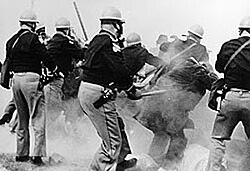
Police attack nonviolent marchers on "Bloody Sunday", the first day of the Selma to Montgomery marches.

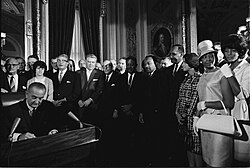
President Lyndon B. Johnson signs the Voting Rights Act of 1965

しかし、法的な権利が得られた後も、経済的な格差や住宅差別といった構造的な問題は残りました。1960年代後半には、都市部で激しい暴動が発生し、非暴力路線とは異なる「ブラックパワー」などの急進的な思想も台頭しました。
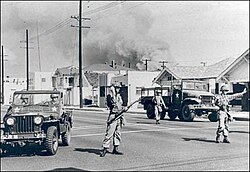
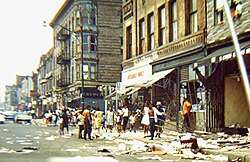
Soldiers direct traffic away from an area of South Central Los Angeles burning during the 1965 Watts riot

1967 Newark riots

Destroyed buildings during the 1967 Detroit riots

1968年、キング牧師が暗殺されたことで、全米で大規模な暴動が巻き起こりましたが、同時に1968年公民権法(公正住宅法)が制定され、住居における差別禁止が明文化されました。
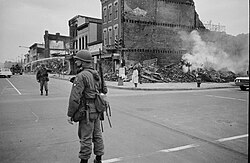
Aftermath of the King assassination riots in Washington, D.C.

運動を支えた多様な人々

この運動は、キング牧師のようなカリスマ的リーダーだけでなく、多くの無名の人々や多様なグループによって支えられていました。特に黒人女性たちの草の根的なリーダーシップや、ユダヤ系アメリカ人の支援は不可欠なものでした。
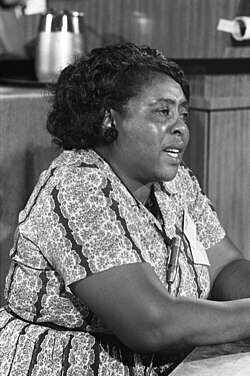
Fannie Lou Hamer of the Mississippi Freedom Democratic Party (and other Mississippi-based organizations) is an example of local grassroots leadership in the movement.

Jewish civil rights activist Joseph L. Rauh Jr. marching with Martin Luther King Jr. in 1963

また、マルコムXのように、より自立的で攻撃的なアプローチを説いた人物もおり、彼らの存在が運動に緊張感と多様な視点をもたらしました。
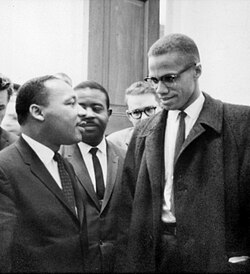
Malcolm X and Martin Luther King Jr. speak to each other thoughtfully as others look on.

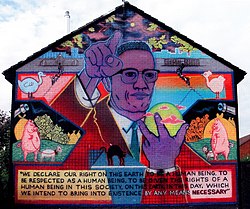
Mural of Malcolm X in Belfast

さらに、この精神はスポーツの世界にも波及し、1968年のメキシコシティ五輪では、表彰台上で黒人パワー・サリュート(拳を突き上げるポーズ)が行われ、人種差別に抗議する姿勢が世界に示されました。
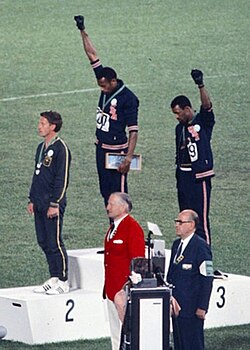
Gold medalist Tommie Smith (center) and bronze medalist John Carlos (right) showing the raised fist on the podium after the 200 m race at the 1968 Summer Olympics; both wear Olympic Project for Human Rights badges. Peter Norman (silver medalist, left) from Australia also wears an OPHR badge in solidarity with Smith and Carlos.

公民権運動のまとめ

公民権運動の主要なマイルストーン
出来事・法律 主な意義
1954 ブラウン判決 公立学校での人種分離を違憲とした
1955-56 モンゴメリー・バス・ボイコット 公共交通機関での差別撤廃を要求
1963 ワシントン行進 大規模な平和デモで平等を訴えた
1964 公民権法制定 公共施設・雇用での差別を法的に禁止
1965 投票権法制定 黒人の投票権を実質的に保障した
1968 公正住宅法(公民権法) 住宅購入・賃貸における差別を禁止

公民権運動の遺産は、その後の女性解放運動やLGBTQ+の権利運動など、あらゆる人権闘争のモデルとなりました。現代の「Black Lives Matter」などの動きも、この歴史的な闘争の延長線上にあります。
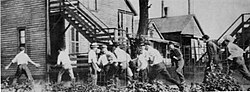
A white gang during the Chicago race riot of 1919

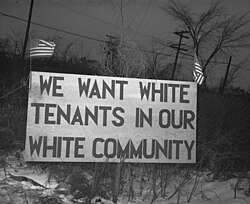
White tenants seeking to prevent Black people from moving into the housing project erected this sign, Detroit, 1942

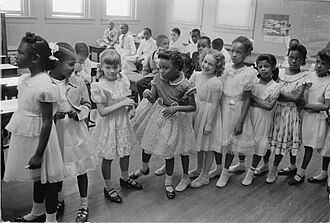
School integration, Barnard School, Washington, D.C., 1955

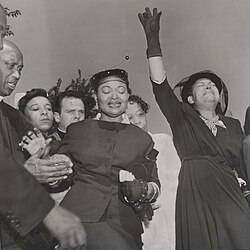
Emmett Till's mother, Mamie (middle), at her son's funeral in 1955. White men killed him after a white woman accused him of offending her in her family's grocery store.

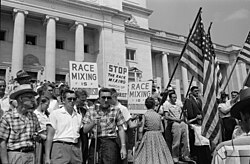
White parents rally against integrating Little Rock's schools in August 1959.

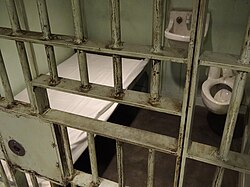
Recreation of Martin Luther King Jr.'s cell in Birmingham Jail at the National Civil Rights Museum

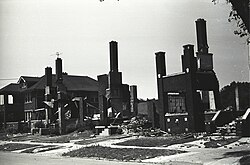
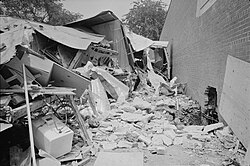
A black and white photograph of a building in ruins next to an intact wall

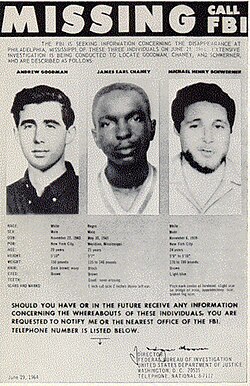
Missing persons poster created by the FBI in 1964 shows the photographs of Andrew Goodman, James Chaney, and Michael Schwerner

ภาพประกอบบทความ

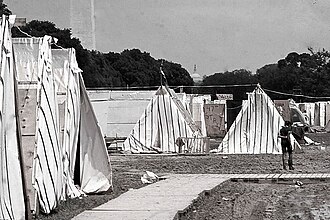
A 3,000-person shantytown called Resurrection City was established in 1968 on the National Mall as part of the Poor People's Campaign.

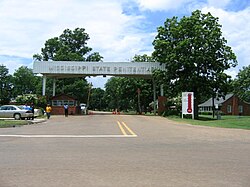
Mississippi State Penitentiary

Armed Lumbee Indians aggressively confronting Klansmen in the Battle of Hayes Pond

Attorney General Robert F. Kennedy speaking before a hostile civil rights crowd protesting low minority hiring in his Justice Department, June 14, 1963[252]

Ku Klux Klan demonstration in St. Augustine, Florida in 1964

Frequently Asked Questions

ジム・クロウ法とは何ですか?

19世紀末から20世紀半ばまで、主にアメリカ南部で施行されていた人種差別的な州法や条例の総称です。「分離すれども平等」という原則に基づき、学校、バス、レストランなどの公共施設で白人と黒人を分離して利用させていました。

非暴力不服従とはどのような手法ですか?

暴力を使わずに、不当な法律や命令に従わないことで、その法の不当性を社会に訴えかける手法です。座り込み(シットイン)やボイコットなどが代表例であり、マーティン・ルーサー・キング・ジュニア牧師が中心となって推進しました。

1964年公民権法で具体的に何が変わりましたか?

人種、皮膚の色、宗教、国籍、性別に基づく差別が法的に禁止されました。特に、公共施設での人種分離が違法となり、雇用における差別的な慣行を是正するための法的根拠が設けられました。

マルコムXとキング牧師の違いは何ですか?

キング牧師がキリスト教的な愛と非暴力を掲げて白人との統合と共存を目指したのに対し、マルコムXは当初、黒人の自立と自己防衛を強調し、白人社会からの分離さえも辞さない急進的な姿勢を示しました。ただし、晩年のマルコムXはより包括的な人権の視点を持つようになりました。

公民権運動は1968年で完全に終わったのですか?

法的な人種分離の撤廃という大きな目標は達成されましたが、経済的な格差や制度的な人種差別(システム的な差別)は根深く残りました。そのため、運動の形態は変わりましたが、平等への闘いは現代まで続いています。

References

  1. Various other dates have been proposed as the date on which the civil rights movement began or ended.
  2. The social movement has also been called the 1960s civil rights movement, the African-American civil rights movement, the Afro-American civil rights movement, the American civil rights movement, the American freedom movement, the Black civil rights movement, the Black revolution, the Black rights movement, the civil rights revolution, the civil rights struggle, the modern civil rights movement, the Negro American revolution, the Negro freedom movement, the Negro movement, the Negro revolt, the Negro revolution, the Second Emancipation, the Second Reconstruction, the Southern freedom movement, and the United States civil rights movement. can denote this or other that occurred in the United States during the same period. The social movement's span of time is called the civil rights era.

📸 フォトギャラリー

13th Amendment in the National Archives, bearing the signature of Abraham Lincoln
The mob-style lynching of Will James, Cairo, Illinois, 1909
Lynching victim Will Brown, who was mutilated and burned during the Omaha, Nebraska race riot of 1919. Postcards and photographs of lynchings were popular souvenirs in the U.S.[13]
Colored Sailors room in World War I
A white gang during the Chicago race riot of 1919
White tenants seeking to prevent Black people from moving into the housing project erected this sign, Detroit, 1942
In 1954, the U.S. Supreme Court under Chief Justice Earl Warren ruled unanimously that racial segregation in public schools was unconstitutional.
School integration, Barnard School, Washington, D.C., 1955
Emmett Till's mother, Mamie (middle), at her son's funeral in 1955. White men killed him after a white woman accused him of offending her in her family's grocery store.
Rosa Parks being fingerprinted after being arrested for not giving up her seat on a bus to a white person.
White parents rally against integrating Little Rock's schools in August 1959.
Student sit-in at Woolworth in Durham, North Carolina on February 10, 1960.
A mob beats Freedom Riders in Birmingham. The FBI reclaimed this picture from a local journalist who was also beaten and whose camera was smashed.
James Meredith walking to class accompanied by a U.S. Marshal and a Justice Department official.
U.S. Army trucks loaded with Federal law enforcement personnel on the University of Mississippi campus, 1962.
Recreation of Martin Luther King Jr.'s cell in Birmingham Jail at the National Civil Rights Museum
A black and white photograph of a building in ruins next to an intact wall
Alabama governor George Wallace tried to block desegregation at the University of Alabama and is confronted by U.S. Deputy Attorney General Nicholas Katzenbach in 1963.
The March on Washington for Jobs and Freedom at the National Mall
Leaders of the March on Washington posing before the Lincoln Memorial on August 28, 1963
Bayard Rustin (left) and Cleveland Robinson (right), organizers of the March, on August 7, 1963
Martin Luther King Jr. at a civil rights march on Washington, D.C.
"We Cater to White Trade Only" sign on a restaurant window in Lancaster, Ohio, in 1938. In 1964, Martin Luther King Jr. was arrested and spent a night in jail for attempting to eat at a white-only restaurant in St. Augustine, Florida.
Black and white photograph of segregationists fighting on a beach
Missing persons poster created by the FBI in 1964 shows the photographs of Andrew Goodman, James Chaney, and Michael Schwerner
Lyndon B. Johnson signs the historic Civil Rights Act of 1964
President Lyndon B. Johnson (center) meets with civil rights leaders Martin Luther King Jr., Whitney Young, and James Farmer, January 1964
Police attack nonviolent marchers on "Bloody Sunday", the first day of the Selma to Montgomery marches.
ภาพประกอบบทความ
Soldiers direct traffic away from an area of South Central Los Angeles burning during the 1965 Watts riot
1967 Newark riots
Destroyed buildings during the 1967 Detroit riots
A 3,000-person shantytown called Resurrection City was established in 1968 on the National Mall as part of the Poor People's Campaign.
Aftermath of the King assassination riots in Washington, D.C.
Mississippi State Penitentiary
Fannie Lou Hamer of the Mississippi Freedom Democratic Party (and other Mississippi-based organizations) is an example of local grassroots leadership in the movement.
Armed Lumbee Indians aggressively confronting Klansmen in the Battle of Hayes Pond
Attorney General Robert F. Kennedy speaking before a hostile civil rights crowd protesting low minority hiring in his Justice Department, June 14, 1963[252]
President Lyndon B. Johnson signs the Voting Rights Act of 1965
Malcolm X and Martin Luther King Jr. speak to each other thoughtfully as others look on.
Jewish civil rights activist Joseph L. Rauh Jr. marching with Martin Luther King Jr. in 1963
Gold medalist Tommie Smith (center) and bronze medalist John Carlos (right) showing the raised fist on the podium after the 200 m race at the 1968 Summer Olympics; both wear Olympic Project for Human Rights badges. Peter Norman (silver medalist, left) from Australia also wears an OPHR badge in solidarity with Smith and Carlos.
Mural of Malcolm X in Belfast
Ku Klux Klan demonstration in St. Augustine, Florida in 1964