The Rhodes Colossus satirising the Cape to Cairo Railway, a symbol of British imperialism during the Scramble for Africa[1]
← ホームへ戻る

帝国主義の歴史とメカニズム権力拡大の理論から世界的な展開まで

🗓 2026年8月11日

帝国主義とは、ある国家が他国に対して支配力を維持し、あるいはその範囲を拡大しようとする政治的・経済的な行動様式を指します。このプロセスには、軍事力や経済力といった「ハードパワー」だけでなく、外交や文化的な影響力を行使する「ソフトパワー」の両面が用いられます。その究極的な目的は、国際社会における覇権(ヘゲモニー)の確立と、形式的な帝国の構築にあります。

帝国主義はしばしば植民地主義と混同されますが、概念としては異なります。植民地主義が特定の土地への入植や直接的な統治に焦点を当てるのに対し、帝国主義はより広範な権力拡大の意図を含み、政府の形態を問わず適用される概念です。
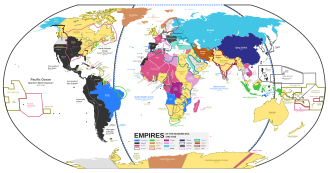
Diachronic map of the main empires of the modern era (1492–1945)

Key Facts

  • 定義:ラテン語の「imperium(命令する、統治する)」に由来し、他国への支配権の拡大を意味する。
  • 手段:軍事・経済的な強制力(ハードパワー)と、外交・文化的な浸透(ソフトパワー)を併用する。
  • 理論的背景:大国の資源効率や資本主義の不均等発展が、拡大の原動力になるとされる。
  • 歴史的展開:19世紀から20世紀にかけて欧州諸国を中心に激化した「新帝国主義」を経て、戦後の脱植民地化へと移行した。

帝国主義を読み解く理論的視点

なぜ国家はリスクを冒してまで領土や権力を拡大しようとするのか。この問いに対し、多くの政治学者や歴史学者が異なるアプローチを提示しています。

権力構造と資源の論理

ケネス・ウォルツは、帝国主義の根源を「大国の存在」に求めました。資源を効率的に組織し活用できた国家が強くなり、その強さが他者をコントロールしたいという誘惑を生むという考え方です。つまり、弱さは支配を招き、強さは支配への欲求を刺激するという構造的な力学が働いています。

経済的要因と資本主義

一方で、ウラジーミル・レニンは資本主義の構造に着目しました。資本主義の下での発展は不均等であり、それが必然的に帝国主義的な戦争や領土拡大へとつながると主張しました。また、ジョン・A・ホブソンやヨーゼフ・シュンペーターらも、資本主義、階級構造、そして帝国主義の相関関係について深い議論を展開し、後の軍産複合体の研究にも影響を与えました。

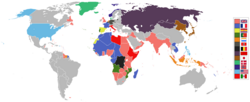
Imperial powers in 1800[21]

歴史的な帝国の展開と事例

帝国主義の形態は時代や地域によって多様であり、古代から現代に至るまで様々な形で現れています。

欧州諸国の拡大と競争

19世紀から20世紀にかけて、イギリス、フランス、ドイツなどの欧州列強は激しい領土争いを繰り広げました。特にアフリカ大陸では、複数の帝国が境界線を引く「アフリカ分割」が進みました。
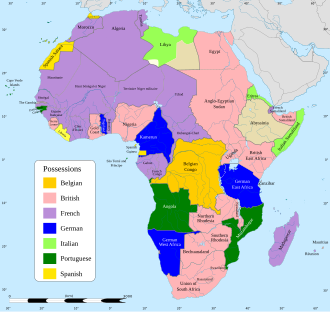
Africa, divided into colonies under multiple European empires, c. 1914 Belgium France Germany Italy Portugal Spain United Kingdom

イギリス帝国は、1921年にその領土の頂点に達し、世界中に広大な版図を持ちました。しかし、第二次世界大戦による財政的打撃と、インドの独立(1947年)などの脱植民地化運動により、その影響力は急速に衰退しました。
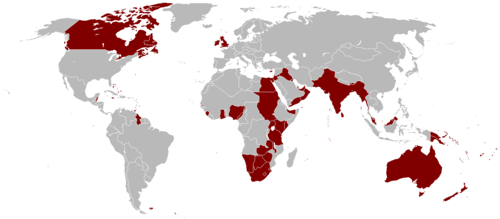
Map of the British Empire at its territorial peak in 1921

フランスは、北米のニューフランスを中心とした「第一帝国」と、1830年のアルジェリア征服から始まった「第二帝国」という二つの段階を経て拡大しました。特に北・西アフリカや東南アジア(仏領インドシナ)への浸透を強めました。
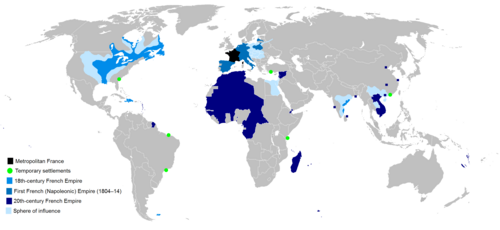
Map of the first (light blue) and second (dark blue) French colonial empires

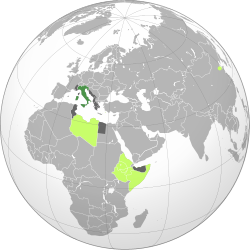
ドイツ帝国は、イギリスやフランスに次ぐ第3位の植民地帝国を築こうと試みました。また、イタリアも20世紀半ばまでアフリカなどで帝国主義的な拡大を追求しました。

German colonial empire, the third largest colonial empire during the 19th century after the British and the French ones[126]

The Italian Empire in 1940

アジアとその他の地域

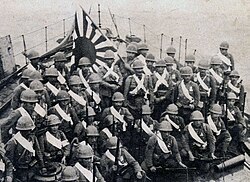
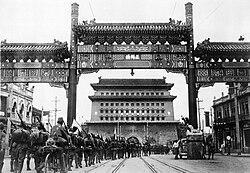
アジアでは、日本が「大東亜共栄圏」を掲げ、中国や東南アジアへの進出を図りました。これはアジアにおける独自の帝国主義的な展開と言えます。
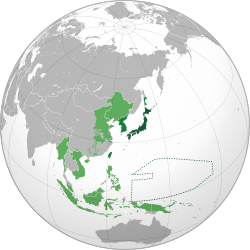
The Greater East Asia Co-Prosperity Sphere in 1942

Japanese Marines preparing to land in Anqing, China, in June 1938

The Rhodes Colossus satirising the Cape to Cairo Railway, a symbol of British imperialism during the Scramble for Africa[1]

Japanese march into Zhengyangmen of Beijing after capturing the city in July 1937.

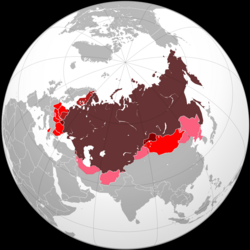
また、ロシアはツァーリ時代からソ連時代にかけて、ユーラシア大陸へ向けて絶え間ない拡大を続けました。この傾向は現代のロシア政治においても、かつての領土回復という形で影響を及ぼしていると分析されています。
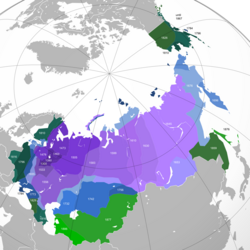
Expansion of the Tsardom and Empire of Russia until 1914

Soviet Union Soviet territories that were never part of Imperial Russia: Tuva, East Prussia, western Ukraine, Kuril Islands Imperial territories that did not become part of the Soviet Union Soviet sphere of influence: Warsaw Pact, Mongolia Soviet military occupation: northern Iran, Manchuria, northern Korea, Xinjiang, Afghanistan

Russia's president Vladimir Putin compared himself to Emperor Peter the Great in an effort to regain former Russian lands.[172]

その他の歴史的帝国

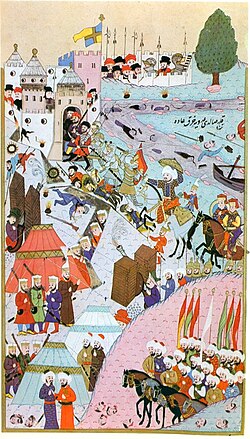
欧州以外にも、古代エジプトの新王国時代や、モンゴル帝国、オスマン帝国、ムガル帝国など、軍事力と行政能力を組み合わせて広大な地域を統治した例は数多く存在します。
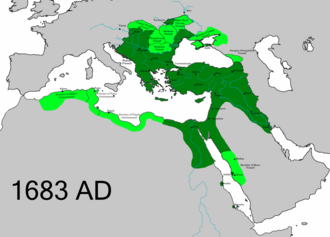
The Ottoman Empire in 1683; core possessions in dark green; vassal or autonomous areas in light green.

Ottoman wars in Europe

帝国主義の多様な手法と影響

支配を維持するために、帝国は単なる武力行使以上の手段を用いました。

文化・宗教的アプローチ

「文化帝国主義」や「宗教帝国主義」は、価値観や信仰を押し付けることで、被支配層の精神的な従属を促す手法です。また、地図作成(カートグラフィー)を通じて、自国の影響力を誇張して見せたり、未知の土地を「無主地(テラ・ヌリウス)」として定義することで、領有を正当化する戦略も取られました。
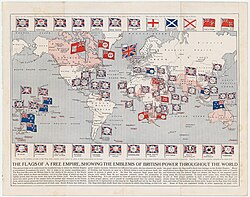
By displaying oversized flags of British possessions, this map artificially increases the apparent influence and presence of the British Empire.

軍事的な衝突と強制

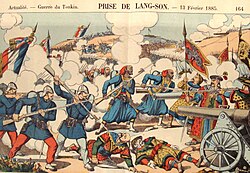
もちろん、ハードパワーによる強制も不可欠でした。アヘン戦争におけるイギリスの攻撃や、フランスによるベトナム征服などは、その典型的な例です。
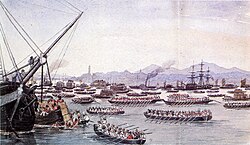
British assault on Canton during the First Opium War, May 1841

The capture of Lạng Sơn during the French conquest of Vietnam in 1885

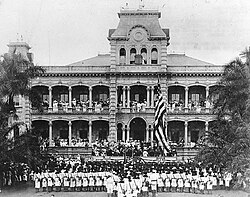
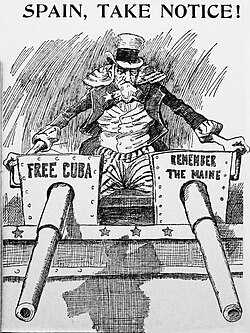
また、アメリカ合衆国も1898年の米西戦争後、フィリピンやハワイなどを併合し、帝国主義的な野心を顕在化させました。

This cartoon reflects the view of Judge magazine regarding America's imperial ambitions following McKinley's quick victory in the Spanish–American War of 1898.[46]

Ceremonies during the annexation of the Republic of Hawaii, 1898

Cartoon of belligerent Uncle Sam placing Spain on notice, c. 1898

主要な帝国の比較まとめ

主要な帝国主義国家とその特徴
帝国名 主な拡大地域 特徴的な手法・背景
イギリス帝国 インド、アフリカ、北米、オセアニア 海軍力による制海権確保と貿易ネットワークの構築
フランス帝国 西アフリカ、インドシナ、北アフリカ 文化的な同化政策と二段階の植民地拡大
ロシア帝国/ソ連 中央アジア、東欧 陸路による連続的な領土拡大と政治的影響圏の構築
日本帝国 朝鮮半島、中国大陸、東南アジア 大東亜共栄圏の理念によるアジア圏の再編
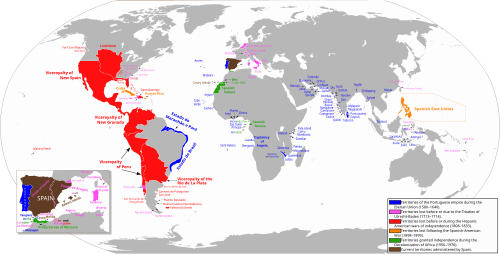
スペイン帝国 中南米、カリブ海諸国 カトリック布教と貴金属の獲得を目的とした初期拡大

The areas of the world that at one time were territories of the Spanish Empire

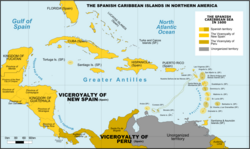
Spanish colonies and territories in the Caribbean basin (c. 1490 – c. 1660)

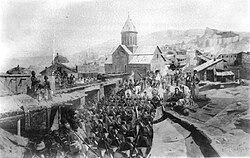
Entrance of the Russian troops in Tiflis, 26 November 1799, by Franz Roubaud, 1886

その他の歴史的断片と視覚的記録

帝国主義の歴史は、多くの芸術作品や記録に残されています。ナポレオンのジャッファ訪問を描いた絵画や、ボア戦争の結果としてのイギリスによる併合、あるいはポルトガルのマカオにおける教会跡などは、支配の記憶を今に伝えています。
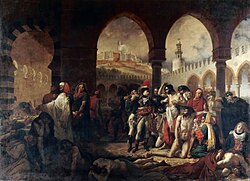
Bonaparte Visiting the Plague Victims of Jaffa (Antoine-Jean Gros, 1804)

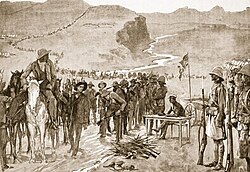
The result of the Boer Wars was the annexation of the Boer Republics to the British Empire in 1902.

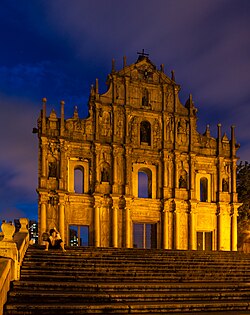
Ruins of St. Paul's Cathedral in Macau, a 17th-century Portuguese church and a symbol of the Portuguese colonial presence in Asia.

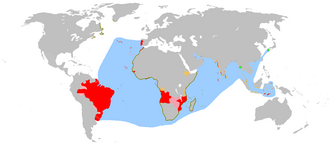
Map of the Portuguese Empire.

また、中国のような巨大な国家が、複数の列強によって「切り分けられる」様子を描いた風刺画は、当時の「新帝国主義」がもたらした残酷な現実を象徴しています。
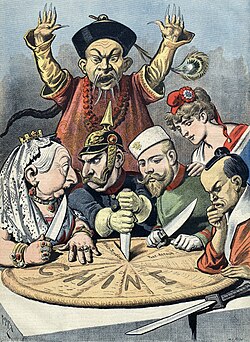
A French political cartoon depicting a shocked mandarin in Manchu robe in the back, with Queen Victoria (British Empire), Wilhelm II (German Empire), Nicholas II (Russian Empire), Marianne (French Third Republic), and a samurai (Empire of Japan) stabbing into a king cake with Chine ("China" in French) written on it. A portrayal of New Imperialism and its effects on China.

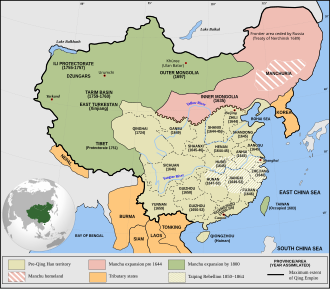
The Qing Empire c. 1820 marked the time when the Qing began to rule these areas.

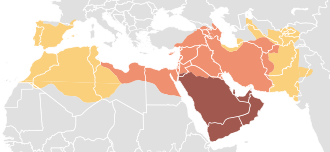
さらに、古代の遊牧帝国や、イスラム教の拡大といった現象も、広義の帝国主義的な権力拡大の系譜として捉えることができます。

A horserider of probable Xiongnu origin: the rider wears a hairbun characteristic of the oriental steppes, and his horse has characteristically Xiongnu horse trappings.[148] 2nd–1st century BC. Excavated in Saksanokhur (near Farkhor), Tajikistan. National Museum of Antiquities of Tajikistan.

Spread of Islam

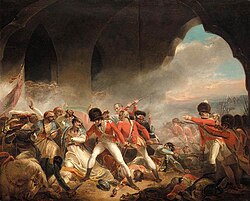
そして、南米のラプラタ盆地を巡る争いや、インドのティプー・スルタンとイギリス東インド会社の衝突など、局地的な権力闘争が帝国の版図を決定づけました。
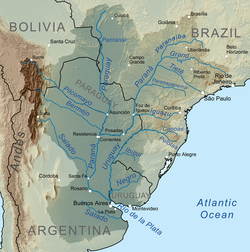
Map of the Río de la Plata Basin

The Last Effort and Fall of Tippoo Sultaun by Henry Singleton, c.1800. Tipu, Sultan of Mysore, an ally of Napoleone Bonaparte, confronted British East India Company forces at the Siege of Srirangapatna, where he was killed.

最後に、フランスによるマダガスカル戦争などの事例は、帝国主義がもたらした絶え間ない紛争の歴史を物語っています。
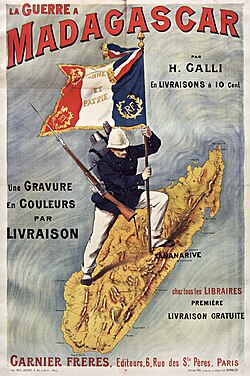
French poster about the "Madagascar War"

Maximum colonial expansion of the European imperial powers around 1936, during the interwar period.

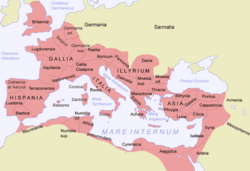
Provinces of the Roman Empire around 117 AD

Frequently Asked Questions

帝国主義と植民地主義の決定的な違いは何ですか?

植民地主義は、特定の土地に人々が入植し、その地を直接的に統治・管理することに重点を置きます。対して帝国主義は、より広義の概念であり、直接的な入植を伴わなくても、外交、経済、文化的な手段を用いて他国への支配力や影響力を拡大しようとする国家の姿勢や政策全体を指します。

なぜ19世紀後半に帝国主義が激化したのですか?

産業革命による経済発展に伴い、原材料の確保と製品の販売市場の拡大が必要となったこと、またナショナリズムの高揚により、領土拡大が国家の威信を示す手段となったことが主な要因です。これにより、欧州列強によるアフリカやアジアへの激しい進出競争が起こりました。

「ソフトパワー」による帝国主義とは具体的にどのようなものですか?

軍事力などの強制力を使わずに、文化、言語、教育、宗教、あるいは外交的な価値観を浸透させることで、相手国が自発的に支配側に従うように仕向ける手法です。例えば、植民地での教育制度の導入や、自国の文化的な優越性を説くことで、精神的な従属関係を築くことが挙げられます。

帝国主義は現代において完全に消滅したのでしょうか?

形式的な植民地支配の多くは脱植民地化によって終わりましたが、経済的な依存関係や文化的な影響力による支配(新植民地主義)や、大国による政治的な影響圏の構築といった形で、帝国主義的な力学は現代の国際政治の中にも形を変えて存在し続けていると分析されています。

References

  1. Also known as the Incan Empire, or Inka Empire.
  2. ممالک محروسه ایران, Mamâlek-e Mahruse-ye Irân
  3. شاهنشاهی صفوی, Šāhanšāhi-ye Safavi

📸 フォトギャラリー

The Rhodes Colossus satirising the Cape to Cairo Railway, a symbol of British imperialism during the Scramble for Africa[1]
Imperial powers in 1800[21]
Maximum colonial expansion of the European imperial powers around 1936, during the interwar period.
Africa, divided into colonies under multiple European empires, c. 1914 Belgium France Germany Italy Portugal Spain United Kingdom
British assault on Canton during the First Opium War, May 1841
This cartoon reflects the view of Judge magazine regarding America's imperial ambitions following McKinley's quick victory in the Spanish–American War of 1898.[46]
Entrance of the Russian troops in Tiflis, 26 November 1799, by Franz Roubaud, 1886
The capture of Lạng Sơn during the French conquest of Vietnam in 1885
Ottoman wars in Europe
Bonaparte Visiting the Plague Victims of Jaffa (Antoine-Jean Gros, 1804)
By displaying oversized flags of British possessions, this map artificially increases the apparent influence and presence of the British Empire.
A French political cartoon depicting a shocked mandarin in Manchu robe in the back, with Queen Victoria (British Empire), Wilhelm II (German Empire), Nicholas II (Russian Empire), Marianne (French Third Republic), and a samurai (Empire of Japan) stabbing into a king cake with Chine ("China" in French) written on it. A portrayal of New Imperialism and its effects on China.
Diachronic map of the main empires of the modern era (1492–1945)
Map of the Río de la Plata Basin
The Last Effort and Fall of Tippoo Sultaun by Henry Singleton, c.1800. Tipu, Sultan of Mysore, an ally of Napoleone Bonaparte, confronted British East India Company forces at the Siege of Srirangapatna, where he was killed.
The result of the Boer Wars was the annexation of the Boer Republics to the British Empire in 1902.
Map of the British Empire at its territorial peak in 1921
The Qing Empire c. 1820 marked the time when the Qing began to rule these areas.
Map of the first (light blue) and second (dark blue) French colonial empires
French poster about the "Madagascar War"
German colonial empire, the third largest colonial empire during the 19th century after the British and the French ones[126]
Spread of Islam
The Italian Empire in 1940
The Greater East Asia Co-Prosperity Sphere in 1942
Japanese Marines preparing to land in Anqing, China, in June 1938
Japanese march into Zhengyangmen of Beijing after capturing the city in July 1937.
A horserider of probable Xiongnu origin: the rider wears a hairbun characteristic of the oriental steppes, and his horse has characteristically Xiongnu horse trappings.[148] 2nd–1st century BC. Excavated in Saksanokhur (near Farkhor), Tajikistan. National Museum of Antiquities of Tajikistan.
The Ottoman Empire in 1683; core possessions in dark green; vassal or autonomous areas in light green.
Map of the Portuguese Empire.
Ruins of St. Paul's Cathedral in Macau, a 17th-century Portuguese church and a symbol of the Portuguese colonial presence in Asia.
Provinces of the Roman Empire around 117 AD
Expansion of the Tsardom and Empire of Russia until 1914
Soviet Union Soviet territories that were never part of Imperial Russia: Tuva, East Prussia, western Ukraine, Kuril Islands Imperial territories that did not become part of the Soviet Union Soviet sphere of influence: Warsaw Pact, Mongolia Soviet military occupation: northern Iran, Manchuria, northern Korea, Xinjiang, Afghanistan
Russia's president Vladimir Putin compared himself to Emperor Peter the Great in an effort to regain former Russian lands.[172]
The areas of the world that at one time were territories of the Spanish Empire
Spanish colonies and territories in the Caribbean basin (c. 1490 – c. 1660)
Ceremonies during the annexation of the Republic of Hawaii, 1898
Cartoon of belligerent Uncle Sam placing Spain on notice, c. 1898