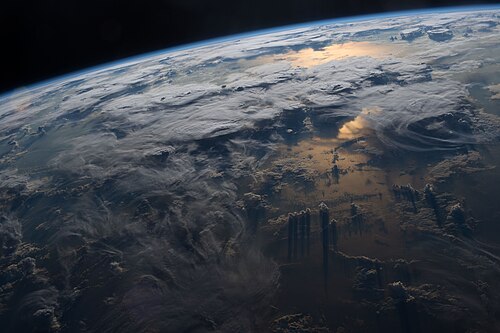
私たちが生活し、日々の天候を感じる大気の最下層、それが対流圏(troposphere)です。ギリシャ語で「回転」や「変化」を意味する「tropos」と「圏」を組み合わせたこの名称が示す通り、ここでは空気の激しい対流が起こっています。地球の大気全体の質量の約80%がこの層に集中しており、さらに水蒸気やエアロゾルの99%が含まれているため、雨や雲といったほとんどの気象現象はこの対流圏内で発生します。
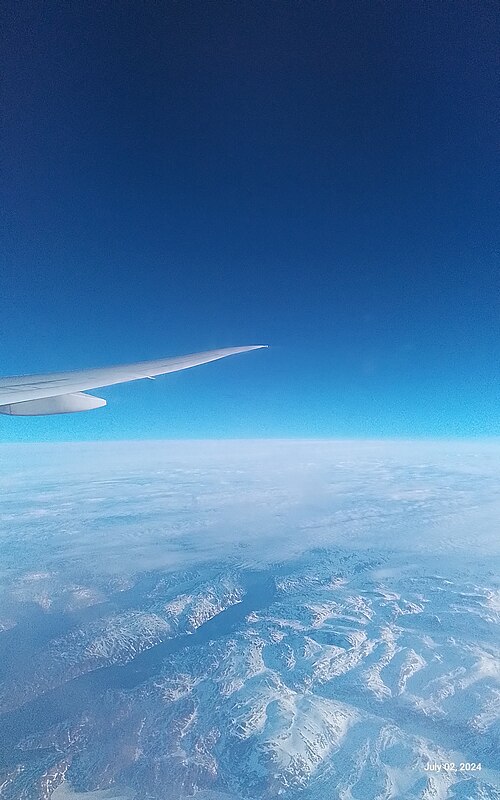
対流圏の高さは一定ではなく、地域や季節によって大きく異なります。熱帯地方では平均18kmに達しますが、中緯度地域では11km、冬の極地では6km程度まで低くなります。地球全体での平均的な高さは約13kmとされています。
Key Facts
- 大気の集中: 全大気質量の80%、水蒸気・エアロゾルの99%が対流圏に存在する。
- 高度の変動: 熱帯(約18km)から極地(約6km)まで、緯度により厚みが異なる。
- 温度特性: 地表から上空に向かうにつれて気温が低下する。
- 境界線: 上限にある「対流圏界面(トロポポーズ)」が成層圏との境界となる。
- 気象の舞台: ほとんどの気象現象はこの層で完結している。
大気の組成と化学的性質
対流圏の主成分は窒素(約78.08%)と酸素(約20.95%)であり、次いでアルゴン(0.93%)や微量の希ガスが含まれています。特筆すべきは水蒸気の存在で、海洋や湖からの蒸発、植物の蒸散によって供給されます。この水蒸気が炭酸ガスと結びつくことで、自然な雨水はpH 5.0から5.5という弱酸性を示します。
しかし、工業地帯などで化石燃料の燃焼により窒素酸化物や硫黄酸化物が放出されると、このpHがさらに低下し、「酸性雨」という環境問題を引き起こします。こうした汚染物質は、スクラバー(洗浄塔)などの物理的な除去装置を用いることで回収し、有用な副産物へ転換することが可能です。

温度と圧力のダイナミクス
対流圏の最大の特徴は、高度が上がるにつれて気温が下がる点にあります。これは、太陽エネルギーを吸収した地表が熱を放射し、下から上へと加熱されるためです。この温度低下の割合を環境減率(ELR)と呼びます。中緯度では地表の15°Cから対流圏界面の−55°Cまで、赤道付近では20°Cから−70〜−75°Cまで低下します。
また、気圧は地表で最大となり、上空に向かうほど減少します。これは大気が「静水圧平衡」の状態にあり、ある地点の気圧がその上にある空気の重さに等しいためです。
断熱変化と空気の挙動
空気の塊(空気 parcel)が上昇すると、周囲の気圧が下がるため膨張します。この膨張に伴いエネルギーが消費され、外部から熱が供給されない「断熱過程」においては、温度が低下します。逆に、冷たい空気が下降して圧縮されると温度が上昇します。この現象はエントロピーが変化しない「等エントロピー過程」として記述されます。
湿った空気の場合、冷却によって水蒸気が凝結し潜熱を放出するため、乾燥した空気とは異なる温度低下率(湿潤断熱減率)を示します。これが雲の形成や上昇気流の強さに直接影響を与えます。
大気の循環パターン
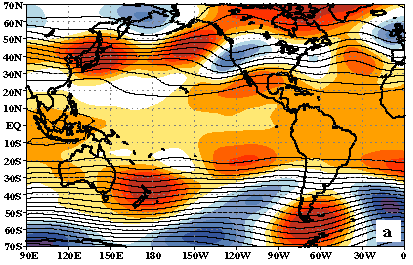
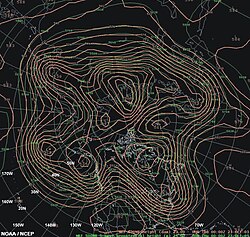
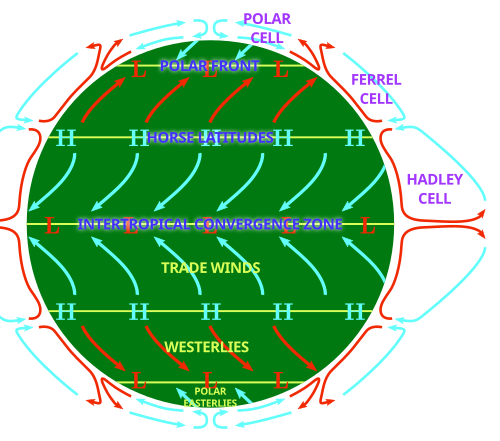
地球規模での空気の流れは、主に西から東への流れ(帯状流/ゾーナルフロー)と、南北方向の流れ(子午面流/メリディオナルフロー)に分けられます。帯状流が蛇行し、南北の気圧差が強まると子午面流となり、低圧のトラフ(気圧の谷)や高圧のリッジ(気圧の山)が形成されます。
三細胞モデルによるエネルギー輸送
地球の熱バランスを維持するため、大気は「三細胞モデル」と呼ばれる3つの循環セルで構成されています。熱帯のハドレー細胞、中緯度のフェレル細胞、そして極細胞です。これにより、赤道付近の過剰な熱が極地方へ運ばれ、地球全体の温度が平準化されています。
対流圏界面(トロポポーズ)の役割
対流圏の最上部は対流圏界面と呼ばれ、ここから上の成層圏へと移行します。対流圏では高度とともに温度が下がりますが、成層圏ではオゾン層が紫外線(UV)を吸収して熱を持つため、温度が一定または上昇に転じます。この温度逆転層が蓋のような役割を果たし、対流圏内の空気と成層圏の空気が混ざり合うのを制限しています。
太陽系における他の惑星の対流圏
対流圏は地球特有のものではなく、他の惑星や衛星にも存在します。
- 金星: 非常に濃密な対流圏を持ち、二酸化炭素による強力な温室効果で地表温度が約467°Cに達します。
- 火星: 地表の加熱と浮遊する塵(ダスト)が気象を支配しています。重力が弱いため、地球よりも大気のスケールハイト(厚み)が大きくなっています。
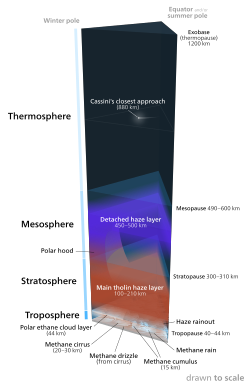
- タイタン(土星の衛星): 地球以外で唯一、窒素を主成分とする大気を持ちます。メタンが凝結して雨や雲を作る独自の対流圏が形成されています。
まとめ:対流圏の特性一覧
| 項目 | 特徴・数値 | 備考 |
|---|---|---|
| 大気質量比率 | 約80% | 大気の大部分が集中 |
| 水蒸気含有量 | 約99% | 気象現象の主因 |
| 平均高度 | 約13km | 地域により6〜18kmで変動 |
| 温度変化 | 高度上昇に伴い低下 | 環境減率で測定 |
| 主成分 | 窒素(78%)、酸素(21%) | 微量のアルゴン等を含む |
Frequently Asked Questions
なぜ高度が上がると気温が下がるのですか?
対流圏は主に地表からの熱放射によって下から加熱されているためです。熱源である地表から離れるほど、また空気が膨張してエネルギーを消費する(断熱膨張)ため、温度が低下します。
対流圏界面(トロポポーズ)とは何ですか?
対流圏と成層圏の境界となる層のことです。ここでは温度低下が止まり、一定または上昇に転じるため、空気の上下方向の混合が抑制される境界線として機能しています。
酸性雨はどのようにして発生しますか?
本来の雨は弱酸性(pH 5.0〜5.5)ですが、工場や車から排出される窒素酸化物や硫黄酸化物が大気中の水蒸気と反応し、さらに強い酸性を示すことで酸性雨となります。
三細胞モデルとはどのような仕組みですか?
ハドレー細胞、フェレル細胞、極細胞という3つの循環ループのことです。赤道で暖められた空気が極方向へ、極地の冷たい空気が赤道方向へ移動することで、地球全体の熱バランスを調整しています。
地球以外の惑星にも対流圏はありますか?
はい。金星、火星、そして土星の衛星タイタンなどにも対流圏が存在します。ただし、成分や温度、気象現象(例:タイタンのメタンの雨)は惑星ごとに大きく異なります。
References
- "troposphere". (Online). n.d.
- "Troposphere". Concise Encyclopedia of Science & Technology. McGraw-Hill. 1984.
It [the troposphere] contains about four-fifths of the mass of the whole atmosphere.
- Danielson W, Levin J, Abrams E (2003). Meteorology. McGraw Hill.
- Landau and Lifshitz, Fluid Mechanics, Pergamon, 1979
- Lydolph, Paul E. (1985). The Climate of the Earth. Rowman and Littlefield Publishers Inc. p. 12.
- Kittel C, Kroemer H (1980). Thermal Physics. Freeman. chapter 6, problem 11.
- Landau LD, Lifshitz EM (1980). Statistical Physics. Part 1. Pergamon.
- "The Stratosphere — Overview". University Corporation for Atmospheric Research. Archived from the original on 29 May 2018. Retrieved 25 July 2018.
- "Meteorology – MSN Encarta, "Energy Flow and Global Circulation"". Encarta.Msn.com. Archived from the original on 2009-10-28. Retrieved 2006-10-13.
- "American Meteorological Society Glossary – Zonal Flow". Allen Press Inc. June 2000. Archived from the original on 2007-03-13. Retrieved 2006-10-03.
📸 フォトギャラリー