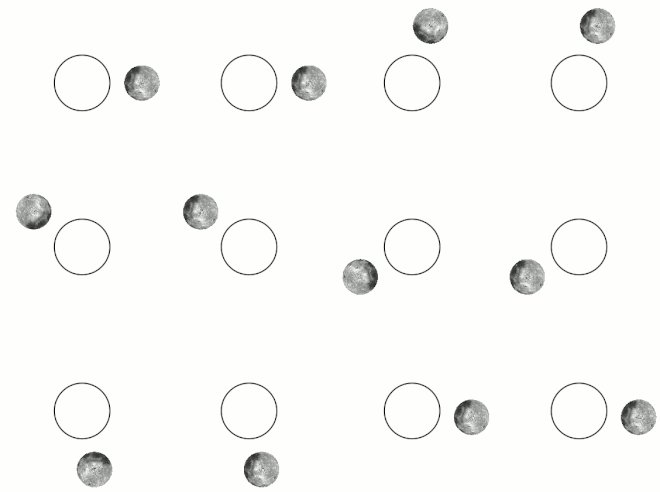
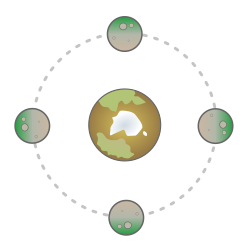
夜空に浮かぶ月を眺めるとき、私たちは常に同じ面だけを見ることになります。これは偶然ではなく、潮汐ロック(Tidal Locking)と呼ばれる天体力学的な現象によるものです。この現象は、互いに重力で引き合う2つの天体の間で起こり、最終的に一方または両方の自転速度が公転速度と一致する状態を指します。
一般的に、潮汐ロックされた天体は「同期回転」の状態にあり、自転一周にかかる時間と公転一周にかかる時間が等しくなります。これにより、常に同じ側を相手の天体に向けて回ることになります。
Key Facts
- 同期回転:自転周期と公転周期が完全に一致し、常に同じ面を向く状態。
- 相互ロック:質量差が小さく距離が近い場合、両方の天体が互いにロックされる(例:冥王星とカロン)。
- スピン軌道共鳴:完全な1:1ではなく、3:2などの単純な比率で自転と公転が同期する現象。
- 時間的変化:潮汐ロックは数百万年という長い時間をかけて、エネルギー散逸を通じて進行する。
潮汐ロックが発生するメカニズム
この現象は、天体間の重力相互作用によって引き起こされます。天体が完全に球体ではなく、重力によってわずかに歪んでいる場合、その歪み(潮汐バルジ)が回転のブレーキとして作用します。
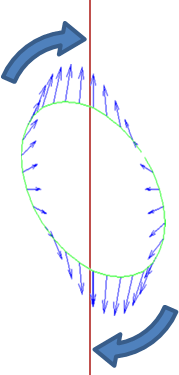
天体の自転速度が公転速度よりも速い場合、この歪みが公転方向からずれるため、回転を遅らせる方向へトルク(回転力)が働きます。このプロセスが数百万年単位で繰り返されることで、自転速度は徐々に低下し、最終的に公転周期と一致する安定した状態に到達します。
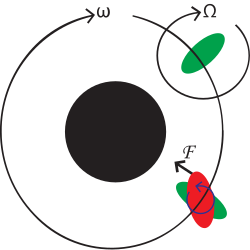
一度この状態になると、システムからエネルギーを外部に放出しているため、再び自転速度を上げるには外部からの大きなエネルギー注入が必要です。ただし、巨大惑星による摂動など、軌道自体が大きく変動した場合には、ロック状態が解除されることもあります。
軌道への影響と大型天体の変化
潮汐ロックの影響は、衛星のような小さな天体だけでなく、中心となる大きな天体(主星や惑星)にも及びます。ただし、質量が大きいため、その変化は非常に緩やかです。
例えば、地球の自転は月の重力によって徐々に遅くなっています。化石記録などの研究から、地球の1日はかつて約6時間でしたが、太陽と月の潮汐影響により、現在は24時間まで伸びたと考えられています。現代の原子時計による測定では、1世紀あたり平均約2.3ミリ秒ずつ1日が長くなっていることが分かっています。
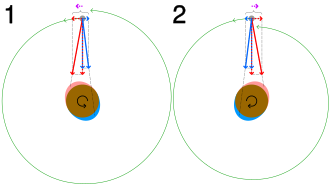
理論上、十分な時間があれば地球も月にロックされ、1日が月の公転周期(現在の約47日分)と同じ長さになります。しかし、その前に太陽が赤色巨星となって地球と月を飲み込むため、実際にこの状態になることはないと考えられています。
特殊なケース:離心率と共鳴
すべてのロックされた天体が常に同じ面を向けているわけではありません。軌道が楕円形(離心率が高い)である場合、完全な1:1の同期ではなく、スピン軌道共鳴という状態になることがあります。
代表的な例が水星です。水星は太陽の周りを2回公転する間に3回自転するという「3:2共鳴」の状態にあります。これにより、近日点付近では公転速度と自転速度がほぼ一致します。多くの系外惑星においても、軌道の離心率に応じて3:2や2:1、5:2といった共鳴状態にあると予想されています。
宇宙における具体例
太陽系内の事例
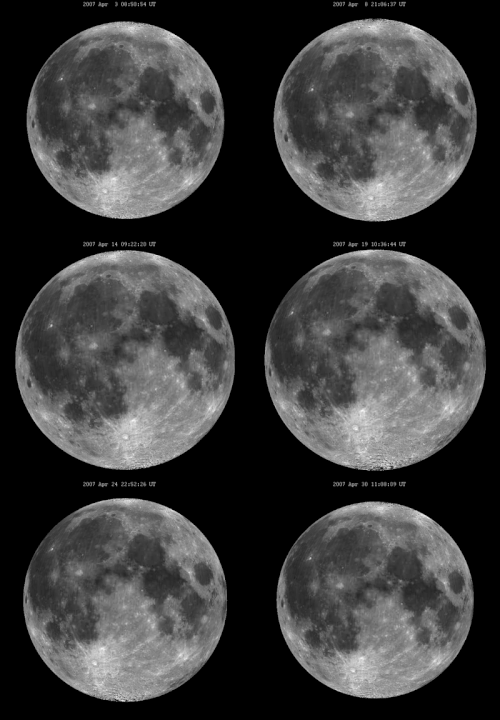
月は地球に対して完全にロックされており、地球からは常に同じ面しか見えません。1959年にソ連のルナ3号が撮影するまで、月の裏側は人類に知られていませんでした。また、冥王星とその衛星カロンは、互いにロックし合っている稀なケースです。
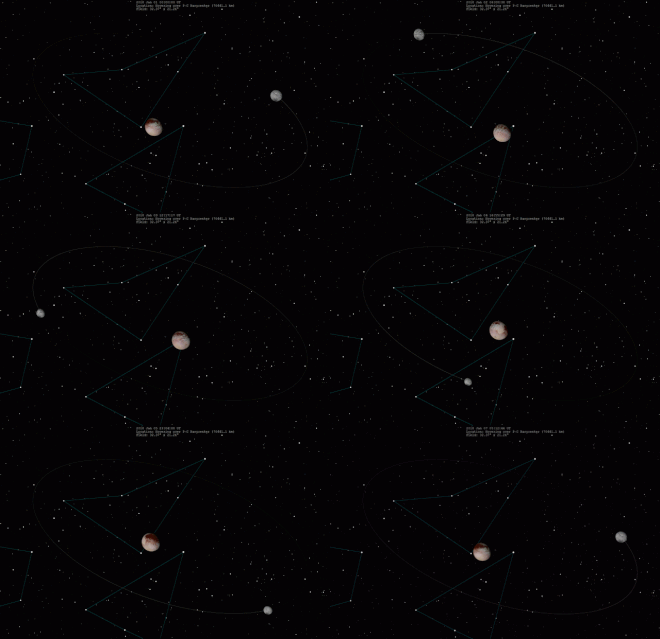
また、地球から見た金星の接近周期(約584日)が、金星の太陽日(約5.001日)のほぼ整数倍であるため、接近時に常に似た面が見えるという現象が起きていますが、これが潮汐ロックによるものかは不明です。
系外惑星と恒星
主星に非常に近い軌道を回る系外惑星の多くは、潮汐ロックされている可能性が高いと考えられています。例えばプロキシマ・ケンタウリbは、同期回転または水星のような3:2共鳴状態にあると推測されています。また、TRAPPIST-1系の惑星すべてがロックされている可能性が指摘されています。
さらに、惑星が恒星をロックさせるケースもあります。タウ・ボオーティス星は、近接して公転する巨大惑星タウ・ボオーティスbによってロックされていることが知られています。
なお、ロックされた天体であっても、軌道速度の変化や自転軸の傾きにより、見える範囲がわずかに変動する「秤動(ひょうどう)」という現象が起こります。
潮汐ロックのまとめ
| 主星/惑星 | ロックされている天体 | 状態 |
|---|---|---|
| 太陽 | 水星 | 3:2 スピン軌道共鳴 |
| 地球 | 月 | 1:1 同期回転 |
| 冥王星 | カロン | 相互ロック |
| 木星 | イオ、エウロパ、ガニメデ、カリスト等 | 同期回転 |
| タウ・ボオーティスb | タウ・ボオーティス(恒星) | 惑星による恒星のロック |
Frequently Asked Questions
潮汐ロックされると、ずっと同じ面しか見えないのですか?
基本的にはそうですが、厳密には「秤動(libration)」という現象があるため、わずかに端の方まで見える範囲が変動します。また、水星のように1:1ではない共鳴状態にある場合は、時間とともに見える面が変化します。
地球が月にロックされるとどうなりますか?
地球の自転速度が極端に遅くなり、1日の長さが現在の月の公転周期(約27.3日)と同じになります。結果として、地球上の特定の地域からしか月が見えない状態になります。
なぜすべての衛星がロックされているわけではないのですか?
ロックに至るまでの時間は、天体の質量、半径、距離、および内部の剛性(硬さ)に依存します。距離が遠すぎたり、質量が小さすぎたりする場合、宇宙の年齢よりも長い時間が必要となり、まだロックされていない場合があります。
系外惑星が潮汐ロックされていると、環境にどのような影響がありますか?
常に太陽に向いている「永遠の昼」の面と、反対側の「永遠の夜」の面に分かれます。これにより極端な温度差が生じますが、大気や海洋による熱輸送がある場合、その境界付近で生命が生存可能な環境が形成される可能性が議論されています。
References
- "When Will Earth Lock to the Moon?". Universe Today. 2016-04-12. Archived from the original on 2016-09-23. Retrieved 2017-01-02.
- Clouse, Christopher; et al. (May 2022), "Spin-orbit gravitational locking-an effective potential approach", European Journal of Physics, 43 (3): 13, :2203.09297, :2022EJPh...43c5602C, :10.1088/1361-6404/ac5638, 246962304, 035602
- Barnes, Rory, ed. (2010). Formation and Evolution of Exoplanets. John Wiley & Sons. p. 248. . Archived from the original on 2023-08-06. Retrieved 2016-08-16.
- Heller, R.; Leconte, J.; Barnes, R. (April 2011). "Tidal obliquity evolution of potentially habitable planets". Astronomy & Astrophysics. 528: 16. :1101.2156. :2011A&A...528A..27H. :10.1051/0004-6361/201015809. 118784209. A27.
- Mahoney, T. J. (2013). Mercury. Springer Science & Business Media. . Archived from the original on 2023-08-06. Retrieved 2018-04-20.
- Lewis, John (2012). Physics and Chemistry of the Solar System. Academic Press. pp. 242–243. . Archived from the original on 2023-08-06. Retrieved 2018-02-22.
- Watson, C.; et al. (April 2006). "Impact of solid Earth tide models on GPS coordinate and tropospheric time series" (PDF). Geophysical Research Letters. 33 (8): L08306. :2006GeoRL..33.8306W. :10.1029/2005GL025538. :1885/21511. Archived (PDF) from the original on 2021-11-26. Retrieved 2018-05-18.
- de Pater, Imke (2001). Planetary Sciences. Cambridge. p. 34. .
- Ray, R. (15 May 2001). "Ocean Tides and the Earth's Rotation". IERS Special Bureau for Tides. Archived from the original on 18 August 2000. Retrieved 17 March 2010.
- Murray, C. D.; Dermott, Stanley F. (1999). Solar System Dynamics. Cambridge University Press. p. 184. .
📸 フォトギャラリー