Russian Akula-class submarine of the Northern Fleet, in 2008
← ホームへ戻る
潜水艦海軍原子力潜水艦ディーゼル電気推進潜水艦の歴史

潜水艦の歴史と技術:人力から原子力まで進化する深海の兵器

🗓 2026年8月10日

深海という過酷な環境で活動する潜水艦は、人類の知的好奇心と軍事的な戦略的ニーズが融合して生まれた究極の乗り物です。初期の単純な潜水装置から、現代の高度な原子力潜水艦に至るまで、その進化は推進力と耐圧構造の絶え間ない改善の歴史と言えます。

Key Facts

  • 起源: 1620年にコーネリス・ドレベルによって発明された。
  • 推進力の変遷: 人力 → 圧縮空気・蒸気 → ディーゼル電気 → 原子力へと進化した。
  • 構造の進化: 単胴船から、耐圧殻を外殻で包む二重船殻構造へと発展した。
  • 戦略的転換: 第二次世界大戦のUボート戦や、冷戦期の米ソによる静粛性と潜航能力の競争が技術を飛躍させた。
  • 多様な用途: 軍事利用だけでなく、深海探査や観光などの民間利用も行われている。

潜水艦の黎明期:人力から機械動力へ

潜水艦の歴史は、16世紀から17世紀にかけての初期の試行錯誤に遡ります。1620年にはコーネリス・ドレベルが、櫂(かい)で推進する初期の潜水艇を製作しました。
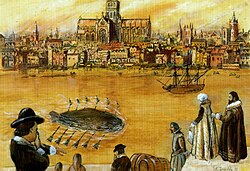
An early submersible craft, built by Cornelis Drebbel, propelled by oars

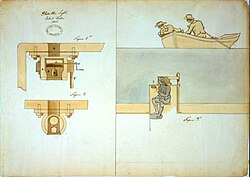
18世紀から19世紀にかけても、ブッシュネルの「タートル」やロバート・フルトンの「プランジング・ボート」など、水中での攻撃や隠密行動を目的とした設計が試みられました。
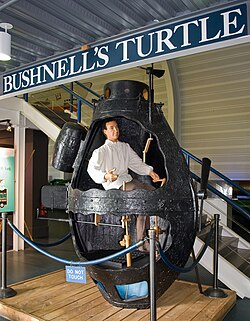
Cutaway replica of Bushnell's "Turtle" at the Submarine Force Library and Museum, Groton, Connecticut
Illustration by Robert Fulton showing a "plunging boat"

19世紀半ばになると、人力に頼らない機械的な推進力が導入されます。1863年にフランスで進水した「プランジュール」は圧縮空気を使用し、1864年にはスペインの「イクティネオII」が、化学反応による熱で蒸気機関を動かす空気独立推進の先駆けとなりました。
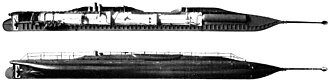
The French submarine Plongeur

近代潜水艦の確立と世界大戦の影響

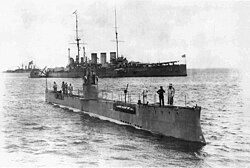
20世紀に入ると、潜水艦は実戦的な兵器へと変貌します。フランスの「ナルヴァル」では、内部に耐圧殻を持つ二重船殻構造が採用され、航続距離が大幅に向上しました。また、ガソリンエンジンからディーゼルエンジンへの移行が進み、信頼性が高まりました。
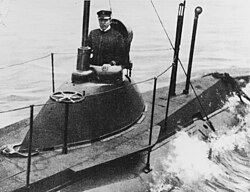
USS Plunger, launched in 1902
Akula (launched in 1907) was the first Russian submarine able to cruise long distances.

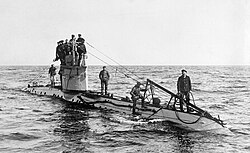
日露戦争(1904-05年)では、ロシア海軍が世界初の運用可能な潜水艦艦隊を編成し、実戦に投入しました。その後、第一次世界大戦ではドイツのUボートがその脅威を世界に知らしめ、北海などでイギリス海軍と激しく対峙しました。
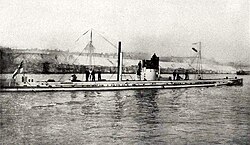
The German submarine SM U-9, which sank three British cruisers in less than an hour in September 1914
German UC-1-class World War I submarine. The wires running up from the bow to the conning tower are the jumping wires

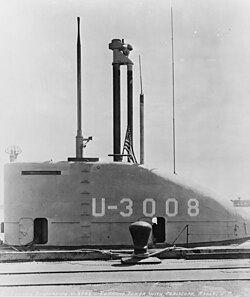
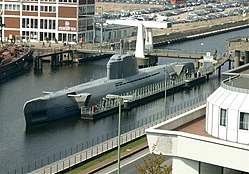
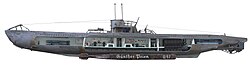
第二次世界大戦では、潜水艦の役割はさらに拡大しました。ドイツのタイプVIIなどの攻撃潜水艦や、日本海軍の巨大なI-400型潜水空母など、多様なクラスが登場しました。この時期、シュノーケルの導入により、潜航中のディーゼルエンジン運転が可能になり、生存率が向上しました。
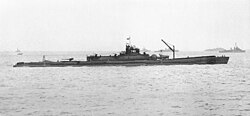
The Imperial Japanese Navy's I-400-class submarine, the largest submarine type of WWII
A model of Günther Prien's U-47, German WWII Type VII diesel–electric hunter
Head of the snorkel mast from German type XXI submarine U-3503, scuttled outside Gothenburg on 8 May 1945 but raised by the Swedish Navy and carefully studied for the purpose of improving future Swedish submarine designs
USS U-3008 (former German submarine U-3008) with her snorkel masts raised at Portsmouth Naval Shipyard, Kittery, Maine
German Type XXI submarine

冷戦時代の技術革新と原子力への移行

戦後、潜水艦技術は最大の転換点を迎えます。1954年に就役した米海軍の「ノーチラス」は、世界初の原子力潜水艦であり、燃料補給なしでほぼ無制限の潜航を可能にしました。これにより、潜水艦は「潜ることができる船」から「水中を自在に航行する船」へと進化しました。
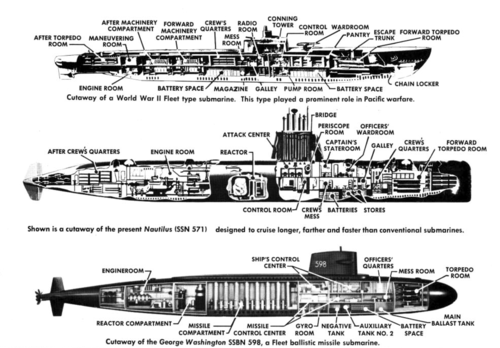
World War II fleet submarine (Gato, Balao or Tench class), commissioned 1941–1945The first nuclear-powered submarine USS Nautilus (SSN-571), commissioned 1954The ballistic missile submarine USS George Washington (SSBN-598), commissioned 1959
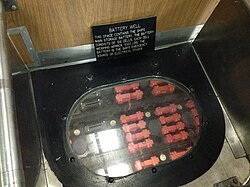
Battery well containing 126 cells on USS Nautilus, the first nuclear-powered submarine

冷戦期、アメリカとソ連は静粛性と潜航深度を競い合いました。ソ連の「コムソモレツ」は軍用潜水艦として水深1,000mという記録を達成しましたが、一方で放射能漏れや事故による喪失も相次ぎました。米ソ両国は、弾道ミサイル潜水艦(SSBN)を戦略的抑止力として運用し、深海での「いたちごっこ」を繰り広げました。
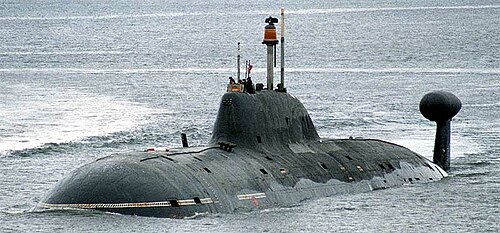
Russian Akula-class submarine of the Northern Fleet, in 2008
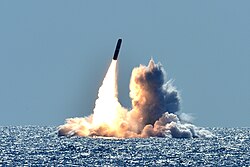
Trident II D5 is one of the most advanced submarine-launched ballistic missiles
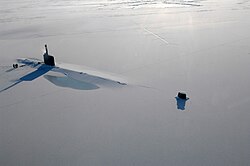
US Navy attack submarine USS Annapolis rests in the Arctic Ocean after surfacing through one metre of ice during Ice Exercise 2009 on 21 March 2009.

潜水艦を支える工学的メカニズム

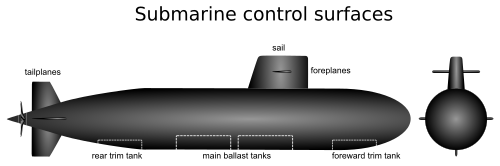
潜水艦が水中を移動し、深度を調整するためには、浮力とトリム(船体の傾き)の精密な制御が不可欠です。バラストタンクに注水して潜航し、圧縮空気で排水して浮上します。
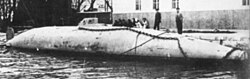
Peral at Cartagena, 1888
An illustration showing submarine control surfaces and trim tanks
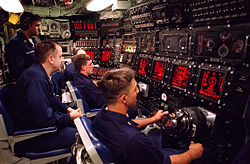
USS Seawolf (SSN-21) Ship Control Panel, with yokes for control surfaces (planes and rudder), and Ballast Control Panel (background), to control the water in tanks and ship's trim

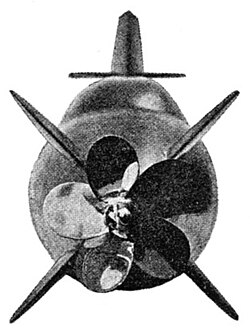
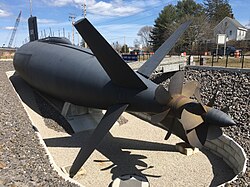
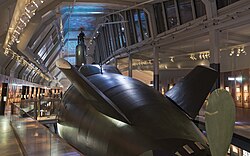
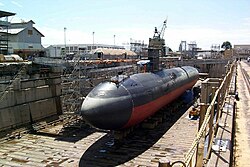
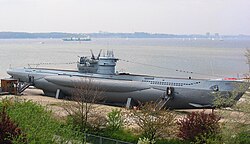
船体形状も進化しました。初期の船のような形状から、水中での抵抗を減らすための円筒形(シガー形状)へと移行し、さらに舵の形状もX字型などの効率的な設計が導入されました。
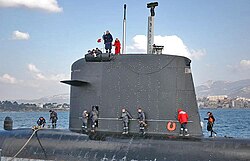
Sail of the French nuclear submarine Casabianca; note the diving planes, camouflaged masts, periscope, electronic warfare masts, hatch, and deadlight.
Rear view of a model of Swedish submarine HMS Sjöormen, the first production submarine to feature an x-stern
USS Albacore, the first submarine to use an x-rudder in practice, now on display in Portsmouth, New Hampshire
The x-rudder of HMS Neptun, a Näcken-class submarine in service with the Swedish Navy 1980–1998, now on display at Marinmuseum in Karlskrona
The US Navy Los Angeles-class USS Greeneville in dry dock, showing cigar-shaped hull
U-995, Type VIIC/41 U-boat of World War II, showing the ship-like lines of the outer hull for surface travel, blended into the cylindrical pressure hull structure
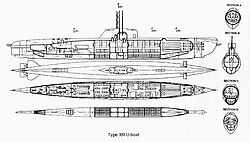
Type XXI U-boat, late World War II, with pressure hull almost fully enclosed inside the light hull

推進方式については、現代でもディーゼル電気推進が主流の非原子力艦に採用されています。これは、潜航中にバッテリーでモーターを回し、浮上またはシュノーケル使用時にディーゼルエンジンで発電して充電する仕組みです。
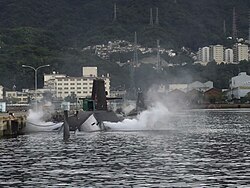
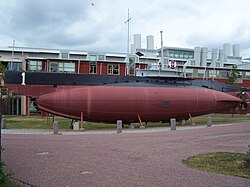
Recharging battery (JMSDF)
One of the first submarines with diesel–electric transmission, HMS Hajen, on display outside Marinmuseum in Karlskrona
Two widely different generations of Swedish submarines but both with diesel–electric transmission: HSwMS Hajen [sv], in service 1905–1922, and HMS Neptun, in service 1980–1998

軍事以外の利用と運用の多様化

潜水艦技術は民間分野にも応用されています。1960年代にはオーギュスト・ピカールによる深海探査艇「トリエステ」が、地球上で最も深い地点への到達に成功しました。また、観光用の潜水艦も世界各地で運用されており、一般の人々が海底を観賞できるようになっています。
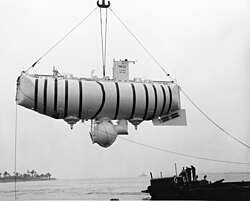
In 1960, Jacques Piccard and Don Walsh were the first people to explore the deepest part of the world's ocean, and the deepest location on the surface of the Earth's crust, in the Bathyscaphe Trieste designed by Auguste Piccard.

また、運用の面では多様性が広がっています。かつては男性のみの領域でしたが、1985年にノルウェー海軍が女性の乗組員を認めて以来、デンマーク、スウェーデン、オーストラリア、アメリカなど多くの国で女性潜水艦乗組員や士官が活躍しています。

潜水艦の主要仕様と分類まとめ

潜水艦の主要タイプと特徴
タイプ 主な推進方式 主な目的 特徴
攻撃潜水艦 (SSN/SSK) 原子力 / ディーゼル電気 敵艦・潜水艦の撃破 高い機動力と静粛性
弾道ミサイル潜水艦 (SSBN) 原子力 核抑止力の維持 巨大な船体と長期間の潜航能力
小型潜水艦 (Midget Sub) 電気 / ディーゼル 特殊作戦・沿岸防衛 高い隠密性と限定的な航続距離
深海探査艇 (DSV) 電気 / バッテリー 科学調査・資源探査 極めて高い耐圧構造

現代の潜水艦は、高度なセンサーと通信システムを備え、北極圏の氷の下を航行するなど、地球上のあらゆる海域をカバーする戦略的資産となっています。
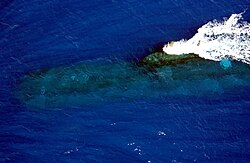
HMAS Rankin, a Collins-class submarine at periscope depth
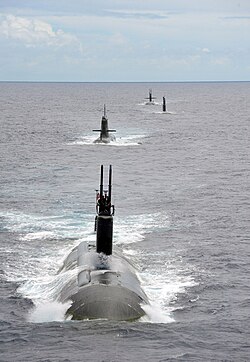
USS Charlotte, a Los Angeles-class submarine runs with submarines from partner nations during RIMPAC 2014.
EML Lembit in the Estonian Maritime Museum. The Lembit is the only minelayer submarine of its series left in the world.[49]
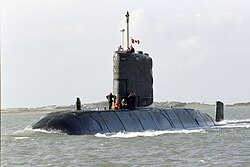
HMCS Windsor, a Royal Canadian Navy Victoria-class diesel–electric hunter-killer submarine
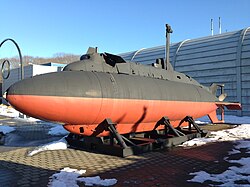
American X-1 Midget Submarine
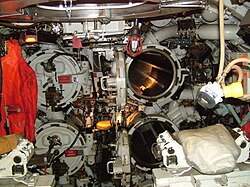
The forward torpedo tubes in HMS Ocelot
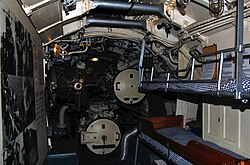
The torpedo room of Vesikko
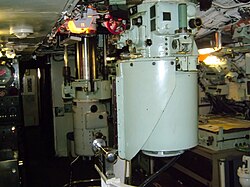
The larger search periscope, and the smaller, less detectable attack periscope on HMS Ocelot
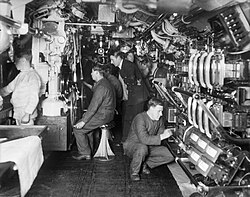
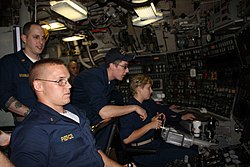
The interior of a British E-class submarine. An officer supervises submerging operations, c. 1914–1918.
Midshipmen learn to pilot USS West Virginia (2010)
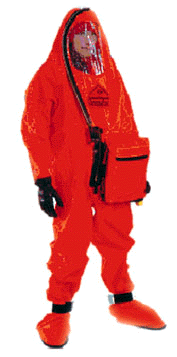
Submarine Escape Immersion Equipment suit Mk 10
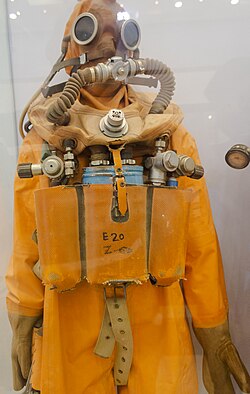
A submarine escape suit with rebreather

Frequently Asked Questions

潜水艦はどうやって潜ったり浮いたりしますか?

バラストタンクという大きなタンクに海水を注入して船体全体の密度を高めることで潜航し、逆に圧縮空気を送り込んで海水を追い出すことで浮力を得て浮上します。

原子力潜水艦の最大のメリットは何ですか?

酸素の生成や淡水の製造が自前で可能であり、燃料補給の必要がほとんどないため、数ヶ月にわたる長期間の潜航と高速航行が可能な点です。

シュノーケルとはどのような機能ですか?

潜航したまま海面に管を伸ばし、外気を取り入れてディーゼルエンジンを運転させる装置です。これにより、完全に浮上することなくバッテリーの充電が行えます。

潜水艦の「耐圧殻」とは何ですか?

深海の凄まじい水圧から乗組員や機器を守るための、非常に強固な内部構造のことです。外側の船殻(外殻)とは別に、円筒形の強固な殻を設けることで潰れるのを防いでいます。

女性が潜水艦に乗ることは可能ですか?

はい、可能です。1985年のノルウェー海軍を皮切りに、現在では多くの主要海軍(アメリカ、ドイツ、カナダなど)で女性の乗組員や士官が配属されています。

References

  1. For example, see , at , at
  2. The Submarine service page on the official website of the Royal Navy refers to "These powerful boats" "Submarines". . Retrieved 10 July 2026., and in a speech in Washington, Adm. Sir Philip Jones announced "that the name Dreadnought will return as lead boat and class name" for "First Sea Lord Trafalgar Night speech in Washington". . 22 October 2016. Retrieved 10 July 2026.

📸 フォトギャラリー

Russian Akula-class submarine of the Northern Fleet, in 2008
World War II fleet submarine (Gato, Balao or Tench class), commissioned 1941–1945The first nuclear-powered submarine USS Nautilus (SSN-571), commissioned 1954The ballistic missile submarine USS George Washington (SSBN-598), commissioned 1959
An early submersible craft, built by Cornelis Drebbel, propelled by oars
Cutaway replica of Bushnell's "Turtle" at the Submarine Force Library and Museum, Groton, Connecticut
Illustration by Robert Fulton showing a "plunging boat"
The French submarine Plongeur
Peral at Cartagena, 1888
USS Plunger, launched in 1902
Akula (launched in 1907) was the first Russian submarine able to cruise long distances.
The German submarine SM U-9, which sank three British cruisers in less than an hour in September 1914
The Imperial Japanese Navy's I-400-class submarine, the largest submarine type of WWII
A model of Günther Prien's U-47, German WWII Type VII diesel–electric hunter
HMAS Rankin, a Collins-class submarine at periscope depth
USS Charlotte, a Los Angeles-class submarine runs with submarines from partner nations during RIMPAC 2014.
German UC-1-class World War I submarine. The wires running up from the bow to the conning tower are the jumping wires
EML Lembit in the Estonian Maritime Museum. The Lembit is the only minelayer submarine of its series left in the world.[49]
Trident II D5 is one of the most advanced submarine-launched ballistic missiles
US Navy attack submarine USS Annapolis rests in the Arctic Ocean after surfacing through one metre of ice during Ice Exercise 2009 on 21 March 2009.
An illustration showing submarine control surfaces and trim tanks
USS Seawolf (SSN-21) Ship Control Panel, with yokes for control surfaces (planes and rudder), and Ballast Control Panel (background), to control the water in tanks and ship's trim
Sail of the French nuclear submarine Casabianca; note the diving planes, camouflaged masts, periscope, electronic warfare masts, hatch, and deadlight.
Rear view of a model of Swedish submarine HMS Sjöormen, the first production submarine to feature an x-stern
USS Albacore, the first submarine to use an x-rudder in practice, now on display in Portsmouth, New Hampshire
The x-rudder of HMS Neptun, a Näcken-class submarine in service with the Swedish Navy 1980–1998, now on display at Marinmuseum in Karlskrona
The US Navy Los Angeles-class USS Greeneville in dry dock, showing cigar-shaped hull
U-995, Type VIIC/41 U-boat of World War II, showing the ship-like lines of the outer hull for surface travel, blended into the cylindrical pressure hull structure
Type XXI U-boat, late World War II, with pressure hull almost fully enclosed inside the light hull
In 1960, Jacques Piccard and Don Walsh were the first people to explore the deepest part of the world's ocean, and the deepest location on the surface of the Earth's crust, in the Bathyscaphe Trieste designed by Auguste Piccard.
HMCS Windsor, a Royal Canadian Navy Victoria-class diesel–electric hunter-killer submarine
Recharging battery (JMSDF)
One of the first submarines with diesel–electric transmission, HMS Hajen, on display outside Marinmuseum in Karlskrona
Two widely different generations of Swedish submarines but both with diesel–electric transmission: HSwMS Hajen [sv], in service 1905–1922, and HMS Neptun, in service 1980–1998
Head of the snorkel mast from German type XXI submarine U-3503, scuttled outside Gothenburg on 8 May 1945 but raised by the Swedish Navy and carefully studied for the purpose of improving future Swedish submarine designs
USS U-3008 (former German submarine U-3008) with her snorkel masts raised at Portsmouth Naval Shipyard, Kittery, Maine
German Type XXI submarine
American X-1 Midget Submarine
Battery well containing 126 cells on USS Nautilus, the first nuclear-powered submarine
The forward torpedo tubes in HMS Ocelot
The torpedo room of Vesikko
The larger search periscope, and the smaller, less detectable attack periscope on HMS Ocelot
The interior of a British E-class submarine. An officer supervises submerging operations, c. 1914–1918.
Midshipmen learn to pilot USS West Virginia (2010)
Submarine Escape Immersion Equipment suit Mk 10
A submarine escape suit with rebreather