夜空に浮かぶ三日月と星の組み合わせは、今日では多くの人々にとって特定の宗教や国家を連想させる強力なアイコンとなっています。しかし、この意匠の起源を辿ると、特定の信仰が生まれる遥か以前の古代世界にまで遡ることがわかります。天体の運行という自然現象から始まり、権力の象徴、そして国家のアイデンティティへと変化してきたこのシンボルの旅路を紐解きます。
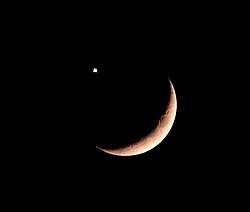
もともとこの組み合わせは、月と金星(明けの明星)、あるいは太陽と月の合(コンジャンクション)という天文学的な現象を視覚化したものでした。地球から見たとき、三日月と金星が寄り添う様子は非常に美しく、古くから人々の想像力を刺激してきました。
Key Facts
- 起源: 特定の宗教的背景ではなく、古代近東の天体観測や神話的な図像に由来する。
- 普及の経緯: 古代ギリシャのビザンティウムやペルシャのササン朝を経て、オスマン帝国で国家の象徴として定着した。
- イスラム教との関係: 宗教的な教義に基づくシンボルではなく、オスマン帝国の権威を通じて後付けで「イスラムの象徴」として広まった。
- 現代の利用: トルコをはじめ、パキスタンやマレーシアなど多くの国々の国旗に採用されている。
古代における天体シンボルの誕生
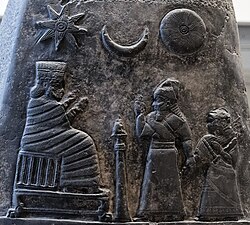
星と三日月の図像は、古代メソポタミアの文化圏で断片的に見られます。例えば、紀元前12世紀のネブカドネザル1世の境界石には、月の神シン(Sin)の三日月と、金星を司る女神イシュタル(Ishtar)の星が組み合わされて描かれています。
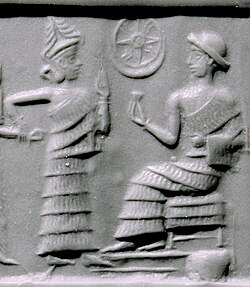
また、紀元前1800年から1600年頃のドイツで発見された「ネブラ空の円盤」や、紀元前15世紀のミケーネの指輪、紀元前1000年頃のベルリン黄金帽など、ユーラシア大陸の広範囲で同様の天体モチーフが確認されており、人類が普遍的に空の現象を神格化していたことが伺えます。
古典時代からペルシャ帝国へ
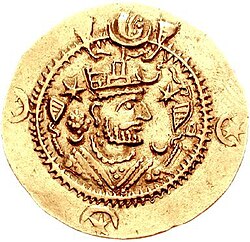
この意匠がより明確な形態となったのは、紀元前300年頃のギリシャ植民都市ビザンティウムであると言われています。その後、ポントス王ミトリダテス6世がこの地を支配した際に王室の紋章として採用しました。さらに、5世紀頃のペルシャ・ササン朝帝国では、鋳造された硬貨にこのシンボルが刻まれ、中東全域で400年以上にわたって流通することとなりました。
![Venus, Sun and Moon on the Stele of Nabonidus (r. 556–539 BC) found at Harran (Şanlıurfa Museum)[10]](/images/16/3d/163da022edc02237c946ef7b63be7fbff360a940a7b1f750d6f588e473b33007.jpg)
ササン朝が崩壊し、イスラム勢力がペルシャを征服した後も、初期のカリフ時代にはササン朝の貨幣を模倣して作られたため、この図像はそのまま受け継がれました。
中世の紋章学とオスマン帝国の台頭
中世ヨーロッパの紋章学においても、三日月や星の組み合わせは稀に見られました。12世紀の十字軍が発行した貨幣や、ボヘミア、ポーランド、ボスニアなどの地域の紋章にこのモチーフが登場しています。しかし、これらは宗教的な意味合いよりも、家系や地域の識別としての役割が強いものでした。
このシンボルを世界的に有名にしたのが、オスマン帝国です。18世紀後半のムスタファ3世の治世から国家の象徴として導入され始め、19世紀のタンジマート(近代化改革)を経て、赤地に白い三日月と星という現在の形式が確立されました。このデザインは、かつての首都コンスタンティノープル(現在のイスタンブール)に古くから伝わっていた都市の象徴から影響を受けたと考えられています。
オスマン帝国の版図が広がると、その行政区画であるエヤレトやヴィライェトの旗にもこの意匠が取り入れられ、地域のアイデンティティとして浸透していきました。

現代における国家シンボルと宗教的解釈
20世紀に入り、オスマン帝国の影響下にあった地域が独立すると、多くの国々が自国の国旗に三日月と星を採用しました。トルコ共和国はもちろん、リビア、チュニジア、アルジェリア、パキスタン、マレーシアなどがその例です。デザインのバリエーションは多様で、星が三日月の弧の外にあるものや、内側に配置されているものがあります。
また、シンガポールやウズベキスタン、トルクメニスタン、コモロなどの国々では、三日月に複数の星を組み合わせることで、州や島などの構成単位を表現しています。
一方で、このシンボルを「イスラム教の象徴」と見なす傾向が強まりました。これは、キリスト教における十字架のような教義上の根拠があるわけではなく、イスラム世界を統治したオスマン帝国の権威と結びついた結果、後天的に定着したイメージです。そのため、一部のムスリムの間では、このシンボルを宗教的な象徴として使うことに否定的な意見も存在します。

シンボルの概要まとめ
| 時代・地域 | 主な役割・意味 | 代表的な例 |
|---|---|---|
| 古代メソポタミア | 神々の象徴(月神シン、金星イシュタル) | 境界石、円盤 |
| 古典期(ギリシャ・ペルシャ) | 王権の象徴、都市のシンボル | ビザンティウム、ササン朝貨幣 |
| 中世ヨーロッパ | 家紋・地域紋章 | 十字軍の貨幣、ボスニアの墓石 |
| オスマン帝国 | 国家・帝国の公式シンボル | 赤地の国旗(Ay-Yıldız) |
| 現代 | 国家のアイデンティティ、イスラムの一般的象徴 | トルコ、パキスタン等の国旗 |
Frequently Asked Questions
星と三日月はもともとイスラム教のシンボルだったのですか?
いいえ、違います。この意匠はイスラム教が誕生する遥か前から、古代近東やギリシャ、ペルシャなどで天体や神々の象徴として使われていました。イスラムの象徴として広まったのは、強力なイスラム帝国であったオスマン帝国が国家のシンボルとして採用したためです。
なぜ多くのイスラム圏の国旗にこのマークが入っているのですか?
多くの場合、かつてオスマン帝国の支配下にあったか、その政治的・文化的な影響を強く受けていたためです。独立後に、その伝統を引き継ぐ形で、あるいはイスラム的なアイデンティティを示すために採用されました。
星の数や位置に意味はあるのでしょうか?
国によって異なります。例えば、星が三日月の内側にあるか外側にあるかはデザイン上の選択ですが、星の数は具体的な意味を持つことが多いです。シンガポールの5つの星や、ウズベキスタンの12の星のように、国の構成要素や地域的な意味を込めて配置されています。
キリスト教の十字架のような宗教的根拠はあるのですか?
ありません。十字架がイエス・キリストの処刑という教義上の出来事に直接結びついているのに対し、星と三日月は宗教的な経典や教義に基づいたシンボルではなく、歴史的な経緯による「慣習的な象徴」です。
「レッドクレセント(赤新月)」とは何ですか?
赤十字社(ICRC)のシンボルである「赤十字」に相当するものです。オスマン帝国との戦争中に、十字のマークが宗教的な意味を持つとして拒絶された経験から、イスラム圏で受け入れられる三日月のマークが採用され、1929年に正式に認められました。
References
- Cyril Glassé, The New Encyclopedia of Islam (revised ed. 2001), s.v. "Moon" (p. 314).
- "Many Muslim scholars reject using the crescent moon as a symbol of Islam. The faith of Islam historically had no symbol, and many refuse to accept it." Fiaz Fazli, Crescent magazine, , September 2009, p. 42.
- Andrew G. Traver, From Polis to Empire, The Ancient World, c. 800 B.C.–A.D. 500, Greenwood Publishing Group, 2002, p. 257
- "The star and crescent are common Persian symbols, being a regular feature of the borders of Sassanian dirhems." Philip Grierson, Byzantine Coins, Taylor & Francis, 1982, p118
- Bradley Schaefer (21 December 1991). "Heavenly Signs". New Scientist: 48–51.
- David Lance Goines (18 October 1995). "Inferential evidence for the pre-telescopic sighting of the crescent Venus".
- This would explain cases where the inside curve of the crescent has a smaller radius of curvature than the outer, the opposite of what happens with the moon. Jay M. Pasachoff (1 February 1992). "Crescent Sun". New Scientist.
- "There are also three cases [... viz., associated with the " Religion"] where the star, figured as a radiate disc 'balancing the crescent moon', must represent Sol, balancing Luna who is represented as a crescent instead of in bust. The 'star in crescent' theme itself appears only once, on an engraved gem, accompanied by the lion and an indecipherable inscription [...] This theme is connected with the Orient and has a long history behind it in the Hittite, Babylonian, Assyrian, Sassanid and Iranian worlds. Campbell gives us valuable particulars. The heavenly bodies thus symbolized were seen as the powerful influence of cosmic fatalism guiding the destinies of men." Dumitru Tudor, Christopher Holme (trans.), Corpus Monumentorum Religionis Equitum Danuvinorum (CMRED) (1976), p. 192 (referencing Leroy A. Campbell, Mithraic Iconography and Ideology' '(1969), 93f.
- e.g. Catalogue of the Greek coins in The British Museum (2005), p. 311 (index).
- A similar stele found in Babylon is kept in the British Museum (no. 90837).
📸 フォトギャラリー