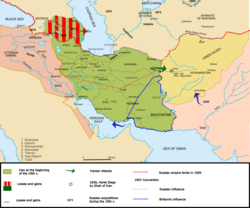
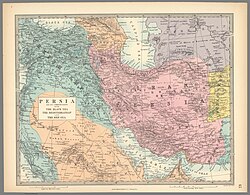
A map of West Asia in 1872, with "Iran or Persia", ruled by the Qajar dynasty, shaded in pink.
← ホームへ戻る
イランイスラム共和国アケメネス朝ササン朝イラン革命

イラン・イスラム共和国の歴史と現代社会:古代帝国から現代の政治経済まで

🗓 2026年8月10日

西アジアに位置し、かつて「ペルシャ」の名で知られたイランは、数千年にわたる壮大な歴史を持つ国です。古代の巨大帝国から現代の神権政治に至るまで、この地は常に世界の政治・文化の交差点として重要な役割を果たしてきました。現在はイラン・イスラム共和国として、独自の政治体制と豊かな文化的遺産を維持しています。
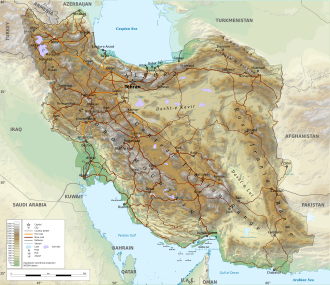
The Topography of Iran

主要な事実(Key Facts)

  • 政治体制: 最高指導者を頂点とする神権政治的な大統領制共和国。
  • 人口と規模: 推計人口は約9,240万人(2025年)で、世界第17位の規模。
  • 経済的基盤: 世界最大級の天然ガス田(サウスパルスガス田)を保有するエネルギー大国。
  • 宗教と民族: イスラム教(主にシーア派)が国教であり、ペルシャ人が人口の約61%を占める。
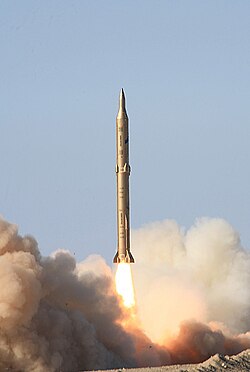
  • 軍事力: ミサイル技術に強みを持ち、世界的なミサイル保有能力を誇る。

悠久の歴史:古代帝国から近代まで

古代の栄光と帝国の興亡

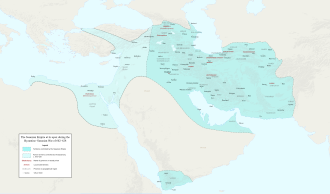
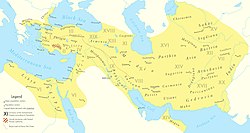
イランの歴史は、紀元前678年頃のメディア王国に始まり、その後、世界初の超大国とも言われるアケメネス朝ペルシャ(紀元前550年〜)へと発展しました。この時代、広大な領土を統治する高度な行政システムが構築されました。
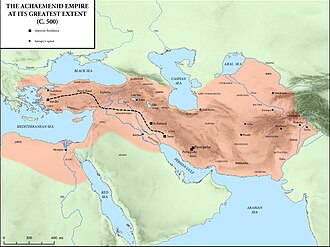
Achaemenid Empire in 500 BC

The Achaemenid Empire, or the First Persian Empire, at its greatest extent
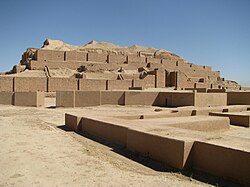
その後、パルティア帝国を経て、ササン朝ペルシャ(224年〜651年)が繁栄し、ゾロアスター教を国教として文化的な黄金期を迎えました。また、メソポタミア以外で現存する世界的に貴重なジッグラト(聖塔)であるチョガ・ザンビルなどの遺跡が、当時の高度な文明を今に伝えています。

Chogha Zanbil is one of the few extant ziggurats outside of Mesopotamia and considered the best-preserved example in the world.

The Sasanian Empire at its greatest extent c. 620, under the reign of Khosrow II

中世から近世の変遷

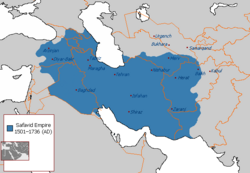
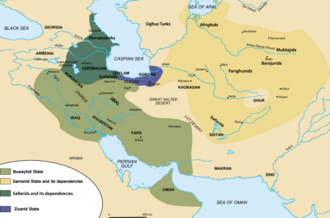
7世紀のイスラム教浸透後、イランはアラブ支配を経て、サマン朝やサファヴィー朝などの地域王朝が台頭しました。特に16世紀に成立したサファヴィー朝は、シーア派を国教化し、現代イランの宗教的・国家的アイデンティティの基礎を築きました。
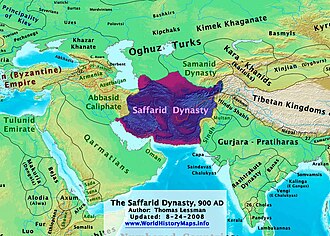
The Saffarid dynasty in 900 AD

A map of Iranian dynasties in the mid 10th-century

Safavid Iran (1501–1722) at its greatest extent

その後、アフシャール朝やカジャール朝が統治しましたが、19世紀から20世紀にかけては外国勢力の干渉が強まり、政治的な不安定期に入ります。
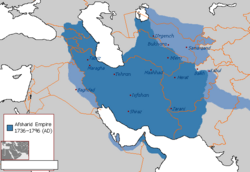
A map of the Afsharid Empire at its greatest extent, in 1741–1745

Iran under the Qajar dynasty in the 19th century.

近代化と革命の時代

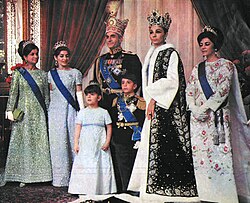
20世紀に入ると、パフラヴィー朝が成立し、強力な世俗化と近代化政策が推進されました。しかし、独裁的な統治への不満が高まり、1979年にイラン革命が発生。これにより君主制が廃止され、アヤトラ・ホメイニを中心とするイスラム共和国が樹立されました。
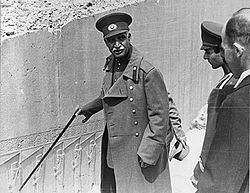
Reza Shah with then-Crown Prince Mohammad Reza Pahlavi at Persepolis, c. 1939

The coronation of Mohammad Reza Pahlavi, the last Iranian coronation, held in 1967

A map of West Asia in 1872, with "Iran or Persia", ruled by the Qajar dynasty, shaded in pink.

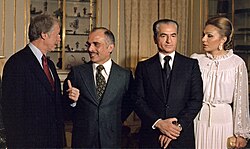
Mohammad Reza Shah and Shahbanu Farah Pahlavi of Iran with US President Jimmy Carter and King Hussein of Jordan in 1977

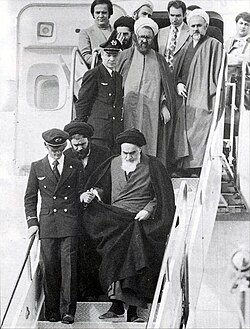
Ruhollah Khomeini returns to Iran after 14 years of exile in Turkey, Iraq and France on 1 February 1979.

現代の政治体制と国際関係

現在のイランは、宗教的権威を持つ最高指導者が国家の最終決定権を握る体制となっています。行政の長である大統領や、立法を担うイスラム協議会が存在しますが、その権限は宗教的な監視下にあります。
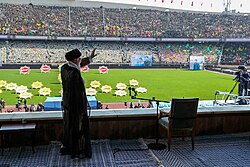
Ali Khamenei at the Great Conference of Basij members at Azadi Stadium, October 2018

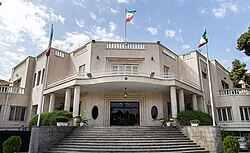
The entrance to the Presidential Administration palace in Pasteur Street, which is the cabinet's meeting place, and the President's office

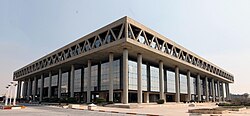
The building of the Islamic Consultative Assembly (ICA)

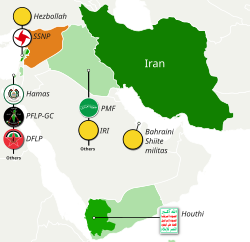
外交面では、独自の地域戦略を展開しており、「抵抗の枢軸」と呼ばれる影響圏を通じて中東地域でのプレゼンスを高めています。また、核開発計画やミサイル技術の向上は、国際社会との緊張関係を生む要因となっています。
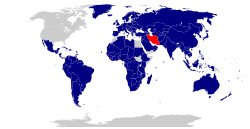
Nations with which Iran has diplomatic relations

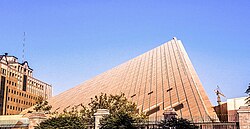
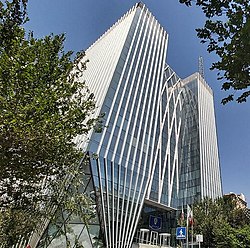
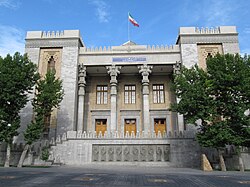
The building of the Ministry of Foreign Affairs, which extensively uses Achaemenid architecture in its facade, National Garden

MRBM Sejjil. Iran is the world's 6th missile power, and the 5th country in the world with hypersonic missile technology

Iran and its sphere of influence, known as the Axis of Resistance

地理・気候と自然環境

イランの地形は、中央の広大な高原地帯を囲むように山脈が走る複雑な構造をしています。気候は地域によって多様で、北部のカスピ海沿岸は湿潤な森林地帯である一方、中央部は乾燥した砂漠地帯が広がっています。
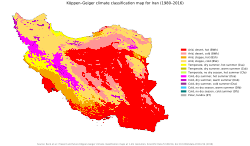
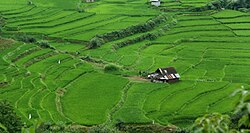
A Köppen climate classification map of Iran

A paddy field in Bandpey, northern Iran

また、固有種であるペルシャヒョウなどの野生動物が生息しており、生物多様性の豊かな環境が維持されています。
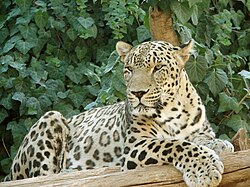
A Persian leopard, native to the Iranian Plateau

経済、産業、そして文化

エネルギーと産業構造

イラン経済の柱は石油と天然ガスです。特にサウスパルスガス田は世界最大級の埋蔵量を誇り、国家の主要な収入源となっています。また、自動車産業も盛んで、中東・北アフリカ地域で最大規模のメーカーを擁しています。
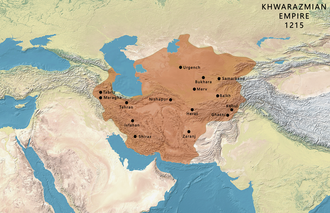
Territory of the Khwarazmian Empire on the eve of the Mongol conquests, c. 1215

South Pars Gas-Condensate field, the world's largest gas field, holds 8% of Earth's gas reserves.[484]

Iran is the world's 16th largest car manufacturer, with IKCO being the largest in the Middle East, Central Asia and North Africa.[470]

教育と科学技術

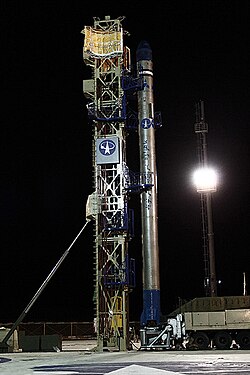
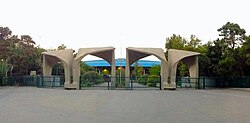
教育水準が高く、テヘラン大学などの名門校を中心に科学技術への投資が行われています。宇宙開発にも注力しており、独自のロケット打ち上げ実績を積み上げています。
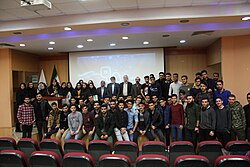
Students of Amirkabir University of Technology in Tehran

Historic launch of Safir in 2012

University of Tehran, the oldest Iranian university (1851), and among the world's top universities

文化遺産と芸術

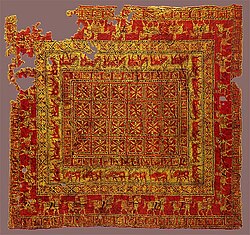
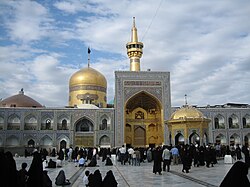
ペルシャ絨毯に代表される伝統工芸や、詩、建築などの芸術分野で世界的に高い評価を受けています。イスファハンのチェヘル・ソトゥーン宮殿や、マシュハドのイマーム・レザー廟などの歴史的建造物は、信仰と芸術の融合を象徴しています。
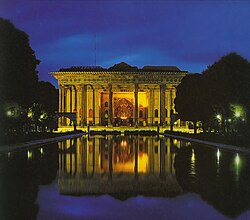
Chehel Sotoun Palace in Isfahan, built during the Safavid Empire with example of a talar, World Heritage Site

The Imam Reza shrine in Mashhad is the most sacred site in Iran and a major center of pilgrimage for Shia Muslims, containing the mausoleum of the eighth Imam.

The Pazyryk Carpet, circa 400 BC, is considered world's the oldest known surviving carpet

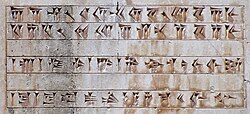
"I am Cyrus the king, an Achaemenid", in Old Persian, Elamite and Akkadian languages; Pasargadae, World Heritage Site

現代の都市部では、伝統的な文化とモダンなライフスタイルが共存しており、テヘランのカフェ文化などがその一例です。
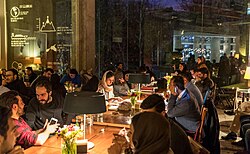
Modern café in Tehran

Tehran Stock Exchange

社会と生活

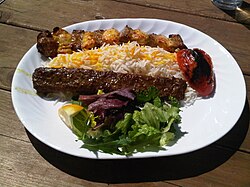
イラン社会は多様な民族で構成されており、ペルシャ人のほか、アゼルバイジャン人、クルド人、ルル人などが共生しています。食文化では、チェロウ・カバブなどの伝統料理が親しまれています。
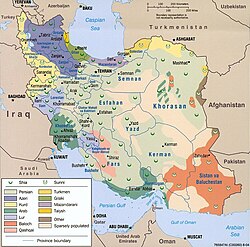
Colour-coded map of Iran's ethnic groups

Chelow kabab (rice and kebab), one of Iran's national dishes

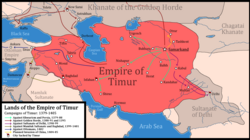
Timur's empire and his military campaigns

一方で、政治的な抑圧や人権問題、特にエヴィン刑務所に象徴される拘束や検閲などの課題も抱えています。

The entrance to Evin Prison, established in 1972. VICE describes the prison as the "legendary terrifying place that nobody wants to end up."[413]

IRIB, the Iranian state-controlled media corporation

観光面では、キシュ島などのリゾート地が人気を集めており、年間多くの観光客が訪れています。

Around 12 million tourists visit Kish Island annually.[451]

まとめ:イランの現状

イランは、古代の栄光を誇る歴史的遺産と、現代の複雑な政治的・経済的状況が交錯する国です。エネルギー資源という強力な武器を持つ一方で、国際的な制裁や内部の社会的な緊張という困難に直面しています。

イランの基本データ概要
項目 詳細
公用語 ペルシャ語
主要宗教 イスラム教(シーア派が主流)
首都 テヘラン
通貨 イラン・リアル (IRR)
主要産業 石油・天然ガス、自動車製造、農業
GDP (PPP) 約1.783兆ドル (2026年推計)

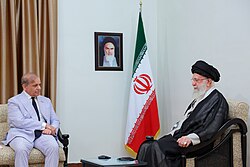
Former Supreme Leader Ayatollah Ali Khamenei with Pakistan's Prime Minister Shehbaz Sharif on 26 May 2025

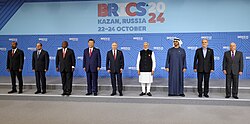
Iranian President Masoud Pezeshkian (second from the right) poses for a group photo with other heads of state during the 16th BRICS summit in Kazan, Russia, on 23 October 2024

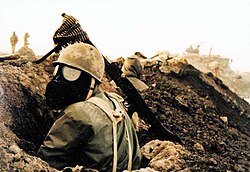
An Iranian soldier with gas mask during the Iran–Iraq War

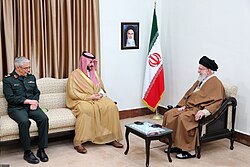
Ayatollah Ali Khamenei with Saudi Arabia's Defense Minister Khalid bin Salman and Major General Mohammad Bagheri on 17 April 2025

Razavi Hospital, accredited by ACI[598] for its quality health services[599]

Kamal-ol-molk's Mirror Hall of Golestan Palace, often considered a starting point in Iranian modern art[606]

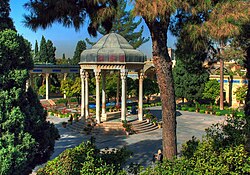
Tombs of Hafez

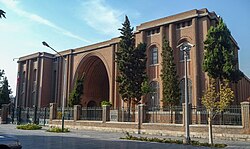
The National Museum of Iran in Tehran

Frequently Asked Questions

イランの政治体制における「最高指導者」とはどのような役割ですか?

最高指導者は、国家の最高権威であり、軍の指揮権や司法、立法の最終決定権を持つ神権政治の頂点に立つ人物です。大統領よりも上位の権限を有しています。

イランの主要な経済的強みは何ですか?

世界最大級の天然ガス埋蔵量と豊富な石油資源が最大の強みです。また、自動車産業や科学技術分野でも地域的に高い競争力を持っています。

ペルシャとイランの違いは何ですか?

「ペルシャ」は主に古代から近代までの地域や文化、言語を指す呼称であり、「イラン」は現在の国家名です。現代では公式にイランと呼ばれますが、文化的な文脈でペルシャという言葉が使われ続けています。

イランの宗教構成はどうなっていますか?

人口の大部分(約99%以上)がイスラム教徒であり、そのうち90〜95%がシーア派、5〜10%がスンニ派です。少数ながらキリスト教徒、ゾロアスター教徒、ユダヤ教徒も存在します。

イランの主要な観光地や文化遺産はどこですか?

アケメネス朝の遺跡であるパサルガダエや、イスファハンの歴史的建築物、マシュハドの聖廟などが有名です。また、世界最古の絨毯の一つであるパジリク絨毯などの工芸品も高く評価されています。

References

  1. Includes and .
  2. Ultimate authority is vested in the , a position above the President.
  3. English: : ایران, Irân, pronounced
  4. : جمهوری اسلامی ایران, Jomhuri-ye Eslâmi-ye Irân, pronounced .
  5. English: .; : پارس, Pârs, pronounced
  6. The Parni was an eastern Iranian tribe established on the Amu Darya in the confederation of . To Yarshater, they were a tribe, who penetrated Parthia, adopted its language, and eventually challenged the Seleucids' power in Parthia.
  7. : رهبر معظم, Rahbar-e Moazam
  8. "Appointing and dismissing the chief of the general staff, the commander-in-chief of the Islamic Revolution Guards Corps, and the commanders of the armed forces."
  9. "Declaring war and peace, and the mobilization of the armed forces."
  10. Officially the Ansar Allah, de facto government in Northwestern Yemen since 28 July 2016 under the

📸 フォトギャラリー

A map of West Asia in 1872, with "Iran or Persia", ruled by the Qajar dynasty, shaded in pink.
Chogha Zanbil is one of the few extant ziggurats outside of Mesopotamia and considered the best-preserved example in the world.
The Achaemenid Empire, or the First Persian Empire, at its greatest extent
The Sasanian Empire at its greatest extent c. 620, under the reign of Khosrow II
The Saffarid dynasty in 900 AD
A map of Iranian dynasties in the mid 10th-century
Territory of the Khwarazmian Empire on the eve of the Mongol conquests, c. 1215
Timur's empire and his military campaigns
Safavid Iran (1501–1722) at its greatest extent
A map of the Afsharid Empire at its greatest extent, in 1741–1745
Iran under the Qajar dynasty in the 19th century.
Reza Shah with then-Crown Prince Mohammad Reza Pahlavi at Persepolis, c. 1939
The coronation of Mohammad Reza Pahlavi, the last Iranian coronation, held in 1967
Mohammad Reza Shah and Shahbanu Farah Pahlavi of Iran with US President Jimmy Carter and King Hussein of Jordan in 1977
Ruhollah Khomeini returns to Iran after 14 years of exile in Turkey, Iraq and France on 1 February 1979.
An Iranian soldier with gas mask during the Iran–Iraq War
Ali Khamenei at the Great Conference of Basij members at Azadi Stadium, October 2018
Ayatollah Ali Khamenei with Saudi Arabia's Defense Minister Khalid bin Salman and Major General Mohammad Bagheri on 17 April 2025
The Topography of Iran
A Köppen climate classification map of Iran
A Persian leopard, native to the Iranian Plateau
Former Supreme Leader Ayatollah Ali Khamenei with Pakistan's Prime Minister Shehbaz Sharif on 26 May 2025
Iranian President Masoud Pezeshkian (second from the right) poses for a group photo with other heads of state during the 16th BRICS summit in Kazan, Russia, on 23 October 2024
The entrance to the Presidential Administration palace in Pasteur Street, which is the cabinet's meeting place, and the President's office
The building of the Islamic Consultative Assembly (ICA)
Nations with which Iran has diplomatic relations
The building of the Ministry of Foreign Affairs, which extensively uses Achaemenid architecture in its facade, National Garden
MRBM Sejjil. Iran is the world's 6th missile power, and the 5th country in the world with hypersonic missile technology
Iran and its sphere of influence, known as the Axis of Resistance
Achaemenid Empire in 500 BC
The entrance to Evin Prison, established in 1972. VICE describes the prison as the "legendary terrifying place that nobody wants to end up."[413]
Tehran Stock Exchange
Around 12 million tourists visit Kish Island annually.[451]
A paddy field in Bandpey, northern Iran
Iran is the world's 16th largest car manufacturer, with IKCO being the largest in the Middle East, Central Asia and North Africa.[470]
Modern café in Tehran
South Pars Gas-Condensate field, the world's largest gas field, holds 8% of Earth's gas reserves.[484]
Students of Amirkabir University of Technology in Tehran
Historic launch of Safir in 2012
Colour-coded map of Iran's ethnic groups
"I am Cyrus the king, an Achaemenid", in Old Persian, Elamite and Akkadian languages; Pasargadae, World Heritage Site
The Imam Reza shrine in Mashhad is the most sacred site in Iran and a major center of pilgrimage for Shia Muslims, containing the mausoleum of the eighth Imam.
University of Tehran, the oldest Iranian university (1851), and among the world's top universities
Razavi Hospital, accredited by ACI[598] for its quality health services[599]
Kamal-ol-molk's Mirror Hall of Golestan Palace, often considered a starting point in Iranian modern art[606]
Chehel Sotoun Palace in Isfahan, built during the Safavid Empire with example of a talar, World Heritage Site
The Pazyryk Carpet, circa 400 BC, is considered world's the oldest known surviving carpet
Tombs of Hafez
The National Museum of Iran in Tehran
IRIB, the Iranian state-controlled media corporation
Chelow kabab (rice and kebab), one of Iran's national dishes