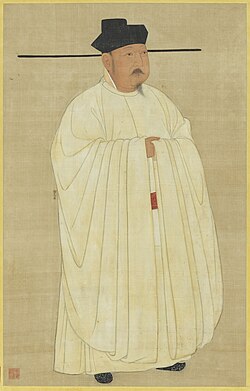
Painted image of a portly man sitting in a red throne-chair with dragon-head decorations, wearing white silk robes, black shoes, and a black hat, and sporting a black mustache and goatee.
← ホームへ戻る
北宋南宋中国史火薬

宋代の歴史と文化北宋から南宋へ至る黄金時代

🗓 2026年8月11日

中国の歴史において、960年から1279年まで続いた(そう)は、政治的な激動を経験しながらも、経済、科学、芸術のあらゆる面で類まれなる発展を遂げた時代です。この時代は、北方の都を中心とした「北宋」と、南へ遷都した後の「南宋」という二つの大きな時期に分かれます。

主要な事実(Key Facts)

  • 期間: 960年〜1279年(北宋:960年〜1127年、南宋:1127年〜1279年)
  • 主要都市: 開封(北宋の都)、臨安(南宋の都)
  • 技術革新: 火薬の軍事利用、活版印刷術、羅針盤の普及、水運の改善
  • 社会構造: 科挙制度の拡充による文官主導の政治体制(士大夫層の台頭)
  • 終焉: モンゴル帝国(元)による征服により滅亡

北宋の成立と繁栄

宋は960年、太祖によって建国されました。それまでの五代十国時代の混乱を収束させ、中国の再統一を果たしたことで、安定した統治基盤が築かれました。
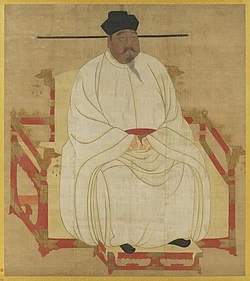
Painted image of a portly man sitting in a red throne-chair with dragon-head decorations, wearing white silk robes, black shoes, and a black hat, and sporting a black mustache and goatee.

太祖に続き、太宗が権力を継承し、国家の基礎をさらに強固なものにしました。

A man in heavy white robes, wearing a black hat with long horizontal protrusions coming from the bottom of the hat.

北宋の首都であった開封(汴京)は、世界最大級の都市へと成長し、商業と文化の集積地となりました。当時の都市計画や賑わいは、現代に伝わる模型からも見て取ることができます。
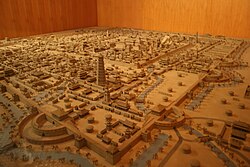
Model of the capital city Kaifeng

また、この時代には娯楽も発展し、蹴球の原型である「蹴鞠(しゅうきく)」などのスポーツが皇帝や大臣たちの間でも親しまれていました。
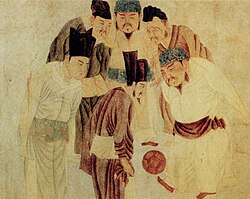
Emperor Taizu of Song, Emperor Taizong of Song, prime minister Zhao Pu and other ministers playing Cuju, an early form of football, by Qian Xuan (1235–1305)

南宋への移行と地政学的変化

1127年、金(きん)による「靖康の変」という衝撃的な出来事により、北宋は崩壊しました。その後、高宗によって南方に新たな政権が樹立され、南宋時代へと移行します。
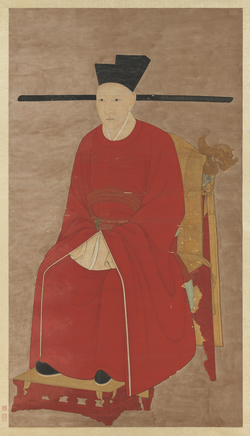
A man in heavy white robes, wearing a black hat with long horizontal protrusions coming from the bottom of the hat.

南宋は、秦嶺・淮河線よりも南の地域を支配し、北方の金や西方の西夏、大理国などの勢力と隣接しながら、外交と防衛のバランスを維持しました。
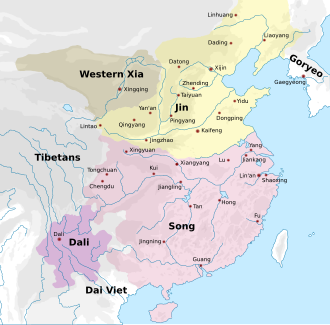
Southern Song in 1142. The western and southern borders remain unchanged from the previous map. However, the north of the Qinling Huaihe Line was under the control of the Jin dynasty. The Xia dynasty's territory generally remained unchanged. In the southwest, the Song dynasty bordered a territory about a sixth its size, the Dali dynasty.

南宋の都となった臨安(現在の杭州)や、浙江省の紹興などの都市では、高度な都市文化が花開きました。
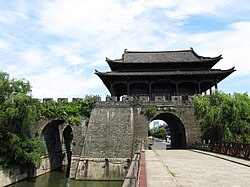
A city gate of Shaoxing, Zhejiang province, built in 1223 during the Song dynasty

科学技術と知的革新

宋代は「中国のルネサンス」とも呼ばれるほど、科学的な進歩が著しい時代でした。特に軍事面では、世界で初めて火薬の処方が文書化され、爆弾などの兵器として実戦投入されました。
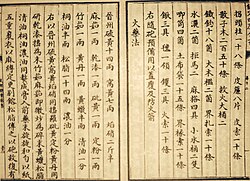
Earliest known written formula for gunpowder from the Wujing Zongyao (1044)

投石機(トレブシェット)などの高度な攻城兵器も開発され、海戦においても活用されました。
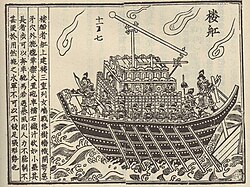
Traction trebuchet on an Early Song dynasty warship from the Wujing Zongyao. Trebuchets like this were used to launch the earliest type of explosive bombs.

また、数学や地図製作においても飛躍的な進歩がありました。精密な格子状の尺度を用いた地図が作成され、地理的な把握能力が向上しました。
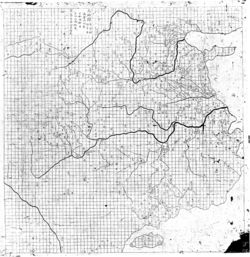
Inverted image of a stone rubbing, comprising a map of eastern China, complete with detailed rivers. The area of the map covered by land features a near perfect grid pattern, which because it does not overlap any text, is clearly the work of the original mapmaker.

数学の分野では、未知数を用いた高度な方程式などの研究が進み、その成果は書籍としてまとめられました。
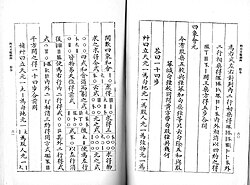
Facsimile of Zhu Shijie's Jade Mirror of Four Unknowns

土木工学では、運河の水位差を解消する「船閘(せんこう/パウンドロック)」が考案され、水上輸送の効率が劇的に改善されました。
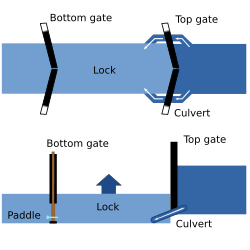
A diagram of the pound lock system, from a bird's eye perspective and from a side perspective. The bird's eye view illustrates that water enters the enclosed area through two culverts on either side of the upper lock gate. The side view diagram illustrates how the elevation is higher before reaching the top gate than it is afterward.

文化・芸術と社会制度

宋代の社会を象徴するのが、官吏登用試験である科挙の重視です。これにより、家柄よりも学識を持つ「士大夫」と呼ばれる知識人層が政治の中心となりました。教育機関としての書院(アカデミー)も整備されました。
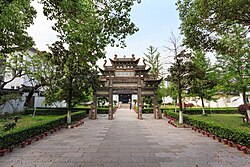
The Donglin Academy, an educational institution equivalent to modern-day college. It was originally built in 1111 during the Northern Song dynasty.

芸術面では、水墨画や書道が洗練され、自然の風景や精神性を追求する作風が確立しました。皇帝自らが芸術に精通していた例もあり、宮廷文化は極めて華やかでした。
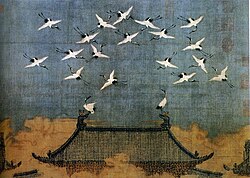
Auspicious Cranes, a painting of the Song royal palace by Emperor Huizong

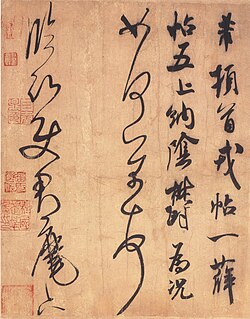
書道においては、個性を重視した多様なスタイルが展開されました。

Four lines of vertically oriented Chinese characters. The two on the left are formed from a continuous line, the calligraphy equivalent of cursive. The two on the right use a more traditional multiple stroke writing style.

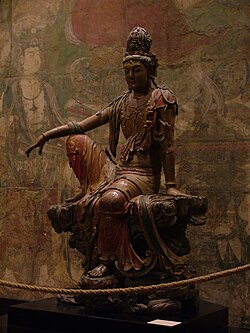
宗教面では、仏教(特に禅宗)、道教、儒教が共存し、精神文化を豊かにしました。精巧な仏像彫刻などの美術品も数多く制作されました。
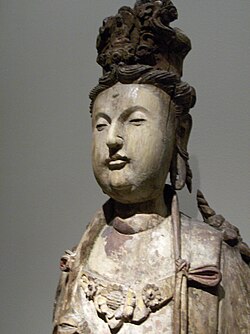
A Song-era wooden Bodhisattva

A wooden carving of a sitting Buddhist figure in loose fitting, painted robes.

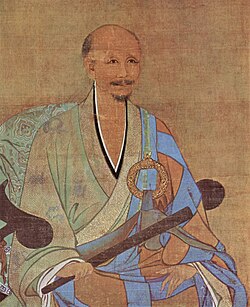
A portrait of an older, balding man in a half pale green and half sky blue robe. He is sitting on an armchair holding a thin wooden stick, possibly a folded up fan.

また、演劇や舞踊などの大衆芸能も発展し、華やかな衣装や小道具を用いたパフォーマンスが行われていました。
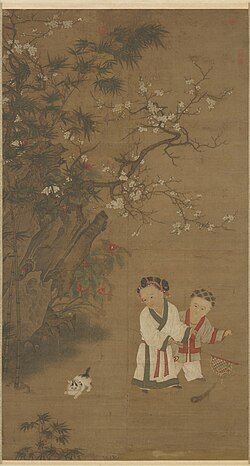
Two young girls play with a toy consisting of a long feather attached to a stick, while a cat watches them. There is a large rock formation and a flowering tree to the left of the girls and the cat.

経済の発展と国際貿易

宋代には、世界で初めての紙幣(交子など)が導入され、貨幣経済が高度に発達しました。また、農業技術の向上により人口が急増し、経済規模が拡大しました。

貿易も盛んで、南アジアや中東からナツメなどの特産品が輸入されるなど、グローバルな交易ネットワークが構築されていました。
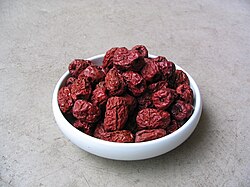
A bowl of reddish-purple, oval-shaped fruits with raisin texture.

さらに、古代の青銅器などの遺物を収集し、歴史を研究する考古学的な関心も高まっていました。
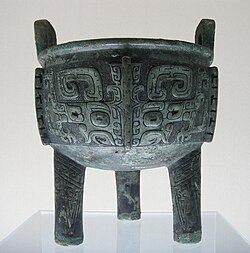
A heavily tarnished bronze bowl adorned with several carvings of squares that curl in on themselves at the bottom. It has three stubby, unadorned legs and two small, square handles coming off from the top rim.

軍事防衛と帝国の終焉

宋は文治主義を掲げたため、軍事力よりも外交や経済力での解決を優先する傾向にありました。しかし、北方の脅威に対抗するため、高い監視塔(パゴダ)を建設して警戒にあたるなどの対策も講じられました。

The Liaodi Pagoda, the tallest pre-modern Chinese pagoda, built in 1055; it was intended as a Buddhist religious structure, yet served a military purpose as a watchtower for observation of potential dangers.[119]

重装騎兵などの軍備を整えていたものの、最終的にはモンゴル帝国の圧倒的な軍事力の前に屈することになります。
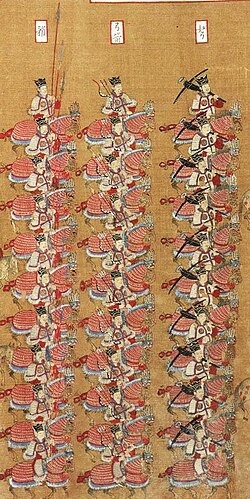
Northern Song dynasty painting of armored cavalry

1276年に都の臨安が陥落し、1279年の崖山海戦をもって、宋という王朝は完全にその歴史に幕を閉じました。

宋代の概要まとめ

宋代の基本データ
項目 北宋 (960–1127) 南宋 (1127–1279)
中心都市 汴京(開封) 臨安(杭州)
主な対立勢力 遼、西夏 金、モンゴル
政治的特徴 文治主義、科挙の拡充 南方的経済の発展、外交重視
主要な成果 活版印刷、火薬の初期利用 羅針盤の活用、高度な水運技術

Frequently Asked Questions

北宋と南宋の決定的な違いは何ですか?

最大の違いは支配領域と首都です。北宋は黄河流域を中心とし、開封を都として北方の遊牧民族と対峙していました。一方、南宋は金に北方を奪われた後、長江以南に拠点を移し、臨安を都として経済的な繁栄を追求しました。

宋代に発明された最も重要な技術は何ですか?

火薬、羅針盤、活版印刷の「中国三大発明」がこの時代に実用化・普及しました。特に火薬は軍事革命をもたらし、活版印刷は知識の普及を加速させ、社会構造の変化に寄与しました。

なぜ宋はモンゴル帝国に滅ぼされたのですか?

宋は文官を重視する政治体制(文治主義)を敷いていたため、軍事的な能力が相対的に低下していました。対してモンゴル帝国は圧倒的な騎馬軍団と戦略的な包囲網を展開し、最終的に南宋の防衛線を突破しました。

科挙制度は社会にどのような影響を与えましたか?

家系や血縁ではなく、個人の学問的能力によって官僚になれる道が開かれたため、広範な知識人層(士大夫)が誕生しました。これにより、行政の効率化が進むとともに、儒教的な価値観が社会全体に浸透しました。

宋代の経済がそれ以前の時代より発展した理由は?

農業技術の向上(特に早熟米の導入など)による食糧増産と、紙幣の導入による商業取引の円滑化が挙げられます。また、海上貿易の活発化により、海外からの物資流入と輸出が増加したことも大きな要因です。

References

  1. , pp. 4–5.
  2. , p. 493.
  3. , pp. 29, 327.
  4. , p. 625.
  5. Broadberry, Stephen. "China, Europe and the Great Divergence: A study in historical national accounting, 980–1850" (PDF). Economic History Association. Archived from the original (PDF) on 9 January 2021. Retrieved 15 August 2020.
  6. , p. 115.
  7. , p. 76.
  8. , p. 435.
  9. , p. 294.
  10. , p. 156.

📸 フォトギャラリー

Painted image of a portly man sitting in a red throne-chair with dragon-head decorations, wearing white silk robes, black shoes, and a black hat, and sporting a black mustache and goatee.
A man in heavy white robes, wearing a black hat with long horizontal protrusions coming from the bottom of the hat.
A Song-era wooden Bodhisattva
Auspicious Cranes, a painting of the Song royal palace by Emperor Huizong
A wooden carving of a sitting Buddhist figure in loose fitting, painted robes.
A man in heavy white robes, wearing a black hat with long horizontal protrusions coming from the bottom of the hat.
Southern Song in 1142. The western and southern borders remain unchanged from the previous map. However, the north of the Qinling Huaihe Line was under the control of the Jin dynasty. The Xia dynasty's territory generally remained unchanged. In the southwest, the Song dynasty bordered a territory about a sixth its size, the Dali dynasty.
A city gate of Shaoxing, Zhejiang province, built in 1223 during the Song dynasty
Model of the capital city Kaifeng
Emperor Taizu of Song, Emperor Taizong of Song, prime minister Zhao Pu and other ministers playing Cuju, an early form of football, by Qian Xuan (1235–1305)
Two young girls play with a toy consisting of a long feather attached to a stick, while a cat watches them. There is a large rock formation and a flowering tree to the left of the girls and the cat.
The Donglin Academy, an educational institution equivalent to modern-day college. It was originally built in 1111 during the Northern Song dynasty.
Traction trebuchet on an Early Song dynasty warship from the Wujing Zongyao. Trebuchets like this were used to launch the earliest type of explosive bombs.
Northern Song dynasty painting of armored cavalry
The Liaodi Pagoda, the tallest pre-modern Chinese pagoda, built in 1055; it was intended as a Buddhist religious structure, yet served a military purpose as a watchtower for observation of potential dangers.[119]
Four lines of vertically oriented Chinese characters. The two on the left are formed from a continuous line, the calligraphy equivalent of cursive. The two on the right use a more traditional multiple stroke writing style.
A portrait of an older, balding man in a half pale green and half sky blue robe. He is sitting on an armchair holding a thin wooden stick, possibly a folded up fan.
A bowl of reddish-purple, oval-shaped fruits with raisin texture.
Earliest known written formula for gunpowder from the Wujing Zongyao (1044)
Facsimile of Zhu Shijie's Jade Mirror of Four Unknowns
Inverted image of a stone rubbing, comprising a map of eastern China, complete with detailed rivers. The area of the map covered by land features a near perfect grid pattern, which because it does not overlap any text, is clearly the work of the original mapmaker.
A diagram of the pound lock system, from a bird's eye perspective and from a side perspective. The bird's eye view illustrates that water enters the enclosed area through two culverts on either side of the upper lock gate. The side view diagram illustrates how the elevation is higher before reaching the top gate than it is afterward.
A heavily tarnished bronze bowl adorned with several carvings of squares that curl in on themselves at the bottom. It has three stubby, unadorned legs and two small, square handles coming off from the top rim.