The Bencao on traditional Chinese medicine; printed with woodblock printing press in 1249; Shen grew ill often as a child, and so developed an interest in medicinal cures.
← ホームへ戻る
沈括北宋夢渓筆談中国科学史ポリマス

沈括:北宋の天才ポリマスが切り拓いた科学と政治の地平

🗓 2026年8月11日

11世紀の中国、北宋時代に、一人の類まれなる天才が現れました。沈括(しんかつ)は、単なる政治家にとどまらず、数学、光学、天文学、地質学など、あらゆる学問領域に精通した「ポリマス(博学者)」でした。彼の知的好奇心と鋭い観察眼は、当時の科学水準を遥かに超え、後世の近代科学の先駆けとなる数多くの発見をもたらしました。

幼少期に病弱だった沈括は、自らの経験から薬学に深い関心を抱いたと言われています。この探究心は生涯にわたる習慣となり、官僚としての公務に従事しながらも、自然界の真理を解き明かすことに情熱を注ぎ続けました。
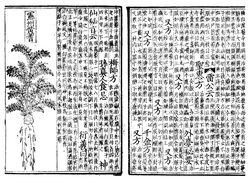
The Bencao on traditional Chinese medicine; printed with woodblock printing press in 1249; Shen grew ill often as a child, and so developed an interest in medicinal cures.

Key Facts

  • 多才な経歴: 財務大臣、天文局長、学術顧問など、北宋の政府で要職を歴任。
  • 科学的先見性: 地層の堆積や気候変動の概念を、近代地質学より数百年早く提唱。
  • 技術的貢献: 磁気コンパスの精度向上や、光学におけるピンホールカメラの原理を分析。
  • 不朽の著作: 晩年に執筆した『夢渓筆談』に、膨大な科学的知見を記録。
  • 政治的立場: 王安石が主導した「新法」を支持する改革派に属していた。

政治的キャリアと人生の軌跡

沈括は1063年に帝国試験に合格し、極めて優秀な成績を収めて官界に入りました。その卓越した能力はすぐに認められ、中央政府の財務行政へと抜擢されます。彼は特に計画立案や設計に長けており、若いうちに大規模な排水システムの設計を指揮し、広大な湿地帯を肥沃な農地に変えるという快挙を成し遂げました。
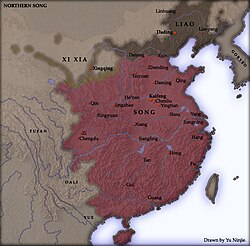
Boundaries of the Northern Song dynasty, the Liao dynasty, and the Western Xia.

政治面では、宰相である王安石の改革派(新法派)に身を置き、国家の近代化に尽力しました。しかし、その波乱に満ちた公務生活を経て、1088年からは江蘇省の「夢渓」と名付けた美しい庭園に隠居します。そこで彼は、人生の集大成となる百科事典的な著作『夢渓筆談』を完成させました。
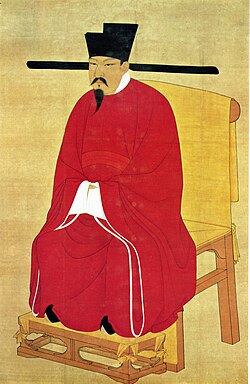
Shen's confidant, Emperor Shenzong of Song (r. 1067–1085), a Song era portrait painting.
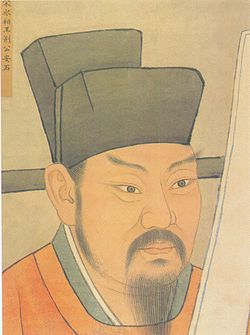
Portrait painting of Wang Anshi.
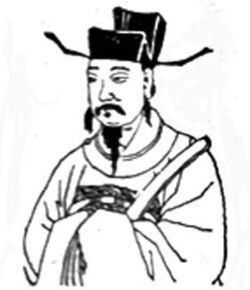
A sketch of Shen Kuo by an anonymous artist of the Qing dynasty, 18th century

科学的業績:自然界への鋭い洞察

地質学と気候学の先駆

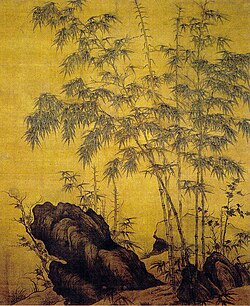
沈括は、太行山脈の観察を通じて、地層の堆積や土壌侵食のメカニズムを解明しました。特に、乾燥地帯で竹の化石を発見したことから、かつてその地が湿潤な気候であったことを推論し、気候の地理的な変動という概念を導き出しました。これは、19世紀の近代地質学の基礎となる考え方を先取りしたものでした。
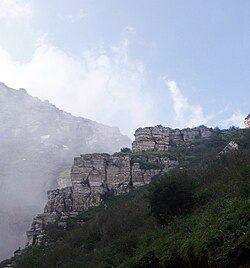
View of the Taihang Mountains, where Shen Kuo had his epiphany about geomorphology.
Bamboo and rocks by Li Kan (1244–1320); using evidence of fossilized bamboo within China's dry northwestern climate zone, Shen Kuo hypothesized that climates naturally shifted geographically over time.

光学と天文学の探究

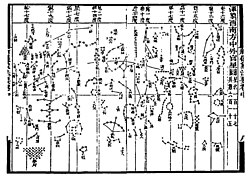
光学の分野では、ピンホールカメラ(暗箱)を用いた実験を行い、焦点、燃焼点、ピンホールの関係性を体系的に分析しました。また、凹面鏡による像の反転現象を指摘するなど、光の性質を深く理解していました。天文学においては、北極星の位置を正確に修正し、より精密な星図の作成に寄与しました。
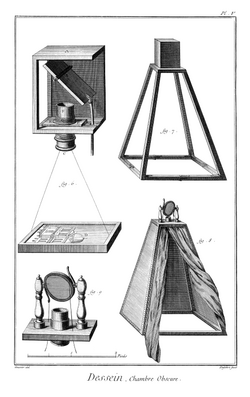

An 18th-century diagram of camera obscura
Shen accurately hypothesized that rainbows were caused by sunlight passing through rain droplets.
One of the five star maps published in 1092 AD for Su Song's horological and astronomical treatise, featuring Shen Kuo's corrected position of the pole star.

磁気コンパスと航海術

沈括は、従来の8方位よりも詳細な「24方位」のコンパスを推奨しました。彼は北極星と真北のわずかなズレ(磁北と真北の差)を測定し、より正確な子午線を決定しました。この知見は、その後の中国における海洋航海術の発展に不可欠な基盤となりました。
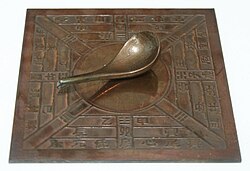
A Han dynasty (202 BC–220 AD) ladle-and-basin lodestone south-pointing compass, used by ancient Chinese geomancers, but not for navigation.

技術革新と工学的貢献

土木・機械工学の進歩

彼は、運河における「パウンドロック(閘門)」の有効性を説き、これにより輸送能力の劇的な向上と労働コストの削減を実現しました。また、船舶の修理を効率化するドライドック(乾ドック)の導入についても記録を残しています。
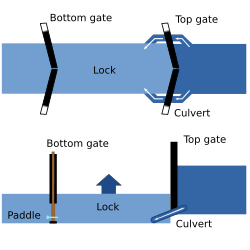
A side view of a pound lock for canals, invented in China in the 10th century and described by Shen.
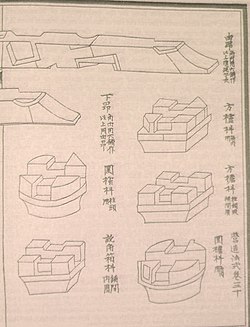
Five bracket arm bases and two cantilever arms, from the Yingzao Fashi of 1103.

印刷術と冶金学

沈括は、陶製的可動文字(活字印刷)を考案した畢昇(ひっせい)の業績を詳しく記録しました。また、冶金学においては、鋳鉄を再鍛造して炭素量を減らす手法を記述しており、これは現代のベッセマー法に通じる先駆的なアプローチでした。さらに、石油を用いた耐久性の高い墨の製造法を開発するなど、化学的な視点からも貢献しました。
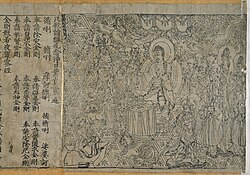
The Chinese Diamond Sutra, the oldest known printed book in world history (868), using woodblock printing.
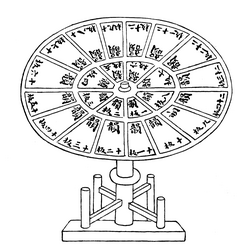
A revolving table typecase with individual movable type characters arranged primarily by rhyming scheme, from Wang Zhen's book of agriculture published in 1313.

思想と芸術への造詣

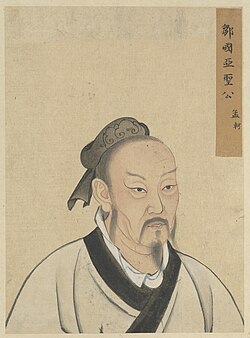
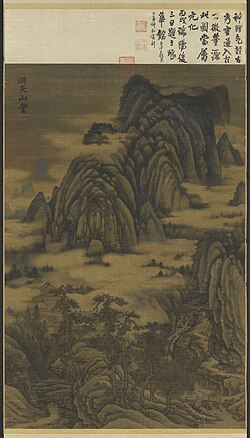
科学者としての顔を持つ一方で、沈括は儒教の孟子の思想に深く影響を受けていました。また、芸術への関心も高く、写実的な風景画で知られる董源(とうげん)を高く評価していました。余暇には仏教の瞑想にふけるなど、精神的な探究も怠りませんでした。

Painting of a Buddhist luohan, by Liu Songnian, painted in 1207; Shen Kuo not only listed literati painting as one of his cherished pastimes, but also Buddhist meditation.[29]
Ideas of the philosopher Mencius deeply influenced Shen.
A painting by Dong Yuan, who Shen praised for his ability to portray landscapes and natural scenery in a grand but realistic style.

沈括の業績まとめ

沈括の主要な貢献分野と成果
分野 主な成果・発見 歴史的意義
地質学 化石による気候変動の推論、堆積論 近代地質学の先駆け
光学 ピンホールカメラの原理分析、像の反転 光学的現象の体系化
天文学 北極星の位置修正、精密な星図 観測精度の向上
磁気学 24方位コンパスの推奨、磁北の測定 航海術の飛躍的発展
工学 パウンドロック、ドライドックの記録 物流と造船の効率化
印刷術 畢昇による活字印刷の記録と普及 知識伝達の高速化

沈括の遺した知見は、後世の学者たちに多大な影響を与えました。彼の墓は後に破壊されましたが、1983年に再発見され、現在は適切に保護・修復されています。彼の精神は、今もなお科学的な探究心の象徴として生き続けています。

A Han dynasty incense burner, showing artificial mountains as a lid decoration, which may have influenced the invention.[33]
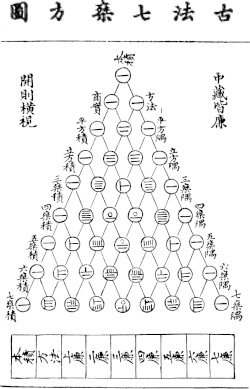
Yang Hui triangle (Pascal's triangle) using rod numerals, from a book by mathematician Zhu Shijie, 1303
Bronzeware from the Shang dynasty (1600–1046 BC); Song era antiquarians and archeologists in search of antiques for reviving ancient rituals claimed to have found bronzewares dated as far back as the Shang era, which contained written inscriptions.[79]
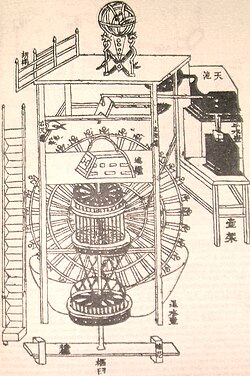
The original diagram of Su Song's book of 1092 showing the inner workings of his clocktower; a mechanically rotated armillary sphere crowns the top.
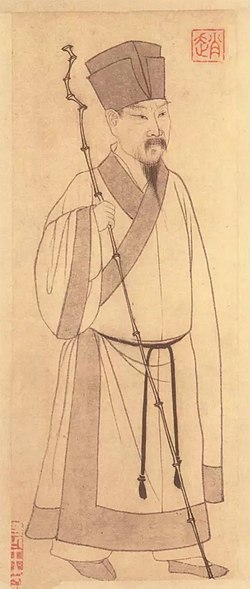
Poet and statesman Su Shi, whose pharmaceutical work was combined with Shen Kuo's in 1126, in a Yuan dynasty portrait by Zhao Mengfu.

Frequently Asked Questions

沈括が執筆した『夢渓筆談』とはどのような本ですか?

晩年に隠居した「夢渓」という庭園で執筆された、百科事典的な著作です。科学、技術、歴史、芸術など、彼が一生を通じて得た膨大な知識と観察結果が記録されており、当時の中国の科学水準を知るための第一級の史料となっています。

地質学において、沈括はどのような先駆的な発見をしましたか?

乾燥地帯で竹の化石を発見したことから、かつてその地域の気候が変化したことを突き止めました。また、土壌の侵食や堆積のプロセスを分析しており、これらは西洋でジェームズ・ハットンらが提唱する近代地質学よりも数百年早い洞察でした。

磁気コンパスに関して、どのような改善を行いましたか?

従来の8方位ではなく、より精緻な24方位のコンパスの使用を推奨しました。また、磁石が指す北(磁北)と、天文学的な真北との間にわずかな差があることを発見し、より正確な方位測定を可能にしました。

沈括は政治的にどのような立場にありましたか?

北宋の官僚として、王安石が率いる改革派(新法派)に属していました。財務大臣や天文局長などの要職を務め、国家の制度改革やインフラ整備に積極的に関わりました。

光学の分野で彼が明らかにしたことは何ですか?

ピンホールカメラ(暗箱)の原理を研究し、光が小さな穴を通ることで像が反転することを説明しました。また、焦点や燃焼点の概念を整理し、凹面鏡による像の反転についても正確に記述しました。

References

  1. Pronunciation in
  2. Pronunciation in
  3. See the article
  4. Refer to the section of the article .
  5. For more, see
  6. For deforestation due to the Song dynasty iron industry and efforts to curb it, refer to
  7. From his biography in the Dictionary of Scientific Biography (New York 1970–1990)

📸 フォトギャラリー

The Bencao on traditional Chinese medicine; printed with woodblock printing press in 1249; Shen grew ill often as a child, and so developed an interest in medicinal cures.
Shen's confidant, Emperor Shenzong of Song (r. 1067–1085), a Song era portrait painting.
Portrait painting of Wang Anshi.
Boundaries of the Northern Song dynasty, the Liao dynasty, and the Western Xia.
Painting of a Buddhist luohan, by Liu Songnian, painted in 1207; Shen Kuo not only listed literati painting as one of his cherished pastimes, but also Buddhist meditation.[29]
A Han dynasty incense burner, showing artificial mountains as a lid decoration, which may have influenced the invention.[33]
A side view of a pound lock for canals, invented in China in the 10th century and described by Shen.
Five bracket arm bases and two cantilever arms, from the Yingzao Fashi of 1103.
Yang Hui triangle (Pascal's triangle) using rod numerals, from a book by mathematician Zhu Shijie, 1303
An 18th-century diagram of camera obscura
A Han dynasty (202 BC–220 AD) ladle-and-basin lodestone south-pointing compass, used by ancient Chinese geomancers, but not for navigation.
Bronzeware from the Shang dynasty (1600–1046 BC); Song era antiquarians and archeologists in search of antiques for reviving ancient rituals claimed to have found bronzewares dated as far back as the Shang era, which contained written inscriptions.[79]
View of the Taihang Mountains, where Shen Kuo had his epiphany about geomorphology.
Bamboo and rocks by Li Kan (1244–1320); using evidence of fossilized bamboo within China's dry northwestern climate zone, Shen Kuo hypothesized that climates naturally shifted geographically over time.
Shen accurately hypothesized that rainbows were caused by sunlight passing through rain droplets.
One of the five star maps published in 1092 AD for Su Song's horological and astronomical treatise, featuring Shen Kuo's corrected position of the pole star.
The original diagram of Su Song's book of 1092 showing the inner workings of his clocktower; a mechanically rotated armillary sphere crowns the top.
The Chinese Diamond Sutra, the oldest known printed book in world history (868), using woodblock printing.
A revolving table typecase with individual movable type characters arranged primarily by rhyming scheme, from Wang Zhen's book of agriculture published in 1313.
Ideas of the philosopher Mencius deeply influenced Shen.
A painting by Dong Yuan, who Shen praised for his ability to portray landscapes and natural scenery in a grand but realistic style.
Poet and statesman Su Shi, whose pharmaceutical work was combined with Shen Kuo's in 1126, in a Yuan dynasty portrait by Zhao Mengfu.
A sketch of Shen Kuo by an anonymous artist of the Qing dynasty, 18th century