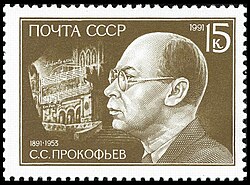
セルゲイ・プロコフィエフは、20世紀の音楽史において最も影響力のある作曲家の一人であり、同時に卓越したピアニスト、指揮者としてもその名を馳せました。ロシア帝国に生まれ、後にソビエト連邦で活動した彼は、伝統的な形式を尊重しながらも、大胆な不協和音や鋭いリズムを融合させた独自のスタイルを確立しました。彼の作品は、子供向けの物語から壮大なオペラ、そして映画音楽に至るまで、極めて幅広いジャンルにわたっています。
Key Facts
- 多才な音楽家: 作曲だけでなく、ピアニストおよび指揮者としても第一線で活躍した。
- 代表作: 『ピーターと狼』『ロミオとジュリエット』『三つのオレンジへの愛』など、世界的に親しまれる名曲を多数残した。
- 膨大な作品群: 交響曲7曲、バレエ8曲、オペラ7曲、ピアノ協奏曲5曲など、あらゆる音楽形式に挑戦した。
- 政治的背景: ソ連時代には「社会主義リアリズム」という国家的な芸術指針との間で葛藤しながら創作を続けた。
- 栄誉: 生前に6度のスターリン賞を受賞し、没後にはレーニン賞が贈られた。
神童から世界的な作曲家へ
1891年に現在のウクライナにあたるソントソフカで生まれたプロコフィエフは、幼少期から類まれなる才能を示しました。わずか9歳の時にオペラ『巨人』を書き上げるなど、その早熟さは周囲を驚かせました。
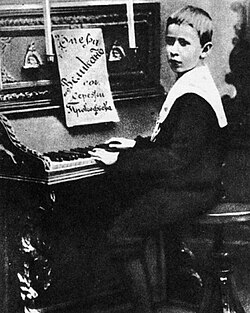
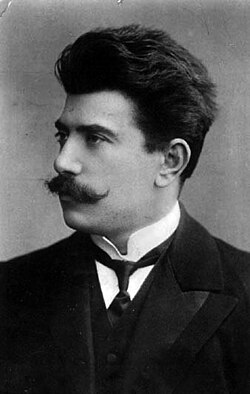
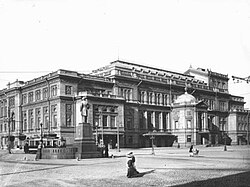
彼の音楽的な基礎を築いたのは、最初の作曲教師であるラインホルト・グリエーレでした。その後、サンクトペテルブルク音楽院で本格的な教育を受け、若くしてその才能を世に知らしめることになります。
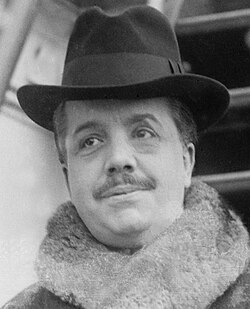
1913年にはパリやロンドンを訪れ、当時の前衛的な芸術の拠点であったセルゲイ・ディアギレフの「バレエ・リュス」と出会いました。この経験は、彼のその後のバレエ音楽への情熱に大きな影響を与えました。
バレエへの挑戦と海外生活
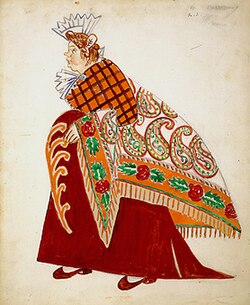
プロコフィエフは、鋭い感性とモダンな感覚を活かしたバレエ作品を次々と発表しました。特に1916年の『シュート』などは、当時の音楽界に新鮮な衝撃を与えました。
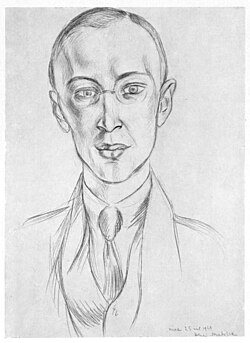
第一次世界大戦やロシア革命という激動の時代を経て、彼は一時的に国外へ拠点を移します。この時期、彼は西洋の音楽トレンドを吸収しながら、自身のスタイルをさらに洗練させていきました。
ソ連への帰還と国家との関係
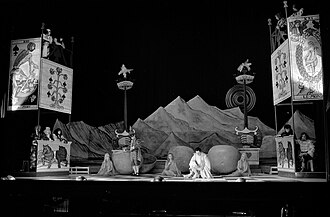
1920年代後半から、プロコフィエフは故郷であるソ連への回帰を模索し始めます。1927年のコンサートツアーでは、モスクワやレニングラードで熱狂的に迎えられ、オペラ『三つのオレンジへの愛』の成功を収めました。
しかし、ソ連での生活は常に政治的な制約との戦いでした。特に戦後は、国家が推奨する「社会主義リアリズム」という様式への適合が求められましたが、彼はその枠組みの中でいかに自身の芸術性を維持するかという困難な課題に向き合いました。
映画音楽と晩年の傑作
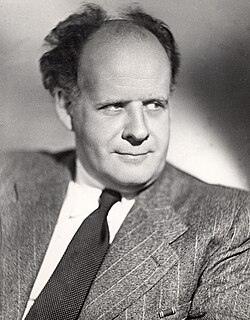
プロコフィエフの才能は、映画音楽の分野でも遺憾なく発揮されました。映画監督セルゲイ・エイゼンシュテインとの協力により、『アレクサンドル・ネフスキー』や『イヴァンの恐ろしい時代』といった歴史的な名作の音楽を手掛けました。
また、1940年代にはバレエ『シンデレラ』や交響曲第5番など、メロディアスで完成度の高い作品を次々と発表し、ソ連を代表する作曲家としての地位を不動のものにしました。
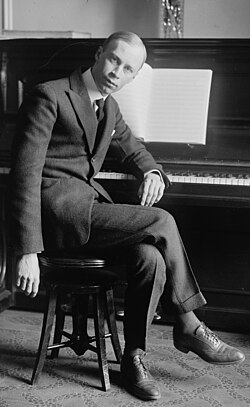
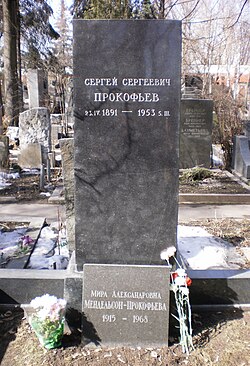
晩年には、チェリストのムスティスラフ・ロストロポーヴィチのためにチェロ・ソナタや交響曲協奏曲を書き下ろすなど、後進の演奏家たちとも深い交流を持ちました。1953年3月5日、彼はモスクワで61歳でこの世を去りました。
作品の概要とまとめ
プロコフィエフの作品は、古典的な形式美と現代的な不協和音の絶妙なバランスが特徴です。以下に彼の主要な業績をまとめます。
| ジャンル | 主な作品・特徴 | 代表的な曲名 |
|---|---|---|
| バレエ | 物語性と鋭いリズムの融合 | ロミオとジュリエット、シンデレラ |
| 交響曲 | 古典回帰から重厚なドラマまで | 交響曲第1番「古典」、第5番 |
| オペラ | 風刺的かつ独創的な構成 | 三つのオレンジへの愛、戦争と平和 |
| ピアノ曲 | 超絶技巧と打楽器的なアプローチ | ピアノ協奏曲第3番、戦争ソナタ |
| その他 | 子供向けや映画音楽 | ピーターと狼、アレクサンドル・ネフスキー |
Frequently Asked Questions
プロコフィエフの音楽の最大の特徴は何ですか?
伝統的な調性と、彼独自の「不協和音」や「突然の転調」を組み合わせた点にあります。これにより、ユーモア、皮肉、そして深い叙情性が共存する独特の世界観が作り出されています。
『ピーターと狼』はどのような作品ですか?
子供たちに楽器の音色を教えるために書かれた物語音楽です。登場人物(ピーター、狼、鳥など)をそれぞれ異なる楽器で表現しており、教育的価値と芸術性を兼ね備えています。
ソ連政府との関係はどうだったのでしょうか?
複雑な関係でした。国家からスターリン賞などの高い栄誉を与えられた一方で、作風が「形式主義的(前衛的すぎる)」であるとして批判を受けるなど、政治的な圧力にさらされていました。
ピアニストとしてのプロコフィエフはどうでしたか?
彼は極めて優れたピアニストであり、自身の作品を自ら演奏することで、作曲意図を正確に伝える役割を果たしました。その演奏スタイルは、正確で力強く、打楽器的なアプローチが特徴でした。
代表的なバレエ作品にはどのようなものがありますか?
最も有名なのは『ロミオとジュリエット』で、特に「騎士の踊り」は広く知られています。また、幻想的な『シンデレラ』や、初期の独創的な『シュート』などが挙げられます。
References
- Marriage declared in 1948.
- ; Russian: Сергей Сергеевич Прокофьев, : Sergey Sergeyevich Prokofiev, IPA: ; alternative of his name include Sergey or Serge, and Prokofief, Prokofieff, or Prokofyev. In this name that follows , the is Sergeyevich and the is Prokofiev.
- While Prokofiev himself believed 11/23 April to be his birth date, the posthumous discovery of his showed that he was actually born four days later, on 15/27 April.
- Attributed to the following sources:
- Prokofiev has the rare distinction for a composer of having won a game against a future world chess champion, albeit in the context of a simultaneous match: his win over Capablanca of 16 May 1914 can be played through at chessgames.com ( required). For extracts from Prokofiev's notebooks recounting his games against Capablanca, see: The Game (part 2), sprkfv.net.
- "Diaghilev pointed out a number of places which had to be rewritten. He was a subtle and discerning critic and he argued his point with great conviction. ... we had no difficulty in agreeing on the changes." , p. 56
- It has been suggested that Prokofiev's use of text from Stravinsky's to characterise the invading Teutonic knights in the film score for (1938) was intended as a dig at Stravinsky's "pseudo-Bachism".
- Quote: "I decided a long time ago that I must compose in a quite different style, and that I would set about it as soon as I had extricated myself from the revisions of Fiery Angel and The Gambler. If God is the unique source of creation and of reason, and man is his reflection, it is abundantly clear that the works of man will be better the more closely they reflect the works of the Creator". , p. 699
- That is not to say that Prokofiev approved of simplistic music: when in June 1926 he arranged "a simplified version of the March from Oranges as a crowd-pleaser", Prokofiev observed in his diary, "The process of denuding for the sake of simplicity is highly disagreeable".
- Prokofiev wrote in his autobiography that he could never understand why the Sinfonietta was so rarely performed, whereas the "Classical" Symphony was played everywhere.
📸 フォトギャラリー