20世紀の音楽シーンにおいて、これほどまでに多様なスタイルを使い分け、聴衆に衝撃を与え続けた作曲家は他にいないでしょう。イゴール・ストラヴィンスキーは、ロシアで生まれ、フランスを経てアメリカで生涯を閉じた旅人であり、同時に音楽の形式を破壊し、再構築し続けた飽くなき探究者でした。
彼の音楽は、単なる芸術的な試みにとどまらず、リズムや和声の概念を根本から変え、後世のあらゆる現代音楽に決定的な影響を及ぼしました。本記事では、彼の波乱に満ちた人生と、時代ごとに変貌を遂げた音楽的スタイルの変遷を辿ります。
Key Facts
- 多才な活動:作曲家としてだけでなく、指揮者やピアニストとしても活躍した。
- スタイルの変遷:「ロシア期」「新古典主義期」「シリアル期」という3つの大きな転換期を持つ。
- 歴史的衝撃:バレエ『春の祭典』は、その過激なリズムと不協和音で音楽史に革命を起こした。
- 国際的な足跡:ロシア、フランス、アメリカの3カ国に居住し、それぞれの文化を吸収した。
ロシアでの原点と世界的な名声
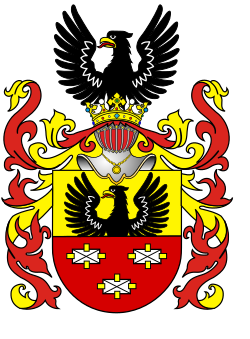
1882年、ロシアのオラニエンバウムに生まれたストラヴィンスキーは、ポーランド系の血を引く家系に育ちました。
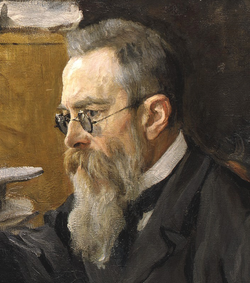
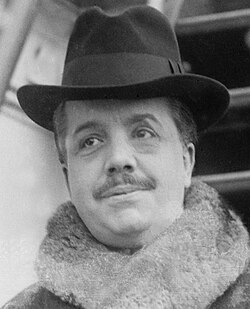
若き日の彼は、ニコライ・リムスキー=コルサコフなどの影響を受けながら、独自の音楽世界を構築し始めます。彼のキャリアにおける最大の転機は、ディアギレフが率いる「バレエ・リュス」との出会いでした。この提携により、彼はパリで爆発的な名声を獲得することになります。
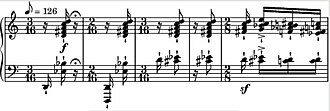
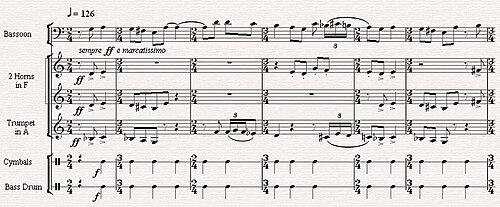
特に『火の鳥』や『ペトルーシュカ』、そして1913年に初演された『春の祭典』は、当時の音楽界に激震を走らせました。特に『春の祭典』で見せた変拍子の多用や強烈なアクセントは、それまでの西洋音楽の常識を覆すものでした。
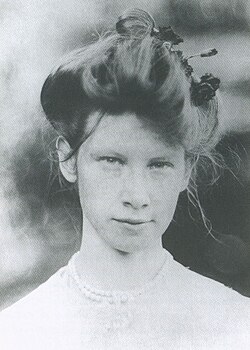
当時の彼の私生活では、1906年に結婚したエカテリーナ・ノセンコが精神的な支えとなっていました。
ディアギレフとの協力関係は、音楽とダンス、美術が融合した総合芸術の極致を追求するものでした。
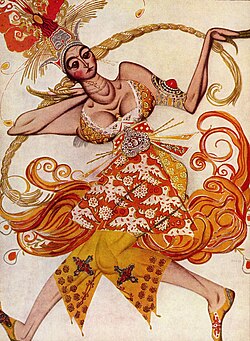
この時期の作品は、ロシアの民族的な色彩が強く、原初的なエネルギーに満ち溢れています。衣装デザインに携わったレオン・バクストらの視覚的効果も、作品の成功に大きく寄与しました。
しかし、戦争や病などの困難に見舞われながらも、彼は常に新しい表現を模索し続けました。ロシア期後半の作品に見られる複雑な拍子の変化は、彼の音楽的実験の鋭さを物語っています。
新古典主義への転換とフランス時代
1920年代に入ると、ストラヴィンスキーはそれまでの奔放なスタイルから一転し、バロックや古典派の形式を再解釈する新古典主義へと舵を切ります。これは、感情の過剰な表出を避け、客観的で秩序ある構造を重視するアプローチでした。
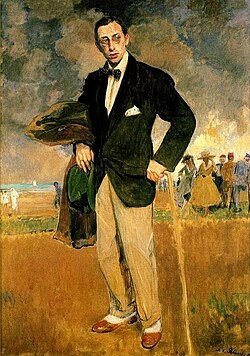
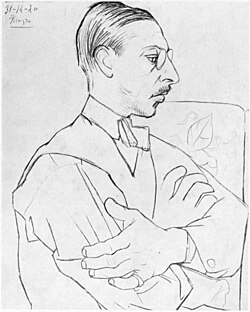
この時期、彼はパブロ・ピカソなどの前衛芸術家とも交流し、互いの芸術観に影響を与え合いました。
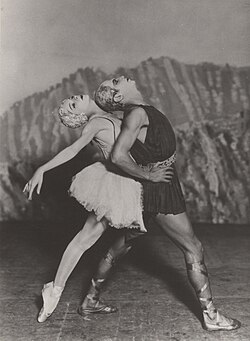
バレエ『アポロン』に代表されるように、抑制された美しさと調和を追求した作品が多く生まれました。ダンサーたちの洗練された動きと、端正な音楽が見事に融合した時代です。
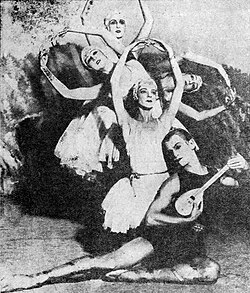
また、サミュエル・ドゥシュキンなどの音楽家との共同作業を通じて、自身の音楽的アイディアをさらに精緻化させていきました。
アメリカへの移住と晩年の挑戦
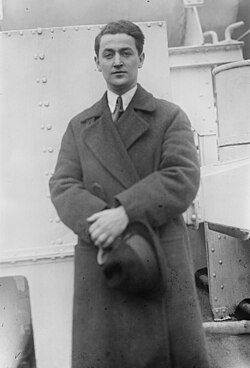
1939年、ストラヴィンスキーはアメリカ合衆国へ移住します。新天地での生活は、彼にさらなる商業的な成功と、新たな創作の刺激をもたらしました。
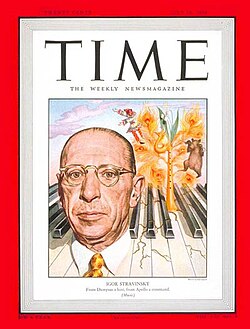
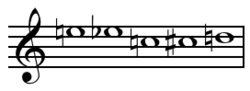
晩年の彼は、さらなる革新を求めて、シェーンベルクが提唱したシリアル主義(十二音技法に基づく作曲法)を取り入れます。これにより、彼の音楽はより抽象的で構造的な深化を遂げました。
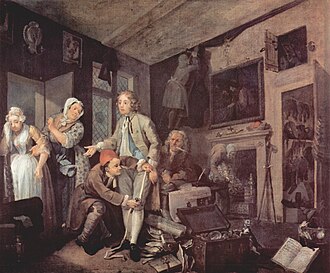
オペラ『 the Rake's Progress(あぶれた男の物語)』など、文学的なソースを基にした作品にも取り組み、生涯を通じて知的な探究心を失うことはありませんでした。
晩年はロバート・クラフトという忠実な助手と共に、自身の回想録の編纂や、後世への音楽的遺産の整理に時間を費やしました。
1971年、ニューヨークで88歳で没するまで、彼は常に「現代」であり続けました。彼が残した膨大な作品群は、今なお世界中のコンサートホールで演奏され、聴衆を魅了し続けています。
ストラヴィンスキーの音楽的変遷まとめ
| 時代 | 主な特徴 | 代表作 |
|---|---|---|
| ロシア期 (1910-1920) | 民族主義、強烈なリズム、不協和音、原初主義 | 春の祭典、火の鳥、ペトルーシュカ |
| 新古典主義期 (1920-1951) | 古典的形式の回帰、客観性、調和と秩序 | アポロン、プルチネッラ、シンフォニー・オブ・サルムズ |
| シリアル期 (1954-1968) | 十二音技法の導入、構造的な厳格さ、抽象性 | アゴン、レクイエム・カンティクルズ |
Frequently Asked Questions
ストラヴィンスキーの音楽がなぜ「革命的」と言われるのですか?
特に初期の作品において、それまでの音楽の基本であった「規則正しい拍子」を破壊し、予測不能なアクセントや複雑な変拍子を導入したためです。これにより、音楽に身体的な衝撃とダイナミズムをもたらしました。
「新古典主義」とは具体的にどのようなスタイルですか?
バッハやモーツァルトのような過去の古典的な形式や様式を、現代的な感覚で再構築する手法です。感情に流されるのではなく、数学的な構成美や形式的な完成度を重視した音楽を目指しました。
シリアル主義(十二音技法)とは何ですか?
オクターブ内の12個の異なる音を、重複させることなく一列に並べた「音列」を作り、それを基に曲を構成する作曲技法です。特定の調性に縛られない、極めて構造的な音楽を実現します。
バレエ・リュスとの関係はどのようなものでしたか?
プロデューサーのセルゲイ・ディアギレフが、ストラヴィンスキーの才能を見出し、最高の舞踊家や美術家と結びつけたことで、彼の才能が最大限に発揮されました。この協力関係がなければ、初期の傑作群は誕生しなかったと言われています。
彼はどのような楽器を演奏できましたか?
彼は優れたピアニストであり、自身の作品の初演や指導においてピアノを多用しました。また、作曲家としてだけでなく、指揮者としても多くのオーケストラを率いました。
References
- In this name that follows , the is Fyodorovich and the is Stravinsky.
- ; Russian: Игорь Фёдорович Стравинский, IPA:
- By Eastern Slavic naming customs, the male form Stravinsky corresponds to the female form Stravinskaya.
- In his 1936 autobiography, Stravinsky described his admiration for Rimsky-Korsakov and , both leading figures of Russian music at the time: "I was specially drawn to [Rimsky-Korsakov] by his melodic and harmonic inspiration, which then seemed to me full of freshness; to [Glazunov] by his feeling for symphonic form; and to both by their scholarly workmanship. I need hardly stress how much I longed to attain this ideal of perfection in which I really saw the highest degree of art; and with all the feeble means at my disposal I assiduously strove to imitate them in my attempts at composition."
- The Symphony in E-flat was designated Opus 1, though Stravinsky's inconsistent use of Opus numbers makes them futile.
- After the premiere of Stravinsky's The Rite of Spring in 1913, Debussy expressed misgivings about him. Saint-John Perse, who attended rehearsals of The Rite with Debussy, later told Stravinsky that the latter was initially excited about the work but that "he changed when he understood that with it you had taken the attention of the new generation away from him". Though Debussy continued to insult Stravinsky with others, he never expressed this to the latter himself, and a year after Debussy's death in 1918, Stravinsky discovered that the third movement of the former's was dedicated to him. Stravinsky later dedicated the to the memory of Debussy.
- See "Sacrificial Dance" from The Rite of Spring (audio, animated score) on , , conducting (1972)
- The uproar at the premiere was prompted at least as much by Nijinsky's unconventional choreography as by Stravinsky's music, which was largely inaudible over the hubbub. People whistled, insulted the performers, shouted, and laughed. Fights broke out in the auditorium. Nevertheless, the dancers, and the orchestra under , continued to the end of the work.
- In early 1913, Stravinsky and Ravel collaborated on a completion of Mussorgsky's unfinished opera as commissioned by Diaghilev, but Stravinsky's illness prevented him from attending the premiere. Later in life, Stravinsky criticized the arrangement, writing that he was opposed to rearranging the work of another artist, especially one of such prestige as Mussorgsky.
- The subsequent in 1917 made it dangerous for Stravinsky to return to Russia, and he never did except for a brief visit in 1962.
📸 フォトギャラリー