私たちは日常的に、物が地面に落ちることや地球が太陽の周りを回っていることを当たり前として受け入れています。しかし、この「重力」という現象の正体を解明しようとする試みは、人類の科学史における最大の挑戦の一つでした。単純な「引き合う力」という考えから、宇宙の構造そのものを変える「時空の歪み」という概念に至るまで、重力理論の進化は私たちの世界観を根本から塗り替えてきました。
Key Facts
- 万有引力の法則:あらゆる質量を持つ物体同士が引き合う力であり、距離の2乗に反比例して弱まる。
- 一般相対性理論:重力を「力」ではなく、質量による「時空の歪み」として定義した。
- 重力波:巨大な質量の加速によって生じる時空のさざなみで、2015年に初めて直接観測された。
- 重力レンズ:強い重力場が光の経路を曲げる現象で、遠方の天体を観測する手段となる。
- 時間遅延:重力が強い場所ほど、時間の進みが遅くなる。
重力理論の黎明とニュートンの革命
近代的な重力研究の先駆けとなったのは、17世紀の科学者たちでした。ロバート・フックは月が独自の重力を持っているという仮説を立て、惑星運動のモデルを提示しました。この洞察は、アイザック・ニュートンに大きな影響を与え、数学的な体系としての重力理論へと発展しました。

ニュートンは、地球上のリンゴが落ちる現象と、月が地球の周りを回る現象が、実は同じ一つの法則に基づいていることを突き止めました。これが「万有引力の法則」です。この法則によれば、2つの物体の間に働く力は、それぞれの質量の積に比例し、距離の2乗に反比例します。このシンプルな数式により、天体の軌道や潮汐現象など、多くの物理現象が正確に説明できるようになりました。
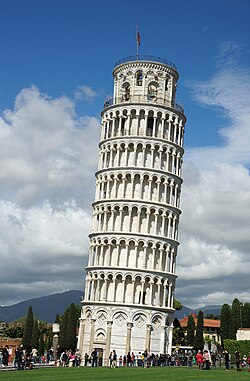
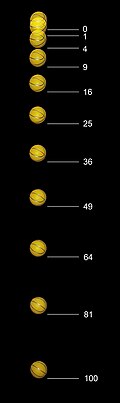
自由落下する物体が時間の2乗に比例して距離を伸ばすという物理的特性は、後の実験的な検証によっても裏付けられています。
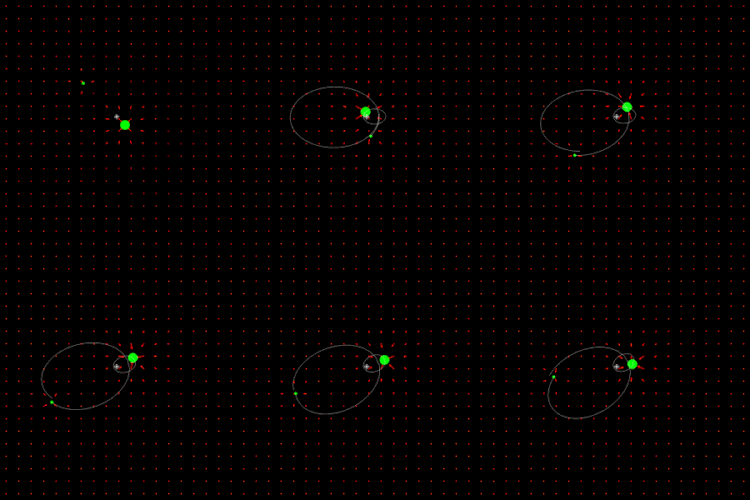
ニュートンのモデルは極めて実用的でしたが、「なぜ離れた物体同士が瞬時に引き合うのか」という根本的なメカニズム(遠隔作用)については説明できず、後の科学者たちにとっての課題として残されました。

アインシュタインによる時空の再定義
20世紀に入ると、アルベルト・アインシュタインが「一般相対性理論」を提唱し、重力の概念を劇的に変えました。彼は重力を単なる「力」ではなく、質量を持つ物体が周囲の時空(時間と空間を合わせた4次元的な構造)を歪ませる現象であると定義しました。重い物体があることで時空が沈み込み、その歪みに沿って他の物体や光が移動するため、あたかも引き寄せられているように見えるという考え方です。
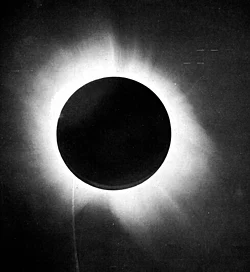
この理論の正しさは、多くの観測によって証明されています。例えば、1919年の皆既日食の際、太陽の重力によって遠くの星からの光が曲げられることが確認されました。これは、光さえも時空の歪みの影響を受けることを示す決定的な証拠となりました。
重力がもたらす特異な現象
一般相対性理論は、ニュートン理論では説明できなかった驚異的な現象を予言しました。その一つが「重力レンズ効果」です。巨大な銀河などの質量がレンズのような役割を果たし、背後にある天体の光を曲げたり、複数の像に分かれたりさせます。
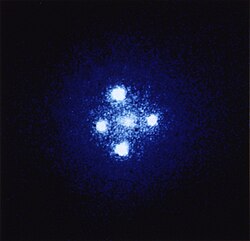
また、重力は時間の流れにも影響を与えます。重力が強い場所ほど時間はゆっくりと進む「重力時間遅延」が発生します。これはガンマ線を用いた実験や、現代のGPS衛星の時刻補正など、実用的なレベルで確認されている事実です。
現代宇宙論と重力の最前線
現代の天文学では、重力は宇宙の進化を読み解く鍵となっています。特に、ブラックホールのような極限まで密度が高まった天体では、時空の歪みが無限大になる「特異点」が存在すると考えられています。
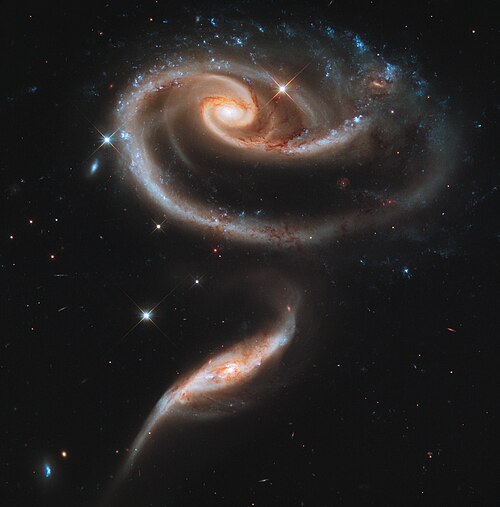
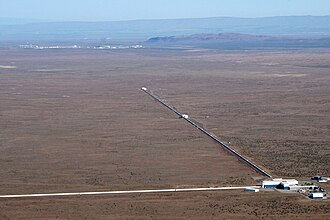
2015年、LIGO(レーザー干渉計重力波観測所)によって、アインシュタインが100年前に予言した「重力波」が初めて検出されました。これは、13億光年彼方で2つのブラックホールが衝突・合体した際に発生した時空の震えを捉えたものです。これにより、光では見ることができない宇宙の出来事を「聴く」ことができる新しい天文学の時代が幕を開けました。
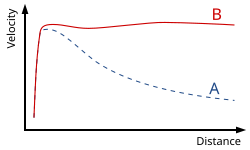
一方で、銀河の回転速度を観測すると、目に見える物質の質量だけでは説明がつかないほどの強い重力が働いていることが分かっています。この矛盾を解消するために導入されたのが、光を発せず観測できない「ダークマター(暗黒物質)」という概念です。
重力理論のまとめ
| 理論名 | 提唱者 | 重力の捉え方 | 主な特徴・成果 |
|---|---|---|---|
| 万有引力の法則 | I. ニュートン | 質量間の引き合う「力」 | 逆二乗則、惑星軌道の計算 |
| 一般相対性理論 | A. アインシュタイン | 「時空の歪み」 | 光の屈曲、ブラックホール、時間遅延 |
| 現代宇宙論 | 多くの科学者 | 時空のダイナミクス | 重力波の検出、ダークマターの探究 |
Frequently Asked Questions
重力と質量は何が違うのですか?
質量は物体が持っている「物質の量」そのものであり、不変の値です。一方、重力は質量を持つ物体同士が引き合う「力」のことを指します。例えば、月に行くと質量は変わりませんが、地球より重力が弱いため、体重(重力による押し付けられる力)は軽くなります。
重力波とは具体的にどのようなものですか?
巨大な質量を持つ天体が激しく加速したときに発生する、時空の波のようなものです。この波が地球に到達すると、空間そのものがごくわずかに伸び縮みします。非常に微小な変化であるため、高度なレーザー干渉計を用いて検出されます。
なぜ重力が強いと時間が遅くなるのですか?
一般相対性理論によれば、質量が時空を歪ませる際、空間だけでなく「時間」の軸も歪ませるためです。重力場が強い(時空の歪みが大きい)領域では、時間の進みが緩やかになります。これは理論的な予測だけでなく、精密な原子時計を用いた実験で証明されています。
ダークマターは重力とどのような関係がありますか?
銀河の回転速度を観測すると、目に見える星々の質量から計算される重力よりも、実際にはるかに強い重力が働いていることが判明しました。この「足りない重力」を補うために、目には見えないが質量だけは持っている未知の物質(ダークマター)が存在すると考えられています。
References
- "dict.cc dictionary :: gravitas :: English-Latin translation". Archived from the original on 13 August 2021. Retrieved 11 September 2018.
- Braibant, Sylvie; Giacomelli, Giorgio; Spurio, Maurizio (2011). Particles and Fundamental Interactions: An Introduction to Particle Physics (illustrated ed.). Springer Science & Business Media. p. 109. . Extract of page 109
- "HubbleSite: Black Holes: Gravity's Relentless Pull". hubblesite.org. Archived from the original on 26 December 2018. Retrieved 7 October 2016.
- (10 October 2022). "Black Holes May Hide a Mind-Bending Secret About Our Universe – Take gravity, add quantum mechanics, stir. What do you get? Just maybe, a holographic cosmos". . Archived from the original on 16 November 2022. Retrieved 10 October 2022.
- Cartwright, Jon (17 May 2025). "Defying gravity". New Scientist. pp. 30–33.
- Hofmann-Wellenhof, B.; Moritz, H. (2006). Physical Geodesy (2nd ed.). Springer. .
§ 2.1: "The total force acting on a body at rest on the earth's surface is the resultant of gravitational force and the centrifugal force of the earth's rotation and is called gravity.
- Feynman, Richard P.; Leighton, Robert B.; Sands, Matthew L. (2006). "The Theory of Gravitation". The Feynman lectures on physics (Definitive ed.). San Francisco, Calif.: Pearson Addison Wesley. .
- Krebs, Robert E. (1999). Scientific Development and Misconceptions Through the Ages: A Reference Guide (illustrated ed.). Greenwood Publishing Group. p. 133. .
- Navas, S.; et al. (Particle Data Group) (August 2024). "Review of Particle Physics". Physical Review D. 110 (3) 030001. :10.1103/PhysRevD.110.030001.
- II. 13-14.
📸 フォトギャラリー