冬の朝、草木や窓ガラスを白く彩る霜。私たちは日常的に目にする光景ですが、その正体は水蒸気が液体(水)の状態を経ずに直接固体(氷)へと変化する、非常に興味深い物理現象です。本記事では、霜がどのようにして生まれるのかという基礎知識から、その多様な種類、農業への影響、さらには地球外惑星での事例までを詳しく解説します。
Key Facts
- 霜は、水蒸気が氷点下の表面に直接付着して形成される氷の層である。
- 液体にならずに氷になる現象を「昇華(または凝結)」と呼ぶ。
- 空気の湿度と温度、および表面の温度が形成の鍵を握る。
- 植物にとって、細胞内の水分が凍結する「霜害」は致命的なダメージとなる。
- 地球以外にも、火星や水星、冥王星などの天体で霜に似た現象が確認されている。
霜ができる仕組みと物理的プロセス
空気中には常に一定量の水蒸気が含まれていますが、その保持量は温度によって異なります。暖かい空気は多くの水蒸気を含めますが、冷えると保持できなくなります。空気が飽和状態を超え、さらに温度が露点(水蒸気が凝結し始める温度)を下回ったとき、過剰な水蒸気が周囲の物体に付着し、氷の結晶へと変化します。
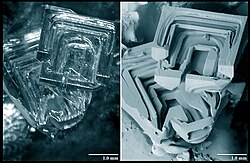
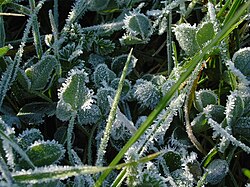
このプロセスは、水蒸気(気体)から氷(固体)へ直接相転移するため、通常の結露とは異なります。結晶の形状は、温度、気圧、風の強さ、表面の粗さなどの要因によって、針状、樹枝状、あるいは薄い板状など、多様な形態に分かれます。例えば、ガラス面は水蒸気が吸着しやすいため、車の窓などは塗装面よりも早く霜が降りる傾向があります。
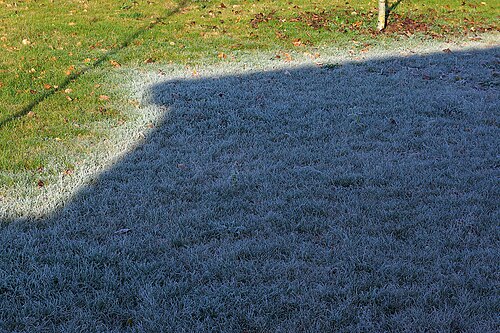
結晶の成長は「核形成」というプロセスによって始まります。これは雲や霧、雪ができる仕組みと同じです。結晶の密度や蓄積時間によって、見た目は透明に見えたり、光を乱反射して真っ白に見えたりします。
霜の多様な種類と特徴
霜は、形成される環境や条件によっていくつかのタイプに分類されます。
白い霜(Hoar Frost / Radiation Frost)
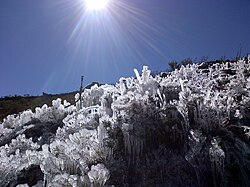
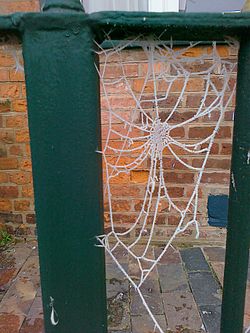
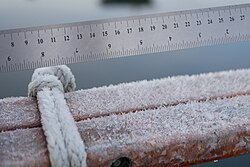
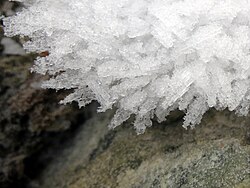
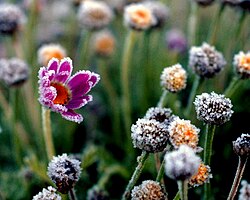
晴れた寒い夜、地表の熱が宇宙へ放出される「放射冷却」によって発生します。空気中の水蒸気が直接氷晶となり、植物や電線などに白い毛のように付着します。特に谷底などの冷気が溜まりやすい場所(フロストポケット)では、上空の気温が高くても激しく発生することがあります。
その他の特殊な霜
- 移流霜(Advection Frost): 極めて冷たい風が物体に当たることで形成される小さな氷の棘。風上側に形成されるのが特徴です。
- 窓霜(Window Frost): 湿度が高い室内で、ガラス面に水滴が凝結した後に凍結してできる模様です。
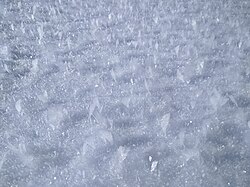
- 白霜(White Frost): 湿度90%以上、気温-8℃以下の条件下で、雪の上に直接形成される針状の結晶です。
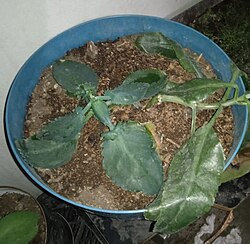
- 黒い霜(Black Frost): 実際には氷の結晶が見えない状態を指します。湿度が低すぎて霜は降りないものの、気温が極端に低いため植物の組織が凍結し、黒く枯れてしまう現象です。
霧氷(Rime)との違い
よく混同される「霧氷」は、厳密には霜とは異なります。霜が水蒸気からゆっくりと成長するのに対し、霧氷は過冷却された液体の水滴が物体に衝突して瞬時に凍結するため、より固く、不透明な外観になります。
植物への影響と農業での対策
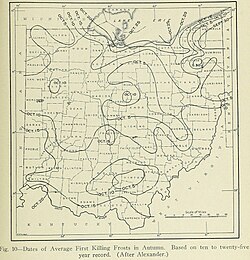
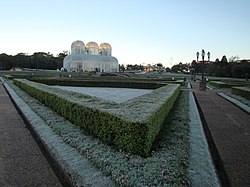
多くの植物にとって、氷点下の温度は脅威です。細胞内の水分が凍結すると、鋭い氷の結晶が細胞壁を破壊し、組織が死滅します。これを霜害と呼びます。
耐寒性は植物によって異なり、トマトやナスなどのナス科植物は軽い霜(-2〜0℃)でもダメージを受けますが、根菜類や一部の葉菜類は比較的耐性があります。また、一部の細菌(Pseudomonas syringaeなど)は氷の核形成を促進し、より高い温度で霜を発生させることで植物にダメージを与えることが知られています。
霜から作物を守る技術
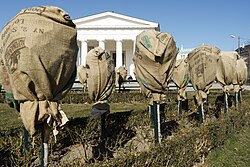
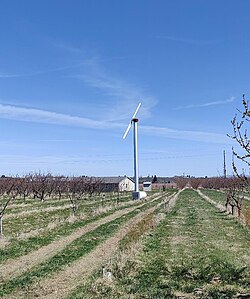
農業現場では、高価な作物や果樹を守るために様々な対策が講じられています。
- 風機(Wind Machines): 強力なプロペラで上空の暖かい空気を地表に混ぜ合わせ、冷気の蓄積を防ぎます。
- 散水灌漑: 作物に水をまき、水が凍る際に放出される「凝結熱(潜熱)」を利用して、植物の温度が氷点下まで下がるのを遅らせます。
- 温室やカバー: 物理的に冷気を遮断し、内部の温度を維持します。
地球外の「霜」現象
霜のような凝結現象は、地球以外の天体でも観測されています。
- 水星: 永久的に日が当たらないクレーターの底に、水氷や硫黄などの揮発性物質が霜のように堆積していることが判明しています。
- 火星: オリンポス山の山頂付近で、日の出後の数時間だけ現れる薄い水霜の層が発見されました。
- 冥王星: 表面の多くが窒素やメタンの霜で覆われており、これらが表面を移動しながら分布していることが分かっています。
霜の概要まとめ
| 種類 | 形成メカニズム | 外観・特徴 | 主な発生条件 |
|---|---|---|---|
| 白い霜(Hoar) | 水蒸気の直接昇華 | 白く繊細な結晶、毛状 | 放射冷却、晴れた寒い夜 |
| 移流霜 | 冷たい風による冷却 | 小さな氷の棘 | 強風時、風上側 |
| 黒い霜 | 組織の凍結(氷晶なし) | 植物が黒く枯死 | 極低温かつ低湿度 |
| 霧氷(Rime) | 過冷却水滴の凍結 | 固く不透明な氷の層 | 高湿度、霧の発生時 |
Frequently Asked Questions
霜と霧氷は何が違うのですか?
最大の違いは「原料」です。霜は空気中の水蒸気(気体)が直接氷になる現象ですが、霧氷は空気中に漂う過冷却の水滴(液体)が物体に当たって凍る現象です。そのため、霜は繊細な結晶構造を持ち、霧氷はより塊状で固い見た目になります。
「黒い霜」なのに白くないのはなぜですか?
黒い霜は、空気中の水分が少なすぎて目に見える氷の結晶(白い霜)が作られない状態を指します。しかし、気温自体は非常に低いため、植物の細胞内の水分が凍結して組織が死に、結果として植物が黒く変色するため、このように呼ばれます。
なぜ車の窓にだけ先に霜が降りることがあるのですか?
物質によって水蒸気が吸着しやすい性質(濡れ性など)が異なるためです。ガラスは水蒸気が吸着しやすく、また熱伝導率や放射率の影響で周囲の空気より早く冷えやすいため、ボディの塗装面よりも先に霜が形成されることが多いです。
農業で水をまいて霜を防ぐのはなぜですか?
水が液体から固体(氷)に変わる際、「凝結熱」という熱を放出します。この熱が植物の組織を温めるため、外気温が氷点下であっても、植物自体の温度が一定時間、凍結点以下に下がるのを防ぐことができるからです。
References
- "National Weather Service Forecast Information". NOAA Tides & Currents. National Oceanic and Atmospheric Administration. Retrieved 2026-01-03.
- "What causes frost?". Archived from the original on 2007-12-10. Retrieved 2007-12-05.
- John E. Oliver (1 January 2005). The Encyclopedia of World Climatology. . pp. 382–. . Archived from the original on 8 May 2016.
- "Hoarfrost – Definition of hoarfrost by Merriam-Webster". merriam-webster.com. Archived from the original on 2015-02-19.
- Louisiana State University Baton Rouge Robert V. Rohli; Robert V. Rohli; Anthony J. Vega (13 December 2013). Climatology. . pp. 381–. . Archived from the original on 19 May 2016.
- "Weather Facts: Frost hollow – Weather UK – weatheronline.co.uk". weatheronline.co.uk. Archived from the original on 2013-02-12.
- Dillon, James; Donahue, Christopher; Schehrer, Evan; Birkeland, Karl; Hammonds, Kevin (2024). "Mapping surface hoar from near‑infrared texture in a laboratory". The Cryosphere. 18: 2557–2582. :10.5194/tc‑18‑2557‑2024 (inactive 4 January 2026).
{{}}: CS1 maint: DOI inactive as of January 2026 () - David McClung; Peter A. Schaerer (2006). The Avalanche Handbook. . pp. 72–. . Archived from the original on 2016-05-06.
- West, Bruce; Mauro Bologna (2003). Physics of Fractal Operators. Paolo Grigolini. Springer. p. 46. .
- Lloyd, G.; Choularton, T. W.; Bower, K. N.; Gallagher, M. W.; Connolly, P. J.; Flynn, M.; Farrington, R.; Crosier, J.; Schlenczek, O.; Fugal, J.; Henneberger, J. (2015). "The origins of ice crystals measured in mixed‑phase clouds at the high‑alpine site Jungfraujoch". *Atmospheric Chemistry and Physics*. 15 (22): 12953–12969. :10.5194/acp‑15‑12953‑2015 (inactive 4 January 2026).
{{}}: CS1 maint: DOI inactive as of January 2026 ()
📸 フォトギャラリー