幻想的な風景を作り出す霧は、気象学的には地表付近に停滞する低い雲の一種と定義されます。一般的な雲との最大の違いは、その発生場所が地表に近く、多くの場合、近隣の海や湖、湿地などの局所的な水分供給によって形成される点にあります。また、視程(見通せる距離)が1km未満に低下した状態を指し、それよりも視程の低下が緩やかなものは「靄(もや)」として区別されます。

Key Facts
- 定義:視程が1km未満に低下した地表付近の雲。
- 形成条件:気温と露点温度の差が2.5°C以内にまで縮まった際に発生しやすい。
- 湿度:相対湿度が100%に近い状態で形成されるが、必ずしも100%である必要はない。
- 環境浄化:霧の中に生息する細菌が、大気中の有害物質であるホルムアルデヒドを分解する。
- 生態系:カリフォルニアのレッドウッドなどの森林では、霧が重要な水分供給源となっている。
霧が生まれる仕組み
霧は、空気中の水蒸気が凝結して微細な水滴となり、それが空中に浮遊することで発生します。この凝結プロセスには、塵や塩分、氷などの凝結核と呼ばれる微粒子が必要不可欠です。具体的には、以下のような現象がトリガーとなります。
- 地表の水分が日中の加熱で蒸発し、その後冷却される。
- 暖かい湿った空気が、冷たい水面や地表の上に流れ込む。
- 植物の蒸散作用によって水分が供給される。
- 空気の流れが収束し、上昇気流が発生して冷却される。
通常、相対湿度が100%に達すると空気はそれ以上水分を保持できなくなり、過飽和状態となります。このとき、霧の粒子が合体して大きくなると、霧雨や軽い雪として降ることがあります。特に地表温度が氷点下の場合、これらは着氷性の霧雨となります。
霧の種類と特性
放射霧と接地霧
放射霧は、夜間に地表が急速に冷却されることで形成される一般的な霧です。特に風がない状態で地表付近に薄く広がるものは接地霧と呼ばれ、地形によってはわずか数十センチの厚さになることもあります。
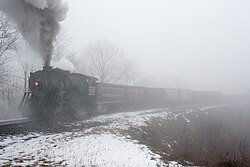
移流霧
暖かい湿った空気が冷たい海面や雪原の上を移動することで発生します。このタイプの霧は、時速80kmを超えるような強い風がある状況でも形成されることがあり、都市部や平原では乱流を伴う浅い層として観察されます。
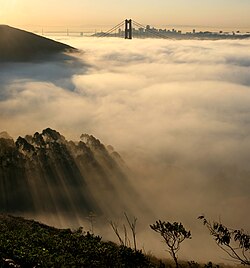
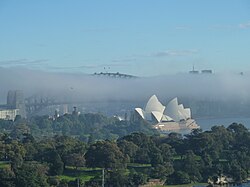
極寒地で起こる氷霧(Frozen Fog)
気温がマイナス35°C以下という極限状態では、水滴が空中で凍結し、微小な氷の結晶となります。これを氷霧と呼びます。北極や南極などの極地だけでなく、都市部で自動車の排気ガスや暖房設備から出た水蒸気が凍結して発生することもあります。この現象は、太陽光の屈折による光柱やハローなどの視覚現象を引き起こすことがあります。

地形と地域による影響
霧の発生は地形に強く依存します。例えば、カナダのニューファンドランド島沖のグランドバンクスは、北からの冷たいラブラドル海流と南からの暖かいメキシコ湾流がぶつかるため、年間200日以上霧に包まれる世界有数の多霧地帯として知られています。
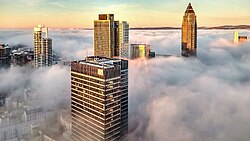
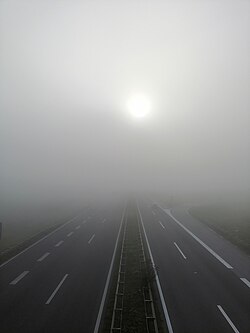
また、アメリカの太平洋北西部(コロンビア高原など)では、気温逆転層の影響で数週間にわたって霧が停滞することがあります。一方で、アリゾナやネバダなどの砂漠地帯は、水分が少ないため霧の発生が極めて稀です。
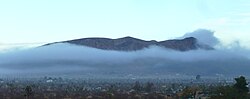
霧がもたらす環境的・生物学的役割
大気の浄化作用
近年の研究で、放射霧の中に生息するメチロバクテリウムという細菌が、大気汚染物質であるホルムアルデヒドを分解していることが分かりました。この分解速度は雲の中よりも約200倍速く、霧が自然のフィルターとして下層大気を浄化する役割を担っていることを示唆しています。
貴重な水源としての霧
乾燥地帯や特定の森林において、霧は生命線となります。カリフォルニアのレッドウッド森林では、年間の水分の30〜40%を霧からの滴下(フォグドリップ)に依存しています。また、アフリカの沿岸部などでは、昆虫や動物が霧を主要な水分源としており、人間が「霧ネット」を用いて飲料水を採取する地域もあります。
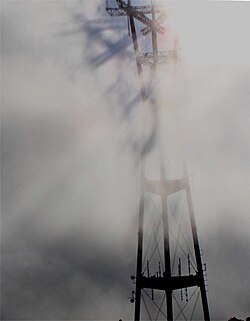
社会への影響と歴史的エピソード
霧は視程を著しく低下させるため、交通への影響だけでなく、歴史的な軍事戦略にも利用されてきました。1776年のロングアイランドの戦いでは、ジョージ・ワシントン将軍が霧に紛れてイギリス軍の包囲を逃れました。また、第二次世界大戦のノルマンディー上陸作戦(D-Day)でも、霧が視界を遮ったことで作戦に影響を与えたと報告されています。
現代では、防犯目的で人工的に視界を遮る不透明な霧を発生させる装置なども開発されています。

霧の特性まとめ
| 種類 | 主な発生要因 | 主な特徴 |
|---|---|---|
| 放射霧 | 地表の放射冷却 | 夜間から早朝に発生しやすく、風が弱い時に現れる |
| 移流霧 | 暖湿流の冷たい面への移動 | 強い風があっても発生し、広範囲に及ぶことがある |
| 氷霧 | 極低温(-35°C以下) | 水滴が氷結晶となり、光柱などの光学現象を伴う |
| 接地霧 | 局所的な冷却 | 非常に浅い層(数十cm程度)として地表に停滞する |
Frequently Asked Questions
霧と靄(もや)の違いは何ですか?
最大の違いは視程(見通せる距離)にあります。視程が1km未満まで低下した状態を「霧」と呼び、それよりも視界の遮られ方が緩やかな状態を「靄」と定義します。
霧はなぜ発生するのですか?
空気中の水蒸気が、気温の低下や水分の増加によって凝結し、微細な水滴となって空中に浮遊することで発生します。この際、塵などの凝結核があることで水滴が形成されやすくなります。
霧が環境に良い影響を与えることはありますか?
はい。霧の中に生息する特定の細菌(メチロバクテリウムなど)が、有害な大気汚染物質であるホルムアルデヒドを分解し、二酸化炭素に変えることで大気を浄化する働きがあります。
氷霧とはどのような現象ですか?
気温がマイナス35°C以下の極低温環境で、霧の水滴が空中で凍結して微小な氷の結晶となったものです。北極圏や、極寒地の都市部で排気ガスなどが凍結して発生します。
霧から水を得ることは可能ですか?
可能です。特に乾燥した沿岸地域では、「霧ネット」と呼ばれる装置を用いて空気中の霧を捕集し、飲料水や農業用水として利用しているコミュニティが存在します。
References
- Gultepe, Ismail, ed. (2 January 2008). "Fog Visibility and Forecasting". Fog and Boundary Layer Clouds. . p. 1126. . Archived from the original on 3 September 2016.
The international definition of fog consists of a suspended collection of water droplets or ice crystal near the Earth's surface...
Reprint from . 164 (6–7). 2007.{{}}: CS1 maint: untitled periodical () - "What's the Difference Between Fog and Clouds?". . 2022. Archived from the original on 8 January 2015.
- Cao, T. T. T.; Herckes, P.; Straub, D.; Sarkar, S.; Garcia-Pichel, F. (2026). "Growth and formaldehyde degradation of photoheterotrophic Methylobacterium within radiation fogs". mBio e00463-26. :10.1128/mbio.00463-26. 42112827.
- Use of the term "fog" to mean any cloud that is at or near the Earth's surface can result in ambiguity as when, for example, a covers a mountaintop. An observer on the mountain may say that he or she is in a fog, however, to outside observers a cloud is covering the mountain. (Thomas, P. (2005). Standard practice for the design and operation of supercooled fog dispersal projects. . p. 3. . Archived from the original on 3 September 2016. Retrieved 27 March 2016.) In fact, some people commonly mistake mist for fog. These two are a little bit different as mist is thinner than fog. () Further distinguishing the terms, fog rarely results in rain, while clouds are the common source of rain.
- "Federal Meteorological Handbook Number 1: Chapter 8 – Present Weather" (PDF). . 1 September 2005. pp. 8–1, 8–2. Archived from the original (PDF) on 21 May 2011. Retrieved 9 October 2010.
- Aviation Hazards Low Visibility and Low Cloud, , 2020
- "Fog – AMS Glossary". . Archived from the original on 27 March 2013. Retrieved 16 March 2013.
- "Fog" (PDF). . 2022.
- Robert Penrose Pearce (2002). Meteorology at the Millennium. . p. 66. . Retrieved 2 January 2009.
- "Virga and Dry Thunderstorms". Office, Spokane, Washington. Archived from the original on 22 May 2009.
📸 フォトギャラリー