A map showing the approximate location of the ice-free corridor and Paleo-Indian settlements during the era of Clovis culture
← ホームへ戻る

ネイティブアメリカンの歴史と現代伝統の継承と権利への闘い

🗓 2026年8月15日

北米大陸の本来の主であるネイティブアメリカン(アメリカ先住民)の歩みは、豊かな文化の開花と、それに続く激動の苦難、そして現代におけるアイデンティティの回復という壮大な物語です。彼らは単一の集団ではなく、多様な言語、宗教、社会構造を持つ数多くの部族で構成されており、その歴史はアメリカ合衆国の形成と深く結びついています。

Key Facts

  • 起源: 古代のパレオ・インディアン(旧石器時代の人々)が氷河期の通路を通って北米に到達したと考えられています。
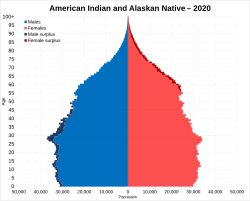
  • 人口動態: 2020年の国勢調査では、アメリカ先住民およびアラスカ先住民の人口が統計的に増加傾向にあります。
  • 法的地位: 連邦政府によって承認された部族は「部族主権」を持ち、独自の統治権を行使しています。
  • 文化の多様性: 北米全域にわたり、言語体系や生活様式(農耕、狩猟、漁業など)が大きく異なります。
  • 権利回復: 20世紀後半から「レッドパワー運動」などを通じ、宗教の自由や土地の権利を取り戻す活動が活発化しました。

太古の起源から植民地時代まで

北米先住民の歴史は、数万年前のパレオ・インディアンにまで遡ります。彼らは氷河に挟まれた狭い回廊を通り、大陸へと広がりました。その後、地域ごとに適応した多様な文化圏が形成され、高度な社会組織や精神世界を築き上げました。
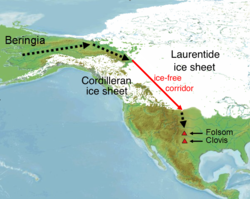
A map showing the approximate location of the ice-free corridor and Paleo-Indian settlements during the era of Clovis culture

一部の地域では、巨大な土塁(アースワーク)を築くなど、複雑な建築文化を持っていました。しかし、15世紀末のコロンブス到達以降、ヨーロッパからの入植者が急増し、先住民の生活は一変します。入植者との接触は、未知の感染症の流行や、土地を巡る激しい紛争(ペコット戦争やキング・フィリップ戦争など)をもたらしました。
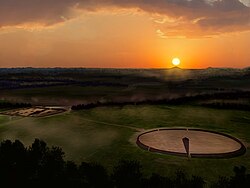
Shriver Circle Earthworks and the Mound City Group (on the left), c. 200 BCE to c. 500 CE, depicted in a 2019 portrait
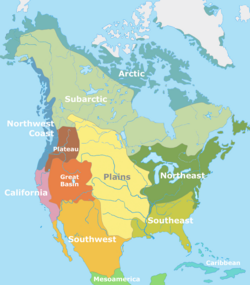
The cultural areas of Indigenous peoples of North America during the Pre-Columbian era, according to anthropologist Alfred Kroeber
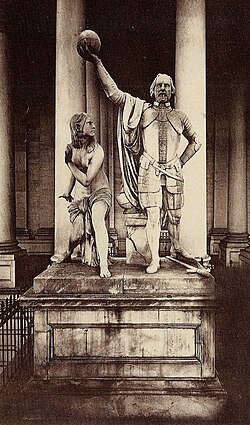
The Discovery of America (1844) sculpture, depicting a triumphant Columbus and a "female savage" (Native woman)

弾圧と同化の時代

アメリカ合衆国建国後、政府は「インディアン移住法」などの政策を強行し、先住民を伝統的な居住地から強制的に追い出しました。これにより、多くの部族が西部の「インディアン準州(インディアン・テリトリー)」へと追いやられる悲劇が起こりました。
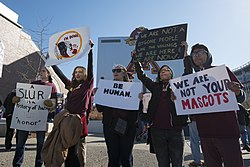
Protest against the name of the Washington Redskins in Minneapolis, November 2014
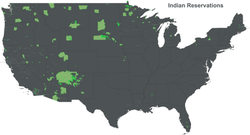
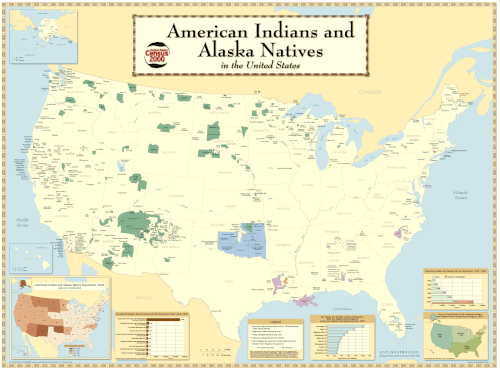
This U.S. Census Bureau map depicts the locations of differing Native American groups, including Indian reservations, as of 2000; present-day Oklahoma in the Southwestern United States, which was once designated as an Indian Territory before Oklahoma's statehood in 1907, is highlighted in blue.
Indian reservations

さらに、政府は文化的な抹殺を目的とした「同化政策」を推進しました。特に悪名高いのがインディアン寄宿学校(ボーディングスクール)であり、「インディアンを殺し、人間を救う」という思想の下、子供たちから母国語や伝統的な習慣を奪い、白人文化への強制的な適応を強いました。
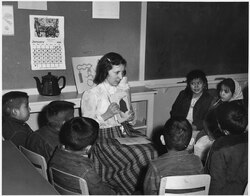
Teacher with picture cards giving English instruction to Navajo day school students
The Carlisle Indian Industrial School was a major institution for the assimilation of Native Americans. From 1879 until 1918, over 10,000 children from 140 tribes attended Carlisle.[237] Founded by Richard Henry Pratt, his motto, "Kill the Indian, Save the Man", was in reference to the ethics of the school and efforts to eradicate Indigenous culture and forcibly assimilate the Natives into white American culture, and that "the goal of acculturation was to be accomplished by "total immersion" in the white man's world."[238][239]

この時代、先住民は激しい人種差別や法的不平等にさらされました。酒類の販売禁止などの差別的な看板が掲げられたり、伝統的な宗教儀式が禁止されたりするなど、精神的な抑圧も深刻でした。
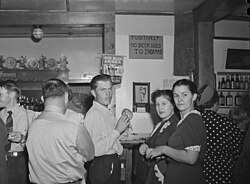
A discriminatory sign ("no beer sold to Indians") posted above a bar. Birney, Montana, 1941
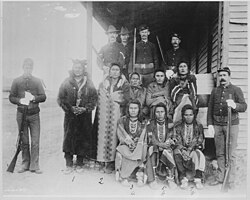
Chief Plenty Coups and eight Crow prisoners under guard at Crow agency, Montana, 1887
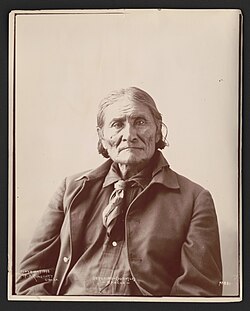
Geronimo, Chiricahua Apache leader, 1898, by Frank Rinehart

抵抗と権利回復への道のり

不当な扱いに抗い、先住民たちは組織的な権利回復運動を展開しました。1960年代から70年代にかけて盛り上がりを見せた「アメリカ・インディアン運動(AIM)」や「レッドパワー運動」は、部族主権の確立と条約の遵守を強く訴えました。
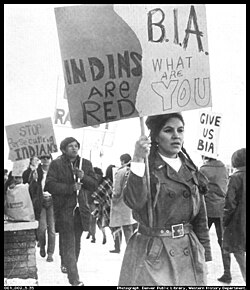
A group of NIYC demonstrators holding signs in front of the BIA office.

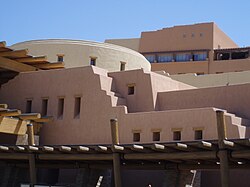
こうした努力の結果、1970年代以降、法的な整備が進みました。「アメリカ先住民宗教自由法」や「先住民墓地保護・返還法」などが制定され、奪われた文化遺産の返還や信仰の自由が認められるようになりました。また、現代ではカジノ運営などの経済的自立を図る部族も増えています。
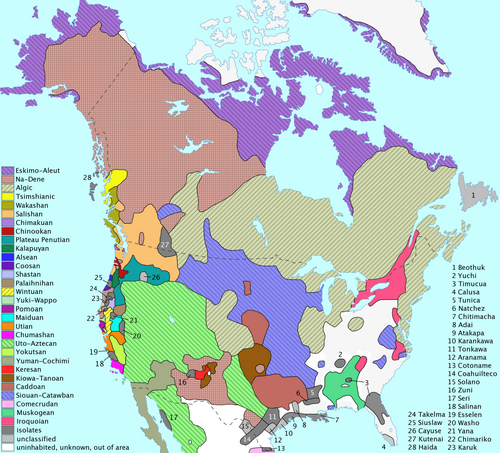
Pre-contact: distribution of North American language families, including northern Mexico
Sandia Casino, owned by the Sandia Pueblo of New Mexico

現代におけるアイデンティティと社会

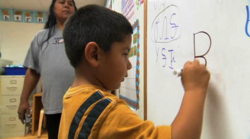
今日のネイティブアメリカンは、伝統の保存と現代社会への適応という二つの課題に向き合っています。言語の喪失を防ぐためのイマージョン教育(没入教育)や、伝統的な食文化の再評価が進んでいます。
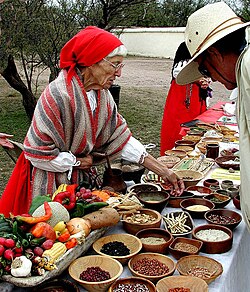
An older Native American woman talks behind a table of beans, grains, and other produce. She is demonstrating the different traditional Native American foods.
Oklahoma Cherokee language immersion school student writing in the Cherokee syllabary
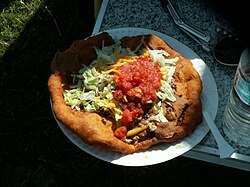
Frybread, made into an Indian taco
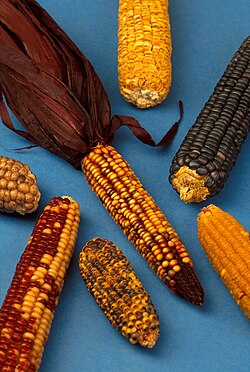
Maize grown by Native Americans

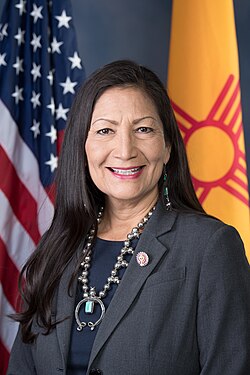
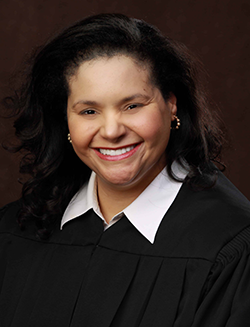
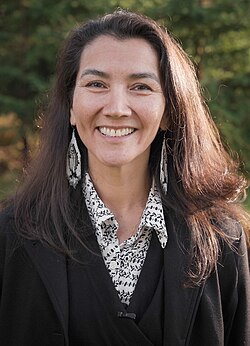
また、政治の世界でも存在感を高めており、連邦議会や閣僚に先住民出身者が就任するなど、国家レベルでの意思決定に関与する機会が増えています。
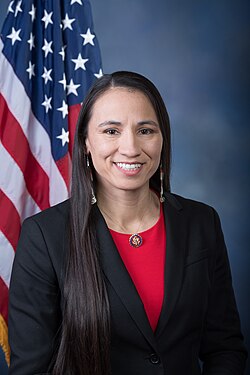
Sharice Davids became one of the first two Native American women elected to the U.S. House of Representatives.
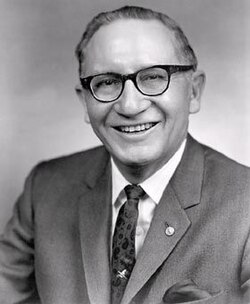
Ben Reifel of South Dakota, the only Lakota elected to the U.S. House of Representatives
Deb Haaland became the first Native American to be appointed as the U.S. Secretary of the Interior.
Ada Brown, a citizen of the Choctaw Nation with mixed-African American heritage, nominated by President Donald Trump in 2019 to be a federal judge in Texas
Mary Peltola became the first Alaska Native elected to the U.S. House of Representatives.

文化と芸術の継承

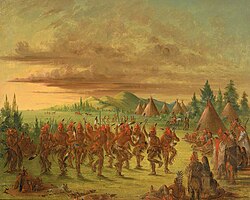
パウワウ(部族集会)などの伝統行事は、今も多くの人々を惹きつけ、世代を超えてアイデンティティを継承する場となっています。また、スポーツや芸術の分野でも、彼らの才能は世界的に認められています。
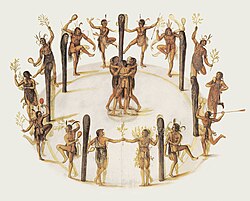
Secotan Indians' dance in North Carolina. Watercolor by John White, 1585.
Eagle Dance of the Sac and Fox Indians, painting by George Catlin, c. 1845
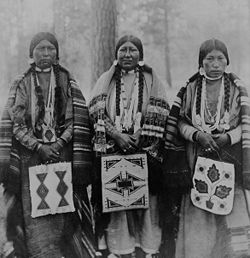
Native American women in Warm Springs Indian Reservation, Wasco County, Oregon (1902)
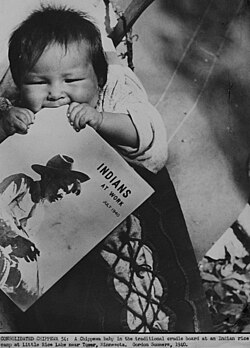
Ojibwe baby waits on a cradleboard while parents tend wild rice crops (Minnesota, 1940).
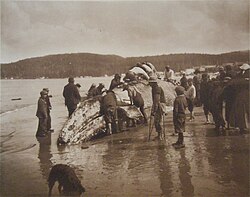
Makah Native Americans and a whale, The King of the Seas in the Hands of the Makahs, 1910 photograph by Asahel Curtis
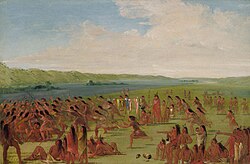
Ball-play of the women, painting by George Catlin, c. 1835
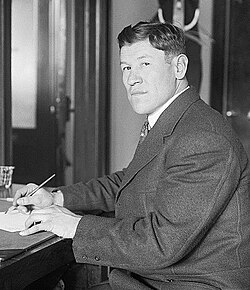
Jim Thorpe, gold medalist at the 1912 Olympics, in the pentathlon and decathlon events
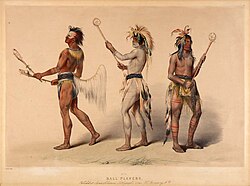
Ball players from the Choctaw and Lakota tribe in a 19th-century lithograph by George Catlin
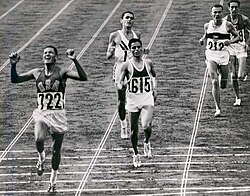
Billy Mills crosses the finish line at the end of the 10,000-meter race at the 1964 Tokyo Olympics.
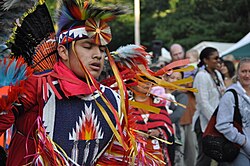
Fancy Dancer at the Seafair Indian Days Pow-Wow, Daybreak Star Cultural Center, Seattle, Washington
Jake Fragua, Jemez Pueblo from New Mexico
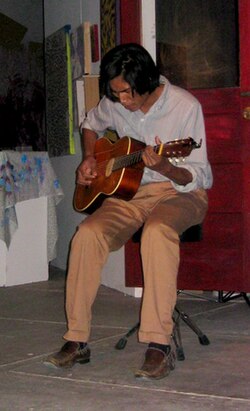
Lillian Gross, described as a "Mixed Blood" by the Smithsonian source,[full citation needed] was of Cherokee and European American heritage. She identified with the Cherokee culture in which she was raised.

信仰と精神性

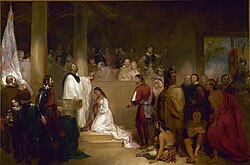
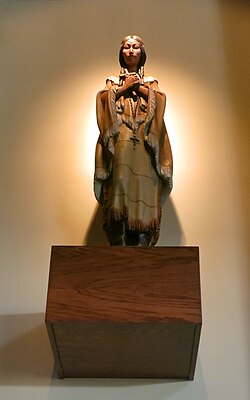
伝統的な部族宗教に加え、キリスト教を受け入れた人々も多く、聖カテリナ・テカクウィサのような聖人が崇敬されるなど、多様な信仰形態が存在します。
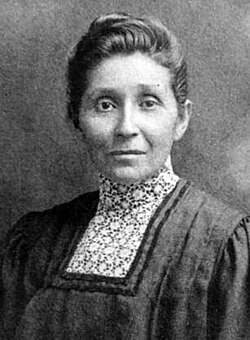
Susan La Flesche Picotte was the first Native American woman to become a physician in the United States.
Baptism of Pocahontas, painted in 1840 by John Gadsby Chapman
Saint Kateri Tekakwitha, the patron of ecologists, exiles, and orphans, was canonized by the Catholic Church

直面する現代的課題

一方で、保留地付近でのウラン鉱山放置による環境汚染や、健康問題、社会的な格差など、今なお解決すべき深刻な問題が残っています。
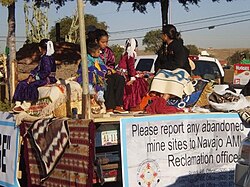
Native peoples are concerned about the effects of abandoned uranium mines on or near their lands.

人口統計の概要

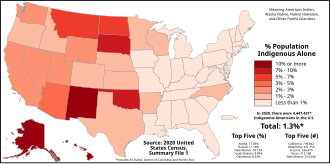
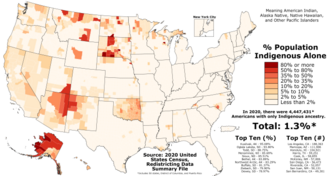
2020年の国勢調査に基づき、アメリカ国内における先住民の分布と人口推移をまとめました。

項目 詳細・数値
2020年総人口(推定) 約522万人(混合人種を含む)
主な分布地域 アラスカ州、アリゾナ州、ニューメキシコ州など
人口推移(1880年〜2020年) 長期的には増加傾向にあり、自己申告によるアイデンティティの再認識が進んでいる
主な法的枠組み 連邦承認部族による部族主権の行使
Proportion of Indigenous Americans (including Native Hawaiians) in each U.S. state, Washington, D.C., and Puerto Rico as of the 2020 U.S. census
Proportion of Indigenous Americans (Including Native Hawaiians) in each county of the fifty states, Washington, D.C., and Puerto Rico as of the 2020 United States census
The American Indian and Alaskan Native (alone/single race) populations as of 2020.

Frequently Asked Questions

「部族主権」とは具体的にどのような権利ですか?

部族主権とは、連邦政府によって承認された部族が、自らの領土内で独自の政府を構成し、法律を制定し、司法権を行使できる権利のことです。これにより、部族は独自の警察力や裁判所を持つことができます。

インディアン保留地とは何ですか?

連邦政府が特定の部族に対して、居住地として割り当てた土地のことです。歴史的には強制移住の結果として作られたものが多いですが、現在は部族の自治権が行使される拠点となっています。

文化同化政策はどのような影響を与えましたか?

寄宿学校への強制収容などを通じ、多くの先住民が母国語を話すことを禁じられ、伝統的な宗教や習慣を捨てさせられました。これは世代間の文化断絶を招き、現代に至るまで深い精神的・社会的な傷跡を残しています。

現代のネイティブアメリカンはどのような活動をしていますか?

伝統言語の復興、土地の権利回復、環境保護活動のほか、政治への参画やカジノ事業などの経済開発を通じて、部族の自立と文化の保存に取り組んでいます。

アメリカ先住民の人口が増えているのはなぜですか?

自然増に加え、国勢調査における回答方法の変化や、自身のルーツを再発見し、先住民としてのアイデンティティを公に表明する人が増えたことが要因と考えられています。

References

  1. In Florida in 1880 there were reported 180 taxed Indians and 600 inhabitants of unknown race, possibly also Indians.
  2. For Oklahoma one count reported 76,585 Indians in 1880 (including 59,187 in ), another count reported 79,769 or 79,469 (including 64,000 in Five Civilized Tribes) and yet another reported 82,334 (including 64,000 in Five Civilized Tribes) as of 1884.

📸 フォトギャラリー

A map showing the approximate location of the ice-free corridor and Paleo-Indian settlements during the era of Clovis culture
Shriver Circle Earthworks and the Mound City Group (on the left), c. 200 BCE to c. 500 CE, depicted in a 2019 portrait
The cultural areas of Indigenous peoples of North America during the Pre-Columbian era, according to anthropologist Alfred Kroeber
The Discovery of America (1844) sculpture, depicting a triumphant Columbus and a "female savage" (Native woman)
Proportion of Indigenous Americans (including Native Hawaiians) in each U.S. state, Washington, D.C., and Puerto Rico as of the 2020 U.S. census
Proportion of Indigenous Americans (Including Native Hawaiians) in each county of the fifty states, Washington, D.C., and Puerto Rico as of the 2020 United States census
The American Indian and Alaskan Native (alone/single race) populations as of 2020.
This U.S. Census Bureau map depicts the locations of differing Native American groups, including Indian reservations, as of 2000; present-day Oklahoma in the Southwestern United States, which was once designated as an Indian Territory before Oklahoma's statehood in 1907, is highlighted in blue.
Indian reservations
Native peoples are concerned about the effects of abandoned uranium mines on or near their lands.
A group of NIYC demonstrators holding signs in front of the BIA office.
A discriminatory sign ("no beer sold to Indians") posted above a bar. Birney, Montana, 1941
Chief Plenty Coups and eight Crow prisoners under guard at Crow agency, Montana, 1887
Protest against the name of the Washington Redskins in Minneapolis, November 2014
Secotan Indians' dance in North Carolina. Watercolor by John White, 1585.
Eagle Dance of the Sac and Fox Indians, painting by George Catlin, c. 1845
Sandia Casino, owned by the Sandia Pueblo of New Mexico
Teacher with picture cards giving English instruction to Navajo day school students
An older Native American woman talks behind a table of beans, grains, and other produce. She is demonstrating the different traditional Native American foods.
Native American women in Warm Springs Indian Reservation, Wasco County, Oregon (1902)
Geronimo, Chiricahua Apache leader, 1898, by Frank Rinehart
Pre-contact: distribution of North American language families, including northern Mexico
Oklahoma Cherokee language immersion school student writing in the Cherokee syllabary
Ojibwe baby waits on a cradleboard while parents tend wild rice crops (Minnesota, 1940).
Frybread, made into an Indian taco
Maize grown by Native Americans
Makah Native Americans and a whale, The King of the Seas in the Hands of the Makahs, 1910 photograph by Asahel Curtis
Baptism of Pocahontas, painted in 1840 by John Gadsby Chapman
Saint Kateri Tekakwitha, the patron of ecologists, exiles, and orphans, was canonized by the Catholic Church
Susan La Flesche Picotte was the first Native American woman to become a physician in the United States.
Ball-play of the women, painting by George Catlin, c. 1835
Jim Thorpe, gold medalist at the 1912 Olympics, in the pentathlon and decathlon events
Ball players from the Choctaw and Lakota tribe in a 19th-century lithograph by George Catlin
Billy Mills crosses the finish line at the end of the 10,000-meter race at the 1964 Tokyo Olympics.
Fancy Dancer at the Seafair Indian Days Pow-Wow, Daybreak Star Cultural Center, Seattle, Washington
Jake Fragua, Jemez Pueblo from New Mexico
Lillian Gross, described as a "Mixed Blood" by the Smithsonian source,[full citation needed] was of Cherokee and European American heritage. She identified with the Cherokee culture in which she was raised.
The Carlisle Indian Industrial School was a major institution for the assimilation of Native Americans. From 1879 until 1918, over 10,000 children from 140 tribes attended Carlisle.[237] Founded by Richard Henry Pratt, his motto, "Kill the Indian, Save the Man", was in reference to the ethics of the school and efforts to eradicate Indigenous culture and forcibly assimilate the Natives into white American culture, and that "the goal of acculturation was to be accomplished by "total immersion" in the white man's world."[238][239]
Sharice Davids became one of the first two Native American women elected to the U.S. House of Representatives.
Ben Reifel of South Dakota, the only Lakota elected to the U.S. House of Representatives
Deb Haaland became the first Native American to be appointed as the U.S. Secretary of the Interior.
Ada Brown, a citizen of the Choctaw Nation with mixed-African American heritage, nominated by President Donald Trump in 2019 to be a federal judge in Texas
Mary Peltola became the first Alaska Native elected to the U.S. House of Representatives.