ムハンマドは、世界的な宗教であるイスラム教の創始者であり、ムスリム(イスラム教徒)にとって神の最後の預言者とされる人物です。570年頃にアラビア半島のメッカで生まれ、神からの啓示を受けて一神教の教えを広め、宗教的・政治的な共同体を築き上げました。彼の歩みは、単なる個人の生涯にとどまらず、中東の社会構造を根本から変え、後の広大なイスラム帝国の礎となりました。
初期の伝記や記録は、後世に口伝で伝えられたものが多く、アッバース朝以降に体系化されました。例えば、イブン・ヒシャームによる伝記などの写本は、当時の預言者の姿を後世に伝える貴重な資料となっています。
![An early manuscript of Ibn Hisham's al-Sirah al-Nabawiyyah, believed to have been transmitted by his students shortly after his death in 833[12]: 61](/images/c7/53/c753143c6d789d12017914ec0526fedd0cfc7f27bc96d8005c570532f03d1443.jpg)
Key Facts
- 出生と没年: 西暦570年頃にメッカで誕生し、632年6月8日にメディナで没した。
- 宗教的役割: イスラム教における最後にして最大の預言者(封印された預言者)とされる。
- 主要な業績: 唯一神アッラーへの信仰を説き、クルアーン(コーラン)の啓示を受け、イスラム共同体(ウンマ)を確立した。
- 歴史的転換点: 622年のメッカからメディナへの移住(ヒジュラ)がイスラム暦の起点となっている。
- 政治的影響: 宗教指導者であると同時に、メディナにおいて初のイスラム国家を建設した政治的リーダーでもあった。
初期の人生と啓示の始まり
ムハンマドはメッカのクライシュ族に生まれましたが、幼少期に父アブドゥッラーと母アミナを相次いで亡くし、祖父や叔父の保護下で育ちました。青年期には商人として活動し、その誠実さから信頼を集めていました。25歳頃にはハディージャと結婚し、家庭的な安定を得ます。
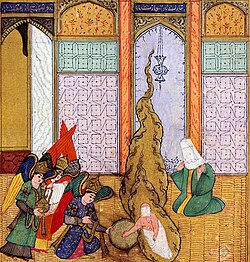
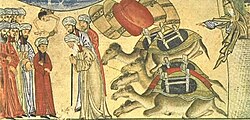
少年時代のムハンマドが修道士バヒーラに出会ったというエピソードは、彼が将来的に特別な役割を担うことを予兆させる物語として伝えられています。
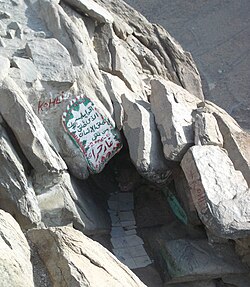
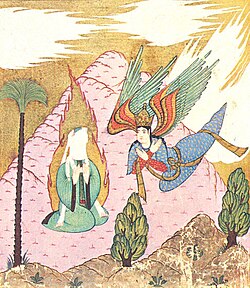
40歳になった頃、ムハンマドはメッカ近郊のジャバル・アッヌール山にあるヒラー洞窟で瞑想にふけっていた際、天使ジブリール(ガブリエル)を通じて神からの最初の啓示を受けました。これが、イスラム教の聖典であるクルアーンの始まりとされています。
メッカでの布教と弾圧
当初、ムハンマドは親しい親族や友人に密かに教えを説いていましたが、次第に公に一神教のメッセージを広めるようになりました。しかし、多神教を基盤としたメッカの経済的・宗教的権威を脅かすこの教えは、有力者たちの激しい反発を招きました。ムスリムたちは激しい迫害を受け、一部の信者はエチオピア(アビシニア)への亡命を余儀なくされました。
また、ムハンマドは黒石の再設置に際して争いを調停するなど、社会的な調停者としての能力も発揮していました。
![Miniature from Rashid al-Din Hamadani's Jami al-Tawarikh, c. 1315, illustrating the story of Muhammad's role in re-setting the Black Stone in 605 (Ilkhanate period)[78]](/images/13/d4/13d4d2574888961c1a20019013b6486ddf67bb9a975cc468e50dbc90ca0be5e3.jpg)
メディナ時代と国家の形成
622年、メッカでの迫害が極限に達した頃、ムハンマドはヤスリブ(後のメディナ)からの招待を受け、信者たちと共に移住しました。この出来事はヒジュラと呼ばれ、イスラム共同体が単なる信仰グループから、政治的・法的な組織を持つ国家へと変貌する重要な転換点となりました。
メディナにおいて、ムハンマドは「メディナ憲章」を制定し、異なる部族や宗教グループ(ユダヤ教徒など)との共存を図りました。しかし、メッカのクライシュ族との対立は続き、バドルの戦い、ウフドの戦い、塹壕の戦いといった一連の軍事衝突へと発展しました。
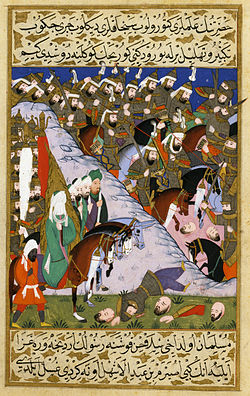
メッカ奪還と晩年
数々の衝突と外交交渉(フダイビーヤ条約など)を経て、630年にムハンマドはほぼ無血でメッカに入城しました。彼はカアバ神殿にある偶像を破壊し、そこを純粋な一神教の礼拝所へと戻しました。
![The Kaaba in Mecca long held a major economic and religious role for the area. Seventeen months after Muhammad's arrival in Medina, it became the Muslim direction for prayer (qibla). The Kaaba has been rebuilt several times; the present structure, built in 1629, is a reconstruction of an earlier building dating to 683.[266]](/images/60/3e/603ee4300d0f07a5ca24ec5842257ede63f45360f057bfe798deff4666ad106a.jpg)
![Muhammad at the Ka'ba from the Siyer-i Nebi.[369] Muhammad is shown with veiled face, c. 1595.](/images/bd/24/bd2428673997080f0c5fa562476987b3300eefc9511759db187f782af70d88cc.png)
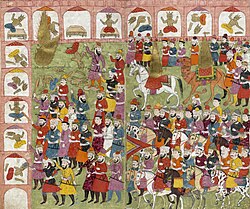
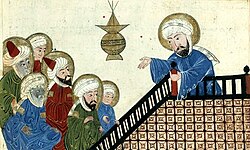
その後、アラビア半島の多くの部族がイスラム教に帰依し、ムハンマドは宗教的・政治的な統一を成し遂げました。632年、彼は最後の大巡礼(告別巡礼)を行い、信者たちに重要な説教を残した後、メディナでその生涯を閉じました。
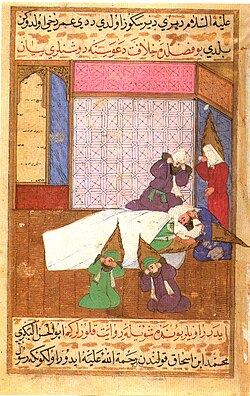
彼の没後、その遺志を継いだ正統カリフたちが、ビザンツ帝国やササン朝ペルシアに匹敵する広大な領域へとイスラムの版図を拡大させていきました。
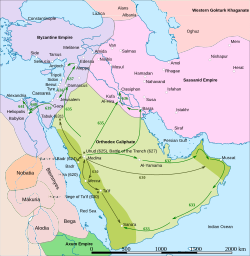
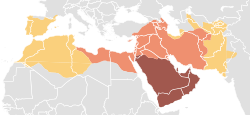
ムハンマドの遺産と影響
ムハンマドの言行録であるハディースは、クルアーンに次ぐ重要な法源となり、ムスリムの日常生活や法体系(シャリーア)の基礎となりました。また、彼の人生を記録した初期の文献や、マリク・イブン・アナスの『ムワッタ』のような法学書は、イスラム法学の発展に寄与しました。
![Early manuscript of the Muwatta of Malik ibn Anas, dated within his lifetime c. 780[12]: 114](/images/cc/18/cc18439c86ae1b33314832949f995cfd19f1318ec02d855571728aae9b2150ee.jpg)
現在、彼が埋葬されているメディナの預言者のモスクは、世界中のムスリムにとって聖地の一つとなっており、彼の精神的な指導力は今なお世界中で受け継がれています。
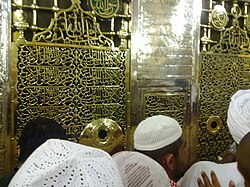
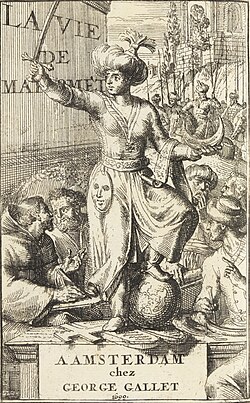
一方で、西洋の歴史的な視点からは、時代によって異なる解釈がなされてきました。中世から近世にかけてのヨーロッパでは、偏見に基づいた描写がなされた時期もありましたが、現代では世界史における極めて影響力の強い指導者として評価されています。
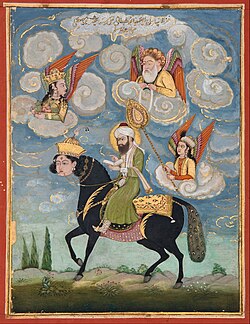
![Dome of the Rock, built during the reign of Abdul Malik. Anachronistically associated[j] with the Isra and Miraj, it is believed to be the specific place where the Prophet Muhammad have ascended to heaven.[157]](/images/12/85/1285d6c6fbbf0c9dad23d24c02e2ee2bf5b42373c5075bd6fd7c40225df8559f.jpg)
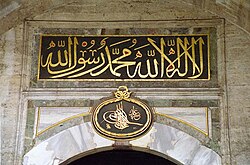
![Calligraphic rendering of "may God honor him and grant him peace", customarily added after Muhammad's name, encoded as a ligature at Unicode code point U+FDFA[360] ﷺ](/images/7b/18/7b181f752c9c0c9214ab94b94950da473fa8f4d63f37dffd04482d72ad530770.webp)
概要まとめ
| 時期/年 | 出来事 | 意義・内容 |
|---|---|---|
| 570年頃 | 誕生 | メッカのクライシュ族に生まれる |
| 610年 | 最初の啓示 | ヒラー洞窟にて天使ジブリールから神の言葉を受ける |
| 622年 | ヒジュラ | メッカからメディナへ移住し、イスラム暦の起点となる |
| 624-627年 | 主要な戦い | バドル、ウフド、塹壕の戦いなどを経て共同体を防衛 |
| 630年 | メッカ征服 | 故郷メッカを奪還し、カアバ神殿を浄化する |
| 632年 | 没年 | 告別巡礼の後、メディナにて死去 |
Frequently Asked Questions
ムハンマドは神として崇拝されているのですか?
いいえ。イスラム教においてムハンマドはあくまで「神の使者(預言者)」であり、人間です。神(アッラー)のみが崇拝の対象であり、ムハンマドを神格化することは厳格に禁じられています。
「ヒジュラ」とは具体的に何を指しますか?
622年にムハンマドと初期の信者たちが、迫害の激しいメッカを離れ、彼らを歓迎したヤスリブ(後のメディナ)へ移住した出来事を指します。これがイスラム共同体の政治的基盤を築くきっかけとなりました。
クルアーンとハディースの違いは何ですか?
クルアーンは神からムハンマドに直接下された「神の言葉」とされる聖典です。一方、ハディースはムハンマド自身の言動や承認した事柄を記録した「伝承」であり、クルアーンの解釈や実践の指針として用いられます。
ムハンマドの没後、誰が指導者になったのですか?
彼の没後、アブー・バクル、ウマル、ウスマーン、アリーの4人が順に指導者(カリフ)となり、「正統カリフ時代」と呼ばれました。この時期にイスラム教はアラビア半島を超えて急速に拡大しました。
イスラム教におけるムハンマドの肖像画について教えてください。
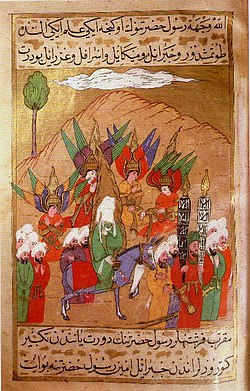
イスラム教には偶像崇拝を禁じる伝統(アニコニズム)があるため、特にスンニ派では預言者の顔を描くことは避けられます。そのため、多くの写本では顔にベールをかけたり、光の輪(炎)として表現したりする手法が取られています。
References
- ; : مُحَمَّد, : Muḥammad, 'praiseworthy'; Arabic pronunciation:
- , p. 63, gives 8 June 632 CE, the dominant Islamic tradition. Many earlier (primarily non-Islamic) traditions refer to him as still alive at the time of the (634–638 CE).
- According to , writing for the Oxford Encyclopedia of the Islamic World: "The Prophet of Islam was a religious, political, and social reformer who gave rise to one of the great civilizations of the world. From a modern, historical perspective, Muḥammad was the founder of Islam. From the perspective of the Islamic faith, he was God's Messenger (rasūl Allāh), called to be a 'warner,' first to the Arabs and then to all humankind."
- Western historians describe the purpose of these early biographies as largely to convey a message—of a nature—rather than to strictly and accurately record history. examines the early sirah books and sees that the dates of Muhammad's birth span a period of up to 85 years. Conrad defines this as: "the fluidity (evolutionary process) continued even in the written period."
- Modern historians don't take the Family tree as a fact. In the pre-Islamic (and early Islamic) period, genealogical trees were a product of the of the , shaped according to social needs and the interests of the listeners. Contemporary historiography unveiled the lack of inner coherence of this genealogical system and demonstrated that it finds insufficient matching evidence; the distinction between and Adnanites is believed to be a product of the , when the war of factions (al-niza al-hizbi) was raging in the young Islamic Empire.
- See also Quran 43:31 cited in EoI; Muhammad.
- Recent studies, however, challenge this notion, as other evidence suggests that the expedition, if it had occurred, would have transpired substantially before Muhammad's birth. Later Muslim scholars presumably linked Abraha's renowned name to the narrative of Muhammad's birth to elucidate the unclear passage about "the men of elephants" in Quran 105:1–5.
- The aforementioned Islamic histories recount that as Muhammad was reciting Sūra Al-Najm (Q.53), as revealed to him by the archangel Gabriel, Satan tempted him to utter the following lines after verses 19 and 20: "Have you thought of Allāt and al-'Uzzā and Manāt the third, the other; these are the exalted Gharaniq, whose intercession is hoped for." (Allāt, al-'Uzzā and Manāt were three goddesses worshiped by the Meccans.) Cf. Ibn Ishaq, A. Guillaume p. 166.
- "Apart from this one-day lapse, which was excised from the text, the Quran is simply unrelenting, unaccommodating and outright despising of paganism." (Jonathan E. Brockopp, The Cambridge Companion to Muhammad, p. 35.)
- "When the Quraish disbelieved me (concerning my night journey), I stood up in Al- Hijr (the unroofed portion of the Ka`ba) and Allah displayed before me, and I started to inform them (Quraish) about its signs while looking at it."
📸 フォトギャラリー