世界人口の約25.6%を占め、約20億人が信仰するイスラム教は、唯一神アッラーへの絶対的な帰依を説くアブラハム系の一神教です。信仰者はムスリムと呼ばれ、彼らが形成する共同体はウンマとして知られています。この宗教は単なる信仰体系にとどまらず、法、倫理、社会制度を含む包括的な生活様式を提示しています。
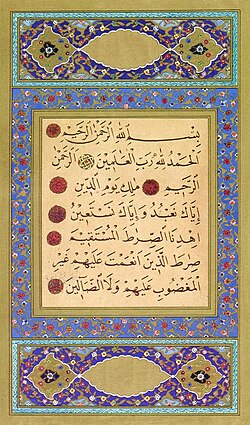
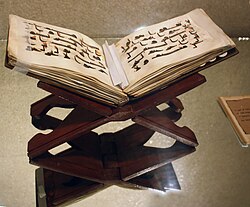
イスラム教の核心は、神の唯一性と絶対的な権威を認めることにあります。この信仰は、預言者ムハンマドを通じてもたらされた神の言葉である聖典クルアーンに基づいています。
Key Facts
- 創始者: 預言者ムハンマド(610年頃に啓示を受ける)
- 聖典: クルアーン(コーラン)およびハディース(言行録)
- 核心的信仰: 唯一神(タウヒード)への信仰
- 主要な義務: 五行(信仰告白、礼拝、喜捨、断食、巡礼)
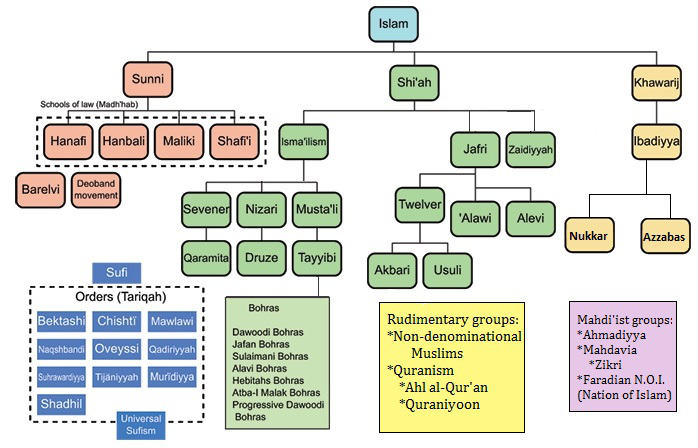
- 主要な宗派: スンニ派、シーア派、イバード派など
- 世界的な普及: 世界人口の約4分の1が信仰する世界宗教の一つ
信仰の柱と実践
ムスリムの生活は、信仰の根幹となる「五行」と呼ばれる5つの義務を中心に構成されています。これらは神への忠誠心を示し、精神的な浄化と社会的な連帯を深めるための実践です。
五行の詳細
- 信仰告白(シャハーダ): 「アッラーの他に神はなく、ムハンマドは神の使徒である」と宣言すること。
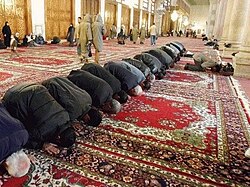
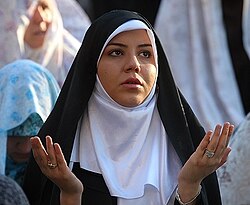
- 礼拝(サラー): 1日5回、聖地メッカの方向に向かって祈りを捧げます。
- 喜捨(ザカート): 余裕のある者が貧しい人々へ財産の一部を寄付する社会福祉的な義務です。
- 断食(サウム): ラマダン月の日出から日没まで、飲食を断ち精神を研ぎ澄ませます。
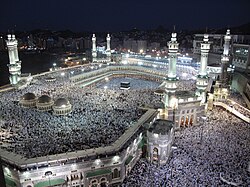
- 巡礼(ハッジ): 生涯に一度、能力のある者が聖地メッカを訪れることです。

その他の信仰要素
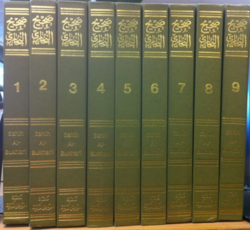
五行以外にも、ムスリムは天使の存在、神が遣わした諸預言者、審判の日、そして神による定命(天命)を信じます。また、聖典クルアーンだけでなく、ムハンマドの言行を記録したハディースが、信仰や法解釈の重要な根拠となります。
イスラム教の歴史と展開
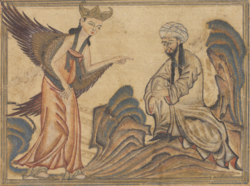
イスラム教は7世紀初頭、現在のサウジアラビアにあるジャバル・アッヌール(光の山)のヒラー洞窟にて、ムハンマドが天使ガブリエルから最初の啓示を受けたことに始まります。
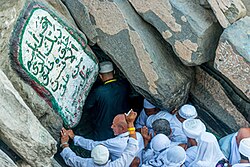
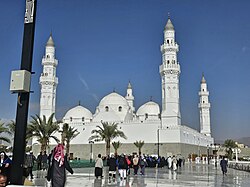
その後、ムハンマドはメッカからメディナへ移住(ヒジュラ)し、そこで初のモスクを建設して共同体を築きました。彼の没後、正統カリフ時代を経て、イスラム勢力は急速に拡大し、ウマイヤ朝やアッバース朝などの帝国を形成しました。この過程で、科学、哲学、医学などの学問が飛躍的に発展した「イスラムの黄金時代」が訪れました。
!["Muhammad at the Ka'ba" from the Siyer-i Nebi.[130] Muhammad is shown with veiled face, c. 1595.](/images/c9/9f/c99f786abe736a76f5dd4eb293350231722045e4c4c22049ce4536fae69af8a5.jpg)

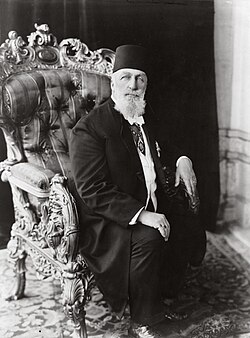
歴史の過程で、指導者の継承問題を巡り、スンニ派とシーア派という大きな分派が生じました。その後、オスマン帝国などの強力な国家を経て、現代の多様なイスラム諸国へと繋がっています。
法と社会、文化的な多様性
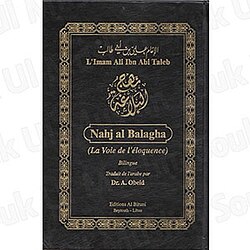
イスラム社会の指針となるのがシャリーア(イスラム法)です。これはクルアーンとスンナ(預言者の慣行)に基づき、個人の礼拝から家族法、経済活動に至るまで、人生のあらゆる側面を規定しています。
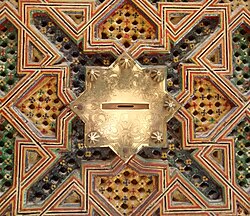
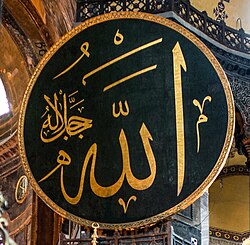
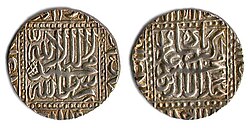
また、イスラム教は単一の文化ではなく、地域ごとに多様な形態をとっています。ペルシャ、トルコ、インド、アフリカなどの文化と融合し、独自の建築様式や芸術、哲学を発展させました。特に、神を形として描くことを禁じるため、幾何学模様やアラビア文字を用いたカリグラフィーが高度に発達しました。
![A 15th-century[60] Persian miniature depicting Muhammad leading Abraham, Moses, Jesus and other prophets in prayer](/images/d6/96/d6965dc47cf32d022733ce47845c381e54fc5be2f9c8e88a0db7004228816b65.jpg)

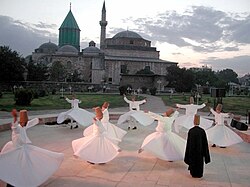
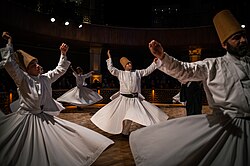
精神的な探求を重視するスーフィズム(神秘主義)は、瞑想や舞踊などを通じて神との合一を目指し、多くの信者に影響を与えています。
![Islamic schools of law in the Muslim world[citation needed]](/images/18/6b/186b13c85d68f98562f77beb32d6db415ff81ad8dc03b667746533cf8b0bc2bb.png)
現代におけるイスラム教
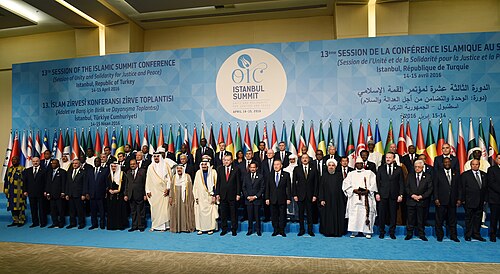
今日、イスラム教は中東だけでなく、インドネシアやパキスタン、アフリカ諸国など世界中に広がっています。現代のムスリムは、伝統的な価値観を維持しながら、民主主義や人権、科学技術といった現代社会の課題と向き合っています。
![Global percentage of adherents by religion. Muslims comprise about 25.6% of the world's population, a slightly smaller percentage than Christians.[294]](/images/67/7b/677b41aa7fc77cb6e6710b46060278be06de50437a9eb9c479a615ae9d0fd0cc.webp)
![World percentage of Muslims by country (2010)[295]: 234–245](/images/20/0b/200b246dcf339545e392c797b273de054100bbb52637b782d81fdbabe040163b.webp)

![John of Damascus, under the Umayyad Caliphate, viewed Islamic doctrines as a hodgepodge from the Bible.[513]](/images/b5/0a/b50aea53507d6de0d7f8c67c662ea734f000673fa51afa0259a68abcdfd93046.gif)
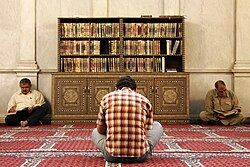
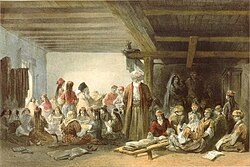
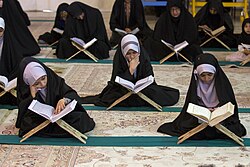
教育の場であるマドラサや、地域社会の拠点であるモスクは、今なお信仰とコミュニティを維持する重要な役割を果たしています。
イスラム教の概要まとめ
| 項目 | 内容 |
|---|---|
| 信仰の対象 | 唯一神アッラー |
| 聖典 | クルアーン(コーラン) |
| 主要な義務 | 五行(信仰告白、礼拝、喜捨、断食、巡礼) |
| 主要宗派 | スンニ派、シーア派 |
| 生活指針 | シャリーア(イスラム法) |
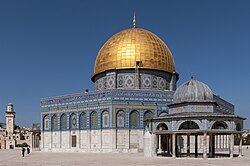
| 聖地 | メッカ(カアバ神殿)、メディナ、エルサレム |
Frequently Asked Questions
スンニ派とシーア派の違いは何ですか?
主に預言者ムハンマドの没後の後継者(カリフ)を誰が務めるべきかという見解の違いから分かれました。スンニ派は共同体の合意による選出を重視し、シーア派はムハンマドの血縁者(特に従兄弟で婿のアリー)こそが正当な後継者であると信じています。
クルアーンとハディースはどう違うのですか?
クルアーンは神からムハンマドに直接下された「神の言葉」であり、絶対的な権威を持ちます。一方、ハディースはムハンマドの言動や習慣を弟子たちが記録したもので、クルアーンの解釈や具体的な生活実践のガイドとして利用されます。
ラマダンとは具体的にどのような期間ですか?
イスラム暦の第9月であり、ムスリムが断食を行う聖なる月です。日出から日没まで飲食を断つことで、忍耐力を養い、貧しい人々の苦しみを理解し、神への信仰を深める期間とされています。
シャリーア(イスラム法)はどのような役割を果たしていますか?
シャリーアは単なる法律ではなく、ムスリムが神の意向に沿って生きるための包括的な道しるべです。礼拝などの宗教的義務から、結婚、相続、商取引などの社会的なルールまでを幅広くカバーしています。
ハッジ(巡礼)は誰が、いつ行うものですか?
身体的・経済的に可能な能力を持つすべてのムスリムに、生涯に一度課せられている義務です。イスラム暦の特定の時期に、聖地メッカを訪れ、カアバ神殿を回るなどの儀式を行います。
References
- ; : الإسلام, : al-Islām, IPA: , lit. 'submission [to the ]'
- "Hasan al Basri is often considered one of the first who rejected an angelic origin for the devil, arguing that his fall was the result of his own free-will, not God's determination. Hasan al Basri also argued that angels are incapable of sin or errors and nobler than humans and even prophets. Both early Shias and Sunnis opposed his view.
- "In recent years, the idea of syncretism has been challenged. Given the lack of authority to define or enforce an Orthodox doctrine about Islam, some scholars argue there had no prescribed beliefs, only prescribed practise, in Islam before the 16th century.
- Some Muslims in dynastic era China resisted of girls for the same reason.
📸 フォトギャラリー