Safaitic inscription
← ホームへ戻る
アラビア語現代標準アラビア語セム語派アラビア文字ディグロシア

アラビア語の歴史と構造古典から現代の多様な方言まで

🗓 2026年8月11日

アラビア語は、中東および北アフリカを中心に、世界中で数億人が使用する極めて影響力の強い言語です。アフロ・アジア語族のセム語派に属し、宗教的な権威を持つ古典的な形態から、地域ごとに分化した多様な口語まで、重層的な構造を持っています。本記事では、その成り立ちから独特の文法体系、そして現代における役割までを詳しく解説します。

主要な事実(Key Facts)

  • 話者数: ネイティブスピーカーは約4億1,100万人(2020-2024年推計)、第二言語としての利用者も約7,000万人に達します。
  • 公用語: サウジアラビア、エジプト、アルジェリアなど24の国と地域で公用語として採用されています。
  • 言語体系: 3つの子音からなる「ルート(根)」を基に単語を派生させる独特の形態論を持ちます。
  • 文字: 右から左へ書き進めるアラビア文字を使用し、芸術的なカリグラフィーとしても発展しました。
  • 分布: アラブ連盟加盟国を中心に、アフリカからアジアにかけて広く分布しています。

アラビア語の歴史的変遷

アラビア語の起源は古く、初期の形態である「古アラビア語」から発展しました。初期の碑文には、サファイト文字などの古い表記形式が見られます。
Safaitic inscription

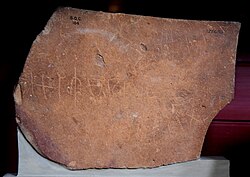
その後、ナバテア文字の影響を受けて現在のアラビア文字の原型が形成されました。例えば、ラフミド朝の王イムル・アルカイス1世の碑文は、現代の文字への直接的な先駆けと考えられています。

The Namara inscription of the Lakhmid king Imru al-Qays I ibn Amr, a sample of Nabataean script, considered a direct precursor of Arabic script[46][67]

7世紀になると、イスラム教の聖典であるクルアーン(コーラン)の出現により、言語としての標準化が急速に進みました。初期のヒジャーズ方言で記されたクルアーンは、後の古典アラビア語の基盤となりました。
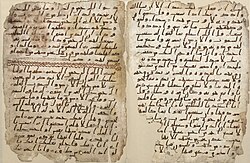
Arabic from the Quran in the old Hijazi dialect (Hijazi script, 7th century AD)

クルアーンは単なる宗教書ではなく、アラビア語の文法や語彙の究極の参照点として、時代を超えて機能し続けています。
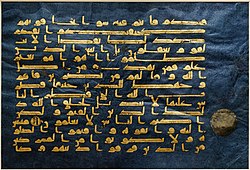
The Qur'an has served and continues to serve as a fundamental reference for Arabic. (Maghrebi Kufic script, Blue Qur'an, 9th–10th century.)

文字体系も進化を遂げました。当初は点や記号のない単純な形式でしたが、アッバース朝時代に母音を示す赤い点や、似た形の文字を区別するための黒い点が導入され、現在の精緻な表記法へと至りました。
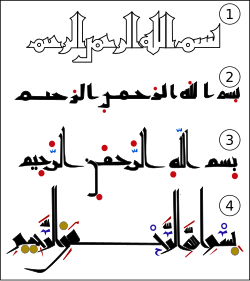
Evolution of early Arabic script (9th–11th century), with the Basmala as an example, from kufic Qur'ān manuscripts: (1) Early 9th century, script with no dots or diacritic marks;(2) and (3) 9th–10th century under the Abbasid dynasty, Abu al-Aswad's system established red dots with each arrangement or position indicating a different short vowel; later, a second black-dot system was used to differentiate between letters like fā' and qāf; (4) 11th century, in al-Farāhidi's system (system used today) dots were changed into shapes resembling the letters to transcribe the corresponding long vowels.

現代における言語の二重構造(ディグロシア)

現代のアラビア語の最大の特徴は、ディグロシア(二言語併用状態)と呼ばれる現象です。これは、書き言葉や公式な場での「現代標準アラビア語(MSA)」と、日常生活で使われる「地域方言(アミヤ)」が明確に使い分けられている状態を指します。

現代標準アラビア語 (MSA)

ニュース、書籍、公式文書、教育などで使用される共通語です。古典アラビア語をベースに現代的な語彙を加えたもので、アラブ世界全域で理解されます。
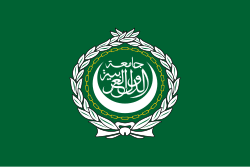
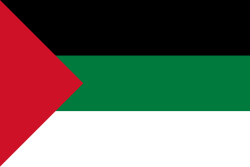
Flag of the Arab League, used in some cases for the Arabic language
Flag used in some cases for the Arabic language (Flag of the Kingdom of Hejaz 1916–1925). The flag contains the four Pan-Arab colors: black, white, green and red.

地域的な方言の多様性

一方で、口語レベルでは地域によって大きな差異があります。大きく分けると、マグレブ(北アフリカ)、エジプト、レバント(東地中海沿岸)、メソポタミア、半島部などのグループに分類されます。これらの方言は、互いに理解しにくい場合があるほど多様です。
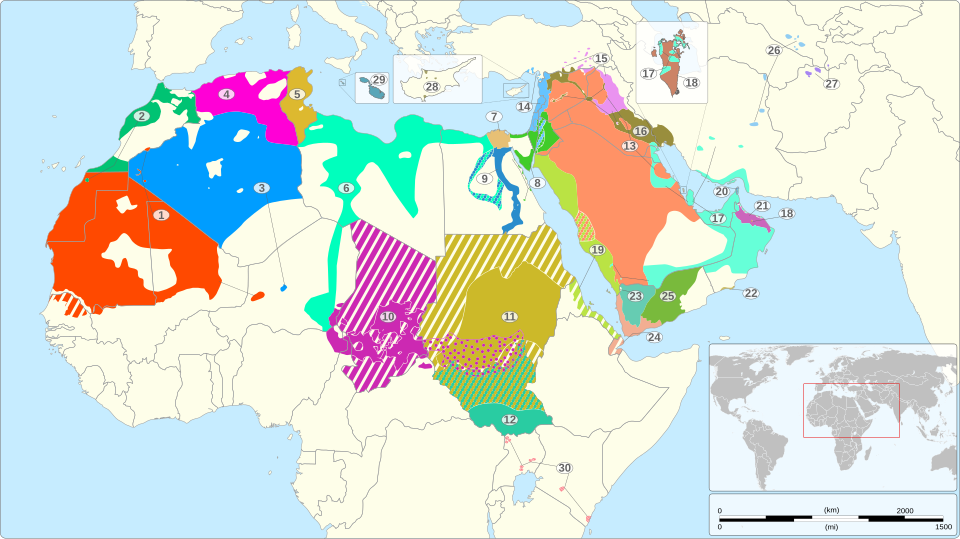
Geographical distribution of the varieties of Arabic per Ethnologue and other sources: 1: Hassaniyya 2: Moroccan Arabic 3: Algerian Saharan Arabic 4: Algerian Arabic 5: Tunisian Arabic 6: Libyan Arabic – Western Egyptian Bedawi Arabic 7: Egyptian Arabic 8: Eastern Egyptian Bedawi Arabic 9: Saidi Arabic 10: Chadian Arabic 11: Sudanese Arabic 12: Sudanese Creole Arabic 13: Najdi Arabic 14: Levantine Arabic 15: North Mesopotamian Arabic 16: Mesopotamian Arabic 17: Gulf Arabic 18: Baharna Arabic 19: Hijazi Arabic 20: Shihhi Arabic 21: Omani Arabic 22: Dhofari Arabic 23: Sanaani Arabic 24: Ta'izzi-Adeni Arabic 25: Hadrami Arabic 26: Uzbeki Arabic 27: Tajiki Arabic 28: Cypriot Arabic 29: Maltese 30: Nubi Sparsely populated area or no indigenous Arabic speakersSolid area fill: variety natively spoken by at least 25% of the population of that area or variety indigenous to that area onlyHatched area fill: minority scattered over the areaDotted area fill: speakers of this variety are mixed with speakers of other Arabic varieties in the area

独特な言語構造と文法

アラビア語の最もユニークな点は、三子音根(ルート)というシステムです。ほとんどの単語は3つの基本子音から成り、その間に特定の母音を挿入したり接頭辞・接尾辞を付けたりすることで、意味を派生させます。

例えば、「k-t-b(書く)」というルートから、「書いた(katabtu)」「本(kitāb)」「図書館(maktabah)」といった関連語が論理的に生成されます。
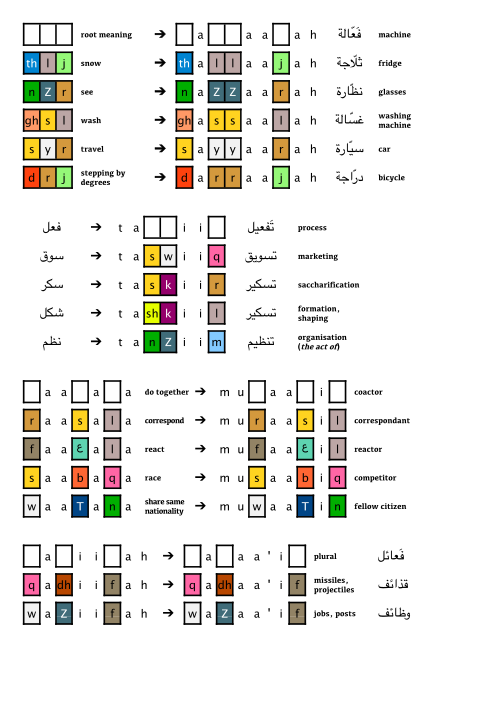
Examples of how the Arabic root and form system works

動詞の形態変化

動詞は、過去形と非過去形(現在・未来)の2つの主要な形態を持ち、さらに「形式(Form)」と呼ばれるパターンを適用することで、使役や相互的な意味へと変化させることができます。

文字と芸術としてのカリグラフィー

アラビア文字は、単なる伝達手段を超えて、高度な芸術形式であるカリグラフィーへと昇華されました。11世紀頃には、流麗な筆致の草書体( cursive script)が登場し、写本などの装飾に用いられました。
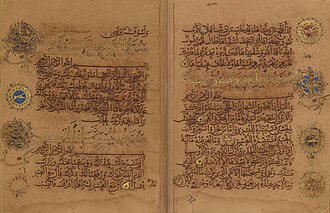
A copy of the Qur'an by Ibn al-Bawwab in the year 1000/1001 CE, thought to be the earliest existing example of a Qur'an written in a cursive script.

この芸術性は現代にも受け継がれており、イスラム圏のみならず、マレーシアなどの非アラブ圏のムスリム社会においても、宗教的・芸術的な表現として深く根付いています。
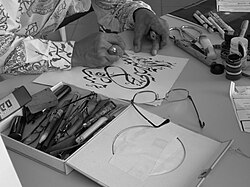
Arabic calligraphy written by a Malay Muslim in Malaysia. The calligrapher is making a rough draft.

アラビア語の概要まとめ

アラビア語の基本特性一覧
項目 詳細
言語系統 アフロ・アジア語族 > セム語派 > 中央セム語
主な話者数 ネイティブ約4.11億人 / L2ユーザー約7,000万人
主要な形態 現代標準アラビア語(MSA)、古典アラビア語、地域方言
表記方向 右から左(Right-to-Left)
文法上の特徴 三子音根システムによる単語派生

よくある質問(FAQ)

現代標準アラビア語と方言はどれくらい違いますか?

非常に大きな差があります。標準語は教育やメディアで使われる「書き言葉」に近い形式であり、方言は家庭や街中で使われる「話し言葉」です。地域によっては、標準語を理解できても、他地域の方言は全く聞き取れないというケースもあります。

アラビア文字を学ぶのは難しいですか?

アルファベット28文字で構成されており、文字の配置(語頭・語中・語末)によって形状が変化するのが特徴です。また、母音記号が通常は省略されるため、単語の知識がないと読むのが難しい側面がありますが、体系的なルールに基づいています。

三子音根(ルート)システムとは何ですか?

3つの基本となる子音(ルート)を核として、特定のパターン(型)に当てはめることで、動詞、名詞、形容詞などを効率的に作り出す仕組みです。これにより、語源的に関連のある単語を容易に導き出すことができます。

アラビア語はどの国で使われていますか?

主に中東と北アフリカの24カ国で公用語となっています。サウジアラビア、エジプト、イラク、モロッコなどが代表的です。また、イスラム教の聖典の言語であるため、宗教的な文脈で世界中で使用されています。

References

  1. The constitution of the Islamic Republic of Iran recognizes the Arabic language as the language of Islam, giving it a formal status as the language of religion, and regulates its spreading within the Iranian national curriculum. The constitution declares in Chapter II: (The Official Language, Script, Calendar, and Flag of the Country) in Article 16 "Since the language of the Qur`an and Islamic texts and teachings is Arabic, ..., it must be taught after elementary level, in all classes of secondary school and in all areas of study."
  2. The basic law of Israel states that "The Arabic language has a special status in the state; Regulating the use of Arabic in state institutions or by them will be set in law."
  3. The constitution of the Islamic Republic of Pakistan states in Article 31 No. 2 that "The State shall endeavour, as respects the Muslims of Pakistan (a) to make the teaching of the Holy Quran and Islamiat compulsory, to encourage and facilitate the learning of Arabic language ..."
  4. endonym: اَلْعَرَبِيَّةُ, al-ʿarabiyyah, pronounced , or عَرَبِيّ, ʿarabiyy, pronounced or

📸 フォトギャラリー

Safaitic inscription
The Namara inscription of the Lakhmid king Imru al-Qays I ibn Amr, a sample of Nabataean script, considered a direct precursor of Arabic script[46][67]
Flag of the Arab League, used in some cases for the Arabic language
Flag used in some cases for the Arabic language (Flag of the Kingdom of Hejaz 1916–1925). The flag contains the four Pan-Arab colors: black, white, green and red.
Arabic from the Quran in the old Hijazi dialect (Hijazi script, 7th century AD)
The Qur'an has served and continues to serve as a fundamental reference for Arabic. (Maghrebi Kufic script, Blue Qur'an, 9th–10th century.)
Evolution of early Arabic script (9th–11th century), with the Basmala as an example, from kufic Qur'ān manuscripts: (1) Early 9th century, script with no dots or diacritic marks;(2) and (3) 9th–10th century under the Abbasid dynasty, Abu al-Aswad's system established red dots with each arrangement or position indicating a different short vowel; later, a second black-dot system was used to differentiate between letters like fā' and qāf; (4) 11th century, in al-Farāhidi's system (system used today) dots were changed into shapes resembling the letters to transcribe the corresponding long vowels.
Geographical distribution of the varieties of Arabic per Ethnologue and other sources: 1: Hassaniyya 2: Moroccan Arabic 3: Algerian Saharan Arabic 4: Algerian Arabic 5: Tunisian Arabic 6: Libyan Arabic – Western Egyptian Bedawi Arabic 7: Egyptian Arabic 8: Eastern Egyptian Bedawi Arabic 9: Saidi Arabic 10: Chadian Arabic 11: Sudanese Arabic 12: Sudanese Creole Arabic 13: Najdi Arabic 14: Levantine Arabic 15: North Mesopotamian Arabic 16: Mesopotamian Arabic 17: Gulf Arabic 18: Baharna Arabic 19: Hijazi Arabic 20: Shihhi Arabic 21: Omani Arabic 22: Dhofari Arabic 23: Sanaani Arabic 24: Ta'izzi-Adeni Arabic 25: Hadrami Arabic 26: Uzbeki Arabic 27: Tajiki Arabic 28: Cypriot Arabic 29: Maltese 30: Nubi Sparsely populated area or no indigenous Arabic speakersSolid area fill: variety natively spoken by at least 25% of the population of that area or variety indigenous to that area onlyHatched area fill: minority scattered over the areaDotted area fill: speakers of this variety are mixed with speakers of other Arabic varieties in the area
A copy of the Qur'an by Ibn al-Bawwab in the year 1000/1001 CE, thought to be the earliest existing example of a Qur'an written in a cursive script.
Examples of how the Arabic root and form system works
Arabic calligraphy written by a Malay Muslim in Malaysia. The calligrapher is making a rough draft.