夜空を見上げると、地平線に近い位置にある満月が、天高く昇ったときよりもずっと大きく見えることがあります。この不思議な現象はムーン・イリュージョン(月の錯視)と呼ばれ、古くから世界中の多くの文化で記録されてきました。しかし、実際には月の大きさは変わっていないにもかかわらず、私たちの脳がそのように認識してしまいます。
この現象は月だけでなく、日の出や日の入り、あるいは特定の星座など、他の天体でも同様に観察されます。なぜこのような錯覚が起きるのか、そのメカニズムは現代の心理学や視覚研究においても完全な合意に至っていない、非常に興味深い謎の一つです。
![When the Moon is close above the horizon, the Moon illusion may cause it to appear larger, and Rayleigh scattering can impart a red color.[1]](/images/06/b6/06b6ff4bc64cf436d48eb78e2c524081273799d9322f0814830c481ec9ac2f82.jpg)
Key Facts
- 物理的なサイズは不変:地平線付近の月と天頂付近の月で、視角(目に見える角度)にほとんど差はない。
- わずかな距離の差:地平線にある時は天頂にある時より約1.5%遠くなるが、これは見た目の巨大化を説明できる数値ではない。
- 脳の処理による錯覚:物理的な光学現象ではなく、脳が距離や周囲の環境をどう解釈するかという心理的な要因が強い。
- 個体差がある:ほとんどの人が大きく感じると答えるが、一部の人は距離感や大きさの変化を異なる形で認識する。
月が「大きくなっていない」ことを証明する方法
多くの人が「地平線の月は本当に大きい」と感じますが、科学的な測定ではそれが錯覚であることが証明されています。経緯儀などの測定器を用いると、月が昇る際も沈む際も、目に対する月の直径(視角)は一定であることがわかります。また、異なる高度で撮影した写真を見比べても、月のサイズに変化はありません。
自宅で簡単に試せる方法として、「小さな石(直径約8.4mm程度)」を腕を伸ばした状態で片目でかざし、高い位置にある月を隠してみるという実験があります。その後、地平線付近にある「巨大に見える月」に同じ石をかざすと、驚くことに同じ石で完全に隠れてしまいます。これにより、月の見かけの大きさが実際には変わっていないことが分かります。
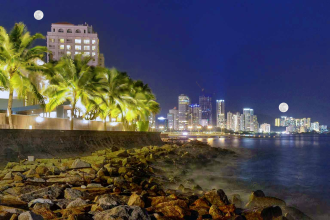
なお、月自体の見かけの大きさが変動する場合もあります。月の軌道は楕円であるため、地球に最も近づく「近地点」と最も遠ざかる「遠地点」では、直径に約14%(面積で約30%)の差が生じます。しかし、これは数日かけて起こる変化であり、一晩の昇降で起こるムーン・イリュージョンとは別の現象です。
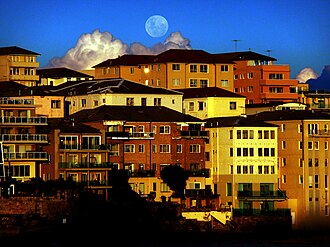
なぜ脳は「大きい」と勘違いするのか?
視覚的なサイズ認識には、単なる「視角(網膜に映る大きさ)」だけでなく、脳が判断する「物理的なサイズ」が関わっています。例えば、同じ大きさの物体が2つあり、一方が遠くにある場合、脳は「遠くにあるのにこの大きさに見えるということは、実際にはもっと巨大なはずだ」と補正して認識します(サイズ恒常性)。
見かけの距離仮説(Apparent Distance Hypothesis)
この説では、脳が地平線付近の空を、天頂方向よりも「遠い」と感じていることが原因だと考えられています。地平線付近には建物や木々などの風景があり、それらが遠くへ向かって収束していくため、脳は月もそれらと同じ遠方にあると判断します。しかし、網膜に映る月のサイズは変わらないため、脳は「遠くにあるのにこのサイズに見える=物理的に巨大である」と結論づけてしまうという仕組みです。これはポンゾ錯視に似た原理です。
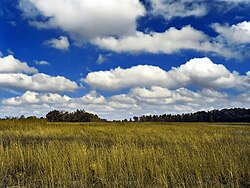
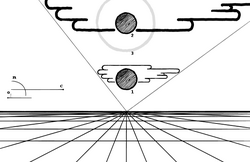
相対的なサイズ仮説(Relative Size Hypothesis)
もう一つの有力な説は、周囲にある比較対象の影響を重視するものです。地平線付近では、詳細な形状を持つ建物や木々など、比較対象となる小さな物体が視界に入ります。一方で、天頂付近の月は広大な空にぽつんと存在しており、比較対象がありません。このように、周囲に小さなものが集まっていると中心のものが大きく見えるエビングハウス錯視のような効果が働いているという考え方です。

その他の説と歴史的視点
かつては、目の位置や頭の角度が変わることで視覚が変わるという「注視角仮説」もありましたが、現在は支持者が少なくなっています。歴史を遡ると、プトレマイオスやイブン・アル・ハイサムといった古代・中世の学者たちが、大気の屈折や距離感について考察していました。17世紀頃には、これが光学的な問題ではなく心理的な現象であるという認識が広まり、カントやショーペンハウアーといった哲学者たちもこの現象に言及しています。
ムーン・イリュージョンのまとめ
| 理論名 | 主な原因 | メカニズムの概要 |
|---|---|---|
| 見かけの距離仮説 | 地形や遠近感 | 地平線を「遠い」と感じるため、脳がサイズを上方修正する。 |
| 相対的サイズ仮説 | 周囲の比較対象 | 小さな建物や木々と比較されることで、相対的に大きく見える。 |
| 注視角仮説 | 視線の角度 | 頭の傾きや目の位置の変化が影響する(現在は支持が低い)。 |
| 大気屈折説 | 光の屈折 | 大気による光の曲がりが影響する(物理的なサイズ変化は説明できない)。 |
Frequently Asked Questions
地平線の月が大きく見えるのは、大気のレンズ効果によるものですか?
いいえ、大気の屈折によって月がわずかに歪んだり色が赤く見えたりすることはありますが、サイズが劇的に大きく見える原因ではありません。物理的な測定ではサイズは変わっておらず、脳による心理的な錯覚であることが分かっています。
誰にでもこの現象は起こりますか?
多くの人がこの錯視を体験しますが、すべての人に同じように起こるわけではありません。調査によると、約90%の人が「大きく、かつ近くに見える」と感じますが、中には「大きく見えるが距離は変わらない」と感じる人や、全く錯視を感じない人も存在します。
月以外の天体でも同じことが起きますか?
はい。太陽の出や入り、あるいは地平線に近い位置にある星座などでも、同様に大きく見える現象が報告されています。これは特定の天体の性質ではなく、人間の視覚システムの特性によるものです。
この錯覚をなくす方法はありますか?
視覚的な手がかりを排除することで軽減されます。例えば、地平線の月を逆さまに見てみたり、周囲の風景が見えないようにして月だけを観察したりすると、大きく見える感覚が弱まることが研究で示されています。
References
- Percy, John (27 September 2010). "Why is the harvest moon so big and orange?". . Archived from the original on 3 March 2016. Retrieved 9 January 2015.
- Wade, Nicholas J (1998). A natural history of vision. A Bradford Book. Cambridge MA, London, UK: . p. 377 ff. .
- Ross, Helen E.; Plug, Cornelis (2002). The mystery of the moon illusion. Oxford, New York: . .
- Hershenson, Maurice (2013). The Moon illusion. .
- McCready, Don (10 November 2004). "Finally! Why the Moon Looks Big at the Horizon and Smaller When Higher Up" (PDF). Psychology Department, University of Wisconsin-Whitewater. Retrieved 2 December 2015.
- "Why Does the Moon Look Larger at the Horizon? We Asked a NASA Scientist: Episode 50". NASA. 12 February 2025. Retrieved 16 August 2025.
- "Large and small full moons". . .
- Helen Ross; Cornelis Plug (2002). The Mystery of The Moon Illusion. USA: Oxford University Press. p. 180.
- Good, Gregory (1998). Sciences of the Earth: An Encyclopedia of Events, People, and Phenomena. . p. 50. .
- Robinson, J.O. (1998). The Psychology of Visual Illusion. . p. 55. .
📸 フォトギャラリー