私たちは自分の目で見たものはすべて真実だと思いがちですが、実際には視覚システムが現実とは異なる解釈を下すことがあります。これが錯視(さくし)と呼ばれる現象です。錯視は単なる「目の錯覚」ではなく、光の物理的な性質や、網膜から脳へ伝わる信号の処理、そして過去の経験に基づく脳の推論などが複雑に絡み合って起こります。
リチャード・グレゴリーによる分類では、錯視は大きく「物理的」「生理的」「認知的」の3つのカテゴリーに分けられ、それぞれがさらに曖昧さ、歪み、矛盾、虚構という形態に分類されます。
![Gregory's categorization of illusions[1]](/images/12/98/1298f1ad9f34ea7d94d8d0c39121b683bd9f883339e38107a895c5df538a461d.png)
Key Facts
- 物理的錯視:光の屈折など、外部の物理的な要因で発生する。
- 生理的錯視:刺激に対する視覚細胞の反応や疲労によって生じる。
- 認知的錯視:脳が経験に基づいて無意識に推論することで発生する。
- 病理的錯視:脳や視覚系の疾患により、刺激が歪んで知覚される。
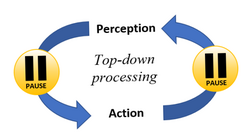
- トップダウン処理:脳が持つ知識や期待が、実際の知覚に影響を与えるプロセス。
錯視の3つの主要カテゴリー
1. 物理的錯視(Physical Illusions)
物理的錯視は、光が媒体を通過する際の屈折や反射など、物理的な現象によって引き起こされます。最も身近な例は、水に浸かった棒が折れ曲がって見える現象です。また、湿度が低く視界がクリアな日に、遠くの山が実際よりも近くに見える「空気遠近法」に関連した現象もこれに含まれます。
2. 生理的錯視(Physiological Illusions)
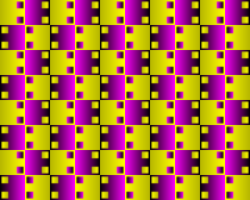
生理的錯視は、強い光や特定のパターンにさらされた後、視覚細胞が一時的に疲弊したり、過剰に反応したりすることで起こります。例えば、強い光を見た後に残る「残像」や、静止画なのに動いているように見える現象などが挙げられます。

3. 認知的錯視(Cognitive Illusions)
認知的錯視は、脳が周囲の状況から「おそらくこうだろう」と無意識に推論(無意識的推論)することで発生します。これは19世紀のヘルマン・フォン・ヘルムホルツによって提唱された概念です。認知的錯視はさらに以下の4つのタイプに分かれます。
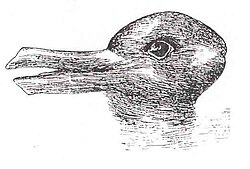
- 曖昧な錯視:一つの図形が、見る角度や意識によって二通りの解釈ができるもの(例:ルビンの壺、ネッカーの立方体)。
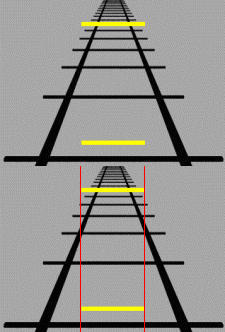
- 歪みの錯視:長さ、大きさ、位置などが実際とは異なって見えるもの(例:ポンゾ錯視、ミュラー・リヤー錯視)。
- 矛盾した錯視:現実には存在し得ない構造を持つ図形(例:ペンローズの三角形)。
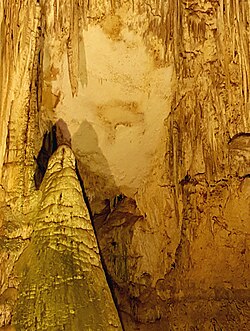
- 虚構の錯視:実際には存在しない輪郭や形が見えるもの。


視覚処理の深層:なぜ脳は騙されるのか
奥行きと次元の解釈
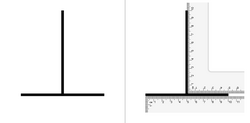
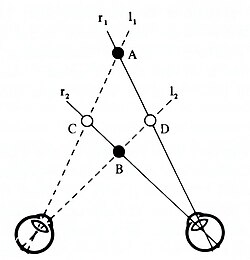
私たちの網膜に届く情報は2次元ですが、脳はそれを3次元として再構成します。この際、単眼での奥行き手がかりを利用して判断しますが、これが誤作動すると錯視が起こります。例えば、垂直な線は水平な線よりも長く見える傾向があります。
両眼視と信号の遅延
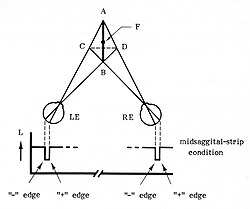
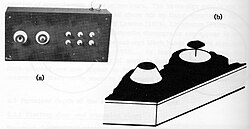
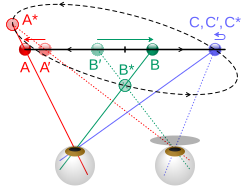
左右の目の視差を利用する両眼視においても錯視は起こります。特定の条件下では、片方の目からの信号処理に遅延が生じたり、エッジ(境界線)のコントラストの捉え方によって、物体の奥行きや表面の形状が誤認されたりすることがあります。

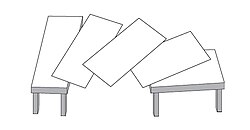
色彩と明るさの恒常性
背景の色や明るさによって、同じ色であっても異なる色に見えることがあります。これは、脳が周囲の文脈から物体の本来の色を推測しようとするためです。また、境界線の色によって内部の色が変化して見える「水彩画錯視」などは、脳が全体性を捉えようとするトップダウン処理の結果です。
病理的錯視と精神疾患との関連
通常の錯視とは異なり、脳の機能障害や疾患によって生じる「病理的錯視」があります。これは刺激が持続的に歪んで見えるのが特徴です。また、幻視(刺激がないのに見えること)とは区別されます。
特に統合失調症の患者さんは、高次の認知的錯視を感じにくい傾向があることが研究で示されています。これは、視覚情報を統合して解釈する「トップダウン処理」の能力が低下しているためと考えられており、この差異を分析することで脳の視覚処理プロセスの解明が進んでいます。
錯視の応用と芸術
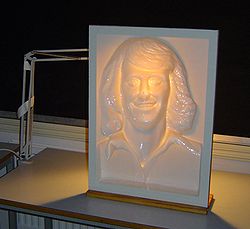
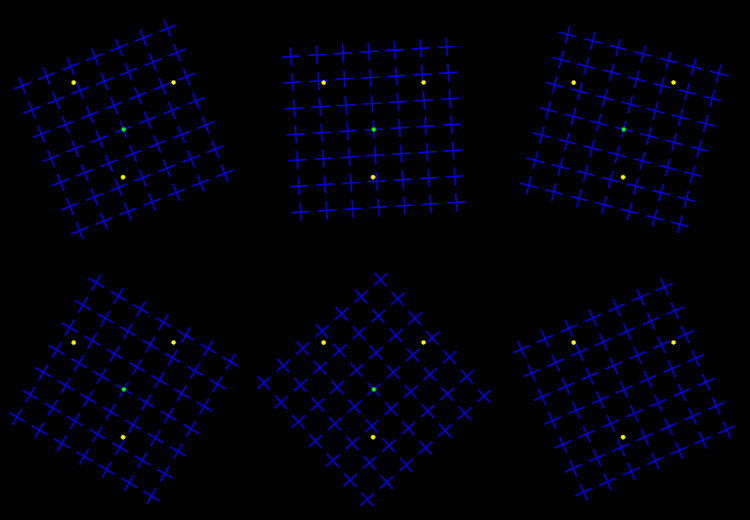
錯視は科学的な研究対象であるだけでなく、芸術の世界でも積極的に活用されています。視覚的な揺らぎや動きを表現する「オプ・アート(Op Art)」や、平面に立体的な奥行きを描き出す「トロンプ・ルイユ(騙し絵)」などが代表的です。近年では、アジアを中心に3Dトリックアート美術館などの観光施設でも親しまれています。
錯視のまとめ
| 分類 | 主な原因 | 代表的な例 |
|---|---|---|
| 物理的錯視 | 光の屈折・反射などの物理現象 | 水中の棒が曲がって見える |
| 生理的錯視 | 視覚細胞の疲労や過剰反応 | 残像、マッハバンド |
| 認知的錯視 | 脳による無意識的な推論・経験 | ポンゾ錯視、ルビンの壺 |
| 病理的錯視 | 脳や視覚系の生理的機能障害 | 疾患に伴う視覚的な歪み |
Frequently Asked Questions
錯視はなぜ起こるのですか?
脳が視覚情報を効率的に処理するために、過去の経験や周囲の状況から「簡略化したモデル」を用いて推論を行うためです。通常はこの仕組みが便利に働きますが、特殊な状況下では現実と異なる解釈がなされ、錯視として現れます。
「幻視」と「錯視」の違いは何ですか?
錯視は、実際に存在する外部刺激が「歪んで」見える現象です。一方、幻視は、外部に刺激が全くないにもかかわらず、何かが見える現象を指します。
認知的錯視にはどのような種類がありますか?
大きく分けて、解釈が複数存在する「曖昧な錯視」、サイズや長さが歪んで見える「歪みの錯視」、物理的に不可能な構造の「矛盾した錯視」、そして存在しない線が見える「虚構の錯視」の4つがあります。
錯視は訓練でなくすことができますか?
錯視の多くは脳の基本的な処理メカニズムに基づいているため、完全になくすことは困難です。しかし、それが錯視であるという知識を持つことで、意識的に正しく認識しようとすることは可能です。
統合失調症の方は錯視の感じ方が違うというのは本当ですか?
はい。研究によると、統合失調症の方は高次の認知的錯視(特にトップダウン処理を必要とするもの)を感知しにくい傾向があることが分かっています。
References
- Gregory, Richard (1991). "Putting illusions in their place". Perception. 20 (1): 1–4. :10.1068/p200001. 1945728. 5521054.
- In the scientific literature the term "visual illusion" is preferred because the older term gives rise to the assumption that the optics of the eye were the general cause for illusions (which is only the case for so-called physical illusions). "Optical" in the term derives from the Greek optein = "seeing", so the term refers to an "illusion of seeing", not to as a branch of modern physics. A regular scientific source for illusions are the journals Perception and i-Perception
- Bach, Michael; Poloschek, C. M. (2006). "Optical Illusions" (PDF). Adv. Clin. Neurosci. Rehabil. 6 (2): 20–21. Archived from the original (PDF) on January 20, 2021. Retrieved December 29, 2017.
- Gregory, Richard L. (1997). "Visual illusions classified" (PDF). Trends in Cognitive Sciences. 1 (5): 190–194. :10.1016/s1364-6613(97)01060-7. 21223901. 42228451.
- DeCastro, Thiago Gomes; Gomes, William Barbosa (2017-05-25). "Rubber Hand Illusion: Evidence for a multisensory integration of proprioception". Avances en Psicología Latinoamericana. 35 (2): 219. :10.12804/revistas.urosario.edu.co/apl/a.3430. 2145-4515.
- King, Daniel J.; Hodgekins, Joanne; Chouinard, Philippe A.; Chouinard, Virginie-Anne; Sperandio, Irene (2017-06-01). "A review of abnormalities in the perception of visual illusions in schizophrenia". Psychonomic Bulletin & Review. 24 (3): 734–751. :10.3758/s13423-016-1168-5. 1531-5320.
- Goldstein, E. Bruce (2002). Sensation and Perception. Pacific Grove, CA: Wadsworth. ., Chpt. 7
- Wade, Nicholas J. (1998). A natural history of vision. Cambridge, MA: MIT Press.
- "After Images". worqx.com. Archived from the original on April 22, 2015.
- Pinel, J. (2005) Biopsychology (6th ed.). Boston: Allyn & Bacon.
📸 フォトギャラリー