メタン(化学式:CH4)は、炭素1原子に水素4原子が結合した、最も単純な構造を持つアルカン(飽和炭化水素)です。無色・無臭の気体であり、天然ガスなどの主要成分として知られています。私たちの日常生活から宇宙探索、そして地球規模の気候変動に至るまで、この小さな分子は極めて重要な役割を果たしています。
主要な事実(Key Facts)
- 化学的性質: 無色・無臭の気体で、水にはほとんど溶けませんが、エタノールやベンゼンなどの有機溶媒には溶けます。
- 構造: 炭素原子を中心とした正四面体構造(Td点群)を持ち、極性はありません。
- 環境影響: 二酸化炭素よりも強力な温室効果を持ち、20年スパンではCO2の約82.5倍の温室効果(GWP)があるとされています。
- 用途: 家庭用・工業用燃料のほか、次世代ロケットの推進剤や化学原料として利用されています。
- 発生源: 湿地や反芻動物(牛や羊など)による生物学的プロセス、および化石燃料の採掘などの人間活動の両方から放出されます。
分子構造と物理的特性
メタンは、中心の炭素原子が4つの水素原子と共有結合し、空間的に均等に配置された正四面体形状をしています。この対称性の高い構造により、分子全体の双極子モーメントは0となり、非極性分子としての性質を示します。
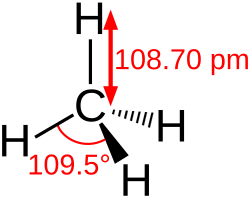
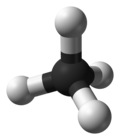
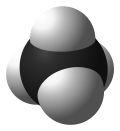
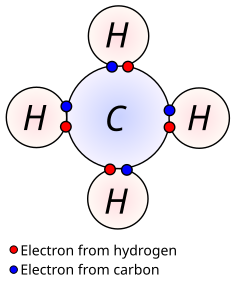
物理的な性質としては、非常に低い沸点(−161.49 °C)と融点(−182.456 °C)を持つため、標準的な環境下では常に気体として存在します。また、密度は空気よりも軽く、可燃性が非常に高いことが特徴です。
化学反応とエネルギー利用
メタンの最大の化学的特徴は、燃焼によって大きなエネルギーを放出することです。酸素と反応して二酸化炭素と水に分解される際、1kgあたり55.5 MJという高い燃焼熱を発生させます。
燃焼反応式: CH4 + 2O2 → CO2 + 2H2O

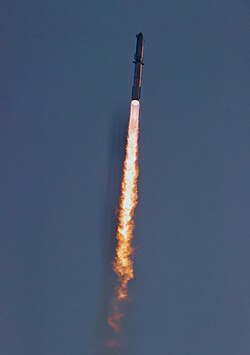
この高いエネルギー密度を活かし、メタンは燃料として広く利用されています。特に近年の宇宙開発では、SpaceXのStarshipのような再利用型ロケットにおいて、液体酸素と組み合わせた「メサロックス(Methalox)」が主要な推進剤として採用されています。
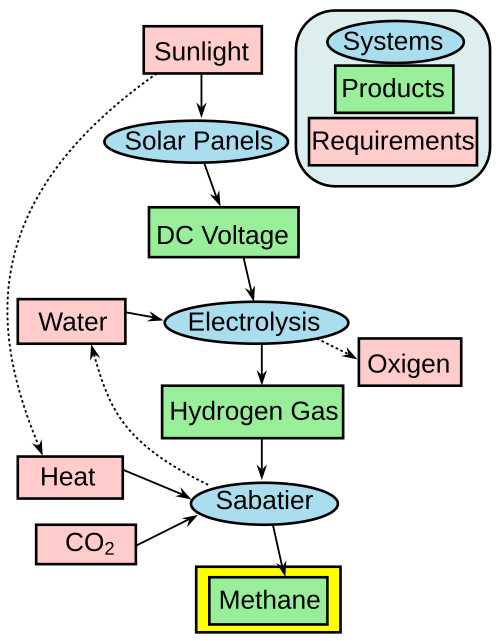
また、工業的には水蒸気改質などのプロセスを経て、水素や一酸化炭素などの化学原料へと変換されます。さらに、電気分解で得た水素と二酸化炭素からサバティエ反応を用いて持続可能な方法でメタンを合成する技術も研究されています。
メタンの発生源と循環
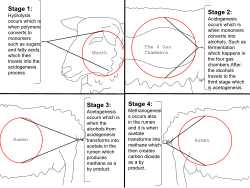
メタンは自然界と人間活動の両方から発生します。生物学的なルートでは、酸素のない環境で活動するメタン生成菌が、二酸化炭素と水素からメタンを作り出します(メタン生成)。
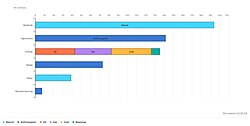
主な発生源は以下の通りです:
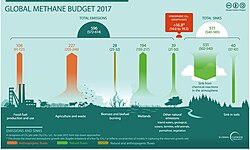
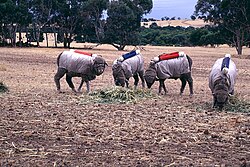
- 自然由来: 湿地帯、海底堆積物、および牛や羊などの反芻動物の消化管内。
- 人間活動由来: 化石燃料(石油・天然ガス)の採掘・輸送時の漏洩、家畜の飼育、廃棄物埋立地。
また、地質学的なプロセス(非生物的ルート)によってもメタンは生成されます。これは20カ国以上の地域や深海域で確認されており、生命が存在しなくてもメタンが生成され得ることを示しています。
![Abiotic sources of methane[example needed] have been found in more than 20 countries and in several deep ocean regions so far.](/images/5a/c6/5ac63a8e2d247c0371463f03dcba087dfa0896aef9d670baee26c31d22e14124.jpg)
地球環境と宇宙におけるメタン
大気中のメタン濃度の上昇は、地球温暖化を加速させる深刻な要因です。IPCCの報告によれば、産業革命前のレベルを大幅に上回る濃度に達しており、これは過去80万年で前例のない水準であると警告されています。
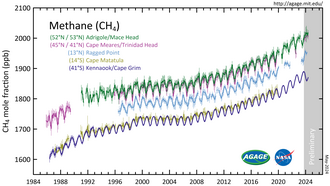
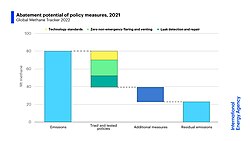
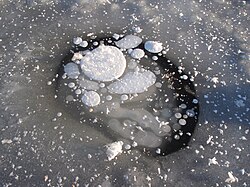
特に北極圏の永久凍土や海底のメタンハイドレート(低温高圧下で水分子の籠にメタンが閉じ込められた氷状の物質)が融解すると、大量のメタンが一気に放出されるリスクが懸念されています。
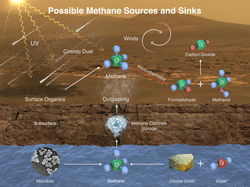
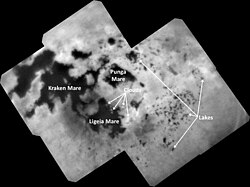
地球以外でもメタンは観測されています。火星の大気中では季節的な変動を伴うメタンが検出されており、その起源(地質学的か生物学的か)について議論が続いています。また、土星の衛星タイタンには、メタンが液体として存在する湖や海が存在しています。
特性まとめ
| 項目 | 詳細値・特性 |
|---|---|
| 分子量 | 16.043 g/mol |
| 外観・臭気 | 無色・無臭の気体 |
| 沸点 / 融点 | −161.49 °C / −182.456 °C |
| 水溶性 | 低溶性(22.7 mg/L) |
| 燃焼熱 | 55.5 MJ/kg |
| 危険性 | 極めて可燃性が高く、爆発限界は4.4–17% |

よくある質問(FAQ)
メタンはなぜ二酸化炭素より温暖化への影響が大きいのですか?
メタンは二酸化炭素よりも赤外線を吸収する能力(温室効果)が非常に高いためです。短期間(20年など)で見ると、同量の二酸化炭素と比較して数十倍の温室効果を持つため、気候変動への影響が極めて大きくなります。
「天然ガス」と「メタン」は同じものですか?
厳密には異なりますが、天然ガスの主成分(通常90%以上)がメタンであるため、実用上はほぼ同じ意味で使われることが多いです。天然ガスにはメタンの他にエタンやプロパンなどの少量の炭化水素が含まれています。
牛などの家畜がメタンを出すのはなぜですか?
反芻動物の胃の中には、食物を分解する微生物(メタン生成菌)が共生しているためです。消化過程で発生した水素と二酸化炭素がこれらの微生物によってメタンに変換され、主にげっぷとして放出されます。
メタンハイドレートとは何ですか?
低温かつ高圧の条件下で、水分子が格子状の構造を作り、その隙間にメタン分子が取り込まれた結晶状の物質です。「燃える氷」とも呼ばれ、将来的なエネルギー資源として注目されています。
宇宙でメタンが見つかると、なぜ生命の可能性が議論されるのですか?
地球上では、メタンの多くが微生物などの生物活動によって生成されているためです。火星などでメタンが検出されると、それが生物によるものか、あるいは岩石と水の化学反応(蛇紋岩化作用など)による非生物的なものかの検証が行われます。
References
- In 2013 (IPCC) scientists warned atmospheric concentrations of methane had "exceeded the pre-industrial levels by about 150% which represented "levels unprecedented in at least the last 800,000 years."
- There are many reactions. is a between and whose general formula is (Fe,Mg)2SiO4. The reaction producing methane from olivine can be written as: Forsterite + Fayalite + Water + Carbonic acid → Serpentine + Magnetite + Methane , or (in balanced form):
- 18 Mg2SiO4 + 6 Fe2SiO4 + 26 H2O + CO2 → 12 Mg3Si2O5(OH)4 + 4 Fe3O4 + CH4
📸 フォトギャラリー