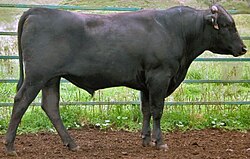
牛肉は、ウシ(Bos taurus)から得られる食肉の総称であり、世界中で広く親しまれている食材です。ステーキのような贅沢な部位から、ハンバーガーに使用される挽肉まで、その調理法は多岐にわたります。古くは野生のオーロックスを狩猟していた人類が、後に家畜化し、肉質や生産量を向上させるための品種改良を重ねてきました。現在では、豚肉や鶏肉に次いで世界で3番目に多く消費される肉類となっています。
Key Facts
- 主要栄養素: 高いタンパク質に加え、鉄分やビタミンB12が豊富に含まれている。
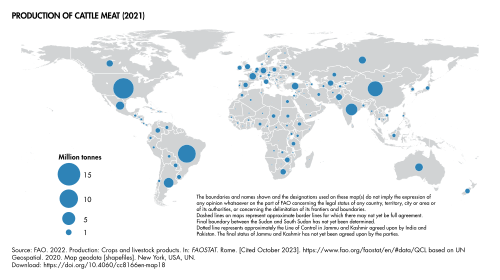
- 主要生産国: 米国、ブラジル、中国が世界最大級の生産量を誇る。
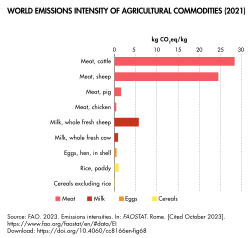
- 環境への影響: 農産物の中で最も温室効果ガスの排出量が多く、森林破壊の主要因の一つとされる。
- 健康リスク: 加工肉を含む赤身肉の過剰摂取は、心血管疾患や大腸がんのリスクを高める可能性がある。
- 文化的制限: ヒンドゥー教などの宗教的理由により、牛肉の摂取が禁止されている地域がある。
牛肉の栄養価と健康への影響
牛肉は優れた栄養源であり、特に筋肉の維持に必要なタンパク質や、赤血球の形成を助ける鉄分、神経機能に不可欠なビタミンB12を効率よく摂取できます。
しかし、健康面での懸念も指摘されています。特に加工された赤身肉の大量消費は、心血管疾患や大腸がんの発症リスクに関連しているとされています。また、過去には牛海綿状脳症(BSE)や、不衛生な飼育環境に起因する大腸菌(E. coli O157:H7など)による食中毒のリスクが報告されており、厳格な衛生管理が求められています。
![Deaths in the UK caused by vCJD from the start of the BSE outbreak up until 2009. MM and MV refer to the two genotypes of vCJD.[92]](/images/2d/be/2dbe169bb9966f7770f342dd09a7e230f36b8b4247e6aaa4db972cb9fa4a1036.png)
世界的な生産体制と経済
現代の牛肉生産は、放牧や牧場経営だけでなく、大規模な集約的畜産(CAFOs:集中動物飼養施設)によって支えられています。米国市場の多くを占めるこれらの施設は効率的な供給を可能にしますが、一方で高密度な飼育環境による病気の蔓延を防ぐため、抗生物質が多用される傾向にあり、薬剤耐性菌の出現が懸念されています。
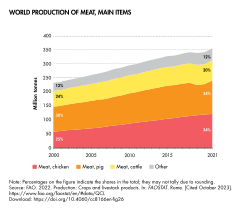
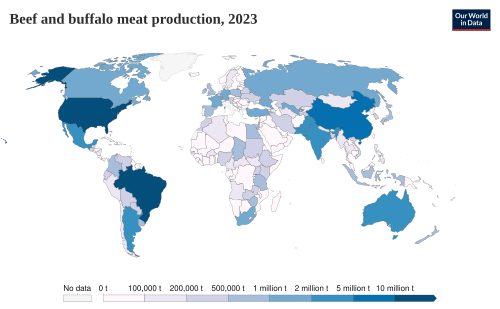
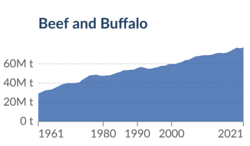
生産量においては、米国、ブラジル、中国がトップ3を占めており、輸出面ではオーストラリアや米国、ブラジルが大きなシェアを持っています。また、日本やアルゼンチン、カナダなどの国々にとっても、牛肉産業は経済的に重要な役割を担っています。
環境への負荷と持続可能性
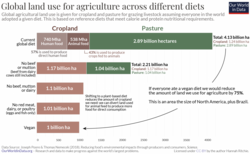
牛肉の生産は、他の食品と比較して環境への負荷が極めて高いことが分かっています。特に温室効果ガスの排出強度は農産物の中で最大であり、飼育地の確保に伴う森林破壊が深刻な問題となっています。もし世界的に牛肉や羊肉の消費がなくなった場合、農業用地をほぼ半分に削減できるという試算もあります。
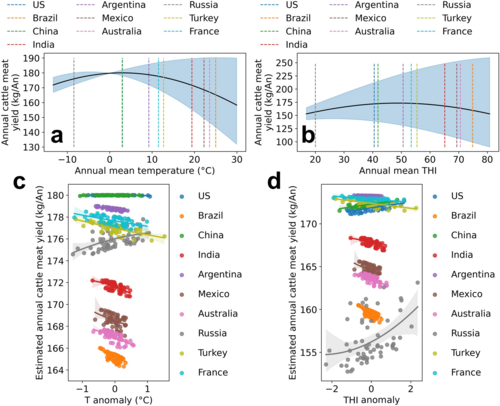
さらに、気候変動による気温上昇やヒートストレスは、主要な生産国における生産量の低下を招くリスクとなっており、産業の持続可能性に影を落としています。
調理法と多様なカット
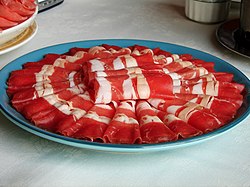
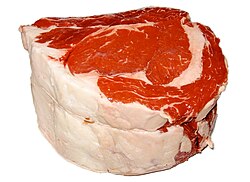
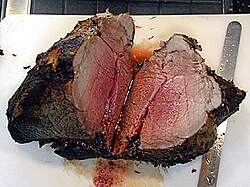
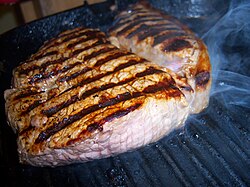
牛肉はその部位によって性質が異なるため、最適な調理法が使い分けられます。ステーキに適した部位は焼き加減(レアからウェルダンまで)で味わいが変わり、端材は挽肉として利用されます。
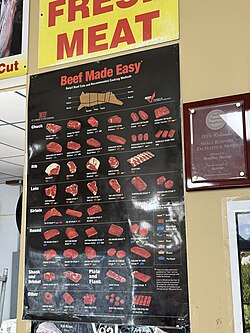
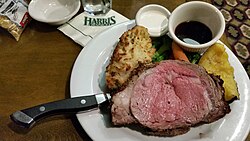
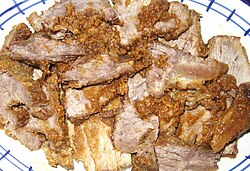
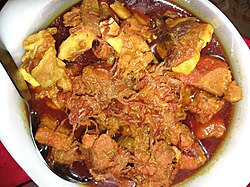
調理法は大きく分けて、グリル、ロースト、フライなどの「乾熱調理」と、煮込み(シチューやブレージング)や真空調理(スーヴィード)などの「湿熱調理」に分類されます。また、生で食べる文化や、塩漬け・燻製にする保存法など、世界中で多様な食文化が発展しています。
牛肉の栄養成分まとめ
以下は、牛肉100gあたりの代表的な栄養成分です。
| 項目 | 含有量 | 備考 |
|---|---|---|
| エネルギー | 250 kcal | 1,047 kJ |
| タンパク質 | 26 g | 主要な構成要素 |
| 脂質 | 15 g | 飽和脂肪酸を含む |
| ビタミンB12 | 2.64 μg | 1日の推奨摂取量の110% |
| 亜鉛 | 6.31 mg | 1日の推奨摂取量の57% |
| 鉄分 | 2.6 mg | 1日の推奨摂取量の14% |
宗教的・文化的な制限
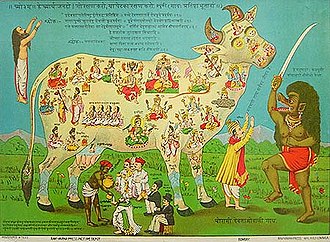
牛肉の消費は、文化や宗教によって厳しく制限されている場合があります。特にインドのヒンドゥー教では、牛は神聖な動物とされており、屠殺や食用が禁止されています。インドでは法律によって牛の屠殺が制限されており、輸出されるのは主に水牛の脱骨肉などに限定されています。また、仏教においても動物の屠殺に反対する考え方がありますが、特定の食品を禁じる教義とは異なります。
Frequently Asked Questions
牛肉を食べることで得られる主な栄養素は何ですか?
牛肉は高品質なタンパク質に加え、エネルギー代謝を助けるビタミンB群(特にB12)、血液に不可欠な鉄分、免疫機能に関わる亜鉛などのミネラルを豊富に含んでいます。
なぜ牛肉は環境負荷が高いと言われているのですか?
牛などの反芻動物は消化過程でメタンガス(強力な温室効果ガス)を排出することに加え、飼料生産や放牧地の確保のために広大な土地が必要であり、それが森林破壊に直結しているためです。
赤身肉の摂取による健康上のリスクはありますか?
過剰な摂取、特に加工された赤身肉の多用は、心血管疾患や大腸がんのリスクを高める可能性があると報告されています。バランスの良い食生活が推奨されます。
世界で最も牛肉を生産している国はどこですか?
統計によりますが、一般的に米国、ブラジル、中国の3カ国が世界最大級の生産量を誇っています。
牛肉の衛生管理で特に注意すべき点は何ですか?
特に挽肉などの製品では、大腸菌(E. coli)などの汚染リスクがあるため、適切な温度管理と十分な加熱調理が重要です。
References
- Harper, Douglas. "beef". .
- "Beef". The Free Online Dictionary, Thesaurus and Encyclopedia. Thefreedictionary.com. Retrieved 18 December 2011.
- The American Heritage Dictionary of the English Language, Fourth Edition, 2000: beef.
- "Beef". The American Heritage College Dictionary, 4th ed.
- "beeves". . Merriam-Webster. 1032680871.
- Terlato, Gabriele; Livraghi, Alessandra; Romandini, Matteo; Peresani, Marco (1 June 2019). "Large bovids on the Neanderthal menu: Exploitation of Bison priscus and Bos primigenius in northeastern Italy". . 25: 129–143. :2019JArSR..25..129T. :10.1016/j.jasrep.2019.04.006. 2352-409X. 146317863.
- (2013). Beef: A Global History. London: Reaktion Books. p. 7. – via EBL Reader.
- "Late Neolithic megalithic structures at Nabta Playa". Archived from the original on 13 February 2008. Retrieved 27 February 2008.
- Hirst, K. Kris. "History of the Domestication of Cows and Yaks". ThoughtCo.
- Horowitz, Roger (2006). Putting Meat on the American Table: Taste, Technology, Transformation. Baltimore: The Johns Hopkins University Press. .
📸 フォトギャラリー