小麦(学名:Triticum)は、イネ科ツムギムギ属に分類される一年草であり、世界で最も広く栽培されている食糧作物の一つです。古くから人類の主食として、パンやパスタ、麺類などの原料となり、文明の発展に不可欠な役割を果たしてきました。その多様な品種と高い栄養価は、現代においても世界の食糧安全保障の要となっています。
植物学的な構造を見ると、小麦は単子葉植物であり、花序(花の集まり)に種子が形成されます。種子は外皮、胚乳、胚から成り、この胚乳に含まれるデンプンとタンパク質が食品としての価値を高めています。
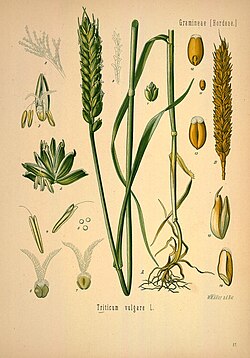
Key Facts
- 世界最大の栽培面積:2024年時点で約2億1,950万ヘクタールに及び、あらゆる食糧作物の中で最大です。
- 主要生産国:中国、インド、ロシア、米国、カナダなどが世界的な供給を担っています。
- 多様なゲノム構造:倍数性(ゲノムセットの数)により、2N(二倍体)、4N(四倍体)、6N(六倍体)の種が存在します。
- 高い栄養密度:エネルギー源となる炭水化物に加え、タンパク質やマンガン、マグネシウムなどのミネラルが豊富です。
小麦の進化と分類
小麦の歴史は、野生種の交雑とゲノムの倍加という複雑な進化プロセスを経てきました。特に、異なる種の間で自然交雑が起こり、染色体数が倍増する「倍数化」が、環境適応力や収穫量の向上に寄与しました。
ゲノム構造による分類
小麦は、保持するゲノムのセット数によって大きく3つのグループに分けられます。最も単純な構造を持つのが一粒小麦(Einkorn)などの二倍体(2N)であり、そこから進化してデュラム小麦などの四倍体(4N)、そして現代のパン作りに欠かせない普通小麦(Bread wheat)などの六倍体(6N)へと発展しました。
![A 2007 view of wheat origins by repeated hybridisation and polyploidy.[60] Not all species are shown.](/images/32/25/3225da3d0086a5d46b6966ae326383b14e614def8ae2c69e012aa38817aeb411.webp)
これらの種の違いは、粒の形状や脱穀のしやすさ、そして加工特性に現れます。例えば、一粒小麦は殻が強固に密着していますが、現代の品種は脱穀しやすい性質へと改良されています。
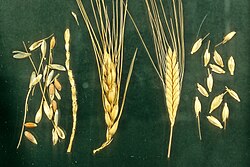
文明を築いた栽培の歴史
小麦の栽培は、新石器時代の「肥沃な三日月地帯」で始まったと考えられています。紀元前8500年から4000年頃には、石製のマイクロブレードを装着した鎌などの道具を用いて収穫が行われていました。
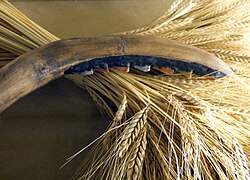
その後、小麦の栽培技術はエジプトやインドなど世界各地へ伝播し、定住生活と人口増加を支える基盤となりました。中世から近代にかけても、小麦の価格変動は社会的な安定に直結する重要な経済指標となっていました。
![Wheat prices in England, 1264–1996[114]](/images/93/f7/93f7493273e1ff2dae800be8225d1666d27ff5bb0d361acb81609c02f93fc62a.webp)
農業生産と現代の栽培技術
現代の小麦栽培では、気候条件に合わせた品種選定が行われています。特に春小麦は休眠期を持たず、21〜24℃の環境で最適に成長しますが、4℃以下での発芽や35℃以上の成熟は収穫量を低下させる要因となります。
作物の成長段階は、BBCHスケールやザドックス(Zadok)スケールといった指標で管理され、開花期から登熟期まで精密なモニタリングが行われています。
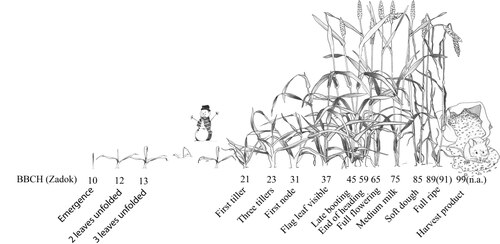
収量向上のための取り組み
20世紀後半の「緑の革命」以降、品種改良によって収量は飛躍的に向上しました。特に、茎を短くして倒伏を防ぐ「半矮性遺伝子」の導入は、単位面積あたりの収穫量を劇的に増加させました。
![Wheat yields in Europe[163] – Breeding has increased yields over time](/images/a5/91/a591d44a753dfd89a6fd8dc49eb7b67fa6392b33a7b8075aa7de61f3cbfe9a8e.webp)
また、現代のゲノミクス技術により、ゲノム配列の解読が進んでいます。これにより、特定の病害への耐性付与や、水利用効率の改善、グルテン含有量の調整などが遺伝子レベルで研究されています。
病害虫と対策
小麦栽培における最大の脅威の一つが、菌類による病害です。特に黒さび病(Stem rust)は、世界的な壊滅的被害をもたらす可能性があり、耐性品種の開発が急務となっています。
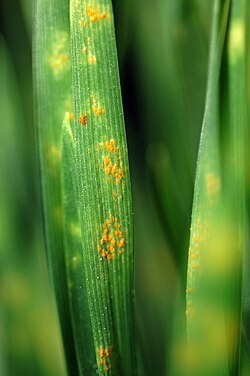
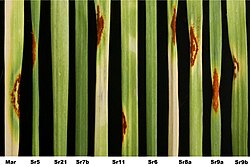
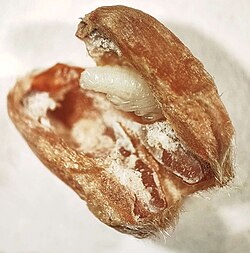
また、貯蔵段階ではコクゾウムシなどの害虫による被害が発生するため、検知デバイスの導入や適切な保管管理が行われています。
食糧としての価値と栄養学
小麦は多種多様な食品の原料となります。精製度合いによって、全粒粉、強力粉、薄力粉などに分けられ、用途に応じて使い分けられています。
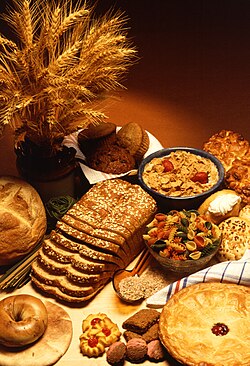
栄養面では、特にビタミンB群(チアミン、ナイアシンなど)とミネラルが豊富です。特にマンガンの含有量は非常に高く、一日の推奨摂取量を大幅にカバーします。
| 成分 | 含有量 | 備考 |
|---|---|---|
| エネルギー | 327 kcal | 主エネルギー源 |
| 炭水化物 | 71.18 g | 糖質および食物繊維を含む |
| タンパク質 | 12.61 g | グルテンなどのタンパク質 |
| 脂質 | 1.54 g | 低脂肪 |
| マンガン | 3.985 mg | DVの173%に相当 |
| マグネシウム | 126 mg | DVの30%に相当 |
世界的な生産動向
小麦の生産量は、地域的な気候変動や政治的状況に強く影響されます。20世紀末には、小麦の貿易量は他のあらゆる作物を合わせた量を超えるほどに拡大しました。
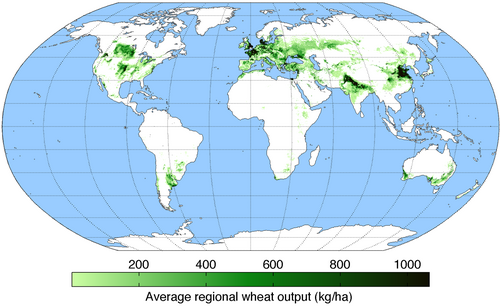
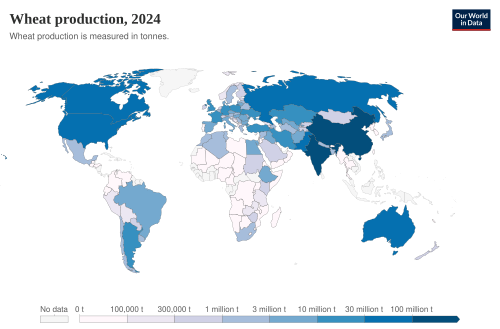
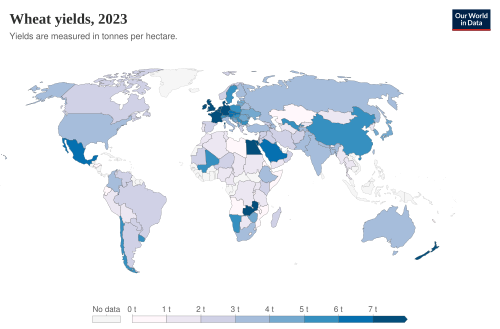
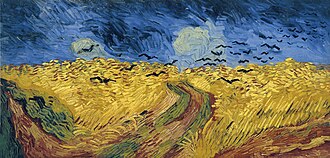
芸術の世界においても、小麦畑はその黄金色の風景から多くの画家を魅了してきました。フィンセント・ファン・ゴッホの作品などは、小麦が持つ視覚的な豊かさを象徴しています。
Frequently Asked Questions
小麦の「倍数性」とは何ですか?
倍数性とは、細胞内に持つゲノム(染色体セット)の数のことです。二倍体(2N)から始まり、自然交雑とゲノム倍加を経て四倍体(4N)、六倍体(6N)へと進化しました。これにより、環境適応力や粒の大きさが向上しました。
パン小麦とデュラム小麦の違いは何ですか?
パン小麦(普通小麦)は六倍体で、弾力のあるグルテンを多く形成するためパンに適しています。一方、デュラム小麦は四倍体で、色が黄色く硬い性質を持つため、パスタやクスクスの原料として最適です。
小麦の収量を上げるためにどのような改良が行われましたか?
主に「半矮性(はんわいせい)」と呼ばれる、茎を短くする遺伝子の導入が行われました。これにより、肥料を与えても茎が伸びすぎて倒れる(倒伏)ことがなくなり、効率的に種子を実らせることが可能になりました。
小麦に含まれる主な栄養素は何ですか?
炭水化物とタンパク質が主成分ですが、微量栄養素としてマンガン、マグネシウム、リン、亜鉛などのミネラルや、ビタミンB1、B3(ナイアシン)などが豊富に含まれています。
小麦の栽培において最も注意すべき病害は何ですか?
黒さび病などの「さび病」が代表的です。これらは菌類によって引き起こされ、葉や茎を侵して光合成を妨げ、収穫量を著しく減少させます。そのため、耐性品種の育成が世界的に進められています。
References
- lectotype designated by Duistermaat, 32: 174 (1987)
- Serial No. 42236 22 September 2002
- "triticum". . Merriam-Webster. 1032680871.
- Mencken, H. L. (1984). The American language: an inquiry into the development of English in the United States (4th ed.). New York: . p. 122. .
Corn, in orthodox English, means grain for human consumption, especially wheat, e.g., the .
- "wheat (plant)". . Archived from the original on 5 May 2015. Retrieved 23 December 2023.
- Yang, Hong; Li, Yongpeng; Li, Dongxiao; Liu, Liantao; Qiao, Yunzhou; Sun, Hongyong; et al. (9 June 2022). "Wheat Escapes Low Light Stress by Altering Pollination Types". Frontiers in Plant Science. 13 924565. :2022FrPS...1324565Y. :10.3389/fpls.2022.924565. 9218482. 35755640.
- Wibberley, E. John (2006). "Fertilising for High Yield and Quality – Cereals" (PDF). , : International Potash Institute, / Switzerland. Archived (PDF) from the original on 4 February 2019.
- Pajević, Slobodanka; Krstić, Borivoj; Stanković, Živko; Plesničar, Marijana; Denčić, Srbislav (1999). "Photosynthesis of Flag and Second Wheat Leaves During Senescence". Cereal Research Communications. 27 (1/2): 155–162. :10.1007/BF03543932. 23786279.
- Araus, J. L.; Tapia, L.; Azcon-Bieto, J.; Caballero, A. (1986). "Photosynthesis, Nitrogen Levels, and Dry Matter Accumulation in Flag Wheat Leaves During Grain Filling". Biological Control of Photosynthesis. Netherlands: : . pp. 199–207. :10.1007/978-94-009-4384-1_18. .
{{}}: CS1 maint: publisher location () - Singh, Sarvjeet; Sethi, G.S. (1995). "Stomatal Size, Frequency and Distribution in Triticum Aestivum, Secale Cereale and Their Amphiploids". Cereal Research Communications. 23 (1/2): 103–108. 23783891.
📸 フォトギャラリー