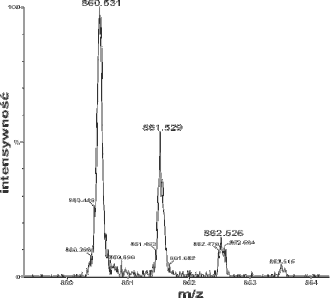
質量分析法(Mass Spectrometry, MS)とは、物質を構成するイオンの「質量電荷比(m/z)」を測定することで、その物質の正体や構造を明らかにする高度な分析手法です。得られた結果は「マススペクトル」というグラフとして表示され、強度と質量電荷比の関係から、元素組成や同位体の分布、分子量などを精密に特定できます。
この技術は、純粋な試料だけでなく複雑な混合物の分析にも対応しており、化学、生物学、医学、さらには宇宙探査に至るまで、現代科学のあらゆる分野で不可欠なツールとなっています。
Key Facts
- 測定対象:イオン化した粒子の質量電荷比(m/z)を測定する。
- 基本プロセス:「イオン化」→「分離」→「検出」の3ステップで構成される。
- 分析可能範囲:小さな原子から、数百kDa(キロダルトン)に及ぶ巨大なタンパク質まで対応。
- 主な用途:未知物質の構造決定、同位体比の測定、薬物動態解析、タンパク質同定など。
質量分析の基本メカニズム
質量分析のプロセスは、大きく分けて以下の3つの段階で進行します。
1. イオン化(Ionization)
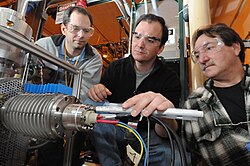
まず、固体・液体・気体の試料を電気的に帯電した「イオン」に変換します。例えば、電子ビームを照射して分子を弾き飛ばす方法や、化学的な反応を利用する方法があります。この過程で分子が断片化(フラグメンテーション)されることがあり、そのパターンが物質固有の「指紋」のような役割を果たします。
2. 質量分離(Mass Analysis)
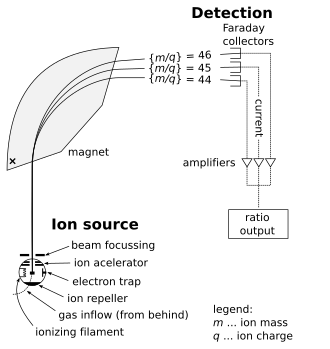
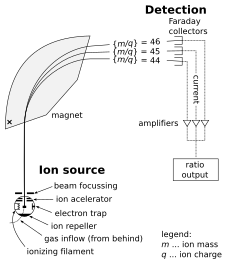
生成したイオンを電場や磁場の中へと加速させます。イオンは、その質量と電荷の比率(m/z)に応じて曲がり方や到達時間が異なるため、これを利用して成分を分離します。物理学的には、ローレンツ力(磁場と電場による力)がこの分離の根幹を担っています。
3. 検出(Detection)
分離されたイオンを検出器(電子倍増管など)で捉え、その信号強度を記録します。これにより、どの質量にどれだけの量のイオンが存在するかが可視化されます。
多様なイオン化手法:ハードからソフトまで
分析したい物質の性質に合わせて、イオン化の方法を選択します。大きく分けて、エネルギーの高い「ハードイオン化」と、分子を壊しにくい「ソフトイオン化」があります。
ハードイオン化とソフトイオン化
電子イオン化(EI)などのハード手法は、分子を激しく断片化させるため構造解析に適しています。一方、エレクトロスプレーイオン化(ESI)やMALDIなどのソフト手法は、巨大な生体分子を壊さずにイオン化できるため、プロテオミクスなどの分野で革命をもたらしました。
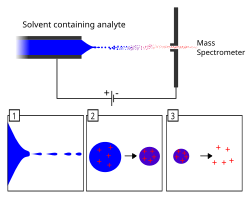
特殊なイオン源
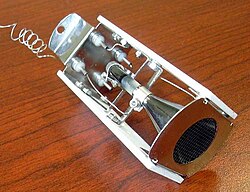
高エネルギーのプラズマを用いる誘導結合プラズマ(ICP)は、金属元素の超高感度分析に用いられます。また、表面からイオンを弾き出すSIMSや、レーザーを用いるFABなどの手法も存在します。
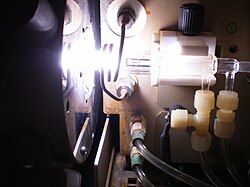
質量分析計(マスアナライザー)の種類と特徴
イオンを分離するための装置(アナライザー)には、目的に応じて様々な形式があります。
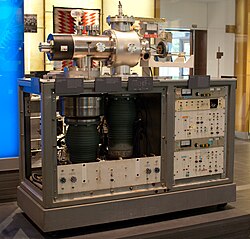
- 磁場セクタ型:磁場を用いてイオンを湾曲させ分離する古典的かつ高精度な方式です。
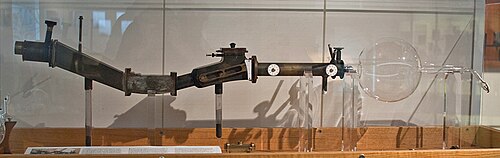
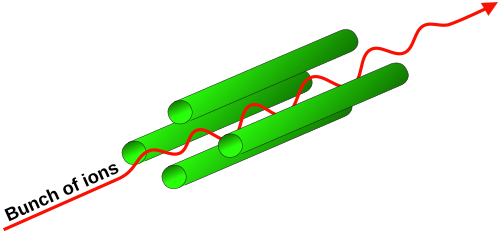
- 四重極型(Quadrupole):4本の電極を用いて特定のm/zを持つイオンのみを透過させるフィルターのような装置です。
- 飛行時間型(TOF):イオンが検出器に到達するまでの時間を測定します。非常に広い質量範囲を高速に分析可能です。
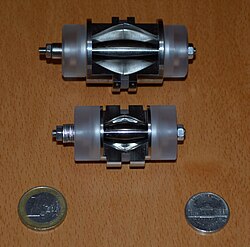
- イオントラップ型:イオンを一定空間に閉じ込めて分析します。
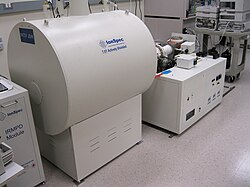
- Orbitrap:電極の周囲を回転するイオンの周波数を測定し、極めて高い分解能を実現します。
高度な分析テクニックと応用
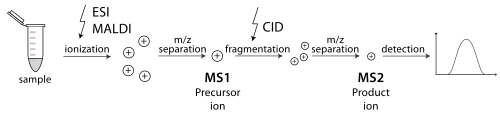
タンデム質量分析(MS/MS)
1つの分析計で選別したイオンをさらに断片化し、別の分析計で測定する手法です。これにより、複雑な混合物の中から特定の分子を極めて高い選択性で同定できます。
分離技術との結合
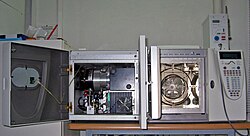
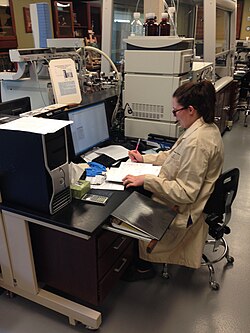
質量分析計の前に、ガスクロマトグラフィー(GC)や液体クロマトグラフィー(LC)を接続することで、混合物をあらかじめ分離してから分析することが一般的です。
幅広い実用例
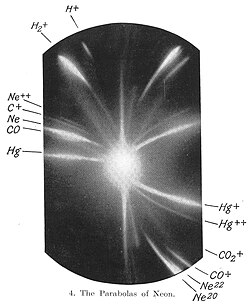
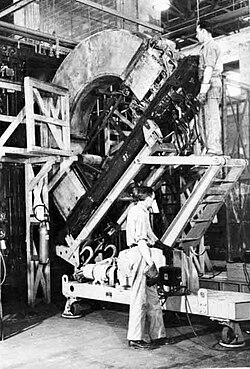
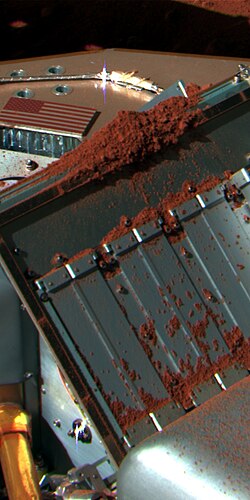
質量分析は、地球科学における同位体比測定(13Cや18Oの比率など)から、医療現場での薬物濃度測定、さらにはNASAの火星探査機(フェニックス)による土壌分析まで、地球内外で活用されています。
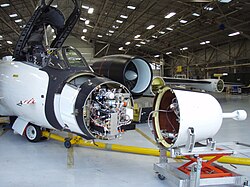
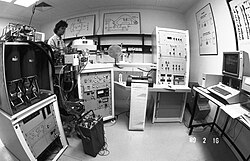
分析手法の比較まとめ
| 手法 | ビーム/エネルギー源 | 主な対象物 | 特徴 |
|---|---|---|---|
| SIMS | イオンビーム(Ar, Csなど) | 非揮発性物質 | 表面分析に強い(<20 kDa) |
| MALDI | 光子(N2レーザー等) | 高分子・タンパク質 | 巨大分子に対応(<300 kDa) |
| ESI | 高電圧スプレー | 生体分子・溶液試料 | ソフトなイオン化、LC接続が容易 |
| EI | 電子ビーム | 低分子揮発性物質 | 断片化が激しく構造解析に有用 |
Frequently Asked Questions
質量電荷比(m/z)とは何ですか?
イオンの質量(m)をその電荷数(z)で割った値のことです。質量分析計は、単純な「重さ」ではなく、この比率に基づいてイオンを分離します。
「分解能」が高いとはどういう意味ですか?
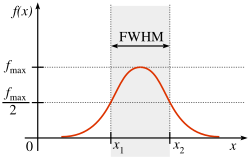
非常に近い質量を持つ2つのピークを、別々のものとして明確に区別して表示できる能力のことです。高分解能な装置(Orbitrapなど)を使うことで、組成式を正確に決定できます。
なぜイオン化させる必要があるのですか?
電場や磁場を用いて粒子を加速・偏向させるためには、粒子が電気的な電荷を持っている必要があるためです。中性の分子のままでは、物理的に操作して分離することができません。
タンデム質量分析(MS/MS)のメリットは何ですか?
特定の親イオンだけを選び出し、それをさらに砕いて娘イオンを分析することで、ノイズを劇的に減らし、分子構造の詳細な情報を得られる点にあります。
References
- Sparkman, O. David (2000). Mass spectrometry desk reference. Pittsburgh: Global View Pub. .
- "Definition of SPECTROGRAPH". . June 9, 2026. Retrieved 2026-07-24.
- Downard K (2004). Mass Spectrometry - A Foundation Course. Royal Society of Chemistry. :10.1039/9781847551306. .
- Squires G (1998). "Francis Aston and the mass spectrograph". (23): 3893–3900. :10.1039/a804629h.
- Downard KM (2007). "Historical account: Francis William Aston: the man behind the mass spectrograph". European Journal of Mass Spectrometry. 13 (3): 177–90. :10.1255/ejms.878. 17881785. 25747367.
- (1913). Rays Of Positive Electricity and Their Application to Chemical Analysis. London: Longman's Green and Company.
- Siri W (1947). "Mass spectroscope for analysis in the low-mass range". Review of Scientific Instruments. 18 (8): 540–545. :1947RScI...18..540S. :10.1063/1.1740998.
- Price P (August 1991). "Standard definitions of terms relating to mass spectrometry: A report from the committee on measurements and standards of the American society for mass spectrometry". Journal of the American Society for Mass Spectrometry. 2 (4): 336–48. :1991JASMS...2..336P. :10.1016/1044-0305(91)80025-3. 24242353. 20236081.
- Parkins WE (2005). "The uranium bomb, the calutron, and the space-charge problem". Physics Today. 58 (5): 45–51. :2005PhT....58e..45P. :10.1063/1.1995747. 0031-9228.
- "The Nobel Prize in Chemistry 2002: Information for the Public". The Nobel Foundation. 9 October 2002. Retrieved 2007-08-29.
📸 フォトギャラリー