John L. O'Sullivan, sketched in 1874, was an influential columnist as a young man, but he is now generally remembered only for his use of the phrase "manifest destiny" to advocate the annexation of Texas and Oregon.
← ホームへ戻る

マニフェスト・デスティニーアメリカ領土拡大の思想と歴史的影響

🗓 2026年8月15日

19世紀のアメリカ合衆国を突き動かしたマニフェスト・デスティニー(明白な天命)とは、北米大陸全土への領土拡大が神から与えられた使命であるとする政治的・社会的な信念です。この思想は、単なる土地の獲得にとどまらず、西洋的な文明、近代技術、そして商業を広めるという正当化の論理として機能しました。

この拡大主義は、アメリカが他国とは異なる特別な道徳的価値を持つという「アメリカ例外主義」や、白人至上主義的な価値観と深く結びついていました。その結果、国家としての急速な成長を実現した一方で、先住民族の強制移住やジェノサイドという深刻な悲劇を招くこととなりました。
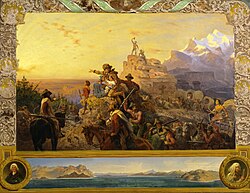
American westward expansion is idealized in Emanuel Leutze's famous painting Westward the Course of Empire Takes Its Way (1861).

Key Facts

  • 核心的な信念:北米大陸全土への拡大は神聖な使命であるという思想。
  • 主要な推進力:アメリカ例外主義、白人至上主義、文明化という大義名分。
  • 領土拡大の成果:ルイジアナ買収、テキサス併合、メキシコ割譲、アラスカ購入など。
  • 負の遺産:先住民族の土地奪取、強制移住(インディアン移住法)、文化的な破壊。
  • 展開の変遷:大陸内の拡大から、19世紀末にはハワイやフィリピンなどの海外帝国主義へと移行。

大陸主義から海外進出へ:拡大のプロセス

北米大陸の掌握(大陸主義)

19世紀初頭、アメリカでは「大陸主義(Continentalism)」という考え方が浸透していました。これは、最終的に北米大陸すべてが合衆国の版図に入るべきだという信念です。ジョン・クインシー・アダムスのような政治家が初期の推進者となりましたが、後に彼はテキサス併合に伴う奴隷制の拡大に反対し、自らの役割に後悔を示すことになります。
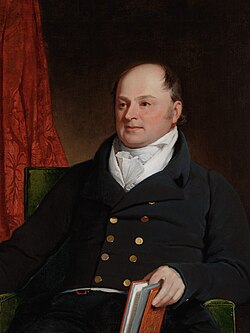
John Quincy Adams, painted above in 1816 by Charles Robert Leslie, was an early proponent of continentalism. Late in life, he came to regret his role in helping U.S. slavery to expand, and became a leading opponent of the annexation of Texas.

1840年代に入ると、ジャーナリストのジョン・L・オサリバンが「マニフェスト・デスティニー」という言葉を用いて、テキサスやオレゴンの併合を強く主張しました。この時期、アメリカは西へと突き進み、先住民族の居住地を奪いながら、太平洋岸へと到達することを目指しました。
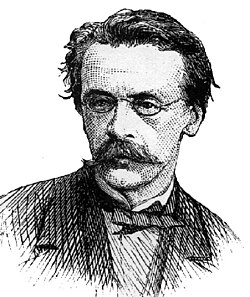
John L. O'Sullivan, sketched in 1874, was an influential columnist as a young man, but he is now generally remembered only for his use of the phrase "manifest destiny" to advocate the annexation of Texas and Oregon.

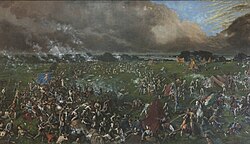
この拡大過程では、1846年から1848年にかけての米墨戦争が決定的な役割を果たしました。この戦争を通じて、カリフォルニアを含む広大な地域がメキシコから割譲されました。また、テキサス革命におけるサンジャシントの戦いなどの軍事行動が、領土拡大の基盤となりました。
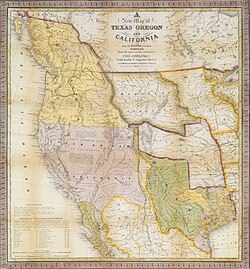
A New Map of Texas, Oregon, and California, Samuel Augustus Mitchell, 1846

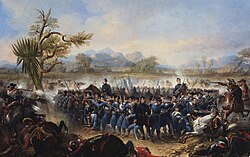
The Battle of Río San Gabriel was a decisive battle action of the Mexican–American War (1846–1848) as part of the U.S. conquest of California.

The Battle of San Jacinto was the final battle during the Texas Revolution (1835-1836) which resulted in a decisive victory for the Texian army.

フロンティアの開拓と定住

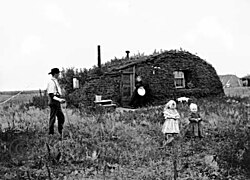
政府は「ホームステッド法」などを通じて、一般市民による西部の開拓を奨励しました。多くの入植者が、厳しい自然環境の中で泥小屋(ソッド・ハット)を建てて生活を始め、農業や商業を拡大させました。また、大陸横断鉄道の建設が、物理的な距離を縮め、経済的な統合を加速させました。
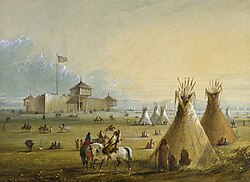
The first Fort Laramie as it looked prior to 1840. Painting from memory by Alfred Jacob Miller

Norwegian settlers in North Dakota in front of their homestead, a sod hut

帝国主義への転換と海外領土

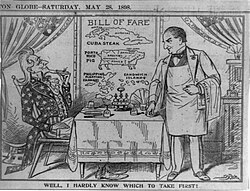
19世紀末になると、拡大の方向性は大陸内部から海を越えた海外へと移ります。ウィリアム・マッキンリー大統領の下で、ハワイの併合や、米西戦争を経てフィリピン、プエルトリコ、グアムなどの領土を獲得しました。これにより、アメリカは北米の国家から、太平洋やカリブ海に影響力を持つ帝国主義的な国家へと変貌しました。
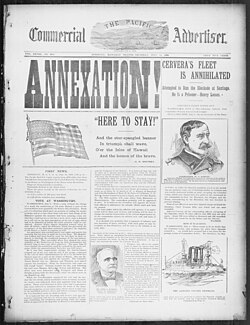
Newspaper reporting the annexation of the Republic of Hawaii in 1898

A cartoon of Uncle Sam seated in restaurant looking at the bill of fare containing "Cuba steak", "Porto Rico pig", the "Philippine Islands" and the "Sandwich Islands" (Hawaii)

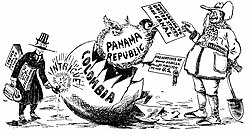
また、パナマ運河の建設と管理という戦略的意図から、1903年にはコロンビアからパナマを分離させるなど、中南米への介入を強めました。一方で、ウィリアム・ウォーカーのような「フィリバスター(私設軍事冒険家)」が独自に中米へ遠征し、ニカラグアを統治しようとするなど、非公式な拡大主義も存在しました。
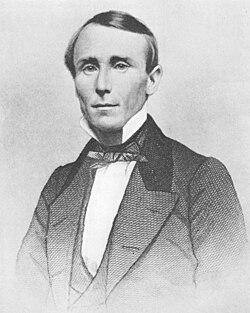
Filibuster William Walker, who launched several expeditions to Mexico and Central America, ruled Nicaragua, and was captured by the Royal Navy before being executed in Honduras by the Honduran government.

The U.S.'s intentions to influence the area (especially the Panama Canal construction and control) led to the separation of Panama from Colombia in 1903.

領土拡大のまとめ

アメリカ合衆国の主要な領土獲得と変遷
時期・出来事 主な獲得地域・影響 背景・性質
1803年 ルイジアナ買収 ミシシッピ川流域の広大な土地 フランスからの購入による初期拡大
1845年 テキサス併合 テキサス共和国の併合 マニフェスト・デスティニーの具体化
1848年 メキシコ割譲 カリフォルニア、ニューメキシコなど 米墨戦争の結果による獲得
1867年 アラスカ購入 アラスカ地域 ロシアからの購入
1898年 ハワイ・フィリピン等 太平洋諸島、カリブ海地域 米西戦争と海外帝国主義への移行

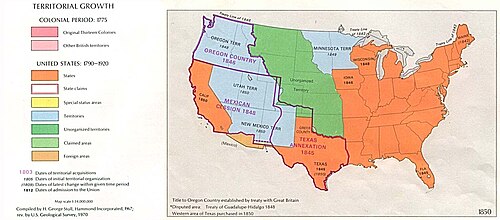
Growth from 1840 to 1850

先住民族への影響と歴史的代償

領土拡大の影で、北米大陸に古くから住んでいた先住民族は壊滅的な打撃を受けました。言語グループごとに分かれていた多様な部族たちは、入植者の流入に伴い、先祖代々の土地から強制的に追い出されました。
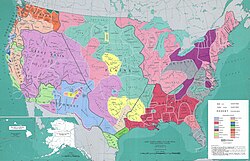
Early Native American tribal territories color-coded by linguistic group

「インディアン移住法」などの法的措置により、多くの人々が過酷な環境へと追いやられ、多くの命が失われました。これは単なる土地の争いではなく、文明化という名の下に行われた組織的な排除であり、現代に至るまで深い傷跡を残しています。

Frequently Asked Questions

マニフェスト・デスティニーとは具体的にどのような考え方ですか?

アメリカ合衆国が北米大陸全体に領土を広げ、民主主義やキリスト教的価値観、近代的な文明を普及させることが、神から与えられた避けられない運命(天命)であるとする信念のことです。

この思想は誰が広めたのですか?

1840年代にジャーナリストのジョン・L・オサリバンがこのフレーズを使い、テキサスやオレゴンの併合を正当化して提唱したことで広く知られるようになりました。

領土拡大によってどのような影響が出ましたか?

経済的な繁栄と国家規模の拡大を実現した一方で、メキシコとの戦争や、先住民族に対する強制移住、虐殺などの人道的な悲劇をもたらしました。

大陸内の拡大後、アメリカはどう変わりましたか?

19世紀末には、拡大の対象を海外(ハワイ、フィリピン、プエルトリコなど)へと広げ、世界的な影響力を持つ帝国主義的な外交政策へと移行しました。

当時のアメリカ国内でこの思想は一致していたのでしょうか?

いいえ、国民的な合意があったわけではありません。帝国主義的な拡大に対しては、国内で激しい論争や反対意見が存在していました。

References

  1. Attributed to multiple references:

📸 フォトギャラリー

John L. O'Sullivan, sketched in 1874, was an influential columnist as a young man, but he is now generally remembered only for his use of the phrase "manifest destiny" to advocate the annexation of Texas and Oregon.
A New Map of Texas, Oregon, and California, Samuel Augustus Mitchell, 1846
John Quincy Adams, painted above in 1816 by Charles Robert Leslie, was an early proponent of continentalism. Late in life, he came to regret his role in helping U.S. slavery to expand, and became a leading opponent of the annexation of Texas.
The first Fort Laramie as it looked prior to 1840. Painting from memory by Alfred Jacob Miller
American westward expansion is idealized in Emanuel Leutze's famous painting Westward the Course of Empire Takes Its Way (1861).
The Battle of Río San Gabriel was a decisive battle action of the Mexican–American War (1846–1848) as part of the U.S. conquest of California.
The Battle of San Jacinto was the final battle during the Texas Revolution (1835-1836) which resulted in a decisive victory for the Texian army.
Growth from 1840 to 1850
Filibuster William Walker, who launched several expeditions to Mexico and Central America, ruled Nicaragua, and was captured by the Royal Navy before being executed in Honduras by the Honduran government.
Norwegian settlers in North Dakota in front of their homestead, a sod hut
Newspaper reporting the annexation of the Republic of Hawaii in 1898
A cartoon of Uncle Sam seated in restaurant looking at the bill of fare containing "Cuba steak", "Porto Rico pig", the "Philippine Islands" and the "Sandwich Islands" (Hawaii)
Early Native American tribal territories color-coded by linguistic group
The U.S.'s intentions to influence the area (especially the Panama Canal construction and control) led to the separation of Panama from Colombia in 1903.