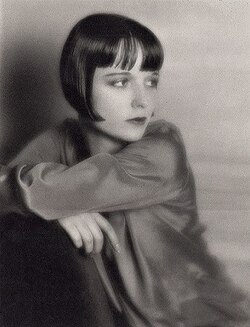
1920年代から30年代にかけて、銀幕に鮮烈な印象を残したアメリカ人女優ルイーズ・ブルックス。彼女は単なる映画スターにとどまらず、当時の自由奔放な女性像を象徴する「フラッパー」文化のアイコンとして、現代まで語り継がれています。特に彼女が普及させた直線的なボブヘアは、時代の先駆けとなるスタイルでした。
しかし、その華やかなイメージの裏側には、ハリウッドへの不満、突然の引退、そして晩年の孤独という、波乱に満ちた人生がありました。本記事では、ダンスから始まり、世界的な名声を得て、やがて作家として再起した彼女のドラマチックな生涯を辿ります。
Key Facts
- 象徴的なスタイル: 子供時代からボブヘアを維持し、1920年代のファッションアイコンとなった。
- 国際的な成功: ドイツ映画『パンドラの箱』などの主演作で世界的な名声を獲得。
- キャリアの変遷: ダンサーとして活動を開始し、その後14本のサイレント映画と10本のトーキー映画に出演。
- 作家としての再起: 晩年は映画評論や回想録を執筆し、鋭い洞察力で高く評価された。
若き日の情熱とダンスへの没頭
ルイーズ・ブルックスの芸能活動は、15歳の時にニューヨークのデニショーン・ダンススクールに入ったことから始まりました。ここでは、現代舞踊の先駆者であるルース・セント・デニスやテッド・ショーン、そして若き日のマーサ・グレアムらと共に活動し、ロンドンやパリなど世界各地を巡演しました。
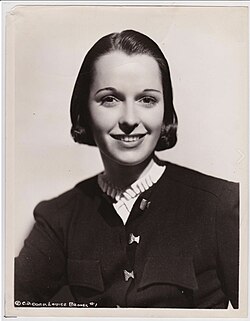
![Brooks as a sophomore in high school, 1922.[17] She had worn bobbed hair since childhood.[18]](/images/20/62/2062978a433be00594a6711c06bff11a1f2918b36eddd6baf59586ef50c9d328.jpg)
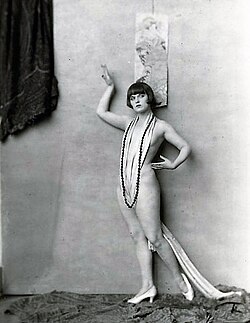
才能を認められ、すぐに主役級の役を担うようになりますが、指導者であるセント・デニスとの激しい衝突により、17歳で突然解雇されます。この時の「人生を銀の盆に載せて差し出されたいと思っている」という厳しい言葉は、彼女の心に深く刻まれ、後の自伝的小説の構想に影響を与えました。その後、彼女はコーラスガールやジグフィールド・フォリーズのダンサーとして活動し、次第に映画の世界へと足を踏み入れていきます。
ハリウッドへの不満とヨーロッパでの黄金期
パラマウント社などで活動したハリウッド時代、ブルックスは自身の能力を十分に活かせない平凡な役に不満を抱いていました。そこで彼女は1929年、環境を変えるためにドイツへ渡ります。これが彼女のキャリアにおける最大の転機となりました。
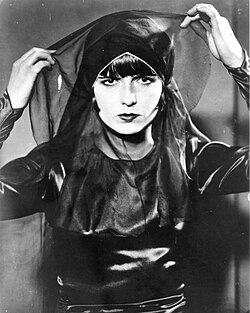
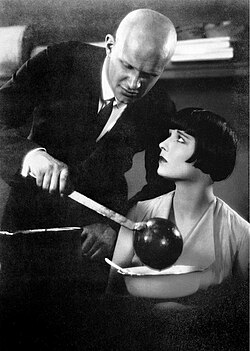
G.W.パブスト監督による『パンドラの箱』や『失われた少女の日記』などの作品で主演を務め、その圧倒的な存在感と演技力で国際的なスターダムにのし上がりました。彼女が演じた「ルル」というキャラクターは、後の映画や文学におけるファム・ファタール(運命の女)の原型の一つとなりました。
挫折と忘却、そして困窮の時代
1931年にアメリカへ戻ったブルックスを待っていたのは、厳しい現実でした。一部の作品に出演したものの、業界内での「ブラックリスト」のような扱いを受け、主要なスタジオからのオファーが途絶えてしまいます。1932年には破産し、ナイトクラブでダンスを踊って生計を立てるまでになります。
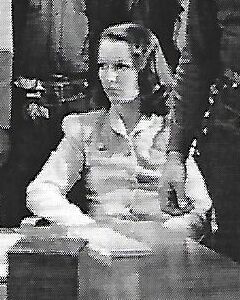
その後も何度か復帰を試みますが、役は端役ばかりで、撮影したシーンがカットされることもありました。1940年頃には経済的に完全に困窮し、雑誌のコピーライターとして働いていましたが、次第に生活はさらに困窮し、裕福な男性たちの支援に頼る日々を過ごすことになります。精神的にも追い詰められた彼女は、アルコール依存や自殺願望に苦しむ暗い時代を経験しました。
映画評論家としての再発見と晩年
絶望の中にいた彼女を救い出したのは、映画愛好家たちでした。1950年代、ジョージ・イーストマン・ハウスのキュレーターであるジェームズ・カードが、隠遁生活を送っていた彼女を発見します。彼に促されてニューヨークのロチェスターへ移住した彼女は、映画コレクションを研究し、自身のキャリアを振り返るエッセイを書き始めました。
彼女が執筆した映画に関する洞察に満ちた論考は、批評家から絶賛されました。1982年に出版された回想録『ルル・イン・ハリウッド』は、映画史における不可欠な一冊として高く評価されています。晩年は人目を避けて暮らしていましたが、一部の映画史家や親しい友人との交流を大切にしていました。
![In her later years, Brooks's friend and one-time youthful lover, William Paley, later founder of CBS,[59] gave her a check every month until her death.[98][104]](/images/5e/d3/5ed337cf377d60b0297d96b53c8069e31b6ad4633395a785e4a286c35bdddebe.jpg)
![Brooks sued the glamour photographer John de Mirjian to prevent him from distributing his nude portraits of her.[114]](/images/89/cf/89cfff7c6a40e0486bcdd37629a25f91a462a121f84ad669333c0731770647ab.png)
文化的な遺産と影響
ルイーズ・ブルックスのスタイルとイメージは、後世の多くの作品に影響を与えました。映画『キャバレー』のサリー・ボウルズ役(ライザ・ミネリ)のメイクやヘアスタイルは、ブルックスのルルをモデルにしています。また、彼女のイメージはSF小説『モレルの発明』のヒロインのモデルとなり、多くの映画キャラクターにその面影が投影されています。
| 項目 | 詳細 |
|---|---|
| 生没年 | 1906年11月14日 - 1985年8月8日 |
| 主な職業 | 女優、ダンサー、作家 |
| 代表作 | 『パンドラの箱』、『失われた少女の日記』 |
| 象徴的なスタイル | ボブヘア(フラッパー・スタイル) |
| 主な著書 | 『Lulu in Hollywood』(1982年) |
Frequently Asked Questions
ルイーズ・ブルックスが「アイコン」とされる最大の理由は何ですか?
彼女の先駆的なボブヘアというスタイルと、1920年代の自由な女性像(フラッパー)を体現していたためです。また、ドイツ映画でのミステリアスで強い女性像が、後の映画界に多大な影響を与えました。
なぜ彼女はハリウッドでのキャリアを中断したのですか?
自身の演技力を軽視するような平凡な役への不満に加え、業界内での人間関係や、トーキー映画への移行期における不遇な扱い(実質的なブラックリスト入り)が原因とされています。
女優引退後の生活はどうだったのでしょうか?
経済的に非常に困難な時期があり、裕福な男性の支援を受けて生活していました。一時はアルコール依存に苦しみ、精神的に不安定な時期を過ごしましたが、後に映画評論家として再起しました。
彼女の執筆活動はどのように評価されていますか?
単なる回想録にとどまらず、映画という芸術に対する鋭い分析と洞察が含まれており、著名な映画批評家ロジャー・エバートらからも「不可欠な映画本」として高く評価されました。
彼女のスタイルは後世のどの作品に影響を与えましたか?
映画『キャバレー』のライザ・ミネリのビジュアルや、映画『デス・ビカムズ・ハー』のキャラクター、さらにはアドルフ・ビオイ・カサレスの小説『モレルの発明』などにその影響が見られます。
References
- In 1979, Brooks recalled her liaison with : "I was eighteen in 1925, when Chaplin came to New York for the opening of . He was just twice my age, and I had an affair with him for two happy summer months. Ever since he died, my mind has gone back fifty years, trying to define that lovely being from another world."
- Brooks later wrote: "By Monday morning, everybody in Hollywood, including Eddie [Sutherland] and 's girlfriend, , knew that I had spent the night with Jack Pickford.
- "[The crew] were dismayed when Billy [Wellman] persuaded me to take the place of my double, Harvey, and hop a fast-moving boxcar, which nearly sucked me under its wheels."
- Brooks claimed she departed Hollywood as soon as circumstances permitted: "It pleased me on the day I finished the silent version of for Paramount to leave Hollywood for Berlin to work for [G. W.] Pabst."
- Brooks credited for her decision to star in Pandora's Box: "I'd never heard of Mr. Pabst when he offered me the part [in Pandora's Box]. It was George who insisted that I should accept it. He was passionately fond of the theater and films, and he slept with every pretty show-business girl he could find, including all my best friends. George took me to Berlin with his English valet."
- Brooks asserted her career was sabotaged by Paramount when she refused to record her dialogue for The Canary Murder Case. "Goaded to fury, Paramount planted in the columns a petty but damaging little story to the effect that it had been compelled to replace Brooks because her voice was unusable in talkies."
- According to Brooks: "When I got back to New York after finishing Pandora's Box, Paramount's New York office called to order me to get on the train at once for Hollywood. They were making into a talkie and needed me for retakes. [...] I said I wouldn't go [...] In the end, after they were finally convinced that nothing would induce me to do the retakes, I signed a release (gratis) for all my pictures, and they dubbed in 's voice."
- Brooks insisted her affair with Pabst was brief. "In 1929, though, when he was in Paris trying to set up Prix de Beauté, we went out to dinner at a restaurant and I behaved rather outrageously. [...] I slapped a close friend of mine across the face with a bouquet of roses. Mr. Pabst was horrified. He hustled me out of the place and took me back to my hotel [...], so I decided to banish his disgust by giving the best sexual performance of my career. [...] He wanted the affair to continue. But I didn't."
- According to critic , Brooks visited Paris "for a retrospective at the , where rumpled old declared, 'There is no Garbo! There is no Dietrich! There is only Louise Brooks!' Brooks must have smiled to hear her name linked with two of her reputed lovers."
📸 フォトギャラリー