私たちが日常的に使う「メートル」や「キロメートル」という単位は、地球上の距離を測るには十分ですが、宇宙のような広大な空間や、光速で移動する電波の速度を考えるときには不便です。そこで登場するのが光秒(Light-second)という単位です。これは、光が真空中で1秒間に進む距離を定義したもので、天文学や通信工学、相対論的物理学において非常に重要な役割を果たしています。
Key Facts
- 定義:光が真空中で1秒間に進む距離(正確に 299,792,458メートル)。
- 通信への影響:地球上の通信ネットワークや衛星通信の遅延時間を計算する基準となる。
- 天文学的尺度:太陽系内部の距離を測るのに適しており、地球から月までの距離は約1.3光秒。
- 拡張単位:光分、光時、光日、そして最も有名な光年へと拡張される。
光秒の基礎知識と変換
光秒は、時間単位である「秒」をベースにした距離の単位です。1光秒は正確に 299,792,458メートルであり、マイルに換算すると約186,282マイルに相当します。この単位を基準として、より短い距離を測る「光ナノ秒」から、より長い距離を測る「光年」まで、さまざまな尺度を定義することができます。
特に光年は、ユリウス年(365.25日)に基づいた定義となっており、正確に 31,557,600光秒に等しくなります。
現代通信における「光の速さ」の壁
地球上の通信信号は、ほぼ真空中の光速で移動します。そのため、通信インフラの設計において光秒の端数は極めて重要な意味を持ちます。例えば、コンピュータ内部のデータ転送速度は、1光ナノ秒(約299.8ミリメートル)という極めて短い距離による物理的な制約を受けています。
また、衛星通信における遅延は、私たちが日常的に体感できるレベルで現れます。低軌道衛星の場合は約1.337光ミリ秒ですが、静止軌道衛星の場合は約119.4光ミリ秒の距離があります。往復の通信になると0.25秒以上の遅延が発生するため、衛星経由の国際電話やテレビインタビューなどで、話し手のタイミングがわずかにずれる現象が起こります。
太陽系を測る天文学的な尺度
天文学において、光秒は太陽系内部の距離を把握するための便利なツールです。電波を用いた距離測定(ラジオメトリ)のデータと密接に結びついているため、惑星の位置を示す暦(エフェメリス)の計算に不可欠な数値となっています。
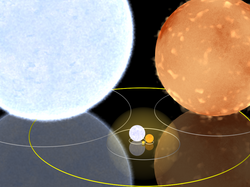
例えば、地球の平均直径は約0.0425光秒であり、地球から月までの平均距離は約1.282光秒です。さらに視点を広げると、太陽の直径は約4.643光秒、地球から太陽までの平均距離(1天文単位)は約499.0光秒に達します。
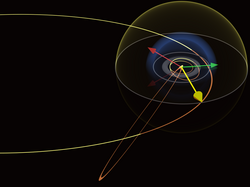
さらに大きな単位を用いると、太陽から冥王星までの平均距離は約4.81光時となります。人類が打ち上げた最も遠い人工物であるボイジャー1号は、2025年時点で地球および太陽から23光時以上の距離にあり、2026年11月頃には1光日の距離に到達すると予想されています。
光秒に基づく距離単位のまとめ
| 単位 | 定義 | メートル換算(概数) | 具体例 |
|---|---|---|---|
| 光秒 | 1秒間の光の走行距離 | 2.998 × 10⁸ m | 地球〜月間距離(約1.282光秒) |
| 光分 | 60光秒 | 1.799 × 10¹⁰ m | 地球〜太陽間距離(約8.317光分) |
| 光時 | 3,600光秒 | 1.079 × 10¹² m | 土星の近日点(約1.25光時) |
| 光日 | 86,400光秒 | 2.590 × 10¹³ m | ボイジャー1号の現在地(約1光日弱) |
| 光週 | 604,800光秒 | 1.813 × 10¹⁴ m | オールトの雲(41〜82光週) |
| 光年 | 31,557,600光秒 | 9.461 × 10¹⁵ m | プロキシマ・ケンタウリ(約4.24光年) |
Frequently Asked Questions
光秒はなぜ天文学で使われるのですか?
光秒は、電波や光を用いた距離測定の結果と直接的に対応しているためです。特に太陽系内の惑星間の距離を計算する際、光が到達する時間をそのまま距離として扱えるため、非常に効率的です。
1光ナノ秒はどのくらいの長さですか?
約299.8ミリメートルです。これは1フィート(約304.8mm)よりわずかに短く、コンピュータの回路設計など、極めて高速なデータ転送が求められる分野での物理的限界を考える際に用いられます。
衛星通信で遅延が起きるのはなぜですか?
電波の速度は光速と同じですが、静止軌道衛星などは地球から約119.4光ミリ秒という遠い距離にあります。信号が往復することで約0.24秒の時間がかかり、これが人間が感知できる「タイムラグ」となります。
光年と光秒の関係はどうなっていますか?
光年は「1年間に光が進む距離」であり、1年を365.25日(ユリウス年)として計算すると、1光年は正確に 31,557,600光秒に相当します。
ボイジャー1号は今どこにいますか?
2025年時点で、太陽および地球から23光時以上の距離に位置しています。今後、2026年11月頃には1光日の距離に到達する見込みです。
References
- IAU Recommendations concerning Units Archived 2007-02-16 at the
- suggested one light-nanosecond might be called a phoot at page 22 of It's About Time (2005),
- Standish, E. M. (1998). "JPL Planetary and Lunar Ephemerides, DE405/LE405" (PDF). JPL IOM 312.F-98-048. Archived from the original (PDF) on 2012-02-20..
- McCarthy, Dennis D.; Petit, Gérard, eds. (2004). "IERS Conventions (2003)". IERS Technical Note No. 32 (PDF). Frankfurt: Bundesamts für Kartographie und Geodäsie. .
- "Pluto distance from sun - Wolfram|Alpha". www.wolframalpha.com. Retrieved 2023-03-07.
- "Pluto distance from sun in light hours - Wolfram|Alpha". www.wolframalpha.com. Retrieved 2023-03-07.
- "Voyager - Fast Facts". voyager.jpl.nasa.gov. Retrieved 2023-03-07.
- "3.57 au/year in light-minutes/year - Wolfram|Alpha". www.wolframalpha.com. Retrieved 2023-03-07.
- "Where are Voyager 1 and Voyager 2 Now?". science.nasa.gov. Retrieved 2025-11-28.
- "Eyes on the Solar System". eyes.nasa.gov. Retrieved 2025-11-28.
📸 フォトギャラリー