世界中で多くのムスリム(イスラム教徒)によって利用されているイスラム暦は、月の満ち欠けに基づいた純粋な太陰暦です。この暦は単なる日付の計測手段ではなく、礼拝や断食、巡礼といった宗教的な義務を果たすための不可欠な指針となっています。
イスラム暦の最大の特徴は、太陽暦(グレゴリオ暦など)とは異なり、1年が約354日であることです。そのため、季節との連動性がなく、毎年日付が約11日ずつ前倒しになります。これにより、聖なる月であるラマダンなどの行事は、数年かけて四季を一周することになります。
Key Facts
- 太陰暦の採用:月の周期に基づいた暦であり、季節とは連動しない。
- 1年の長さ:約354日で構成される。
- 起点:預言者ムハンマドがメッカからメディナへ移住した「ヒジュラ」を紀元とする。
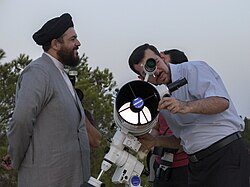
- 月の決定:伝統的に新月の観測によって月の始まりを決定する。
- 宗教的役割:ラマダンの断食やハッジ(巡礼)の時期を決定する。
イスラム暦の歴史と成立
イスラム教以前のアラビア半島では、季節のズレを調整するために「ナシー(Nasī')」と呼ばれる閏月を挿入する習慣がありました。しかし、預言者ムハンマドはこれを禁止し、純粋な太陰暦に従うことを説きました。これは、神が定めた時間の流れを人間が操作することを避けるためと考えられています。
![Illustration of Muhammad prohibiting Nasī'. Found in an illustrated copy of Al-Biruni's The Remaining Signs of Past Centuries (17th-century copy of an early 14th-century Ilkhanid manuscript).[17]](/images/8c/c1/8cc148cb47eb4180669734df546d0753f13073e57b2b42da795f9c86c0ba1af6.png)
その後、イスラム共同体の歴史を記録するため、ムハンマドのメディナへの移住(ヒジュラ)を元年とする紀年法が確立されました。これにより、ムスリムは共通の歴史的アイデンティティを持つこととなりました。
暦の構造:曜日と月
イスラム暦の1週間は7日で構成されており、各曜日には固有の名称があります。例えば、「アル・ジュムア(al-Jumʿah)」は「集い」を意味し、金曜礼拝が行われる最も重要な日とされています。
1年は12の月で構成されており、それぞれの月には宗教的、あるいは自然環境に基づいた意味が込められています。例えば、第9月である「ラマダン」は「焼けるような暑さ」を意味し、全ムスリムが断食を行う聖なる月として知られています。
イスラム暦の月の一覧
| 月 | 名称(アラビア語) | 意味・特徴 |
|---|---|---|
| 1 | ムハッラム (al-Muḥarram) | 禁じられた月 |
| 2 | サファル (Ṣafar) | 空虚な月 |
| 3 | ラビー・アウワル (Rabīʿ al-ʾAwwal) | 最初の春 |
| 4 | ラビー・サーニー (Rabīʿ ath-Thānī) | 二番目の春 |
| 5 | ジュマーダ・ウーラー (Jumādā l-ʾŪlā) | 最初の乾いた地 |
| 6 | ジュマーダ・サーニヤ (Jumādā th-Thāniya) | 二番目の乾いた地 |
| 7 | ラジャブ (Rajab) | 尊敬・名誉 |
| 8 | シャアバーン (Shaʿbān) | 分散した月 |
| 9 | ラマダン (Ramaḍān) | 焼けるような暑さ(断食月) |
| 10 | シャウワール (Shawwāl) | 持ち上がった月 |
| 11 | ズル・カアダ (Dhū l-Qaʿda) | 停戦・休息の月 |
| 12 | ズル・ヒッジャ (Dhū l-Ḥijja) | 巡礼の月 |
現代における運用と多様性
現代では、伝統的な新月の観測に加え、計算によって日付を導き出す「表形式(tabular method)」の暦も利用されています。これにより、将来の宗教行事の予定を立てることが可能になっています。
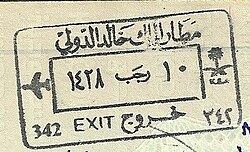
また、地域によって名称のバリエーションが存在します。アフガニスタンやトルコなどの地域では、アラビア語の名称をベースにしつつも、独自の言語(パシュトー語やウイグル語など)による呼称が併用されています。
Frequently Asked Questions
イスラム暦とグレゴリオ暦の最大の違いは何ですか?
最大の違いは、イスラム暦が「太陰暦」であるのに対し、グレゴリオ暦が「太陽暦」である点です。イスラム暦は月の周期に基づいているため、1年が短く、季節と日付が毎年ずれていきます。
ラマダンの時期が毎年変わるのはなぜですか?
イスラム暦が太陽暦よりも約11日短いため、グレゴリオ暦で見るとラマダンの開始日は毎年早まります。その結果、数年かけて春、夏、秋、冬とすべての季節を巡ることになります。
「ヒジュラ」とは具体的に何を指しますか?
ヒジュラとは、預言者ムハンマドが迫害を逃れてメッカからメディナへ移住した出来事を指します。この出来事がイスラム共同体の転換点となったため、暦の起点(紀元)として採用されました。
月の始まりはどのようにして決まりますか?
伝統的には、天文観測によって新月(三日月)が視認されたタイミングで新しい月が始まるとされます。ただし、現代の行政や計算上の便宜のために、天文学的な計算に基づく暦が用いられる場合もあります。
References
- This notation is similar to that of for the , for the and for the .
- Exact dates depend on which variant of the Islamic calendar is followed.
- Certain sects and groups, most notably Bohras Muslims namely , and and Muslims, use a in which odd-numbered months have 30 days and even months have 29, except that the twelfth month has 30 days in a leap year. However this article is about the calendar used by Sunni Islam, in which there are no explicit leap years.
- The precise number varies, depending on the length of the (the time it takes the Moon to reach the same visual . This varies notably throughout the year.)
- This means that there are 34 Hijri years to 33 Gregorian years.
- Some theologians also interpret Surah al-Baqarah 2:185 as requiring direct sighting, but they represent only a minority. The Quranic verse reads as follows : "The month of Ramadân in which was revealed the Qur'ân, a guidance for mankind and clear proofs for the guidance and the criterion (between right and wrong). So whoever of you sights (the crescent on the first night of) the month (of Ramadân i.e., is present at his home), he must observe Saum (fasts) that month, and whoever is ill or on a journey, the same number [of days which one did not observe Saum (fasts) must be made up] from other days. God intends for you ease, and He does not want to make things difficult for you. (He wants that you) must complete the same number (of days), and that you must magnify God [i.e., to say Takbîr ("Allāhu-Akbar", [i.e.] "God is the Most Great") on seeing the crescent of the months of Ramadân and Shawwâl] for having guided you so that you may be grateful to Him."- 2:185 -.
- The dynasty of Fatimids in Egypt used a tabular pre-calculated calendar over a period of two centuries, between the 10th and 12th centuries, before a change of political regime reactivated the procedure of observation of the new moon.
- The start of each lunar month determined not ahead of time by astronomical calculation, but only after the crescent moon is sighted by the proper religious authorities.
📸 フォトギャラリー