A false-color image of two people taken in long-wavelength infrared (body-temperature thermal) radiation
← ホームへ戻る
赤外線電磁波サーモグラフィ近赤外線遠赤外線

赤外線(IR)の基礎知識:特性から最先端の活用事例まで

🗓 2026年8月10日

私たちの目には見えませんが、世界は常に赤外線というエネルギーに満ちています。赤外線は、可視光線よりも波長が長く、マイクロ波よりも短い電磁波の一種です。あらゆる物体がその温度に応じて放出する熱放射の多くがこの帯域に含まれており、現代社会では医療、産業、天文学、そして気象学など、極めて幅広い分野で不可欠な技術として利用されています。

赤外線の発見は1800年、天文学者のウィリアム・ハーシェルによってもたらされました。彼は温度計を用いることで、赤い光よりもさらにエネルギーの低い、目に見えない放射線が存在することを突き止めたのです。
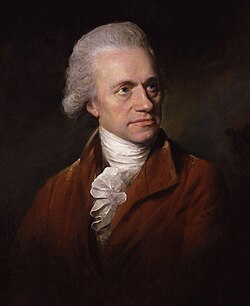
Infrared radiation was discovered in 1800 by William Herschel.

Key Facts

  • 不可視の光: 波長が約780nmから1mmの範囲にあり、人間の目では感知できない。
  • 熱との関係: 室温付近の物体から放出される黒体放射のほとんどが赤外線である。
  • 太陽エネルギー: 地球に届く太陽エネルギーの半分以上が赤外線として到達している。
  • 気候への影響: 赤外線の吸収と放出のバランスが、地球の気候や温室効果に決定的な役割を果たす。
  • 多様な分類: 用途に応じて「近赤外線」「中赤外線」「遠赤外線」などに細分化される。

電磁スペクトルにおける赤外線の位置付け

赤外線は、電磁スペクトルの中で可視光(特に赤色光)とマイクロ波の間に位置しています。一般的に、波長780nm(周波数380THz)から1mm(300GHz)までを指しますが、定義は分野によって多少異なります。例えば、テラヘルツ波をマイクロ波に含める場合、赤外線の境界は0.1mmまでとなります。
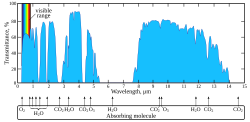
Plot of atmospheric transmittance in part of the infrared region

赤外線は波としての性質と、光子という粒子としての性質の両方を併せ持っており、エネルギーと運動量を運び、放射圧を及ぼします。また、分子の回転・振動運動の変化に伴って吸収または放出されるため、分子構造を解析する「赤外分光法」という強力な分析手法に利用されています。

以下に、電磁スペクトルの全体像における赤外線の位置をまとめます。

電磁スペクトルの分類と特性
名称 波長範囲 周波数範囲 光子エネルギー
ガンマ線 10 pm 未満 30 EHz 以上 124 keV 以上
X線 10 pm – 10 nm 30 EHz – 30 PHz 124 keV – 124 eV
紫外線 10 nm – 400 nm 30 PHz – 750 THz 124 eV – 3.3 eV
可視光 400 nm – 700 nm 750 THz – 430 THz 3.3 eV – 1.7 eV
赤外線 700 nm – 1 mm 430 THz – 300 GHz 1.7 eV – 1.24 meV
マイクロ波 1 mm – 1 m 300 GHz – 300 MHz 1.24 meV – 1.24 μeV
電波 1 m 以上 300 MHz 以下 1.24 μeV 以下

赤外線の詳細な分類

赤外線はその波長によって特性が大きく異なるため、複数の分類体系が存在します。一般的に用いられる区分では、可視光に近い「近赤外線(NIR)」、中間の「中赤外線(MWIR)」、そして熱放射として顕著な「遠赤外線(LWIR/FIR)」に分けられます。

近赤外線は太陽光に多く含まれ、光ファイバー通信などの高速データ伝送に利用される帯域(Oバンド、Cバンドなど)を含みます。一方、遠赤外線は地上の物体が放出する熱エネルギーとして観測され、温度測定や夜間視認に利用されます。
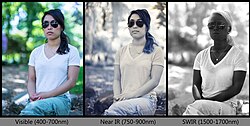
Reflected light photograph in various infrared spectra to illustrate the appearance as the wavelength of light changes

赤外線の多彩な応用事例

サーモグラフィと夜視装置

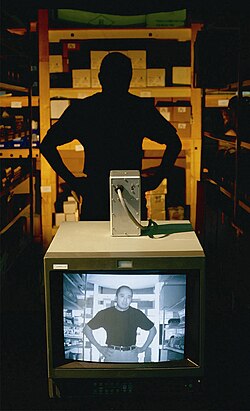
すべての物体は温度に応じて赤外線を放射しています。この性質を利用したのがサーモグラフィです。温度が高いほど放射量が増えるため、可視光がない暗闇でも温度差を画像として可視化できます。また、自ら赤外線を照射して反射光を捉える「アクティブ赤外線」方式の夜視装置も実用化されています。
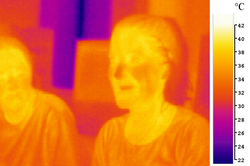
A false-color image of two people taken in long-wavelength infrared (body-temperature thermal) radiation
Active-infrared night vision: the camera illuminates the scene at infrared wavelengths invisible to the human eye. Despite a dark back-lit scene, active-infrared night vision delivers identifying details, as seen on the display monitor.

ただし、赤外線の見え方は物質の「放射率」に影響されます。反射率の高い物質は周囲の温度を映し出すため、実際の温度よりも低く(あるいは高く)見えることがあります。
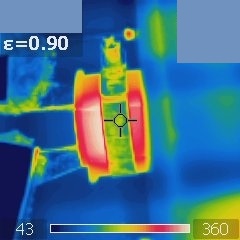
Materials with higher emissivity appear closer to their true temperature than materials that reflect more of their different-temperature surroundings. In this thermal image, the more reflective ceramic cylinder, reflecting the cooler surroundings, appears to be colder than its cubic container (made of more emissive silicon carbide), while in fact, they have the same temperature.

科学分析と芸術保存

赤外線は物質の内部を透過しやすい性質を持つため、美術品の解析に活用されています。例えば、レオナルド・ダ・ヴィンチの「モナ・リザ」のような名画において、表面の絵具の下にある下書きを非破壊で調査する「赤外線リフレクトグラフィー」が行われています。
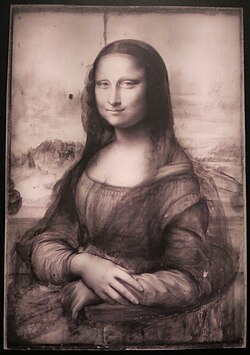
An infrared reflectogram of Mona Lisa by Leonardo da Vinci

また、ハイパースペクトルイメージングを用いることで、物質ごとの固有のスペクトル特性を捉え、冬の屋外環境などの複雑なシーンでも物体の識別が可能です。

Hyperspectral thermal infrared emission measurement, an outdoor scan in winter conditions, ambient temperature −15 °C, image produced with a Specim LWIR hyperspectral imager. Relative radiance spectra from various targets in the image are shown with arrows. The infrared spectra of the different objects such as the watch clasp have clearly distinctive characteristics. The contrast level indicates the temperature of the object.[36]

天文学と気象学

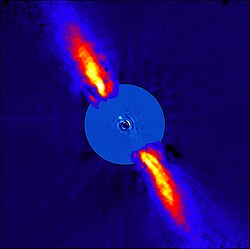
宇宙空間では、可視光では捉えきれない低温の星やガス雲が赤外線として観測されます。これにより、惑星の形成過程や遠方の銀河の構造が明らかになります。また、気象分野では、積乱雲などの雲の温度分布を衛星から観測することで、天候予測に役立てられています。
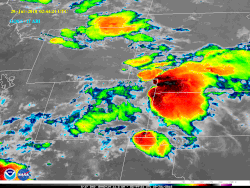
IR satellite picture of cumulonimbus clouds over the Great Plains of the United States
Beta Pictoris with its planet Beta Pictoris b, the light-blue dot off-center, as seen in infrared. It combines two images, the inner disc is at 3.6 μm.

日常生活と産業利用

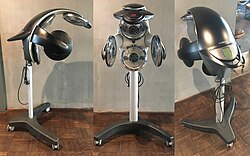
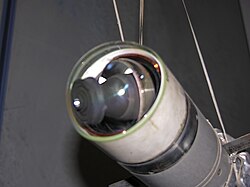
私たちの身近なところでは、テレビのリモコン(LED)や、美容院の赤外線ドライヤー、さらにはミサイルの赤外線シーカー(追尾装置)など、多岐にわたる用途で赤外線が活用されています。
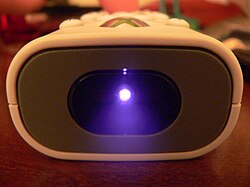
Infrared light from the LED of a remote control as recorded by a digital camera
Infrared hair dryer for hair salons, c. 2010s
The IR seeker head on a FIM-92 MANPADS

環境と生物学

地球温暖化のメカニズムである「温室効果」は、大気中の二酸化炭素やメタンなどの分子が赤外線を吸収・再放射することで起こります。また、生物界では、一部のヘビが赤外線感知器官を用いて獲物の熱を検知して狩りを行うなど、自然界にも赤外線利用の仕組みが存在します。
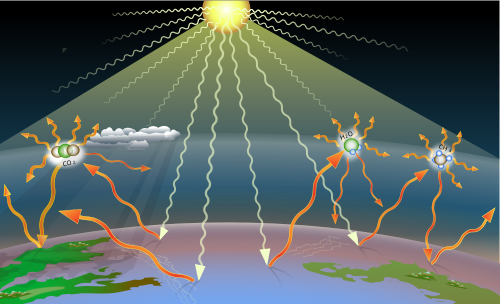
The greenhouse effect with molecules of methane, water, and carbon dioxide re-radiating solar heat
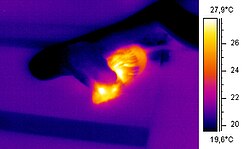
Thermographic image of a snake eating a mouse

さらに、宇宙往還機(スペースシャトル)の再突入時の熱保護システムの温度プロファイル解析など、極限状態のエンジニアリングにおいてもサーモグラフィは重要な役割を果たしました。
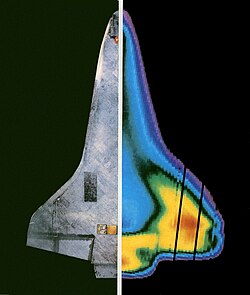
Thermography helped to determine the temperature profile of the Space Shuttle thermal protection system during re-entry.

なお、一部の画像資料として提供された以下の図解も、赤外線の概念を理解する上で参考になります。
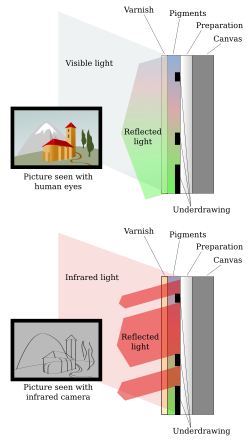
ภาพประกอบบทความ
ภาพประกอบบทความ

Frequently Asked Questions

赤外線は人間にとって危険ですか?

適切な利用範囲内であれば安全ですが、高出力の赤外線レーザーなどに長時間さらされると、目や皮膚に熱的な損傷を与える可能性があります。産業用機器などを扱う際は、適切な保護具の使用が推奨されます。

赤外線と「熱」は何が違うのですか?

熱は物質内部の分子の乱雑な運動(エネルギー)そのものを指しますが、赤外線はそれが電磁波として空間を伝わる「放射」の形態です。つまり、熱が移動する手段の一つが赤外線であると言えます。

なぜ赤外線を使うと暗闇が見えるのですか?

可視光(目に見える光)がなくても、物体が自ら放出している赤外線(熱)をセンサーで捉え、それを可視化して画像にするためです。これにより、光が全くない環境でも温度差に基づいて周囲を認識できます。

赤外線分光法とはどのような技術ですか?

物質に赤外線を照射し、どの波長の光が吸収されたかを分析する手法です。分子の振動状態は物質ごとに固有であるため、この吸収パターンを調べることで、未知の物質の特定や化学構造の解析が可能になります。

太陽光の中の赤外線はどのくらいの割合ですか?

太陽から地球に届くエネルギーの半分以上(約52%)が赤外線です。可視光は約44%、紫外線は約3%となっており、赤外線は太陽エネルギーの主要な構成要素となっています。

References

  1. Temperatures of black bodies for which spectral peaks fall at the given wavelengths, according to the wavelength form of Wien's displacement law.

📸 フォトギャラリー

A false-color image of two people taken in long-wavelength infrared (body-temperature thermal) radiation
Plot of atmospheric transmittance in part of the infrared region
Materials with higher emissivity appear closer to their true temperature than materials that reflect more of their different-temperature surroundings. In this thermal image, the more reflective ceramic cylinder, reflecting the cooler surroundings, appears to be colder than its cubic container (made of more emissive silicon carbide), while in fact, they have the same temperature.
Active-infrared night vision: the camera illuminates the scene at infrared wavelengths invisible to the human eye. Despite a dark back-lit scene, active-infrared night vision delivers identifying details, as seen on the display monitor.
Thermography helped to determine the temperature profile of the Space Shuttle thermal protection system during re-entry.
Hyperspectral thermal infrared emission measurement, an outdoor scan in winter conditions, ambient temperature −15 °C, image produced with a Specim LWIR hyperspectral imager. Relative radiance spectra from various targets in the image are shown with arrows. The infrared spectra of the different objects such as the watch clasp have clearly distinctive characteristics. The contrast level indicates the temperature of the object.[36]
Infrared light from the LED of a remote control as recorded by a digital camera
Reflected light photograph in various infrared spectra to illustrate the appearance as the wavelength of light changes
The IR seeker head on a FIM-92 MANPADS
Infrared hair dryer for hair salons, c. 2010s
IR satellite picture of cumulonimbus clouds over the Great Plains of the United States
The greenhouse effect with molecules of methane, water, and carbon dioxide re-radiating solar heat
Beta Pictoris with its planet Beta Pictoris b, the light-blue dot off-center, as seen in infrared. It combines two images, the inner disc is at 3.6 μm.
An infrared reflectogram of Mona Lisa by Leonardo da Vinci
ภาพประกอบบทความ
Thermographic image of a snake eating a mouse
Infrared radiation was discovered in 1800 by William Herschel.
ภาพประกอบบทความ