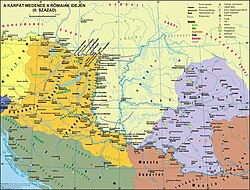
Roman provinces and barbarian peoples in and near the Carpathian Basin in the 2nd century AD
← ホームへ戻る

ハンガリーの歴史と文化中欧の十字路が紡ぐ伝統と革新

🗓 2026年8月10日

中欧の心臓部に位置するハンガリーは、独自の言語と深い歴史を持つ国です。ドナウ川が流れる肥沃なカルパチア盆地を舞台に、東洋からの移住者であるマジャール人が築いたこの国は、西欧と東欧の文化が交差するダイナミックな変遷を遂げてきました。
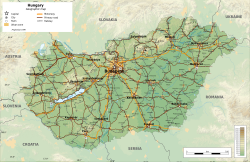
Geographic map of Hungary

主要な事実(Key Facts)

  • 首都: ブダペスト(国内最大の都市)
  • 公用語: ハンガリー語(マジャール語)
  • 政治体制: 単一議会制共和国
  • 主要産業: 高度な科学技術、農業、観光業
  • 地理的特徴: 内陸国であり、バラトン湖などの豊かな水資源を持つ
  • 国際連携: EU加盟国であり、ヴィシェグラード・グループ(V4)の主要メンバー

地理と社会の概況

ハンガリーは総面積約93,030平方キロメートルの内陸国です。国土の多くを占める平原と、国内最大の湖であるバラトン湖が特徴的な景観を作り出しています。
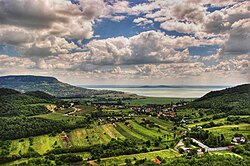
Lake Balaton

人口は約950万人(2026年推計)で、民族的にはマジャール人が圧倒的多数を占めています。宗教面ではキリスト教(主にカトリック)が根付いていますが、現代では無宗教や回答なしの割合も増加しています。
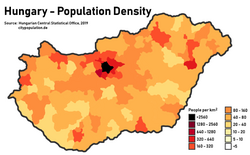
Population density in Hungary by district

激動の歴史:建国から現代まで

マジャール人の定住と王国時代

9世紀末、マジャール人がカルパチア盆地に侵入し、ハンガリーの基礎が築かれました。当初はヨーロッパ各地へ遠征を繰り返していましたが、1000年には聖イシュトヴァーン(ステファン1世)によってキリスト教王国として確立されました。

Hungarian raids in the 9–10th centuries: Between 899 and 970, the researchers count 47 (38 to West and 9 to East)[42] raids in different parts of Europe. From these campaigns only 8 were unsuccessful and the others ended with success.[43]

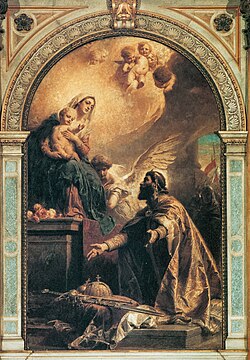
聖イシュトヴァーンが授かった「聖冠」は、現在でも国家の主権とアイデンティティを象徴する至宝として大切にされています。
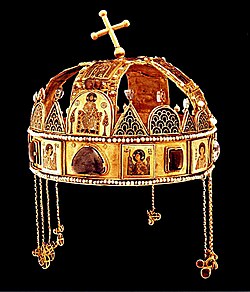
The Holy Crown (Szent Korona), one of the key symbols of Hungary. It was gifted to Saint Stephen, the first King of Hungary, who converted the nation to Christianity.

中世を通じて、ハンガリーは強力な王国として繁栄し、1222年には貴族の権利を制限し王権を規定した「黄金の勅書」が発布されました。その後、ルネサンス期にはマティアス・コルヴィヌス王の下で文化的な黄金時代を迎えます。
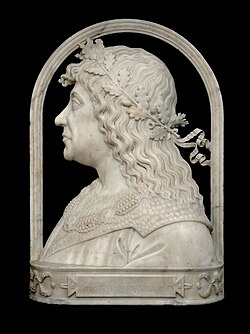
Portrait, Matthias Corvinus, King of Hungary, Hunyadi, relief

オスマン帝国との戦いとハプスブルク家

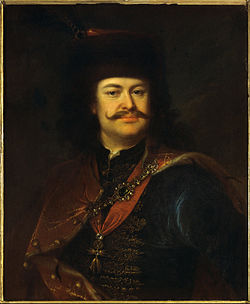
16世紀、オスマン帝国の侵攻により王国は分断され、激しい抗争が続きました。エゲル城の包囲戦などの勝利を経て、次第にハプスブルク家の影響下に入ります。18世紀にはラーコーツィの独立戦争が起こるなど、自治を求める動きが絶えませんでした。
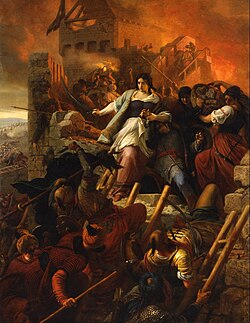
"The Women of Eger", oil painting from 1867 commemorating the siege of Eger, a major victory against the Ottomans

Francis II Rákóczi, leader of the war of independence against Habsburg rule (1703–1711)

近代国家への道と試練

1848年の革命を経て、1867年にはオーストリア=ハンガリー帝国として二重君主制を確立しました。しかし、第一次世界大戦後の1920年、トリアナン条約によって国土の約72%を喪失するという、国家的な悲劇に見舞われます。
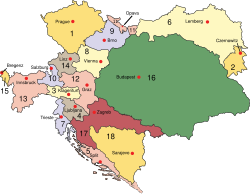
The Lands of the Crown of Saint Stephen consisted of the territories of the Kingdom of Hungary (16) and the Kingdom of Croatia-Slavonia (17).

With the 1920 Treaty of Trianon, Hungary lost 72% of its territory, its sea ports, and 3,425,000 ethnic Hungarians.[83][84] Majority Hungarian areas (according to the 1910 census) detached from Hungary

第二次世界大戦後、ハンガリーは共産主義体制下に入ります。1956年にはソ連の支配に抵抗するハンガリー革命が勃発しましたが、武力で鎮圧されました。その後、カーダール政権による「グヤーシュ共産主義」と呼ばれる比較的緩やかな社会主義時代を経て、1989年に第三共和国へと移行しました。
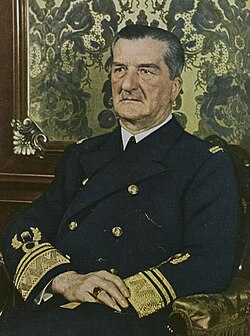
Miklós Horthy, Regent of the Kingdom of Hungary (1920–1944)

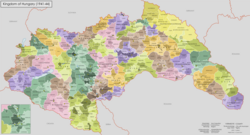
Kingdom of Hungary, 1941–1944

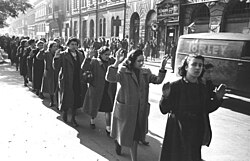
Jewish women being arrested on Wesselényi Street in Budapest during the Holocaust, c. 20–22 October 1944

Roman provinces and barbarian peoples in and near the Carpathian Basin in the 2nd century AD

A destroyed Soviet tank in Budapest during the Revolution of 1956. Time's Man of the Year for 1956 was the Hungarian freedom fighter.[117]

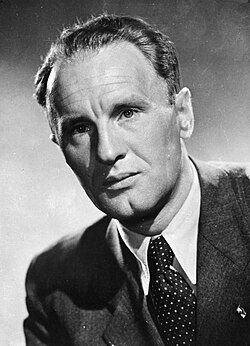
János Kádár, General Secretary of the Hungarian Socialist Workers' Party (1956–1988)

政治・経済と国際関係

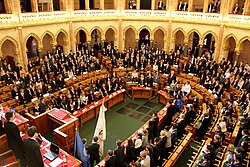
現在のハンガリーは、議会制共和国として運営されています。政治の中心地であるブダペストには、ドナウ川沿いに壮麗な国会議事堂がそびえ立っています。
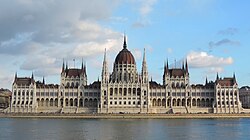
The Hungarian Parliament Building on the banks of the Danube in Budapest

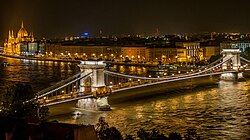
Budapest, the capital and most populous city of Hungary

司法の最高機関である最高裁判所(クリア)が法秩序を維持し、行政は首相を中心とした内閣が担っています。
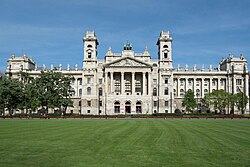
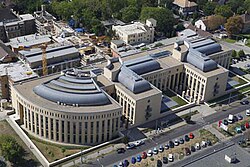
The original and future seat of the Curia, the Supreme court of Hungary

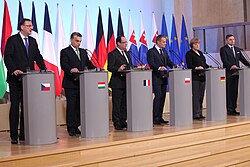
外交面では、ポーランド、チェコ、スロバキアと共に「ヴィシェグラード・グループ」を形成し、中欧の結束を強めています。また、EU加盟国として経済的な統合を進める一方、独自の外交路線を模索しています。
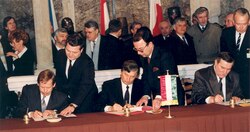
The Visegrád Group signing ceremony, 15 February 1991

Meeting of the leaders of the Visegrád Group, Germany and France in 2013

United Nations conference in the assembly hall of the House of Magnates in the Hungarian Parliament Building

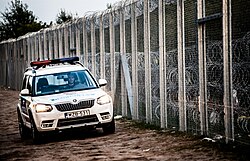
Police car at Hungary-Serbia border barrier

経済面では、高度な工業化が進んでおり、特に電子機器や自動車産業が盛んです。また、世界的に密度の高い鉄道網を整備し、効率的な物流を実現しています。
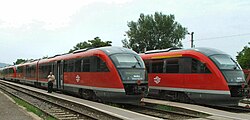
Siemens Desiro passenger trains on the Hungarian State Railways network, which is one of the densest in the world

エネルギー政策においては、電力生成の最適化を図っており、持続可能なエネルギーへの転換が進んでいます。
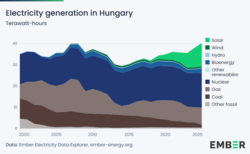
Electricity generation in Hungary in terawatt-hours

科学・文化・芸術の遺産

学問と技術の先駆者

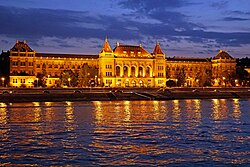
ハンガリーは伝統的に教育水準が高く、世界最古の工科大学の一つであるブダペスト工科大学を擁しています。また、ビタミンCを発見しノーベル賞を受賞したアルベルト・セントギョルギをはじめ、多くのノーベル賞受賞者を輩出しています。
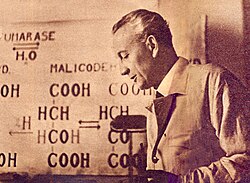
Albert Szent-Györgyi won the Nobel Prize in Physiology or Medicine for his discovery of Vitamin C. The Nobel Prize has been awarded to 15 Hungarians.

Founded in 1782, the Budapest University of Technology and Economics is the oldest institute of technology in the world.

芸術と建築の美

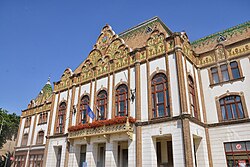
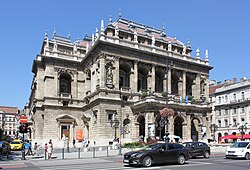
建築面では、ロマネスク様式のヤーク修道院から、華やかなアールヌーヴォー様式の市庁舎、そして世界遺産である国家オペラ劇場まで、多様な様式が共存しています。
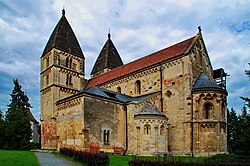
Romanesque Ják Abbey, built between 1220 and 1256

Closeup of the Hungarian Art Nouveau architectural details on the Kiskunfélegyháza Town Hall

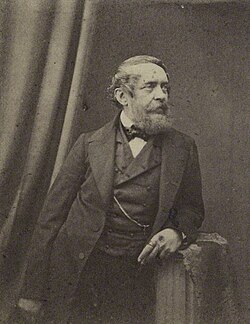
Lajos Kossuth, Regent-President during the Hungarian Revolution of 1848

The Hungarian State Opera House on Andrássy út (a World Heritage Site)

音楽分野では、作曲家ベーラ・バルトークなどが世界的に知られ、民族音楽の研究においても先駆的な役割を果たしました。
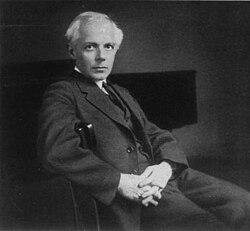
Composer Béla Bartók

食文化とスポーツ

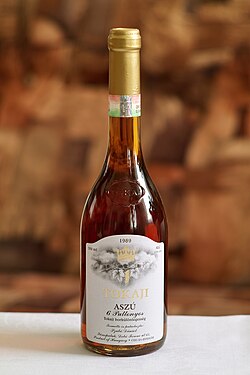
美食の国としても知られ、特に「トカイワイン」はフランスのルイ14世が「王のワイン」と称賛したことで有名です。また、ドボシュトルタなどの伝統菓子も人気です。
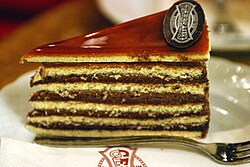
Dobos torte

The famous Tokaji wine. It was called Vinum Regum, Rex Vinorum ("Wine of Kings, King of Wines") by Louis XIV of France.

スポーツでは水球が国民的な人気を誇り、オリンピックで数多くの金メダルを獲得している世界最強クラスのチームを擁しています。
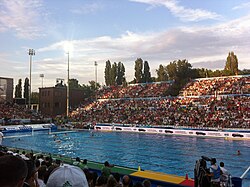
Hungary men's national water polo team is considered among the best in the world, holding the world record for Olympic golds and overall medals.

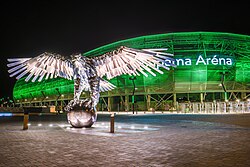
The Groupama Aréna, home of Ferencvárosi TC, a UEFA Category 4 Stadium

国防と治安

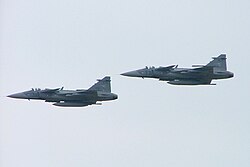
現代のハンガリー軍は、JAS 39 グリペン戦闘機などの近代的な装備を導入し、国防体制を維持しています。また、特殊作戦大隊などの精鋭部隊が治安維持と国際貢献に従事しています。
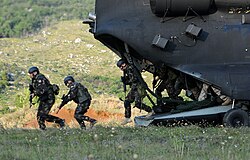
HDF 34th Special Forces Battalion

JAS 39 Gripen multirole combat aircraft

まとめ:ハンガリーの基本データ

以下に、ハンガリーの主要な統計情報をまとめます。

ハンガリー国家概要
項目 詳細
面積 93,030 km²
人口(2026年推計) 約9,489,000人
GDP (PPP, 2026年推計) 4,822.56億ドル
通貨 フォリント (HUF)
人間開発指数 (HDI, 2023) 0.870 (非常に高い)
主要都市 ブダペスト、デブレツェン、セゲド、ミシュコルツ

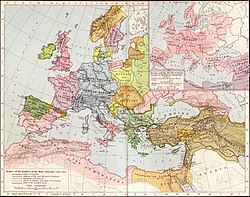
1097, Europe, map

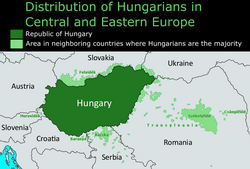
Regions of Central and Eastern Europe inhabited by Hungarian speakers today

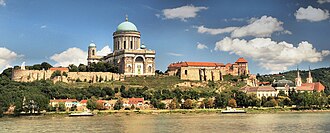
Basilica in Esztergom, where the headquarters of the Hungarian Catholic Church is located

King Saint Stephen offering the Hungarian crown to Virgin Mary – painting by Gyula Benczúr, in the St. Stephen's Basilica, Budapest

Uzsoki Hospital, Budapest

よくある質問(FAQ)

ハンガリー語はどのような言語ですか?

ハンガリー語(マジャール語)は、インド・ヨーロッパ語族ではなくウラル語族に属する言語であり、周辺国とは全く異なる独自の文法と語彙を持っています。

トリアナン条約とは何ですか?

第一次世界大戦後に締結された条約で、これによりハンガリーは国土の約7割を失い、多くの民族的ハンガリー人が国外に取り残されることとなりました。これは現代でも国民の記憶に深く刻まれています。

ブダペストという名前の由来は?

ドナウ川を挟んで位置していた「ブダ」と「ペスト」という2つの都市が、1873年に統合されて誕生した都市であるためです。

ハンガリーの代表的な産業は何ですか?

伝統的な農業に加え、現代では自動車産業や電子機器などの製造業、そして高度な医療技術を活かした歯科観光などの医療サービスが盛んです。

ヴィシェグラード・グループ(V4)とは何ですか?

ハンガリー、ポーランド、チェコ、スロバキアの4カ国による政治的協力枠組みで、EU内での共通の利益を追求し、中欧の結束を高めることを目的としています。

References

    📸 フォトギャラリー

    Roman provinces and barbarian peoples in and near the Carpathian Basin in the 2nd century AD
    Hungarian raids in the 9–10th centuries: Between 899 and 970, the researchers count 47 (38 to West and 9 to East)[42] raids in different parts of Europe. From these campaigns only 8 were unsuccessful and the others ended with success.[43]
    The Holy Crown (Szent Korona), one of the key symbols of Hungary. It was gifted to Saint Stephen, the first King of Hungary, who converted the nation to Christianity.
    1097, Europe, map
    Portrait, Matthias Corvinus, King of Hungary, Hunyadi, relief
    "The Women of Eger", oil painting from 1867 commemorating the siege of Eger, a major victory against the Ottomans
    Francis II Rákóczi, leader of the war of independence against Habsburg rule (1703–1711)
    Lajos Kossuth, Regent-President during the Hungarian Revolution of 1848
    The Lands of the Crown of Saint Stephen consisted of the territories of the Kingdom of Hungary (16) and the Kingdom of Croatia-Slavonia (17).
    With the 1920 Treaty of Trianon, Hungary lost 72% of its territory, its sea ports, and 3,425,000 ethnic Hungarians.[83][84] Majority Hungarian areas (according to the 1910 census) detached from Hungary
    Miklós Horthy, Regent of the Kingdom of Hungary (1920–1944)
    Kingdom of Hungary, 1941–1944
    Jewish women being arrested on Wesselényi Street in Budapest during the Holocaust, c. 20–22 October 1944
    A destroyed Soviet tank in Budapest during the Revolution of 1956. Time's Man of the Year for 1956 was the Hungarian freedom fighter.[117]
    János Kádár, General Secretary of the Hungarian Socialist Workers' Party (1956–1988)
    The Visegrád Group signing ceremony, 15 February 1991
    Police car at Hungary-Serbia border barrier
    Geographic map of Hungary
    Lake Balaton
    The Hungarian Parliament Building on the banks of the Danube in Budapest
    The original and future seat of the Curia, the Supreme court of Hungary
    Budapest, the capital and most populous city of Hungary
    Meeting of the leaders of the Visegrád Group, Germany and France in 2013
    United Nations conference in the assembly hall of the House of Magnates in the Hungarian Parliament Building
    HDF 34th Special Forces Battalion
    JAS 39 Gripen multirole combat aircraft
    Albert Szent-Györgyi won the Nobel Prize in Physiology or Medicine for his discovery of Vitamin C. The Nobel Prize has been awarded to 15 Hungarians.
    Founded in 1782, the Budapest University of Technology and Economics is the oldest institute of technology in the world.
    Siemens Desiro passenger trains on the Hungarian State Railways network, which is one of the densest in the world
    Electricity generation in Hungary in terawatt-hours
    Population density in Hungary by district
    Regions of Central and Eastern Europe inhabited by Hungarian speakers today
    Basilica in Esztergom, where the headquarters of the Hungarian Catholic Church is located
    King Saint Stephen offering the Hungarian crown to Virgin Mary – painting by Gyula Benczúr, in the St. Stephen's Basilica, Budapest
    Uzsoki Hospital, Budapest
    Romanesque Ják Abbey, built between 1220 and 1256
    Closeup of the Hungarian Art Nouveau architectural details on the Kiskunfélegyháza Town Hall
    The Hungarian State Opera House on Andrássy út (a World Heritage Site)
    Composer Béla Bartók
    Dobos torte
    The famous Tokaji wine. It was called Vinum Regum, Rex Vinorum ("Wine of Kings, King of Wines") by Louis XIV of France.
    Hungary men's national water polo team is considered among the best in the world, holding the world record for Olympic golds and overall medals.
    The Groupama Aréna, home of Ferencvárosi TC, a UEFA Category 4 Stadium